


Aquatic Symbolist Artwork
The Symbolist Aquatic painting transports you to a dreamlike universe where water becomes the setting for myths and visual metaphors. This collection celebrates the meeting between aquatic symbolism and mystical art, revealing legendary marine creatures, enigmatic reflections, and unfathomable depths. Each work embodies the visual poetry of symbolic waters, inviting contemplation and introspection. Perfect for lovers of evocative art, it transforms your space into a sanctuary of aquatic reverie.
 Basin Transcendent Awakening Painting - Symbolist Edition228,90 €
 Aquatic Garden Solitary Blooms Painting - Symbolist Edition273,90 €
 White Water Lily Purifier Painting - Symbolist Edition228,90 €
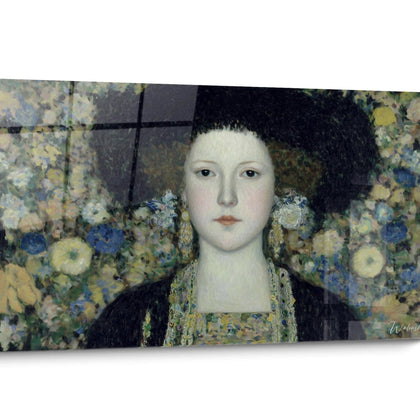
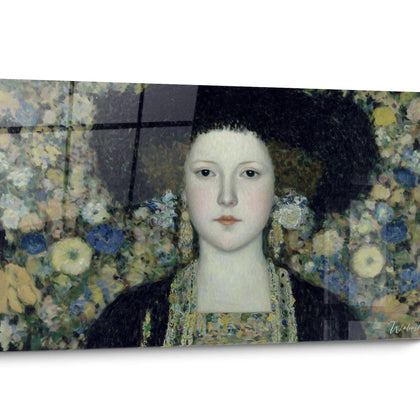
 Portrait Water Lilies Secrets Painting - Symbolist Edition228,90 €
 Landscape Stellar Garden Painting - Symbolist Edition228,90 €




All about Aquatic Symbolist Artwork
- Symbolist Aquatic Wall Art Presentation
- Symbolism of the Depths
- Dreamlike Aquatic Atmospheres
- Decorative Integration
The symbolist aquatic painting embodies a mystical vision of subaquatic worlds, merging the aesthetic currents of the late nineteenth century with a fascination for marine and lacustrine depths. These large-scale wall creations transform residential and professional spaces into true contemplative sanctuaries, where mythological figures emerge from dark waters and abyssal creatures dialogue with the collective unconscious. Favoring a chromatic palette dominated by deep blues, emerald greens and silvery hues, these compositions evoke simultaneously aquatic fluidity and the spiritual dimension dear to the symbolist movement.
The Symbolist Imagery of Aquatic Elements
The symbolist aquatic painting draws from a specific iconographic repertoire where fluvial nymphs, undines and mermaids occupy a central place. These feminine figures with rippling hair embody the fin-de-siècle fascination with woman-nature, an ambivalent creature oscillating between seduction and danger. Symbolist artists favored nocturnal or twilight scenes, moments when the water surface becomes an opaque mirror reflecting inner torments more than the visible world.
Which mythological creatures dominate the symbolist aquatic universe?
The iconography of symbolist aquatic paintings systematically summons floating Ophelias, a direct reference to Shakespearean tragedy revisited by the Pre-Raphaelites. These compositions depict feminine silhouettes abandoned to currents, hair deployed like seaweed, beatific expression despite impending drowning. Translucent jellyfish and iridescent-scaled fish often accompany these figures, creating a hybrid fauna between scientific naturalism and oneiric fantasy.
The depths as psychological metaphor
Deep water represents in symbolist aesthetics the Freudian unconscious before the fact, this obscure reservoir where repressed drives and unspoken desires reside. A symbolist aquatic painting of grand dimension amplifies this psychological immersion effect, inviting the viewer to metaphorically plunge into their own inner abysses. The interplay of transparency and opacity, silhouettes barely discernible in greenish depths suggest what remains ineffable, this liminal zone between consciousness and dream.
Why do aquatic botanical elements reinforce the symbolism?
Water lilies, lotus and other lacustrine vegetation weave a complex symbolic network linking spiritual purity and rootedness in mud. These aquatic plants, often depicted at monumental scale in large-format compositions, create organic architectures where naiads and water spirits conceal themselves. Submarine plant decomposition, a recurring theme, evokes the cycles of death and rebirth dear to decadent aesthetics, while intertwined seaweed suggests voluptuous imprisonment in the depths.
Chromaticism and Atmospheres of Subaquatic Worlds
The chromatic palette of the symbolist aquatic painting distinguishes itself radically from impressionist seascapes through its refusal of direct sunlight. Privileging glaucous tonalities, these works exploit the blue-green nuances associated with marine depths, enriched with touches of oxidized silver and verdigris bronze evoking sunken treasures. This restricted yet infinitely nuanced chromatic range generates a hypnotic atmosphere particularly effective in contemporary interior spaces seeking a meditative ambiance.
How does filtered luminosity structure the composition?
Unlike traditional marine representations, the symbolist aquatic painting presents diffracted light, filtered through imaginary meters of water. This phosphorescent luminosity, sometimes of indeterminate origin, grants scenes an oneiric quality accentuated in monumental formats where the viewer finds themselves literally enveloped by this aquatic penumbra. Luminous rays become almost tangible entities, vertical columns structuring pictorial space like the pillars of a sunken cathedral.
Decorative associations with gilded elements
The integration of a symbolist aquatic painting in an interior gains depth when it dialogues with gilded elements, creating contrast between aquatic coolness and mineral warmth. This juxtaposition recalls Venetian palaces where marine frescoes adjoin Baroque gilding. Collectors appreciating this aesthetic will explore the gilded symbolist paintings that share the same fin-de-siècle sensitivity while offering complementary chromatic tonality, ideal for creating contrasted wall diptychs.
Why privilege large formats for these compositions?
Generous dimensions prove essential to restore the immersion effect characteristic of the symbolist aquatic painting. An imposing format allows development of fauna and flora details of subaquatic environments, those peripheral elements enriching the symbolic reading of the work. In contemporary residential spaces with high ceilings, these large-scale wall compositions create fictional windows onto sunken worlds, transforming a living room or library into a neo-symbolist curiosity cabinet.
Installation Contexts and Spatial Resonances
Installation of a symbolist aquatic painting radically transforms the spatial perception of an interior. These works function ideally in spaces dedicated to introspection: private libraries, music rooms, bedrooms oriented toward contemplative rest. Their ability to visually absorb ambient light creates zones of optical calm particularly appreciated in urban environments overexposed to visual stimulation.
Which professional spaces benefit from this aesthetic?
Psychotherapy offices, meditation centers and wellness spaces find in the symbolist aquatic painting a visual support facilitating mental calm. The symbolism of depths resonates with introspective endeavors, while the fluidity of aquatic forms induces relaxation of ocular tensions. Boutique hotels and high-end establishments also adopt this aesthetic to create distinctive atmospheres removed from conventional decorative standards.
Indirect lighting to magnify chromatic nuances
Unlike works requiring directional lighting, the symbolist aquatic painting reveals its full chromatic richness under diffuse ambient lighting. LED systems integrated into baseboards or dimmable lamps create ideal lighting conditions, allowing bluish and greenish tones to vibrate without glare. This soft lighting approach suits perfectly nighttime spaces where the work becomes contemplative medium before sleep.
How to associate furniture and aquatic palette?
Dark wood furniture, particularly essences like walnut or rosewood, establishes harmonious dialogue with the cool tonalities of the symbolist aquatic painting. Navy blue velvet textiles, emerald silk cushions and carpets with organic motifs extend the aquatic universe without visual redundancy. Audacious collectors introduce patinated brass or bronze elements, evoking diving equipment and reinforcing the theme of explored depths.
Does a symbolist aquatic painting suit contemporary minimalist interiors?
Absolutely. The visual and symbolic density of these works functions remarkably in pared spaces where it becomes the sole focal point. The contrast between symbolist iconographic complexity and contemporary architectural sobriety generates a sophisticated aesthetic tension, highly prized by discerning art collectors seeking interiors with strong personality.
What is the optimal viewing distance for these compositions?
Large-scale symbolist aquatic works offer two reading modes: close vision revealing botanical details and micro-creatures, and distant vision restoring overall atmosphere. Planning a viewing distance of 2.5 to 4 meters allows appreciation of global composition, while proximal approach unveils technical and symbolic subtleties nested in image depths.
Can one integrate a symbolist aquatic painting in a spacious bathroom?
This configuration creates water-water thematic redundancy particularly coherent, provided the space has effective ventilation protecting the work from excess moisture. Bathrooms adjoining master suites, veritable contemporary living spaces, advantageously accommodate these compositions transforming bathing ritual into quasi-ceremonial experience, reconnecting with ancient Roman thermal baths decorated with marine mosaics.


