


Symbolist Floral Wall Art
The Symbolist Floral painting transports you to the poetic universe of the Symbolist movement where each flower becomes a secret language. This collection sublimates symbolist botanical art by revealing the mystical and dreamlike dimension of nature. Each floral composition is charged with deep meaning, emotions, and mysteries. The symbolist botanical wall decoration transforms your interior into a refined artistic sanctuary, where natural beauty and symbolism harmonize to create a unique contemplative atmosphere.
 Forest Floating Pearl Painting - Symbolist Edition273,90 €
 Iris White Whispers Painting - Symbolist Edition273,90 €
 Basin Transcendent Awakening Painting - Symbolist Edition228,90 €
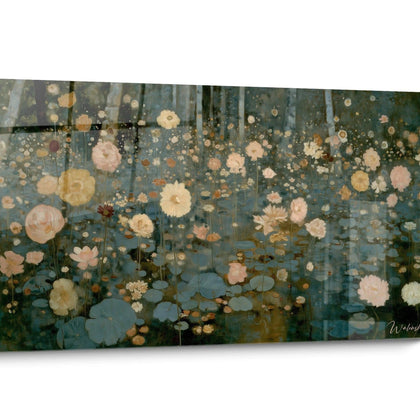
 Aquatic Garden Solitary Blooms Painting - Symbolist Edition273,90 €
 Iris Nostalgia Bloom Painting - Symbolist Edition273,90 €
 White Water Lily Purifier Painting - Symbolist Edition228,90 €
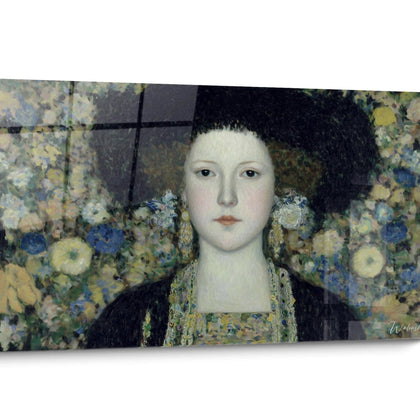
 Portrait Water Lilies Secrets Painting - Symbolist Edition228,90 €
 Butterfly Wandering Souls Painting - Symbolist Edition228,90 €



All about Symbolist Floral Wall Art
- Symbolist Floral Painting Presentation
- Dreamlike Dimension of Floral Motifs
- Atmospheres and Vegetative Symbolics
- Symbolist Decorative Integration
A symbolist floral painting transcends simple botanical representation to immerse itself in a universe where each petal, each stem becomes a carrier of mystical meanings and profound emotions. This artistic approach, heir to the symbolist movement of the late 19th century, transforms vegetative compositions into true visual narratives charged with metaphors. Symbolist floral creations distinguish themselves through their capacity to evoke complex states of mind, melancholic reveries and spiritual visions through saturated color palettes and stylized organic forms. These large-scale mural works capture the ethereal essence of imaginary gardens, where lilies, roses, orchids and exotic flowers dialogue with aquatic, celestial or nocturnal elements to create contemplative atmospheres of rare poetic intensity.
The Dreamlike Aesthetic of Symbolist Floral Compositions
The Visual Codes of Mystical Floral Language
The symbolist floral painting relies on a sophisticated visual grammar where each plant species possesses its own symbolic charge. Irises evoke divine messages and spiritual transcendence, while poppies embody eternal sleep and opium-induced dreams. Oversized peonies symbolize mystical prosperity and inner transformations, whereas white lilies refer to celestial purity and ecstatic visions. This floral iconography does not merely reproduce nature but transfigures it by creating impossible hybridizations, unreal nocturnal bloomings and gardens suspended in parallel dimensions.
Symbolist artists assign paramount importance to saturated hues and dramatic contrasts that amplify the emotional charge of compositions. Deep violets sit beside Byzantine gilding, emerald greens oppose dark purples, creating chromatic harmonies that simultaneously evoke fin-de-siècle decadence and spiritual aspiration. These non-naturalistic palettes transform botanical observation into a complete sensory experience, where color becomes a vehicle for psychological states and metaphysical quests. The imposing formats of these mural works allow for complete immersion in these fantasized floral universes.
The Narrative and Allegorical Dimension of Vegetative Scenes
Unlike traditional still lifes, the large-scale symbolist floral painting develops true allegorical narratives where botanical elements become characters in a cosmic drama. Interlaced stems suggest entwined destinies, falling petals evoke existential melancholy, while closed buds symbolize unrealized potentialities of the human soul. These compositions tell stories of metamorphoses, natural cycles elevated to the rank of initiatory mysteries, passages between the visible and invisible worlds.
The integration of aquatic elements reinforces this narrative dimension, creating visual bridges with other symbolist universes such as those explored in aquatic symbolist compositions where water lilies and liquid reflections dialogue with terrestrial flowers. Artists thus create imaginary ecosystems where plants and fluids merge in the same quest for ideal beauty. These mural works become portals to lost Edenic gardens, artificial paradises where preLapsarian harmony reigns between all kingdoms of nature.
What is the aesthetic particularity of the symbolist floral treatment?
Symbolist treatment is characterized by ornamental stylization that borrows from decorative arts while retaining philosophical depth. Sinuous curves recall Art Nouveau but are charged with spiritual gravity absent from simple decorative motifs. Flowers are often represented in states of transformation: opening in supernatural light, closing in mysterious darkness, or frozen in suspended eternity that defies biological laws. This aesthetic creates monumental vegetative presences particularly suited to large-scale mural formats destined to visually dominate contemporary residential spaces.
Vegetative Symbolics and Construction of Contemplative Atmospheres
Floral Associations Bearing Esoteric Significance
Each symbolist floral painting constitutes a system of correspondences where vegetative associations generate multiple layers of meaning. The rose-thorn association expresses the beauty-suffering duality inherent to human experience, while the lotus-vase duo symbolizes spiritual purity emerging from corrupted matter. Compositions bringing together diurnal and nocturnal flowers create paradoxical temporalities, evoking the eternal present of mystical contemplation and the coexistence of opposites in transcendent unity.
Monumental floral arrangements frequently integrate cosmic elements – silver moons, golden stars, luminous halos – that place vegetation within a continuity between terrestrial and celestial. These mural works develop a personal cosmology where the microcosm of the garden reflects the universal macrocosm. The imposing formats allow for the deployment of these complex symbolic systems with maximum readability, transforming the wall into a true vegetative mandala conducive to contemplative meditation and spiritual elevation.
How do symbolist color palettes create specific atmospheres?
Symbolist colors far exceed simple naturalistic observation to create distinct psychological climates. Ranges of mauves, violets and indigos generate twilight atmospheres conducive to melancholic introspection, evoking gardens of memory and phantomic bloomings of the past. Combinations of deep reds, aged golds and velvety blacks establish an atmosphere of mystical passion, of spiritual quest ardent and crossed with sublimated sensual impulses.
Conversely, certain compositions privilege harmonies of nacre whites, pale blues and aquatic greens to evoke virginal purity, angelic visions and luminous revelations. These chromatic variations allow the large-scale symbolist floral painting to adapt to different spatial energies: dark and saturated tones suit intimate spaces of recollection, while clear and ethereal palettes accord with transitional and opening spaces. This chromatic versatility makes the symbolist floral painting a decorative element capable of defining the energetic identity of an entire residential space.
The Suspended Temporality of Symbolist Floral Scenes
A fundamental characteristic of the symbolist floral painting lies in its relationship with time: these works represent neither the fleeting instant of blooming, nor the complete cycle of growth and decline, but an eternal moment outside biological time. Flowers seem frozen in perpetual apogee, neither fully opened nor truly closed, capturing the Platonic essence of the flower rather than its temporal manifestation. This atemporality confers upon compositions a lasting meditative quality, resisting the visual wear of images too anchored in stylistic timeliness.
Symbolist artists create this temporal suspension through various procedures: elimination of seasonal indices, juxtaposition of normally staggered bloomings, presentation of flowers in states of impossible preservation. These temporal manipulations transform the adorned wall into a window opened onto an eternal garden, an Eden preserved from the corruption of time. For collectors seeking large-format mural works with lasting visual impact, this timeless quality represents a major asset, guaranteeing aesthetic relevance that transcends ephemeral decorative fashions.
Spatial Integration and Decorative Enhancement of Symbolist Floral Compositions
Optimal Residential Spaces for Large Floral Compositions
The installation of a symbolist floral painting in large format requires reflection on spaces capable of accommodating its intense visual and symbolic charge. Private libraries and reading rooms constitute ideal locations, creating a dialogue between literary contemplation and visual meditation. Master bedrooms benefit from the dreamlike and sensual atmosphere of these compositions, transforming the rest space into a romantic sanctuary conducive to nocturnal reveries.
Music rooms and spaces dedicated to creative practices find in these symbolist floral works a stimulus for artistic imagination and aesthetic sensitivity. Unlike rapid transit spaces, these places of prolonged pause allow progressive apprehension of the multiple symbolic layers inscribed in the composition. The monumental formats are particularly suited to double-height walls of contemporary spaces, creating vertical focal points that visually structure the generous volumes of modern architectures.
What decorative environments magnify the symbolist floral painting?
The ideal decorative environment to enhance these works combines elements that resonate with their aesthetic without creating visual competition. Furniture with organic lines inspired by Art Nouveau establishes harmonious formal echoes, while precious textiles – stamped velvets, iridescent silks, brocades – extend the tactile sensuality suggested by painted petals. Lamps with colored shades create modular luminous atmospheres that reveal different chromatic facets of the composition according to the time of day.
The integration of genuine botanical elements – rare orchids, architectural ferns, exotic plants – establishes a dialogue between symbolist representation and real botanical presence, enriching the sensory experience of the space. Complementary art objects privilege enameled ceramics, iridescent glassware and patinated bronzes that share the same search for precious materials and refined finishes. This decorative orchestration transforms the space into a private symbolist gallery where each element contributes to a coherent total ambiance.
The Psychological Impact of Large Floral Mural Compositions
Beyond their decorative function, large-format symbolist floral paintings exercise notable psychological influence on the occupants of the spaces they adorn. Their monumental presence creates a stable visual anchor point that structures spatial experience and offers contemplative refuge in daily tumult. Research on biophilia demonstrates that vegetative representations, even stylized ones, generate measurable soothing effects, reducing stress and promoting attentional restoration.
The symbolic dimension enriches this effect by offering supports for emotional projection and imaginative elaboration. Faced with these impossible gardens, the mind finds spaces for productive reverie, departures for inner voyages that nourish psychological life. For buyers investing in large-scale symbolist mural works, this psychological value adds to aesthetic value, making the acquisition not only a decorative choice but an investment in daily well-being and quality of lived environment.
What type of symbolist floral painting suits contemporary minimalist spaces?
For minimalist interiors, privilege symbolist floral compositions with restricted palettes – tonal gradations of whites and pearl grays, or monochromatic harmonies of deep greens – that bring the symbolic richness of the artistic movement while respecting contemporary chromatic sobriety. Vertical panoramic formats create architectural lines that integrate naturally into refined spaces.
How does a large-scale symbolist floral painting influence spatial perception?
A monumental floral composition radically modifies spatial perception by creating illusory visual depth that psychologically enlarges the room. Trompe-l'oeil arrangements and atmospheric perspectives of symbolist backgrounds generate virtual openings that dissolve wall materiality, particularly effective in constrained urban spaces seeking to create a sensation of expansion.
What is the aesthetic durability of a symbolist floral painting in a decorative project?
The timeless character of symbolist aesthetics, anchored in universal archetypes rather than ephemeral trends, guarantees lasting decorative relevance. Unlike seasonal motifs, these compositions transcend fashion cycles and enrich over time, progressively revealing their symbolic layers to the daily gaze, making them a lasting decorative investment for prestigious residential spaces.
Further reading


