


Ancient Lands Abstract Wall Art
The Painting Earth Before Abstract captures the primordial essence of our planet through evocative abstract compositions. This collection celebrates prehistoric abstract landscapes with organic shapes and earthy palettes inspired by terrestrial origins. Each creation reveals a geological abstract art where mineral textures and telluric movements come to life on canvas. Explore these timeless works that transform your space into a contemporary gallery.
 Colorful Abstract Woolly Mammoth Painting - Prehistoric Heritage - Woolly Mammoth Edition273,90 €
 Psychedelic Woolly Mammoth Painting - Cosmic Whirlwinds - Woolly Mammoth Edition273,90 €
 Abstract Whale Painting - Breath of Fire - Basilosaurus Edition273,90 €
 Quetzalcoatlus Painting - Majestic Flight - Quetzalcoatlus Edition273,90 €
 Megalodon Shark Wall Art - Multicolor Digital Predator - Megalodon Edition273,90 €
 Colorful Shark Wall Art - Artistic Explosion - Megalodon Edition273,90 €
 Megalodon Shark Painting - Colorful Geometric Art - Megalodon Edition273,90 €
 Great White Shark Megalodon Painting - Ardent Predator - Megalodon Edition273,90 €
 Abstract Dinosaurs Wall Art - Geometric Fusion - Dinosaur Edition273,90 €
 Colorful T-Rex Painting - Artistic Expression - Dinosaur Edition273,90 €
 Colorful T-Rex Canvas - Tyrannosaurus in Motion - Dinosaur Edition273,90 €
 Triceratops Abstract Painting - Golden Mosaic - Dinosaur Edition228,90 €
Explore further
In Ancient Lands Abstract Wall Art
-
 Ancient Lands Canvas150
artworks
Ancient Lands Canvas150
artworks
-
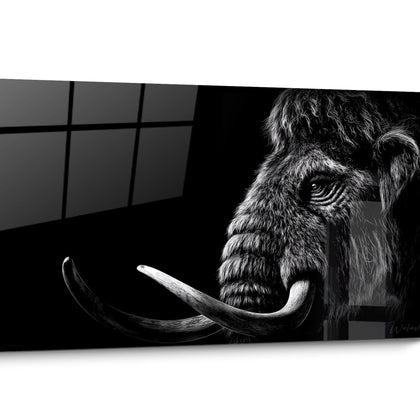 Ancestral Lands Black and White Wall Art7
artworks
Ancestral Lands Black and White Wall Art7
artworks
-
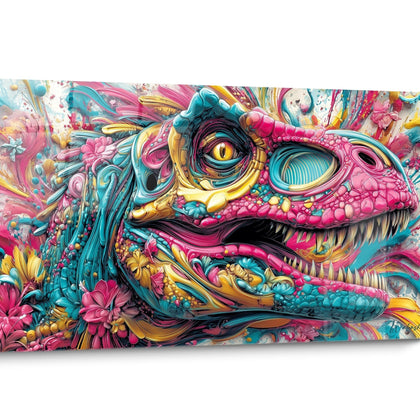 Ancient Lands Pop Art Canvas4
artworks
Ancient Lands Pop Art Canvas4
artworks
-
 Ancient Lands Golden Artwork18
artworks
Ancient Lands Golden Artwork18
artworks
-
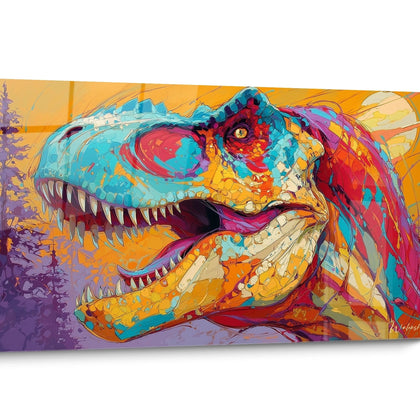 Primordial Lands Expressionist Artwork8
artworks
Primordial Lands Expressionist Artwork8
artworks
-
 Ancestral Lands Mosaic Wall Art11
artworks
Ancestral Lands Mosaic Wall Art11
artworks
-
 Ancestral Lands Colorful Wall Art23
artworks
Ancestral Lands Colorful Wall Art23
artworks
-
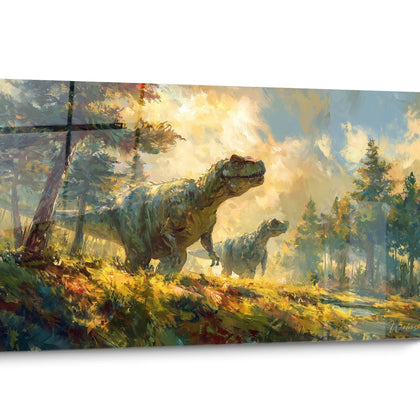 Primordial Lands Realistic Wall Art17
artworks
Primordial Lands Realistic Wall Art17
artworks
-
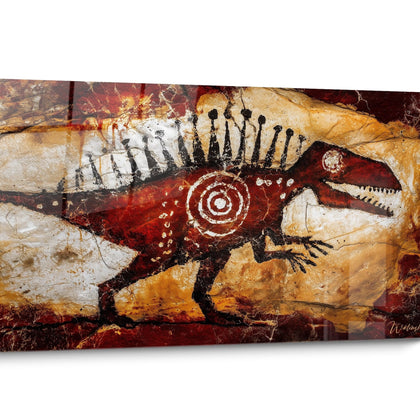 Prehistoric Rock Art Canvas - Ancient Lands7
artworks
Prehistoric Rock Art Canvas - Ancient Lands7
artworks
-
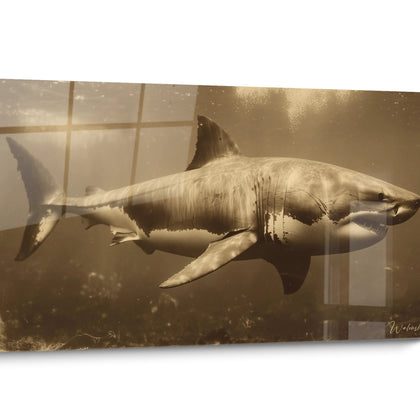 Vintage Lands of Yesterday Canvas8
artworks
Vintage Lands of Yesterday Canvas8
artworks


All about Ancient Lands Abstract Wall Art
- Ancient Lands Abstract Wall Art Presentation
- Abstract Geological Compositions
- Mineral Architectural Integration
- Abstract Prehistoric Atmospheres
An abstract ancient lands wall art evokes millennia-old strata and ancestral geological formations through non-figurative interpretation. These large-scale mural creations capture the essence of primordial landscapes by emphasizing sedimentary textures, mineral contrasts, and telluric movements. Abstraction transcends literal representation to explore fossil energies, tectonic fractures, and geological metamorphoses that have shaped our planet. Each composition reveals a personal reading of superimposed temporal layers, progressive erosions, and mineral crystallizations, transforming your space into a sanctuary where contemporary art dialogue with Earth's geological memory.
Mineral Stratifications and Abstract Tectonic Dynamics
Abstract ancient lands wall art reinterprets sedimentary stratifications accumulated over millions of years through non-figurative compositions. Artists use superimpositions of ochre, sienna, graphite, and oxide nuances to evoke compressed geological layers, metamorphic schists, and ancient alluvial deposits. These monumental works capture fossil memory without resorting to literal representation, creating a visual meditation on temporal sedimentation.
How do tectonic fractures inspire geological abstraction?
Rupture lines, seismic faults, and rock folding become in these paintings gestural trajectories, asymmetric striations, and compositional breaks. Abstraction translates the underground violence of plate movements into intense visual dynamics. Large-format dimensions amplify these geological tensions, transforming your wall into an abstract mapping of terrestrial upheavals. These mural creations are particularly suited to minimalist contemporary architectures seeking raw and authentic presence.
Sedimentary Textures and Primitive Materiality
The abstract approach emphasizes the tactile suggestion of eroded surfaces, mineral concretions, and rocky aggregates. Chromatic variations evoke iron oxides, limestone deposits, and crystallized silicas without literal description. This sensory translation of geological materials creates an immersive experience where the observer projects their own interpretation of prehistoric landscapes. For those who also appreciate more vibrant approaches, exploring colorful ancient lands art offers a complementary alternative to austere mineral tones.
Temporal Scales and Visual Compression
These abstract compositions condense entire geological eras within a single pictorial space. Superimpositions suggest progressive sediment accumulation, burial of primitive organisms, and gradual petrification. This temporal compression transforms the painting into a non-narrative visual archive, inviting meditative contemplation on deep time. Imposing dimensions reinforce this sensation of temporal immensity, establishing dialogue between the present moment and millions of years fossilized in the composition.
Integration in Minimalist and Industrial Architectural Spaces
A large-scale abstract ancient lands wall art establishes itself as a structural element in refined environments with raw materials. These works naturally dialogue with exposed concrete, brushed steel, and polished mineral surfaces characteristic of converted industrial lofts and contemporary brutalist architectures. Geological abstraction brings organic depth to rectilinear lines and strict geometric volumes.
Which professional spaces valorize these abstract geological compositions?
Business halls related to Earth sciences, construction materials, or mining extraction find relevant symbolism in these paintings. Architecture firms specialized in sustainable development and ecological construction use these prehistoric references to anchor their approach in extended temporality. Museum spaces dedicated to paleontology, geology, or natural history integrate these creations as artistic extensions of their scientific collections. The monumentality of formats meets the spatial requirements of these amplified public environments.
Complementarity with Natural Materials and Raw Surfaces
These abstract paintings establish visual resonances with split natural stone, exposed aggregates, and untreated surfaces. In contemporary residences privileging material authenticity, they extend the chromatic palette of reconstituted stone flooring, raw earth walls, or schist elements. This material coherence creates continuity between architecture and mural work, unifying the space within a telluric aesthetic. Tonal variations capture natural light differently according to the hours, subtly animating the composition.
Spatial Zoning and Visual Hierarchy
Installing a monumental abstract geological painting allows structuring open volumes by defining distinct functional zones. In open-plan spaces, it creates a visual anchor point that organizes circulation and spatial perception. Its magnetic presence naturally attracts the eye, establishing clear hierarchy in the layout. This ability to define space without physical partitioning is particularly suited to environments requiring both fluidity and affirmed character simultaneously.
Evoking Prehistoric Atmospheres Through Non-Figurative Abstraction
Abstract ancient lands wall art transcends documentary representation of geological epochs to capture their atmospheric essence. Rather than depicting identifiable paleontological scenes, these compositions explore primordial ambiances: the density of air charged with volcanic particles, the opacity of primitive mists, the luminous vibration through different atmospheres. This conceptual approach engages the viewer's imagination in personal mental reconstruction of ancestral environments.
How does abstraction translate ancient climatic transformations?
Subtle chromatic transitions evoke atmospheric variations of major glaciations, interglacial periods, and massive volcanic episodes. Areas of blur and sharpness suggest alternations between crystalline clarity of ice ages and opacity of ash-laden atmospheres. These visual modulations create non-linear temporal narration where different climatic epochs overlap. The absence of figurative referents liberates interpretation, allowing each person to project their own vision of vanished landscapes.
What emotions do these abstract prehistoric evocations inspire?
These monumental paintings generate meditative contemplation on human existence's relativity against geological scales. They inspire simultaneously humility before temporal immensity and fascination with titanic natural forces that have sculpted our environment. Abstraction allows accessing these feelings without the filter of figurative recognition, creating a more direct and visceral experience. Collectors seeking this emotional connection with terrestrial origins privilege these compositions for their capacity to transform domestic space into meditative sanctuary.
Symbolism of Permanence and Transformation
These works embody the geological paradox of apparent stability and perpetual change. Rock formations seem immutable at human scale but result from incessant metamorphoses over extended time. This philosophical duality expresses itself in abstract compositions through areas of chromatic stability contrasting with gestural turbulence. For residential or professional spaces seeking to convey values of resilience, authenticity, and anchorage in long history, these paintings offer powerful and non-literal symbolism.
Is an abstract ancient lands painting suited to refined contemporary interiors?
Absolutely, these compositions bring organic depth and visual texture to minimalist spaces that might otherwise risk excessive coldness. Their natural mineral palette integrates harmoniously with contemporary materials like polished concrete, brushed steel, or glass, while introducing a temporal and narrative dimension that enriches spatial experience.
What observation distance should be privileged to appreciate a monumental abstract ancient lands painting?
Large formats reveal different readings depending on distance: from afar, overall composition and structural equilibriums dominate; at middle distance, chromatic transitions and gestural dynamics become perceptible; up close, subtle nuances and textural variations unveil themselves. This richness of reading scales justifies installation in spaces allowing successive different viewpoints.
How does an abstract ancient lands painting influence acoustic properties of a large volume?
Monumental formats help soften reverberation in spaces with multiple hard surfaces (concrete, glass, stone), particularly when creation techniques integrate subtle reliefs or sound-absorbing materials. This secondary acoustic function improves sonic comfort in industrial lofts and contemporary architectures with amplified volumes, while preserving primary aesthetic function.
Further reading
Our articles on this topic
- How to "Read" an Abstract Painting: A Beginner's Interpretation Guide
- The Art of Abstraction: A Journey Through the History of Abstract Painting
- Discover the Fascinating World of Abstract Art
- Complete Guide to Buying an Abstract Landscape Painting: Enhance Your Interior Decor with a Minimalist Approach


