


Primordial Lands Realistic Wall Art
Painting Lands of Yore Realistic transports you to the origins of our planet through captivating artworks. This collection celebrates Painting Lands of Yore, revealing authentic prehistoric landscapes and realistic ancestral scenes of stunning beauty. Each creation captures the raw essence of timelessness, where primeval nature reigned supreme. Ideal for enthusiasts of natural history and figurative art, this selection brings a unique temporal dimension to your interior.
 Woolly Mammoth Canvas - Prehistoric Majesty - Woolly Mammoth Edition273,90 €
 Prehistoric Crocodile Wall Art - Ancestral Gaze - Kaprosuchus Edition273,90 €
 Crocodile in Water Wall Art - Wild Gaze - Kaprosuchus Edition273,90 €
 Ancient Crocodile Wall Art - Piercing Gaze - Kaprosuchus Edition228,90 €
 Prehistoric Dinosaur Wall Art - Iguanodon Sketch - Prehistoric Murals Edition228,90 €
 Prehistoric Bird Wall Art in Flight - Majestic Argentavis - Argentavis Edition273,90 €
 Argentavis Magnificens Wall Art - The Prehistoric Giant Bird - Argentavis Edition228,90 €
 Majestic Scutosaurus Canvas - Prehistoric Creature with Colorful Scales - Scutosaurus Edition273,90 €
 Futuristic Brachiosaurus Painting - Cretaceous Giant - Dinosaur Edition273,90 €
 Smilodon in Action Painting - Prehistoric Predator - Saber-Toothed Tiger Edition273,90 €
 Smilodon Painting in Tall Grass - Prehistoric Predator - Saber-Toothed Tiger Edition273,90 €
 Majestic Smilodon Wall Art - Intense Gaze of the Predator - Saber-Toothed Tiger Edition228,90 €
 Sauropod Dinosaurs by the Water - Prehistoric Sepia Ambiance - Dinosaur Edition273,90 €
 Sauropod Sunset Wall Art - Prehistoric Giant - Dinosaur Edition273,90 €
 Tyrannosaurus Rex Wall Art in Prehistoric Forest - Jurassic Predators - Dinosaur Edition273,90 €
 Three Raptors Dinosaur Painting - Captivating Portrait - Dinosaur Edition273,90 €
 Diplodocus Canvas in Black and White - Giants of the Jurassic - Dinosaur Edition273,90 €
Explore further
In Primordial Lands Realistic Wall Art
-
 Ancient Lands Canvas150
artworks
Ancient Lands Canvas150
artworks
-
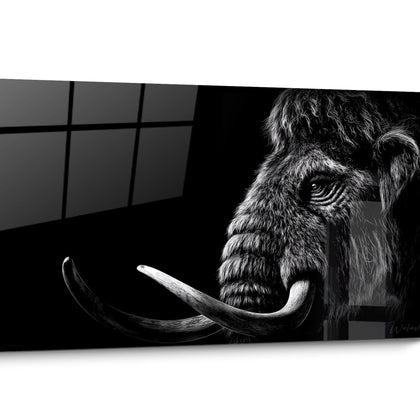 Ancestral Lands Black and White Wall Art7
artworks
Ancestral Lands Black and White Wall Art7
artworks
-
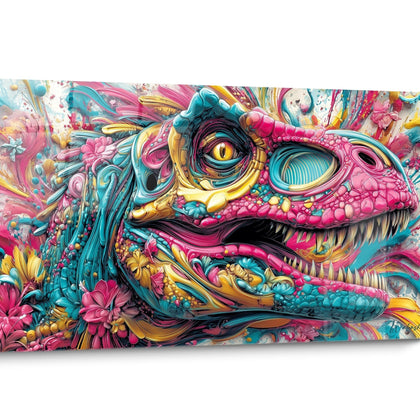 Ancient Lands Pop Art Canvas4
artworks
Ancient Lands Pop Art Canvas4
artworks
-
 Ancient Lands Golden Artwork18
artworks
Ancient Lands Golden Artwork18
artworks
-
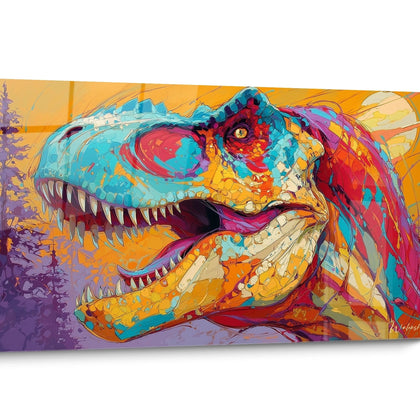 Primordial Lands Expressionist Artwork8
artworks
Primordial Lands Expressionist Artwork8
artworks
-
 Ancestral Lands Mosaic Wall Art11
artworks
Ancestral Lands Mosaic Wall Art11
artworks
-
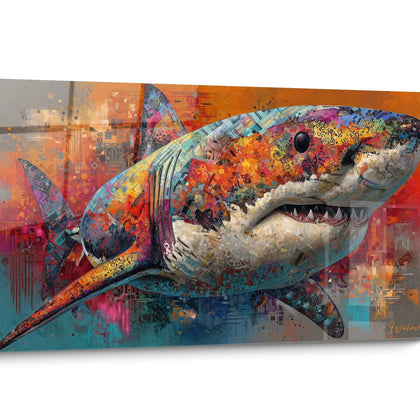 Ancient Lands Abstract Wall Art12
artworks
Ancient Lands Abstract Wall Art12
artworks
-
 Ancestral Lands Colorful Wall Art23
artworks
Ancestral Lands Colorful Wall Art23
artworks
-
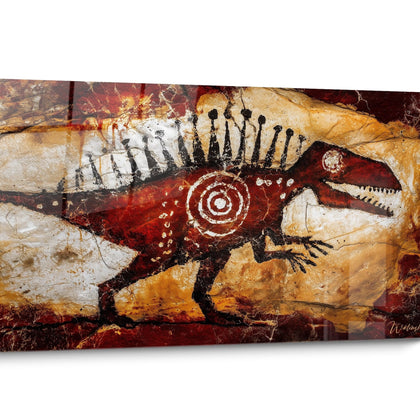 Prehistoric Rock Art Canvas - Ancient Lands7
artworks
Prehistoric Rock Art Canvas - Ancient Lands7
artworks
-
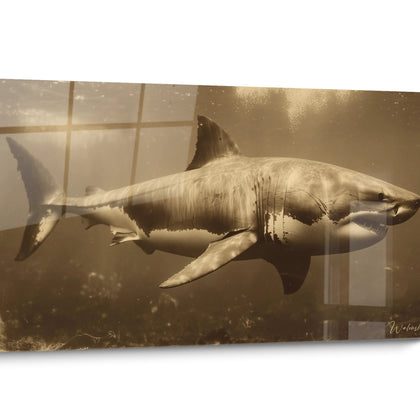 Vintage Lands of Yesterday Canvas8
artworks
Vintage Lands of Yesterday Canvas8
artworks


All about Primordial Lands Realistic Wall Art
- Painting Presentation Prehistoric Lands Realistic
- Authentic prehistoric dive
- Faithful antediluvian creatures
- Captivating geological atmospheres
Discover our exclusive collection of Prehistoric Lands realistic paintings, designed to transport your spaces into the fascinating universe of prehistoric eras. These large-format creations capture with striking precision the primary landscapes, antediluvian creatures, and volcanic environments that characterized our planet millions of years ago. Each scientifically informed composition reveals the anatomical details of dinosaurs, the texture of giant ferns, and the intensity of skies filled with volcanic ash. Perfect for educational spaces, scientific offices, or contemporary interiors seeking an exceptional temporal dimension, these monumental paintings create a visual window into the Jurassic, Cretaceous, and Triassic periods.
Paleontological reconstruction for contemporary spaces
A realistic Prehistoric Lands painting is distinguished by its documentary approach to prehistoric representation. Unlike abstract Prehistoric Lands paintings that stylize Mesozoic forms, these works prioritize the anatomical fidelity of extinct specimens and the meticulous reproduction of ancient biotopes.
How do paleontological details transform your professional environment?
Large-format compositions integrating reconstructions of Tyrannosaurus Rex hunting or Brachiosaurus in their marshy habitat create focal points of exceptional narrative intensity. The precisely rendered dermal scales, muscle structures based on recent osteological research, and postures consistent with current biomechanical discoveries confer scientific legitimacy to these wall representations. In architects' offices, geological research centers, or strategic thinking spaces, these windows into the Mesozoic stimulate evolutionary thinking and long-term perspective.
What prehistoric botanical elements enrich the visual credibility?
Primary vegetation is an essential temporal marker in any realistic Prehistoric Lands painting intended for large spaces. Reconstructions of arboreal ferns, primitive conifers, and giant cycads create visual layers that anchor the scenes in their precise geological context. Chromatic variations between the flora of the Lower Triassic and that of the Upper Cretaceous allow the period represented to be identified, transforming each work into a readable temporal document.
The geomorphological accuracy of antediluvian landscapes
The rock formations, alluvial plains, and volcanic ranges represented in these monumental compositions are based on contemporary stratigraphic data. Realistic Prehistoric Lands paintings for professional environments integrate reconstructions of reliefs based on plate tectonics as it was configured during Pangaea or Gondwana. This geological precision brings a subtle educational dimension, particularly relevant in innovation spaces where understanding long-term planetary cycles nourishes prospective thinking.
- Representations based on recent paleontological discoveries
- Dermal textures and plumage according to current scientific hypotheses
- Anatomical proportions consistent with skeletal reconstructions
- Climate environments faithful to sedimentary data
Prehistoric megafauna in scientific representation
Why prioritize documented behavioral scenes over static poses?
Large-scale, realistic Terres d'avant paintings gain narrative impact when capturing behavioral interactions deduced from fossil traces. A nesting scene of Maiasaura, a territorial confrontation between male Triceratops, or a migration of hadrosaurs across a Cretaceous plain create visual dynamics that maintain attention in circulation or waiting areas. These behavioral representations, based on the interpretation of fossil tracks and nesting sites discovered, add a layer of scientific authenticity appreciated in informal educational contexts.
The importance of comparative scales in monumental formats
A realistic Terres d'avant painting intended for large wall surfaces takes advantage of the gigantic proportions of the Mesozoic megafauna. The representation of an Argentinosaurus dominating the canopy or a Spinosaurus in a coastal zone allows for full exploitation of the available vertical dimensions in entrance halls, stairwells, or double-height spaces. These compositions with disproportionate scales create a sense of physical presence that transforms spatial perception, particularly effective in minimalist architectural environments where the artwork becomes the sole element of visual complexity.
Visible anatomical details even at a distance — cranial bone structures, specialized dental arrangements, locomotor adaptations — maintain interest during close observations. This double readability, at a distance for overall impact and up close for the discovery of details, characterizes the realistic Terres d'avant paintings designed for demanding professional spaces.
Which geological periods generate the most visual impact in large format?
The Upper Cretaceous offers the richest biodiversity for complex compositions, with its apex predator tyrannosaurs, gregarious hadrosaurs, and giant pterosaurs. The Middle Jurassic favors monumental sauropods in lagoon and humid forest environments. The Late Triassic presents transitional faunas with the first dinosauromorphs and the last large mammalian reptiles. Each period possesses a distinctive visual signature that allows for adaptation of the choice to the desired evolutionary message in the installation space.
- Hunting scenes based on fossil bite mark analyses
- Interspecific interactions deduced from taphonomic assemblages
- Aquatic environments with Mesozoic marine reptiles
- Representations of proto-birds with reconstructed plumage
Environmental contexts and prehistoric lights
The atmospheric conditions of prehistoric eras constitute a major distinctive element of realistic Terres d'avant paintings. Climatic reconstructions based on geochemical analyses reveal skies with specific hues — orange during periods of intense volcanism, saturated with water vapor during greenhouse phases, laden with particles during meteorite impacts. These non-contemporary lighting atmospheres create an immediately identifiable visual strangeness.
How do cataclysmic events enrich visual drama?
Large-format paintings integrating volcanic eruptions, coastal tsunamis, or giant dust storms exploit the catastrophic dimension that regularly punctuated the Mesozoic eras. These violent geological events, documented in sedimentary strata, add a narrative tension that energizes professional spaces. In sectors related to risk management, insurance, or strategic planning, these representations of uncontrollable planetary forces resonate with contemporary concerns about organizational resilience.
What prehistoric biomes are suitable for different types of interior spaces?
The Cretaceous coastal environments, with their mosasaurs and plesiosaurs, bring a soothing aquatic dimension suitable for relaxation or reflection spaces. The dense forests of the Carboniferous, although predating the age of dinosaurs, offer lush vegetation compositions for environments seeking organic abundance. The arid plains of the Triassic with their primitive archosaurs create refined mineral atmospheres compatible with contemporary minimalist architectures. This diversity of fossil ecosystems allows for precise adaptation of the choice of a realistic Terres d'avant painting to the specific character of the receiving space.
Reconstructions of transition zones — river deltas, inland lake shores, marshy forest edges — offer a particular ecological richness with the coexistence of aquatic and terrestrial fauna. These prehistoric ecotones generate visually complex compositions that support prolonged observation.
- Jurassic twilight skies with volcanic aerosols
- Nocturnal scenes with Mesozoic marine bioluminescence
- Representations of coastal areas with extreme tides
- Landscapes after a meteorite impact with atmospheric fallout
Is a realistic Terres d'avant painting suitable for medical or therapeutic environments?
Unlike abstract representations, precise paleontological reconstructions can generate a particularly effective contemplative fascination in pediatric waiting rooms, rehabilitation spaces, or specialized educational centers. The extreme temporal dimension — tens of millions of years — creates a soothing perspective on immediate concerns, while the captivating anatomical details maintain focused attention.
Do realistic Terres d'avant paintings require paleontological knowledge to be appreciated?
The immediate visual impact of monumental compositions representing prehistoric megafauna works independently of scientific knowledge. However, anatomical and environmental accuracy offers additional levels of reading for informed observers, creating a work with variable geometry that adapts to the level of expertise of each viewer. This universal accessibility combined with documentary depth makes these paintings relevant choices for diverse public spaces.
What prehistoric period should be chosen for a realistic Terres d'avant painting in a strategic meeting room?
Mass extinctions — particularly that of the Cretaceous-Paleogene boundary — offer powerful visual metaphors for systemic disruptions and the need for adaptation. Scenes depicting rapid diversification after a biological crisis illustrate evolutionary resilience. For decision-making environments, these moments of major geological transition resonate with issues of organizational transformation and disruptive innovation, creating a visually conceptually aligned backdrop for strategic discussions.
Further reading
Our articles on this topic
- Prehistoric lands realistic painting: the silent ally of the notary during the signing
- Realistic ancient landscape painting above a leather sofa: the prehistoric lands option
- Large realistic landscape painting of the terroir: give your wall an ancestral soul
- Colorful Prehistoric Land Painting: Setting the Scene for an Adventurer's Child Room
- Surrealist Paintings: A Visual Journey Between Dream and Reality
- How to Choose a Realistic Painting of Ancestral Landscapes
L'art qui suscite l'envie
Maison belge d'art mural grand format
14 jourspour changer d'avis*
Protection Walenskyincluse
Fabriquéen Italie
FormatXXL
Kit de fixationtoujours fourni
* Hors tableaux personnalisés et tailles personnalisées


