


Ancestral Lands Mosaic Wall Art
The Painting Terres d'avant Mosaïque transports you to the origins of humanity through a fragmented and authentic artistic vision. This collection celebrates civilisations primitives en mosaïque with compositions evoking cave paintings and ancestral symbols. Each work captures the essence of terres anciennes et art tribal in a refined contemporary style. Ideal for bringing a historical and mystical dimension to your interior, this collection sublimates the heritage of the first human cultures.
 Mosaic Abstract Woolly Mammoth Painting - Fragmented Prehistoric Giant - Woolly Mammoth Edition273,90 €
 Woolly Mammoth Patchwork Canvas - Colorful Geometric Art - Woolly Mammoth Edition273,90 €
 Woolly Mammoth Geometric Canvas - Prehistoric Mosaic - Woolly Mammoth Edition273,90 €
 Crocodile Digital Art Painting - Abstract Mosaic - Kaprosuchus Edition273,90 €
 Glyptodon Mosaic Wall Art - Prehistoric Creature in Relief - Glyptodon Edition273,90 €
 Glyptodon Colorful Stained Glass Wall Art - Natural Mosaic - Glyptodon Edition273,90 €
 Dunkleosteus terrificus Painting - Abyss Predator - Dunkleosteus Edition273,90 €
 Andrewsarchus Mosaic Painting - Mane of a Thousand Colors - Andrewsarchus Edition273,90 €
 Dinosaur Mosaic Canvas - Scutosaurus Geometric Art - Scutosaurus Edition273,90 €
 Dinosaur Scutosaurus Canvas - Colorful Floral Mosaic - Scutosaurus Edition273,90 €
 Triceratops Abstract Painting - Golden Mosaic - Dinosaur Edition228,90 €
Explore further
In Ancestral Lands Mosaic Wall Art
-
 Ancient Lands Canvas150
artworks
Ancient Lands Canvas150
artworks
-
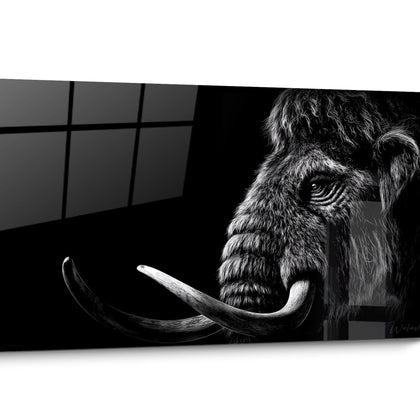 Ancestral Lands Black and White Wall Art7
artworks
Ancestral Lands Black and White Wall Art7
artworks
-
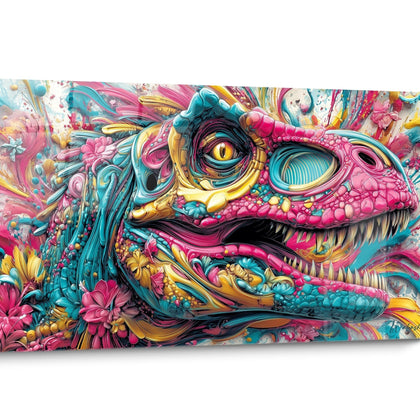 Ancient Lands Pop Art Canvas4
artworks
Ancient Lands Pop Art Canvas4
artworks
-
 Ancient Lands Golden Artwork18
artworks
Ancient Lands Golden Artwork18
artworks
-
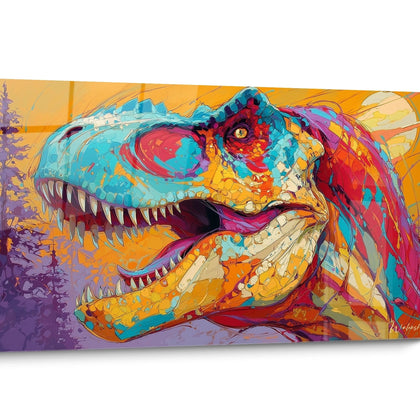 Primordial Lands Expressionist Artwork8
artworks
Primordial Lands Expressionist Artwork8
artworks
-
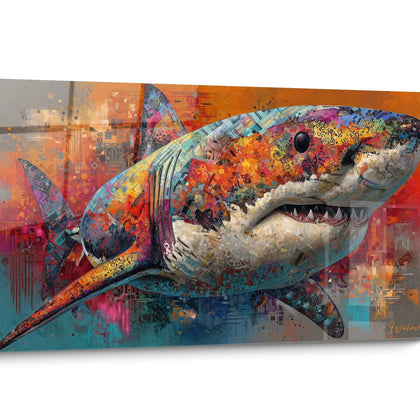 Ancient Lands Abstract Wall Art12
artworks
Ancient Lands Abstract Wall Art12
artworks
-
 Ancestral Lands Colorful Wall Art23
artworks
Ancestral Lands Colorful Wall Art23
artworks
-
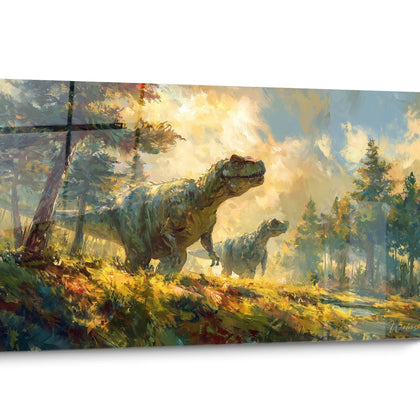 Primordial Lands Realistic Wall Art17
artworks
Primordial Lands Realistic Wall Art17
artworks
-
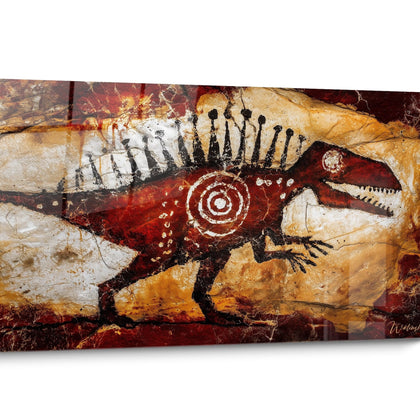 Prehistoric Rock Art Canvas - Ancient Lands7
artworks
Prehistoric Rock Art Canvas - Ancient Lands7
artworks
-
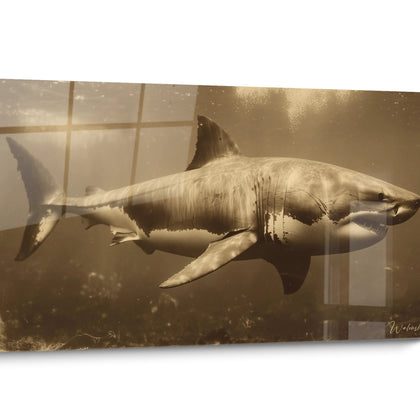 Vintage Lands of Yesterday Canvas8
artworks
Vintage Lands of Yesterday Canvas8
artworks


All about Ancestral Lands Mosaic Wall Art
- Presentation Painting Earths Before Mosaic
- Fragmented Prehistoric Aesthetics
- Monumental Paleontological Atmospheres
- Ancestral Tiled Composition
The Painting Earths Before Mosaic reinvents the representation of primitive geological eras through sophisticated visual fragmentation. This monumental work transforms prehistoric landscapes into a segmented composition where each tessera reveals a different time layer. The proposed XXL formats capture the immensity of Jurassic and Triassic environments according to an assembly logic that simultaneously evokes fragmented fossils and stratified geological maps. This segmented approach offers a multidimensional reading of ancestral territories, particularly sought after by collectors of contemporary paleoenvironmental representations and cultural spaces dedicated to natural sciences.
The Visual Architecture of Fragmented Primitive Landscapes
The Painting Earths adopts a pixelated construction that decomposes prehistoric panoramas into multiple chromatic facets. This deliberate segmentation visually reproduces the process of fragmentary fossilization, where each colored section evokes a distinct sedimentary layer. The imposing dimensions reveal this tessellated complexity with maximum precision, transforming each gaze into a stratigraphic exploration.
What symbolism does the mosaic fragmentation of ancestral environments convey?
The decomposition into tesserae visually translates the scientific reconstruction of extinct ecosystems. Each colored fragment symbolizes the partial discoveries that allow paleontologists to mentally reconstruct prehistoric biotopes. This visual metaphor resonates particularly in museum spaces, scientific libraries, and modern cabinets of curiosities where the quest for fragmentary knowledge meets contemporary aesthetics.
Chromatic segments of geological periods
The palettes used in these mosaic compositions exploit the ochre, terracotta, and gray tones characteristic of ancient rock formations. Each tessera carries a different saturation, creating discontinuous gradients that mimic the mineralogical variations of geological strata. This fragmented chromatic richness generates a novel perceptual depth, particularly valued on monumental formats exceeding two meters.
Integration into scientific and cultural spaces
These segmented representations of primordial lands find their optimal expression in the halls of paleontological research institutes, conference rooms dedicated to geosciences, and reception areas of natural history museums. The abstract dimension of some paintings Earths before perfectly complements this mosaic approach by offering more refined interpretations of the same temporal themes.
- Visual fragmentation reproducing paleontological reconstruction
- Tesserae with differentiated saturations evoking mineral strata
- XXL formats revealing segmented chromatic complexity
- Symbolism of fragmentary scientific knowledge
Sensory Immersion in Fragmented Prehistoric Biotopes
A Painting Earths before mosaic in a large format creates a unique immersive experience where the viewer mentally traverses the different geological eras. The visual segmentation imposes a particular reading rhythm, forcing the eye to successively scan each fragment to reconstruct the entire ancestral landscape. This programmed visual navigation transforms passive observation into active exploration.
How does tessellation influence the spatial perception of primitive environments?
The division into colored tiles generates a paradoxical depth where each fragment asserts its flatness while contributing to a global three-dimensional illusion. This visual tension evokes the rugged reliefs of Cretaceous volcanic formations or the stratified cliffs of the Carboniferous. Formats exceeding 150 centimeters amplify this perceptual effect, creating monumental windows onto vanished worlds.
Reconstructed tectonic atmospheres through fragmentation
The mosaic composition allows for the juxtaposition of different climatic atmospheres within the same representation: ochre desert areas, verdant marshes, post-eruptive cinder plains. This fragmented coexistence visually translates the rapid environmental upheavals that characterized geological transition periods. Contemporary architectural spaces with high ceilings particularly enhance these layered visual narratives.
Which residential spaces favor these segmented compositions?
Lofts with raw concrete walls, duplexes with double-height ceilings, and architect-designed residences utilizing mineral materials constitute the privileged environments. The fragmented visual texture naturally dialogues with discontinuous architectural surfaces: exposed brick, metal panels, exposed stone. This material convergence reinforces the overall decorative impact.
- Progressive visual navigation through colored tesserae
- Juxtaposition of contrasting prehistoric climatic atmospheres
- Material dialogue with contemporary industrial architectures
- Paradoxical depth combining flatness and three-dimensional illusion
The Compositional Technique of Ancestral Tessellated Representations
The creation of a mosaic land painting relies on a specific methodology of chromatic decomposition of prehistoric landscapes. Unlike continuous pictorial approaches, this technique deliberately segments the source image into distinct visual units, each carrying precise colorimetric information. The result produces a particular optical vibration where colors interact by contrast of proximity rather than by gradual fusion.
The optical effects generated by the juxtaposition of colored fragments
The adjacent arrangement of tesserae with differentiated tones activates phenomena of simultaneous contrast and partial optical mixing. At an appropriate distance, typically two to three meters for monumental formats, the brain partially reconstructs the overall image while retaining the perception of the fragmented structure. This perceptual duality confers a visual dynamism absent from uniform representations, particularly sought after in innovative professional spaces.
How to enhance the segmented aspect in wall compositions?
The optimal installation favors walls free from immediate visual competition, allowing the eye to embrace the entirety of the tessellated composition. Directional lighting accentuates the micro-reliefs between digital fragments, creating subtle cast shadows that reinforce the perception of depth. Spaces dedicated to reflection – private libraries, reading rooms, executive offices – particularly benefit from this visual complexity that accompanies prolonged concentration.
Decorative associations with natural mineral elements
The mosaic compositions of primitive landscapes harmoniously dialogue with collections of minerals, framed fossils, and geological specimens. This thematic convergence reinforces the narrative coherence of spaces dedicated to Earth sciences. Furniture with oxidized metal finishes, patinated copper lighting fixtures, and textiles with raw textures ideally complement this fragmented aesthetic universe.
Is the Terres d'avant mosaic painting suitable for themed commercial spaces?
Absolutely. Mineralogy shops, naturalist art galleries, paleontologically themed restaurants, and coworking spaces leveraging scientific imagery will find these segmented compositions a differentiating decorative element. The monumental format immediately captures attention while conveying an image of cultural expertise.
What tessellation density offers the best visual rendering on a large format?
For dimensions exceeding 120 centimeters, an average segmentation of 40 to 80 distinct fragments balances visual complexity and overall readability. Excessive tessellation would excessively fragment the reading, while insufficient division would lose the mosaic essence. This intermediate density allows for comfortable appreciation from various observation distances.
Do the prehistoric mosaic compositions integrate into contemporary minimalist interiors?
Paradoxically, yes. The geometric structure inherent in the tessellation harmonizes with the clean principles of contemporary design. The natural palette of these works – earth tones, ochres, mineral grays – complements monochromatic environments without creating a stylistic break. The contrast between the ancestral theme and the minimalist architecture generates an enriching aesthetic tension.
- Optimized tessellation density according to wall dimensions
- Partial optical blend generating visual dynamics
- Thematic convergence with mineral collections
- Installation favoring clear walls and directional lighting
Further reading
Our articles on this topic
- Composing a prehistoric mosaic wall in a contemporary living room
- Earthy mosaic painting with an animal motif: integrate it room by room into a bohemian decor
- Mediterranean mosaic painting for dining room: the complete guide
- Geometric mosaic painting: the decor trend redefining our interiors
- Neolithic Saharan Pastoral Art: Rock Paintings for Decoration
- Ochre and terracotta mosaic painting with prehistoric motifs for an adult bedroom with character
L'art qui suscite l'envie
Maison belge d'art mural grand format
14 jourspour changer d'avis*
Protection Walenskyincluse
Fabriquéen Italie
FormatXXL
Kit de fixationtoujours fourni
* Hors tableaux personnalisés et tailles personnalisées


