


Aloe vera Artwork
The Tableau Aloe vera bring together interpretations where the fleshy rosette of the plant becomes a pretext for all metamorphoses: starry night, hypnotic spiral, golden explosion or freshness dew. This Aloe vera collection captures what this succulent has most fascinating, its perfect geometry and silent energy, to make it a strong graphic presence on your walls, between vegetal relief and pictorial brilliance.
 Aloe vera painting in slate blue and gold with fringed tips - Relief padding - Aloe vera Edition273,90 €
 Aloe vera blue and orange painting with pearly dew - Morning awakening - Aloe vera Edition273,90 €
 Artwork Female Face Green and Gold Amidst Leaves - Secret Vegetal - Aloe vera Edition273,90 €
 Aloe vera Painting Turquoise and Pink Vibrant - Sweetness Under Armor - Aloe vera Edition273,90 €
 Golden Aloe Tableaux with Anthracite Leaves - Precious Botanical Radiance - Aloe vera Edition273,90 €
 Aloe Vera Turquoise and Spotted Black Artwork - Exotic Freshness - Aloe vera Edition273,90 €
 Giant Aloe vera Painting with Multicolor Dots - Playful Tropical Radiance - Aloe vera Edition273,90 €
 Aloe vera Painting with Green and Red Padded Leaves - Tropical Radiance - Aloe vera Edition273,90 €
 Golden and Green Splattered Aloe vera Painting - Textured Black Background - Aloe vera Edition273,90 €
 Aloe vera turquoise and violet painting with crystalline swirls - Bright sparks - Aloe vera Edition273,90 €
 Shimmering Midnight Blue and Gold Aloe Vera Artwork - Nocturnal Plant Radiance - Aloe vera Edition273,90 €
 Blue Night and Gold Cosmic Aloe vera Artwork - Cosmic Awakening - Aloe vera Edition273,90 €
 Woman Profile with Ochre and Navy Aloe - Silent Vegetation - Aloe vera Edition273,90 €
 Aloe Vera Turquoise and Violet Table with Luminous Bubbles - Glass Reflections - Aloe vera Edition273,90 €
 Aloe vera Painting with Red and Yellow Leaves - Desert Blaze - Aloe vera Edition273,90 €
 Golden Aloe vera Painting with Luminous Swirls - Botanical Radiance - Aloe vera Edition273,90 €
 Dark Green and White Leaf Painting with Stacked Segments - Pearled Drops on Pulp - Aloe vera Edition220,90 €
 Aloe Vera Leaf Painting with Green and Transparent Drops - Botanical Freshness - Aloe vera Edition220,90 €
 Dark Green Aloe vera Painting with White Thorns - Amber Bottle in Background - Aloe vera Edition220,90 €
 Aloe vera Green and Black Artwork on Pebble - Close-up Drops - Aloe vera Edition220,90 €
 Aloe Vera Painting - Spotted Green Aloe, Ice Cubes and Lemon - Suspended Freshness - Aloe vera Edition220,90 €
 Aloe vera Blue Night and Water Droplets Painting - Frozen Morning Dew - Aloe vera Edition220,90 €
 Black Aloe vera painting with silver speckles - Nocturnal Awakening - Aloe vera Edition220,90 €
 Emerald Green and Black Leaves Painting with Spherical Drops - Dew Drops - Aloe vera Edition220,90 €
In the same family
Also explore the theme Nature
-
 View all4980
artworks
View all4980
artworks
-
 Tree64
artworks
Tree64
artworks
-
 Tree of Life50
artworks
Tree of Life50
artworks
-
 Azalea106
artworks
Azalea106
artworks
-
 Bamboo241
artworks
Bamboo241
artworks
-
 Nature's Beauties372
artworks
Nature's Beauties372
artworks
-
 Cornflower133
artworks
Cornflower133
artworks
-
 Cactus81
artworks
Cactus81
artworks
-
 Camellia197
artworks
Camellia197
artworks
-
 Chrysanthemum225
artworks
Chrysanthemum225
artworks
-
 Poppy341
artworks
Poppy341
artworks
-
 Dahlia161
artworks
Dahlia161
artworks
-
 Eucalyptus119
artworks
Eucalyptus119
artworks
-
 Banana Leaf72
artworks
Banana Leaf72
artworks
-
 Golden Leaf2
artworks
Golden Leaf2
artworks
-
 Flower275
artworks
Flower275
artworks
-
 Iris Flower179
artworks
Iris Flower179
artworks
-
 Wildflowers5
artworks
Wildflowers5
artworks
-
 Pebbles7
artworks
Pebbles7
artworks
-
 Ginkgo71
artworks
Ginkgo71
artworks
-
 Glycine217
artworks
Glycine217
artworks
-
 Hydrangea140
artworks
Hydrangea140
artworks
-
 Garden18
artworks
Garden18
artworks
-
 Daffodil163
artworks
Daffodil163
artworks
-
 Lavender135
artworks
Lavender135
artworks
-
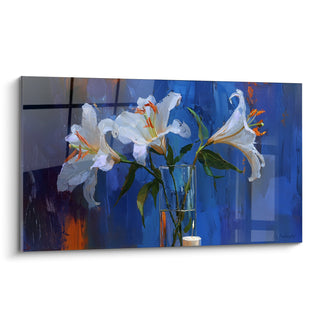 Lily135
artworks
Lily135
artworks
-
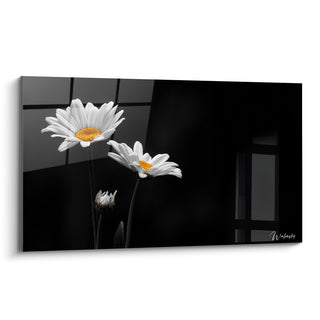 Daisy156
artworks
Daisy156
artworks
-
 Monstera8
artworks
Monstera8
artworks
-
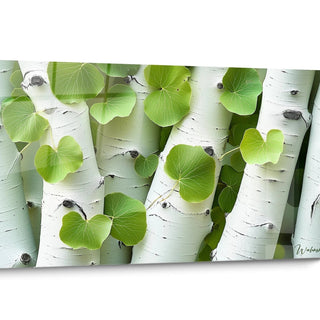 Other Nature80
artworks
Other Nature80
artworks
-
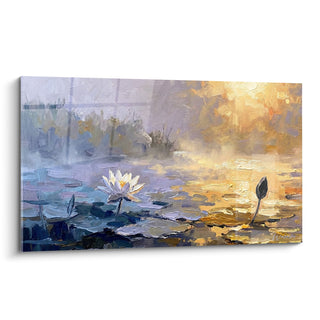 Water Lily105
artworks
Water Lily105
artworks
-
 Olivier321
artworks
Olivier321
artworks
-
 Orchid87
artworks
Orchid87
artworks
-
 Palm Tree375
artworks
Palm Tree375
artworks
-
 Peony168
artworks
Peony168
artworks
-
 Roses14
artworks
Roses14
artworks
-
 Terracotta436
artworks
Terracotta436
artworks
-
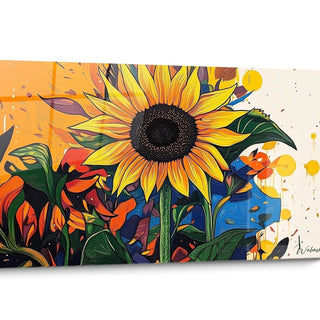 Sunflower152
artworks
Sunflower152
artworks
-
 Tulip542
artworks
Tulip542
artworks


All about Aloe vera Artwork
- Overview of Aloe vera Artwork
- Memory of a Desert Plant
- Vegetation as Raw Material
- Colors from Elsewhere
The Aloe vera Artwork collection brings together works that all start from the same point: the fleshy rosette of this succulent plant, its pointed leaves arranged in a perfect fan. But each artwork draws a different interpretation from it, between nocturnal softness, splash of color or raw minerality, as if the aloe vera lent itself to an infinity of variations without ever losing its recognizable silhouette.
What unites these canvases is the way they transform a familiar plant, almost banal on a windowsill, into a powerful graphic motif. The sharp points become a visual rhythm, the veins become golden or silver lines, and the natural symmetry of the plant gives each composition an almost hypnotic force, whatever the chosen color treatment.
This collection is for those who love plants without wanting a simple decorative floral motif: here, the aloe vera is treated as a living architecture, sometimes mineral and dark, sometimes vibrant and chromatic. You will find both contemplative atmospheres and more expressive, almost abstract pieces, all built around the same plant with sculpture-like features.
Hanging a painting from this collection is inviting a form of structured calm into your home, that of a plant that grows slowly, closes in on itself at night and spirals towards the light. It is also choosing a motif that crosses cultures and uses for centuries, without ever losing its visual presence.
What the Aloe vera Artwork owe to the arid origins of the plant
Why do these leaves seem to be filled with light rather than water?
In most of the Aloe vera Artwork, the leaves appear to radiate from within, as if traversed by a hidden light source beneath the waxy epidermis. This is not a coincidence: aloe vera is native to the arid regions of the Arabian Peninsula and Northeast Africa, where the light strikes directly on thick leaves designed to store water and resist the sun. This ability to store clarity rather than simply reflect it explains this almost translucent effect that is found, transposed into painting, in the games of transparency and brilliance that traverse these compositions.
Where do these almost crystalline reflections that run through the leaves come from?
The Aloe vera Artwork often play on a surface that seems varnished, almost mineral, far from the matte texture of an ordinary leaf. This impression is due to the natural waxy cuticle of the plant, developed to limit evaporation under a dry and scorching climate. This protective film catches the light like polished glass, which artists translate into metallic highlights or almost photographic touches. The result gives these canvases a dimension that is almost tactile, where one can guess under the paint the greasy and smooth material of the original plant.
Why does the plant seem to always close towards its center?
A trait recurs in these works: the composition almost always organizes itself into a fan tightened towards a luminous or golden heart. This structure recalls the growth pattern specific to aloe vera, a plant that economizes every resource by concentrating its sap and energy towards its young central leaves, the most tender. This survival reflex, inherited from hostile climatic conditions, visually gives a sensation of convergence and protection that is found, once painted, in the almost magnetic balance of these paintings towards their focal point.
What the texture of the Aloe vera Artwork reveals about the nature of the plant
Why do some leaves appear almost sculpted rather than painted?
Some Aloe vera Artwork adopt a thick, almost relief treatment, where the paint seems to have been applied in successive impastos. This pictorial approach responds to a precise botanical reality: the leaf of aloe vera is fleshy, filled with gel, with a thickness that strongly contrasts with the fineness of a classic leaf. Restituting this density requires a visual material almost sculptural, made of layers and reliefs, which gives these works a presence almost three-dimensional, very different from the lightness expected of a simple floral motif.
What creates this contrast between sharp edges and a tender heart?
On these canvases, the tips of the leaves are often rendered with almost graphic precision, while the center of the plant softens into gentler gradients. This contrast faithfully follows the actual structure of the aloe vera, whose marginal spines serve to deter predators while the heart, younger and more fragile, concentrates the gelatinous substance sought after for its traditional uses. This duality between defense and inner softness gives the compositions a visual tension that avoids uniformity and permanently captures the eye once hung.
Why do these artworks seem to capture a palpable humidity?
Some Aloe vera Tableaux incorporate droplets or reflections that evoke a fresh dew on the leaves. This effect directly refers to the plant's function, capable of retaining moisture in its internal tissues long after the rain, unlike most plants in arid climates. This rare ability, almost a visible water reserve, is translated into painting with suspended touches of light, which add a feeling of freshness and life to compositions that are otherwise very structured and graphic.
What the unexpected palettes of Aloe vera Tableaux reveal about the plant
Why do some Aloe vera Tableaux shift towards gold and midnight blue?
Far from the expected green, several compositions transform the aloe vera into an almost celestial motif, all in deep blue and golden highlights. This chromatic choice draws on an ancient symbol: in several Mediterranean and North African traditions, aloe vera was associated with protection and healing, almost a sacred plant kept near dwellings. Dressing the plant in nocturnal and precious hues extends this idea of hidden value, and transforms a commonplace plant into an almost ceremonial object once hung on the wall.
Where does this explosion of pink and yellow come from on a plant that is otherwise so understated?
Some Aloe vera Tableaux radically depart from the natural green to plunge into fuchsia, orange, or solar hues. This chromatic freedom responds to a well-identified logic in contemporary painting: to reinvent a recognized botanical subject to take it out of its soothing context and give it an almost festive charge. By disrupting the color of a plant associated with calm and care, these works create a voluntary visual shock, which attracts the eye and is particularly suitable for interiors seeking a lively note rather than a simple classic plant harmony.
Why do black and deep green dominate so many of these compositions?
A large proportion of Aloe vera Tableaux choose a dark, almost nocturnal background to make the dense green of the leaves stand out. This contrast is explained by the very nature of the plant, which often grows in rocky and arid soils where the shadows accentuate its relief. Reproducing this play of light and shadow allows artists to restore the natural depth of the foliage, while creating a more subdued and mineral atmosphere, conducive to rooms where a strong but never strident plant presence is sought.
FAQ about aloe vera tableaus
Why is aloe vera returning so much in painting compared to other succulents?
Its rosette silhouette, pointed leaves, and almost perfect symmetry make it a naturally photogenic graphic motif, more readable than a bushy cactus or an irregular succulent. This clear structure lends itself easily to various interpretations, from mineral realism to colorful abstraction, which explains the visual richness of Aloe vera Tableaux compared to other plant subjects.
Are these paintings suitable for someone who has never had plants at home?
Yes, precisely because they require no real maintenance while evoking the same feeling of structured calm as a living plant. For those who like the idea of plants without wanting to take care of them, an Aloe vera Tableau brings this organic and soothing presence, without the constraints of watering or light exposure.
Why choose an Aloe vera Tableau rather than a classic flower canvas?
Aloe vera offers a more assertive and less sweet geometry than a traditional floral bouquet: its clean lines, points, and symmetry more closely resemble architecture than ornamentation. It is suitable for those seeking a plant artwork with a more graphic, almost sculptural character, rather than a purely decorative and expected floral composition.


