


Snow Leopard Wall Art
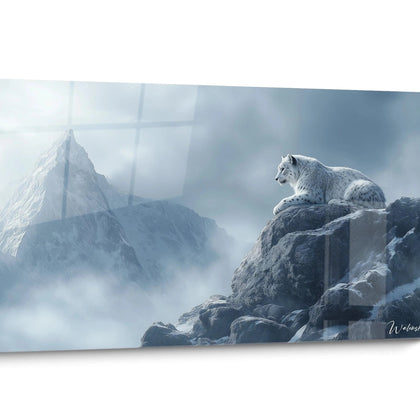
The Snow Leopard painting celebrates the mysterious grace of this legendary feline of the mountains. This artistic collection captures the wild elegance and silent power of the most elusive of the big cats. Each work reveals the hypnotic beauty of this rare animal, evolving in its Himalayan habitat. Perfect for lovers of high-end animal decoration and contemporary feline art, this collection brings a touch of nobility and character to your interior.
 Snow Leopard Shadow of the Peaks Canvas - Snow Leopard Edition242,90 €
 Snow Leopard Wall Art - Snow Leopard Edition228,90 €
 Snow Leopard Altitude Gaze Painting - snow leopard edition228,90 €
 Snow Leopard Jade Gaze Wall Art - Snow Leopard Edition228,90 €
 Snow Panther Painting Huntress of the Snow - Snow Panther Edition228,90 €
 Snow Leopard Wall Art N°3 - Animals Edition273,90 €
 Snow Leopard Wall Art No.2 - Animals Edition273,90 €
 Snow Leopard Wall Art No.1 - Animals Edition273,90 €
Explore further
In Snow Leopard Wall Art
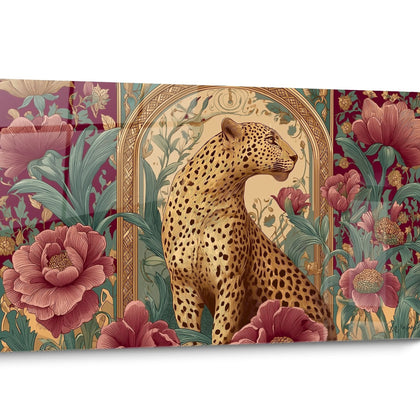
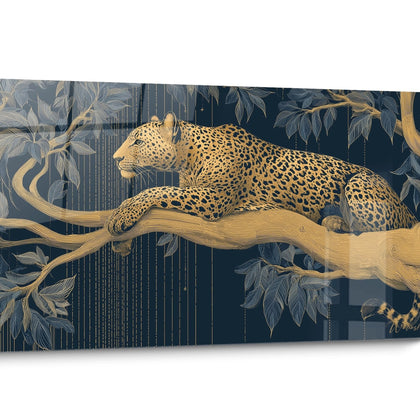
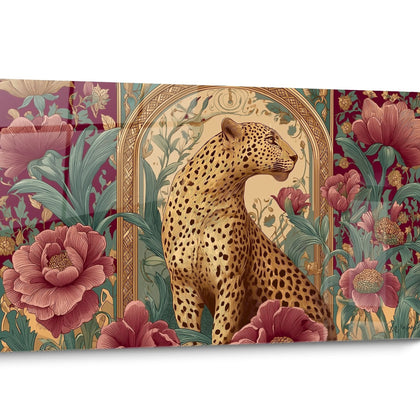
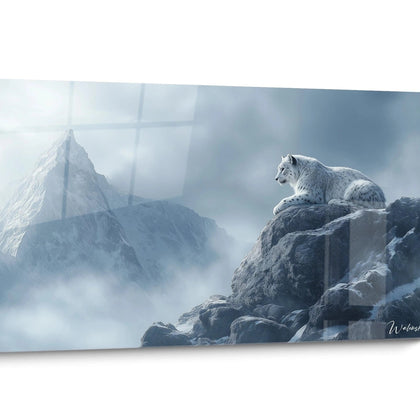
All about Snow Leopard Wall Art
- Presentation Snow Leopard Painting
- Majesty and feline elegance
- Contemporary mountain atmosphere
- Symbolism and exceptional decoration
The Snow Leopard Painting embodies the perfect meeting between the wild beauty of the Himalayas and contemporary decorative sophistication. This artistic representation captures the very essence of the most elusive feline of the mountain ranges, transforming your space into a gallery celebrating exceptional alpine fauna. With its imposing dimensions, this wall decor enhances large architectural volumes by bringing a touch of glacial mystery and arctic elegance to your interior.
The embodiment of alpine feline power in your decor
The painting snow leopard stands out for its unique ability to capture the fierce grace of this mythical predator of extreme altitudes. Unlike traditional depictions of felines, this wall art captures the intensity of the piercing gaze characteristic of the Panthera uncia species, with its mesmerizing glacier-green irises and thick fur speckled with silver-gray rosettes. The composition highlights the exceptional morphological adaptations of the feline: its disproportionately long tail serving as a counterweight in dizzying rocky passages, its wide paws functioning as natural snowshoes on powdery snow.
Why choose a Snow Leopard representation for an imposing entrance hall?
Installing a Snow Leopard painting in reception areas generates an immediate visual impact thanks to the striking contrast between the animal's light coat and the dark mountain backgrounds typical of its habitat. This solitary predator, undisputed master of territories located between 3000 and 5000 meters altitude, instantly communicates a sense of wild luxury and territorial exclusivity. The large dimensions of the format reveal every anatomical detail: the ultra-developed sensory whiskers, the powerful musculature under the thick fur, the plant pads covered with insulating fur.
The alliance between arctic aesthetics and high-end decoration
This wall representation naturally integrates into interiors that prioritize cool and mineral color palettes. The Snow Leopard painting works remarkably well with raw materials such as polished concrete, slate or granite, creating visual dialogues between the animal's natural environment and contemporary architecture. The combination with brushed metallic decorative elements or merino wool textiles reinforces the refined mountain atmosphere. For those who also appreciate bold geometric lines, exploring an Art Deco Snow Leopard Painting can offer an interesting stylized alternative, although less specifically alpine.
How to enhance the unique characteristics of the snow leopard?
Directed lighting is a determining element to magnify the subtle nuances of the white-gray fur. A variable temperature lighting system allows you to accentuate either the warm golden tones present in the winter undercoat or the bluish reflections of the outer layer. Monumental formats require sufficient viewing distance: allow a minimum of 3.5 meters to fully appreciate the overall composition while allowing close observation of fascinating details such as the rounded ears reducing heat loss or the wide truffle optimizing air warming.
Recreate the atmosphere of the Himalayan peaks in living spaces
Acquiring a painting of a Snow Leopard dramatically transforms the atmosphere of a living room or office, evoking the dizzying landscapes of Central Asia. This specific iconography transports the mind to the remote valleys of Ladakh, the wind-swept Tibetan plateaus, or the snow-capped Pamir peaks. The feline, represented in its natural habitat—between rocky outcrops and snowdrifts—generates a particular visual dynamic, with asymmetrical compositions mimicking the abrupt escarpments characteristic of its hunting territory, which sometimes extends over 200 square kilometers.
What arrangements optimize the impact of a Snow Leopard painting?
The strategic positioning of this wall representation requires consideration of the natural lines of force of the space. In a cathedral-style living room with double height, the Snow Leopard painting is best installed slightly off-center rather than perfectly centered, reproducing the asymmetry of natural mountain compositions. Association with specific plant elements reinforces authenticity: prioritize plants adapted to harsh climates such as dwarf junipers in bonsai, saxifrage, or alpine rhododendrons that share the snow leopard's ecosystem.
How to create decorative coherence around the mountain theme?
Successful integration involves building a global decorative universe evoking extreme altitude. Natural fiber insulating textiles—cashmere, yak, alpaca—create tactile correspondences with the animal's dense fur. Accessories made of slate, smoked quartz, or rock crystal establish visual bridges with the geological environment of the Himalayan massifs. A restricted palette dominated by anthracite gray, off-whites, and beige sand amplifies mineral sobriety while allowing the feline's gaze to become the sole intense colored focal point.
The seasonal evolution of visual perception
Natural light substantially alters the appearance of the Snow Leopard painting according to the seasons. During winter, when external brightness becomes flat and cold, the silvery tones of the fur resonate with the environment, creating a visual continuity between the interior and the snowy landscape. In summer, the contrast intensifies: the wall decoration becomes a refreshing window to the high altitudes while the heat reigns outside. This perceptual variability transforms the work into a dynamic decorative element, never identical to itself depending on the time and weather.
The symbolic dimension of the ghost of the mountains in decoration
The painting of a Snow Leopard carries a profound symbolic charge rooted in the cultural traditions of Central Asia. Nicknamed "ghost of the mountains" due to its exceptional camouflage and legendary discretion, this feline embodies simultaneously resilience to extreme conditions, assumed solitude, and absolute territorial sovereignty. In Himalayan mythologies, it represents the guardian of sacred passages between the terrestrial world and elevated spiritual dimensions. Integrating this iconography into a professional space subtly communicates values of excellence, strategic adaptation, and discreet but undeniable leadership.
Why do Snow Leopards fascinate animal art collectors?
This species occupies a particular place in the collective imagination due to its status as a mythical animal rarely observed. With only 4,000 to 6,500 individuals surviving in the wild in thirteen Asian countries, the Snow Leopard crystallizes the contemporary issues of preserving fragile high-altitude ecosystems. Owning a painting celebrating this feline is a testament to a refined ecological sensitivity and an appreciation for threatened biodiversity. Imposing formats allow for a faithful reproduction of the adult animal's actual proportions, measuring up to 1.3 meters long, creating an almost tangible presence in the space.
How does the Snow Leopard painting influence the atmosphere of an executive's office?
In strategic decision-making spaces, this representation conveys powerful subliminal messages: adaptability to hostile environments, patience in the pursuit of goals, formidable effectiveness despite economy of means. The mountain feline mainly hunts at twilight and dawn, periods of limited visibility—a visual metaphor for the ability to operate effectively in contexts of uncertainty. Its hunting technique, consisting of leaping distances of up to 15 meters from elevated positions, evokes bold decision-making from a dominant position.
The investment in a distinctive and timeless iconography
Unlike ephemeral decorative trends, the Snow Leopard painting is part of a lasting aesthetic that transcends fleeting fashions. The animal itself, perfectly adapted to its environment for millennia, symbolizes durability and constant relevance in the face of change. This timeless iconography ensures that the decorative investment retains its aesthetic relevance for decades. Discerning collectors favor themes rooted in zoological and geographical reality rather than conceptual abstractions whose appeal may quickly fade.
FAQ: Frequently Asked Questions about the Snow Leopard painting
What type of interior does a Snow Leopard painting best integrate into?
This wall décor thrives particularly in contemporary architectures with generous volumes, sensitively renovated mountain chalets, and industrial lofts seeking a contrast between urban brutality and preserved wild beauty. High ceilings allow for the valorization of monumental formats capturing the scale of high-altitude landscapes.
How to maintain the visual brilliance of a Snow Leopard representation?
Optimal preservation involves avoiding direct exposure to ultraviolet rays, which gradually alter the subtle nuances of the gray-white fur. Positioning perpendicular to windows, combined with museum-quality LED lighting with a full spectrum and low UV emission, maintains the vibrancy of the contrasts between the dark rosettes and the light background characteristic of the coat.
What dimension should be chosen to maximize the impact of a Snow Leopard painting?
Formats exceeding 120 centimeters in width allow for the restoration of the impressive scale of the animal in its natural habitat, with enough detail to distinguish the fascinating anatomical adaptations. For professional spaces such as company reception halls, dimensions of 150 to 200 centimeters create a memorable monumental presence, immediately establishing a distinctive visual identity.
L'art qui suscite l'envie
Maison belge d'art mural grand format
14 jourspour changer d'avis*
Protection Walenskyincluse
Fabriquéen Italie
FormatXXL
Kit de fixationtoujours fourni
* Hors tableaux personnalisés et tailles personnalisées


