


Realistic Panther Wall Art
The Realistic Panther Painting captures the power and elegance of the most mysterious of felines. This collection celebrates wild beauty through striking representations of truth. Each black panther painting realistic reveals the intensity of the gaze, the perfect musculature and feline grace in every detail. Ideal for creating a sophisticated and bold atmosphere, this ultra-realistic feline painting transforms your space into a contemporary art gallery, celebrating animal majesty with exceptional photographic rendering.
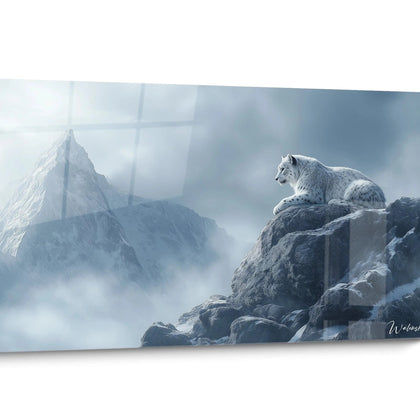
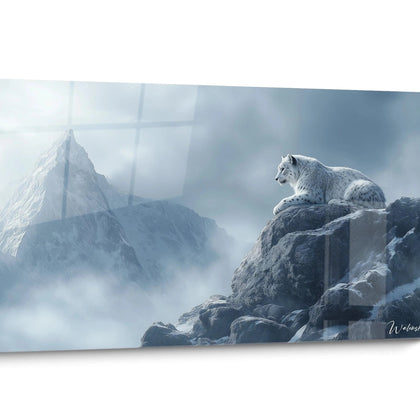
 Snow Leopard Shadow of the Peaks Canvas - Snow Leopard Edition232,90 €
 Snow Leopard Wall Art - Snow Leopard Edition213,90 €
 Snow Leopard Altitude Gaze Painting - snow leopard edition213,90 €
 Snow Leopard Jade Gaze Wall Art - Snow Leopard Edition213,90 €
 Snow Panther Painting Huntress of the Snow - Snow Panther Edition213,90 €
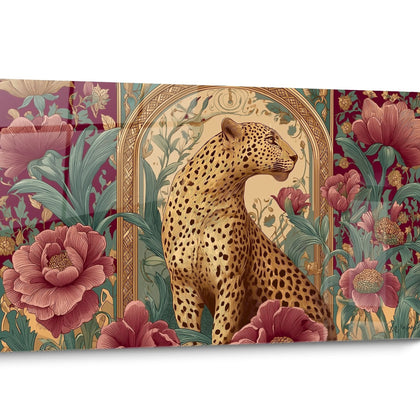
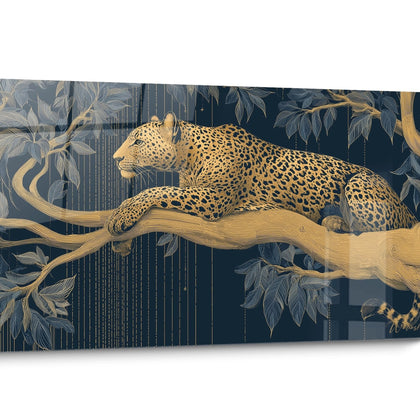
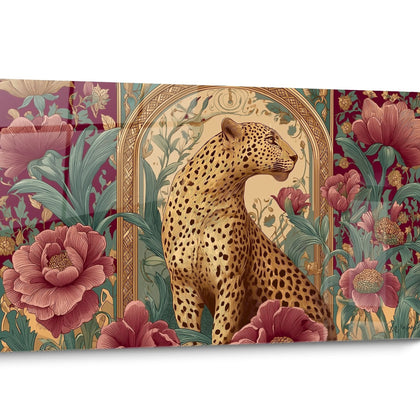
 Leopard Painting Feline Rest - Panther Edition213,90 €
 Snow Leopard Wall Art N°3 - Animals Edition233,90 €
 Snow Leopard Wall Art No.2 - Animals Edition233,90 €
 Snow Leopard Wall Art No.1 - Animals Edition233,90 €
Explore further
In Realistic Panther Wall Art
All about Realistic Panther Wall Art
- Realistic Panther Painting Presentation
- Atmosphere and Ambiance
- Feline Symbolism
- Decorative Integration
A realistic panther painting instantly transforms your space into a wild sanctuary where raw power meets feline elegance. This artistic representation captures the fascinating anatomy of the predator with photographic precision that reveals every muscular nuance, every reflection in the amber gaze, every texture of the dark coat. These large-format creations become the absolute focal point of contemporary décor that refuses banality and embraces natural boldness.
The Visual Impact of Animal Realism in Your Interior
A realistic panther painting establishes an almost palpable presence in your domestic environment. Unlike stylized interpretations or more geometric representations of Art Deco panther paintings, hyperrealistic rendering creates a visceral connection with the animal. The visitor who crosses the threshold immediately feels this magnetic tension, this silent dialogue with the wild cat's gaze.
How does photographic realism transform your spatial perception?
The imposing formats of a realistic panther painting generate three-dimensional depth that visually pushes back walls. The precision of anatomical details — delicately rendered whiskers, salient musculature beneath lustrous fur, the intensity of the fixed gaze — engages a cognitive process different from that sparked by abstraction. Your brain processes this image as a living presence, activating neural circuits linked to natural vigilance toward large predators.
The authenticity of textures in contemporary décor
Realistic representation excels in rendering textural contrasts: the deep velvet of the black coat that absorbs light, zones of shine on the moist muzzle, the subtle granularity of paw pads. These micro-textural variations capture ambient light dynamically, creating an evolving visual spectacle according to the time of day. A realistic black panther painting functions as a natural ambiance modulator, progressively revealing its hidden nuances.
Why choose a naturalistic representation rather than a stylized one?
Realistic aesthetics answer a quest for authenticity in our interiors saturated with digital artifice. It satisfies our biophilic desire for connection with wild nature while maintaining domestic comfort. Animal décor collectors seek this immersive window into preserved habitats, this tangible evocation of nocturnal Africa or Asian tropical forests. The photographic rendering of a large-format realistic panther becomes a sensory portal to distant ecosystems.
The Symbolic Power of the Realistic Predator in Décor
Incorporating a realistic panther painting in your executive office or living room visually translates precise psychological values. The solitary feline embodies territorial mastery, strategic patience, and the ability to strike at the opportune moment — qualities prized in competitive professional environments. This animal iconography functions as a daily motivational anchor.
What message does the predator's fixed gaze convey?
The amber or jade eyes of a close-up realistic panther establish perpetual visual contact with the room's occupant. This immutable gaze symbolizes permanent vigilance, constant environmental analysis — characteristics of leaders and entrepreneurs. In a work space, this silent presence reminds us of the importance of observation before action, of feline concentration before energy deployment.
The feline's posture and its psychological influence
A realistic panther painting showing the animal in a stalking position — body coiled, muscles taut, tail undulating slightly — transmits fascinating potential energy. This visible yet contained tension inspires methodical preparation rather than impulsive reaction. Conversely, a completely resting panther, lounging on a branch, evokes the absolute confidence of the food chain's apex, this serenity of the dominant who has nothing to prove.
How does the black coat influence nocturnal atmosphere?
The melanic fur of a realistic black panther absorbs and reflects light simultaneously in a unique way. Bluish or silvered reflections that emerge from convex zones create sophisticated play of shadow and light, particularly suited to masculine interiors or mysterious ambiances. This restricted yet rich chromatic palette naturally harmonizes with raw materials: polished concrete, brushed steel, patinated leather. A realistic panther in motion painting captures this incomparable leonine fluidity.
The predator's solitude as decorative metaphor
Unlike representations of packs or social groups, the realistic panther appears systematically alone — an artistic choice that resonates with personal spaces dedicated to reflection. This solitude is not isolation but sovereignty, complete self-sufficiency. For industrial lofts or private libraries, this iconography reinforces the introspective and exclusive character of the space.
Optimize the Installation of Your Naturalistic Feline Representation
Installing a realistic panther painting requires strategic consideration different from abstract works. The directionality of the animal's gaze, the orientation of its body, the light source represented in the scene create visual vectors that must harmonize with the circulation and functions of your space.
Where should you position a hyperrealistic animal representation?
The monumental formats of a realistic hunting panther painting require uncluttered walls capable of accommodating their narrative intensity. A wall section facing the main entrance transforms every arrival into an immersive experience — your gaze immediately crosses that of the predator. In a living room, prioritize the wall opposite windows to avoid parasitic reflections that would break the illusion of depth. Transitional spaces — wide hallways, staircase landings — particularly benefit from these representations that transform a banal passage into a private gallery.
What complementary decorative elements should you prioritize?
Realistic aesthetics call for authentic material associations rather than synthetic ones. Solid wood furniture with visible grain naturally dialogues with the organic representation of the feline. Textiles with pronounced textures — raw linen, corduroy, grained leather — tactilely respond to the visual richness of the fur. Avoid decorative clutter: a large-format realistic panther painting already constitutes a complete statement that requires visual breathing rather than accessory accumulation.
How does natural light interact with photographic rendering?
Daily solar migration progressively reveals different detail layers in your realistic panther muzzle painting. Raking morning light accentuates subtle reliefs and micro-contrasts, while zenith light slightly flattens the image. Golden evening light enriches warm tones — amber of the eyes, reddish reflections in black fur. This natural variation keeps the work constantly alive, never identical, mimicking the unpredictability of wild animals themselves.
Human scale and monumental animal presence
A realistic panther painting exceeding 150 cm in dimension creates a fascinating hierarchical inversion: the human becomes observed rather than observer. This sensation of proportional submersion generates beneficial humility before nature, a reminder of our original vulnerability. For professional reception spaces, this subtle yet powerful psychological effect unconsciously influences power dynamics during negotiations or meetings.
Is a realistic panther painting suitable for family spaces with children?
Absolutely. Realistic representations stimulate children's naturalistic curiosity and encourage educational conversations about biodiversity, species conservation, and respect for ecosystems. Realism also demystifies irrational fears by presenting the animal in its natural majesty rather than as a caricatured threat.
What is the impact difference between a realistic black panther and a spotted panther?
The melanic black panther generates a more mysterious and nocturnal atmosphere, ideal for sophisticated interiors with dark tones. The golden-spotted leopard brings luminosity and chromatic complexity, harmonizing better with light palettes and Mediterranean or colonial ambiances. Both variants share symbolic power but diverge in visual temperament.
How do you maintain the chromatic vibrancy of a realistic panther painting?
Preserve the intensity of deep blacks and the clarity of light zones by avoiding direct exposure to UV rays that progressively degrade pigments. Monthly gentle dusting with antistatic microfiber suffices. Temperature stability (avoid variations exceeding 10°C) and hygrometric stability (40-60% relative humidity) guarantee the structural longevity of your decorative investment.


