


Art Deco Panther Wall Art
Our Painting panther Art Déco collection celebrates the timeless elegance of the 1920s-1930s design. Each artwork captures the feline grace and sophistication characteristic of this iconic artistic period. These creations combine bold geometric lines with majestic representations of the black feline, a symbol of power and refinement. Perfect for a vintage Art Déco wall decoration, these compositions bring a touch of glamour to your interior. Ideal for lovers of retro luxury animal art, they transform living room, office or bedroom into a refined space.
 Leopard Wall Art - Golden Elegance in the Jungle - Art Deco Edition273,90 €
 Leopard Painting - Feline Art Deco - Art Deco Edition273,90 €
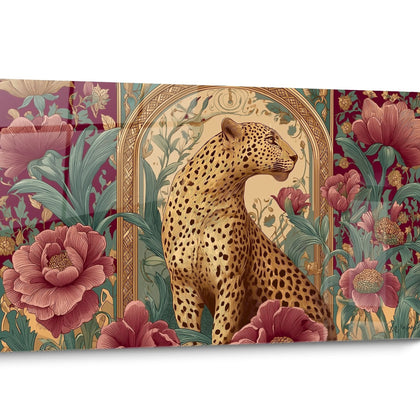
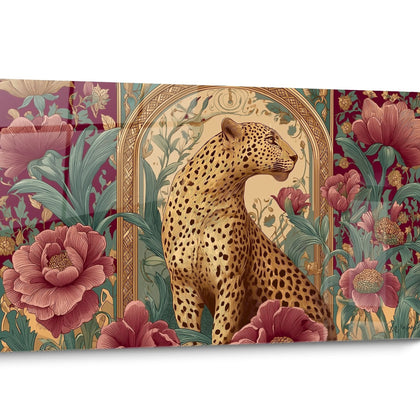
 Art Deco Leopard Painting - Majestic Feline with Peonies - Art Deco Edition273,90 €
 Art Deco Leopard Painting - Golden Elegance - Art Deco Edition273,90 €
 Leopard Painting - Floral Majesty - Art Deco Edition273,90 €
 Leopards Flowers Canvas - Feline Duo Art Deco - Art Deco Edition273,90 €
 Leopard Painting - Golden Majesty - Art Deco Edition228,90 €
Explore further
In Art Deco Panther Wall Art
All about Art Deco Panther Wall Art
- Art Deco Panther Wall Art Presentation
- Symbolism and Feline Elegance 1920s-1930s
- Integration into Contemporary Interiors
- Premium Materials and Finishes
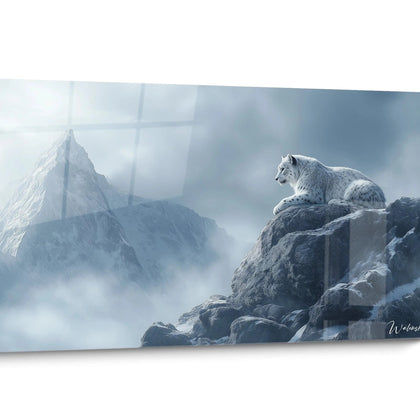
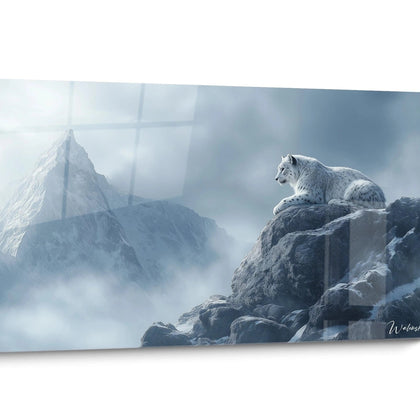
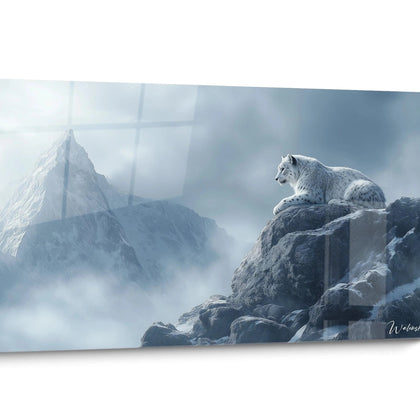
The Art Deco panther wall art embodies the very essence of luxury from the roaring twenties and the geometric modernity that defined the interwar period. This mural representation combines the raw power of the feline with the graphic aesthetic characteristic of the Art Deco movement, creating a sophisticated artwork intended for refined spaces. With its monumental formats adapted to large wall surfaces, this type of decoration meets the expectations of elegance connoisseurs seeking to recreate the glamorous atmosphere of 1920s-1930s Parisian salons. Feline iconography, popularized by creators of this era such as Erte and Tamara de Lempicka, makes the Art Deco panther painting a prized aesthetic investment for high-end interiors, spacious entrance halls, and reception areas requiring a strong visual statement. For those seeking a more minimalist aesthetic while preserving feline majesty, the snow panther wall art offers a pared-down alternative with a softer color palette.
The Artistic Heritage of the Wild Feline in Art Deco Aesthetics
The Art Deco panther wall art draws directly from the exotic imagination that captivated creators in the 1920s, a period when the Orient and Africa inspired Paris's greatest designers. The panther then became a symbol of mysterious femininity, controlled sensuality, and quiet power, perfectly embodying the aspirations of a society undergoing profound transformation. Contemporary mural representations perpetuate this heritage by adopting characteristic visual codes: sharp geometric lines, rigorous symmetry, contrasting color palettes dominated by deep blacks, luxurious golds, and metallic silvers.
What Cultural Influences Explain the Popularity of Art Deco Panthers?
The enthusiasm for 1920s-style panther wall art finds its roots in several cultural phenomena of the era. The 1931 Colonial Exposition, aristocratic safaris in Africa, and the influence of Russian ballets propelled feline motifs to the status of modernity icons. Jeanne Toussaint, art director at Cartier nicknamed "The Panther," helped establish this feline as the ultimate emblem of refined luxury. Current mural creations draw inspiration from this tradition by depicting the animal in statuesque poses, often associated with stylized architectural elements, chevron geometric patterns, or mirror compositions evoking the Chrysler Building's elevator doors.
Typical Visual Composition of Art Deco Feline Representations
An authentic Art Deco panther wall art distinguishes itself through rigorous graphic construction where the feline occupies a centralized or symmetrical position. Backgrounds favor radiating fan patterns, parallel ascending lines evoking New York skyscrapers, or interlocking geometric forms reminiscent of stylized stained glass. The representation of the coat itself often adopts simplified graphic treatment, with color blocks delimited by marked contours rather than realistic rendering, thus accentuating the decorative and architectural dimension of the work. This formal approach transforms the artwork into a true structuring element of space rather than mere wall decoration.
The Golden and Deep Black Chromatic Association
The palette of Art Deco-inspired panther wall art prioritizes dramatic contrasts between the intense black of the coat and metallic accents in gold, bronze, or copper that underscore the contours, eyes, or background. This combination evokes simultaneously the luxury of transatlantic steamships, the elegance of Parisian theaters, and the sophistication of bourgeois apartments. Contemporary versions sometimes incorporate touches of emerald, midnight blue, or deep burgundy to enrich the composition while respecting the characteristic sobriety of the movement. These chromatic choices allow the artwork to dialogue harmoniously with interiors featuring dark woodwork, Macassar ebony furniture, or veined black marble coverings.
Enhancing Interior Architecture with a Monumental Feline Artwork
The integration of a large-scale Art Deco panther wall art requires precise architectural consideration, as its visual impact depends as much on its placement as on its aesthetic quality. The imposing formats of these mural creations naturally destine them for generous spaces: entrance halls with double height, reception salons with affirmed volumes, private libraries with refined woodwork, or master bedrooms with comfortable proportions. The artwork functions ideally as a unique focal point, immediately capturing attention upon entering and visually structuring the entire space around its powerful graphic presence.
How to Strategically Position an Art Deco Feline Wall Art in a Living Room?
In a contemporary-classic style living room, the 1930s-style panther decoration wall art finds its ideal place above a marble fireplace or facing the main entrance, creating an immediate visual surprise effect. The artwork should have substantial breathing space: a minimum of 40 centimeters of lateral and vertical clearance allows the composition to fully express itself without being overwhelmed by surrounding furniture. Association with deep velvet armchairs, a glass coffee table with chrome legs, or sculptural floor lamps reinforces stylistic coherence and creates harmonious dialogue between the mural art and spatial arrangement.
The Psychological Impact of the Feline Gaze in Private Spaces
The presence of an Art Deco panther wall art radically transforms a room's atmosphere by introducing controlled visual tension. The intense gaze of the feline, often depicted frontally or three-quarter view in the Art Deco aesthetic, establishes direct connection with the observer and confers theatrical dimension to the space. This stylized animal presence simultaneously communicates mastered power, mysterious elegance, and silent vigilance—qualities particularly sought in executive offices, high-end consulting practices, or negotiation spaces where the visual environment participates in establishing symbolic authority.
Decorative Associations to Amplify the Roaring Twenties Aesthetic
To create a cohesive environment around the Art Deco atmosphere panther wall art, prioritize decorative elements from the same era: mirrors with geometric gilded framing, consoles in black lacquered wood, lighting fixtures in frosted glass and bronze, carpets with stylized geometric motifs. Adding architectural plants such as Kentia palms or dracaena marginata in enameled ceramic cachepots reinforces the exotic dimension dear to 1920s creators. Textiles should prioritize noble materials such as silk velvet, duchess satin, or brocade with discrete geometric motifs, thus creating a luxurious setting that magnifies the visual impact of the central feline artwork.
Excellence of Materials and Contemporary Production Techniques
An authentic superior-quality Art Deco panther wall art distinguishes itself through exceptional materials and production techniques guaranteeing durability comparable to period works. High-end contemporary mural creations use giclée printing processes on pretreated rigid supports, ensuring perfect dimensional stability even in monumental formats exceeding two meters in width. This technology allows exceptional fidelity in reproducing the subtle nuances of gold-bronze gradations characteristic of Art Deco style, while preserving the intense depth of blacks that structure the composition.
Rigid Supports for Architectural Formats
Unlike standard reproductions, a luxury Art Deco panther wall art intended for discerning interiors prioritizes composite aluminum or UV-treated dibond supports. These materials offer several decisive advantages: perfect planarity eliminating any deformation risk, exceptional moisture resistance crucial for installations in entrance halls or climate-controlled spaces, and relative lightness facilitating secure wall installation despite imposing dimensions. The support surface receives specific background treatment optimizing ink adhesion and guaranteeing chromatic longevity over several decades, thus preserving the initial aesthetic investment.
Premium Metallic Finishes and Texture Effects
The most refined versions of Art Deco panther wall art incorporate special finishes transcending simple flat printing. Selective application of textured varnishes creates subtle reliefs imitating coat texture or accentuating the composition's gilded elements. Certain high-end productions even incorporate genuine metal foils applied manually to accent zones, faithfully reproducing the artisanal techniques of the 1920s. These artisanal interventions transform the artwork into a unique piece whose surface captures and reflects light dynamically, creating a visual spectacle that evolves according to time and viewing angle.
What Mounting Systems Guarantee Security for a Monumental Artwork?
Installation of large-format Art Deco panther wall art requires a professional mounting system adapted to the work's weight and dimensions. Concealed aluminum rail fixtures ensure optimal load distribution across multiple wall anchor points, eliminating any fall risk even on reinforced drywall partitions. These systems also allow micrometric adjustment of levelness and facilitate maintenance or relocation operations without damaging walls. For installations in public or commercial spaces, integrated theft-prevention devices can be specified, combining material security and aesthetic discretion.
Frequently Asked Questions about Art Deco Panther Wall Art
Is Art Deco Panther Wall Art Suitable for Contemporary Minimalist Interiors?
Absolutely, the contrast between Art Deco's geometric rigor and minimalist simplicity creates sophisticated visual tension. The feline artwork provides the organic and symbolic dimension often lacking in overly pared-down interiors, while respecting their formal discipline through its structured composition and restricted palette.
What Viewing Distance Should Be Planned to Fully Appreciate Large-Scale Art Deco Panther Wall Art?
For artwork exceeding 150 centimeters in width, plan a minimum viewing distance equivalent to 1.5 times its width, approximately 2.5 to 3 meters. This distance allows embracing the composition as a whole while perceiving the graphic details that enrich Art Deco style. More restricted spaces require proportionally reduced formats.
How to Maintain Art Deco Panther Wall Art to Preserve Its Metallic Brilliance?
Simple monthly dusting with a dry microfiber cloth suffices for most contemporary finishes. Absolutely avoid liquid cleaning products that could alter protective varnishes or tarnish metallic accents. For works with applied gold foils, annual professional maintenance may be recommended to restore original brilliance without risking damage to these delicate elements.


