





Portrait Painting for Law Office
The Painting for law firm Portrait embodies the nobility and authority of the legal profession. This collection features portraits of prestigious lawyers and iconic figures of law, creating a solemn and refined atmosphere. Each artwork evokes the judicial history and prestige of courts with a sophisticated professional legal decoration . Ideal for law firms, notarial offices and demanding legal spaces.
 Feminine Essence Wall Art - Sensual Abstract Edition273,90 €
 Vintage Brilliance Canvas - Abstract Pop Art Edition273,90 €
 Inner Bloom Wall Art - Abstract Face Edition273,90 €
 Two Faces Wall Art - Abstract Surrealism Edition273,90 €
 Soul Radiance Canvas - Contemporary Abstract Painting Edition273,90 €
 Woman with Sunflowers Painting - Abstract Fauvism Edition273,90 €
 Stealthy Spirit Canvas - Artistic Abstract Edition273,90 €
 Touch of Darkness Artwork - Abstract Face Edition273,90 €
 Linear Softness Painting - Abstract Face Edition273,90 €
 Abstract Essence Wall Art - Abstract Cubism Edition273,90 €
Explore further
In Portrait Painting for Law Office
-
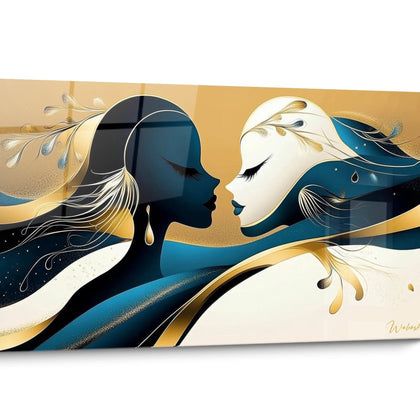 Wall Art for Law Office820
artworks
Wall Art for Law Office820
artworks
-
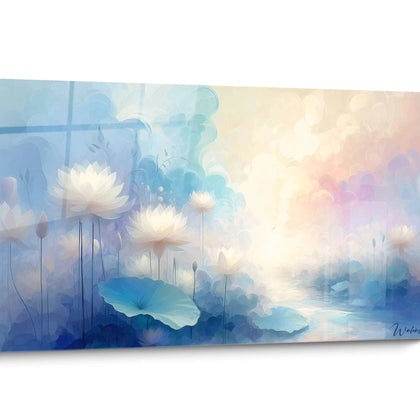 Abstract Art for Lawyer's Office | Professional Wall Art24
artworks
Abstract Art for Lawyer's Office | Professional Wall Art24
artworks
-
 Geometric Wall Art for Law Office24
artworks
Geometric Wall Art for Law Office24
artworks
-
 Golden Lawyer Office Wall Art24
artworks
Golden Lawyer Office Wall Art24
artworks
-
 Blue Legal Office Wall Art24
artworks
Blue Legal Office Wall Art24
artworks
-
 Wall Art for Orange Law Office24
artworks
Wall Art for Orange Law Office24
artworks
-
 Multicolor Artwork for Law Office24
artworks
Multicolor Artwork for Law Office24
artworks
-
 Expressionist Law Office Wall Art20
artworks
Expressionist Law Office Wall Art20
artworks
-
 Minimalist Wall Art for Law Office17
artworks
Minimalist Wall Art for Law Office17
artworks
-
 Wall Art for Law Office Music11
artworks
Wall Art for Law Office Music11
artworks
-
 Futuristic Law Office Wall Art7
artworks
Futuristic Law Office Wall Art7
artworks
-
 Spiral Wall Art for Law Office5
artworks
Spiral Wall Art for Law Office5
artworks


All about Portrait Painting for Law Office
- Law Office Portrait Wall Art Presentation
- Legal Portraits
- Professional Symbolism
- Selection and Spatial Positioning
Furnishing a law office requires decoration that inspires trust and credibility. A portrait wall art for law office brings the solemn and professional dimension essential to legal spaces. These figurative representations embody the values of rigor, expertise, and tradition that clients seek when entering a law office. Beyond their decorative function, these works immediately establish an atmosphere of seriousness and moral authority.
The visual impact of portraits in the legal environment
In the world of law, portrait wall art for a law office is much more than a simple aesthetic element. It materializes the intellectual heritage and historical continuity of the legal profession. Representations of emblematic legal figures, historical magistrates, or judicial personalities bring immediate legitimacy to the consultation space.
Which portrait styles work best in legal spaces?
Vertical format portraits naturally establish themselves in law offices thanks to their ability to structure spaces. Classic representations in black and white convey elegant sobriety that harmonizes with the traditional furniture of law offices. Monumental formats, adapted to large wall surfaces in waiting areas, create visual anchor points that capture attention without distraction.
The balance between tradition and modernity in portrait selection
Some offices opt for contemporary portraits reinterpreting classical codes. These creations combine the dignity of traditional portraiture with an updated graphic approach. This visual strategy simultaneously communicates respect for legal fundamentals and adaptation to contemporary legal challenges. To vary the atmosphere, some professionals combine these figurative portraits with an abstract wall art for law office in adjacent spaces, creating a harmonious transition between different functional zones.
The psychology of portraiture in the client-lawyer relationship
The presence of portraits in a law office activates specific psychological mechanisms. These human representations generate an emotional connection while maintaining the necessary professional distance. They humanize the legal environment without compromising its institutional authority, creating a subtle balance between accessibility and expertise.
The symbolic dimension of portraiture in legal practice
Portrait wall art for a law office conveys essential implicit messages for building professional image. These works function as status markers, signaling membership in a prestigious intellectual community. In reception areas, they mentally prepare the client for the exchange that will follow, establishing the parameters of a relationship based on trust and competence.
How do portraits reinforce office identity?
The choice of portraits reflects the office's core values and specialization. An office focused on constitutional law may favor representations of historical legislators, while a criminal law specialist opts for emblematic figures of justice. This strategic selection immediately communicates the office's positioning and areas of excellence.
Legal iconography and its established visual codes
Legal portraits are part of a codified iconography that clients intuitively recognize. Posture, direct gaze, expression of thoughtful gravity constitute recurring visual elements that activate mental associations with judicial authority. These aesthetic conventions are not arbitrary: they result from cultural sedimentation that associates certain representations with legal competence.
Portraiture as a vector of professional continuity
In multigenerational offices, portraits of founders or senior partners create visual continuity that reassures clients about the institution's permanence. These portrait galleries transform the professional space into a place of memory, where the office's history is inscribed. They materialize the transmission of legal knowledge and the accumulation of experience that characterizes established structures.
Selection strategies and spatial integration of legal portraits
Acquiring portrait wall art for a law office requires careful reflection on the architectural environment and the flow of views. Reception spaces favor imposing formats that are progressively discovered upon entry, while private offices welcome more intimate works that accompany reflection. The spatial distribution of portraits structures the visitor's journey and hierarchizes spaces according to their function.
Which dimensions to prioritize based on spatial configurations?
Reception walls, often open and well-lit, are suited to monumental vertical formats exceeding 150 centimeters in height. These dimensions create immediate visual presence that sets the tone upon arrival. In connecting corridors, series of medium-sized portraits generate visual rhythm that naturally guides toward consultation spaces. Individual offices benefit from intermediate formats that don't overwhelm the work space.
The chromatic articulation between portraits and professional environment
Portraits in gray tones integrate harmoniously into legal interiors dominated by dark wood and leather. This restricted palette avoids chromatic distraction while providing visual depth. Some contemporary offices dare portraits with subtle colored backgrounds that create controlled visual accents without compromising the dignity of the whole. The goal remains to reinforce aesthetic coherence rather than create stylistic breaks.
Portrait lighting as an element of professional atmosphere
Legal portraits benefit from directed lighting that accentuates their presence without creating annoying reflections. Adjustable spotlights positioned at 30 degrees create optimal modeling to reveal the nuances of representations. This lighting transforms works into focal points that structure space visually and guide attention toward strategic areas of the office.
Why choose a portrait wall art rather than photography for a law office?
Portrait painting possesses an artistic and timeless dimension that photography does not systematically achieve. It transcends photographic instantaneity to create an idealized representation that conveys permanent values. This quality perfectly corresponds to the image of permanent authority that legal professionals seek in their work environment.
Can classical and contemporary works be mixed in the same office?
Absolutely, provided a spatial distribution logic is respected. Classical portraits occupy formal reception spaces, while contemporary interpretations find their place in collaborative work areas or relaxation spaces. This stylistic diversification testifies to intellectual openness while maintaining the visual codes expected in strategic locations.
What is the lifespan of quality law office portrait wall art?
Large formats created on durable supports retain their visual impact for several decades without significant alteration. This longevity constitutes a profitable investment for offices that consider their decoration as a structural element of their professional identity. Material quality ensures these works traverse aesthetic evolutions without losing their symbolic relevance.
Further reading
Our articles on this topic
- Classic or Contemporary Figurative Artwork: Which Style for a Century-Old Notary's Office?
- How to Choose an Artwork That Reflects the Integrity Values of a Notary’s Office?
- How to Choose a Wall Art Piece That Reflects the Values of Your Notary Office?
- How to Choose Artwork That Inspires Trust in Notary Clients?


