



Painting Saint-Tropez
Between sun-drenched quays and moving silhouettes, the Painting Saint-Tropez collection captures the soul of a Mediterranean port where the gesture of fishermen crosses the tranquility of a contemplative moment. These canvases play on anthracite ink washes and bursts of vibrant red, carried by the technique of free watercolor which lets the paper breathe. Each Saint-Tropez painting tells a fragment of port life, between silent labor and morning serenity, for those who want to hang a little bit of the Mediterranean in their home.
 Tableau Pêcheur démêlant ses filets au quai - Aube sur le quai - Edition Port de Saint-Tropez273,90 €
 Tableau Voiliers dorés amarrés au clocher ocre - Quiétude portuaire - Edition Port de Saint-Tropez273,90 €
 Tableau Yachts violets et façades dorées - Rêverie côtière - Edition Port de Saint-Tropez273,90 €
 Tableau Yacht rouge et noir aux façades ocre - Éclaboussure marine - Edition Port de Saint-Tropez228,90 €
 Tableau Barques colorées aux façades ocre et rose - Éveil du littoral - Edition Port de Saint-Tropez228,90 €
 Tableau Clocher ocre et voiliers blancs amarrés - Douceur méditerranéenne - Edition Port de Saint-Tropez228,90 €
 Tableau Port noir et blanc silhouette assise - Contemplation du port - Edition Saint-Tropez242,90 €
 Tableau Barque rouge aux silhouettes noires portuaires - Labeur du matin - Edition Saint-Tropez242,90 €
 Tableau Port silhouette noire et blanche assise - Instant suspendu - Edition Saint-Tropez273,90 €
 Tableau Barque rouge et silhouettes anthracite sur un quai - Effort du matin - Edition Saint-Tropez273,90 €
In the same family
Also explore the theme Around the World
-
 View all3979
artworks
View all3979
artworks
-
 Alsace32
artworks
Alsace32
artworks
-
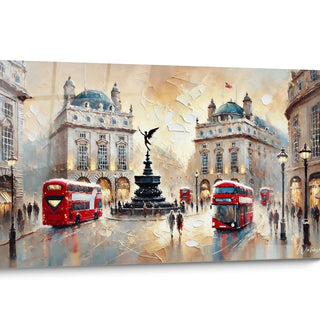 England6
artworks
England6
artworks
-
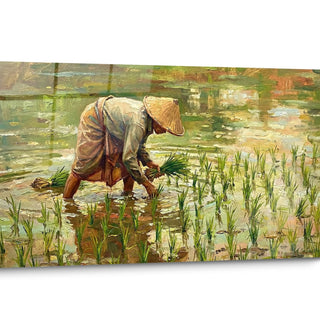 Bali38
artworks
Bali38
artworks
-
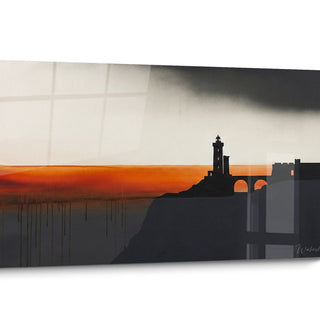 Brittany32
artworks
Brittany32
artworks
-
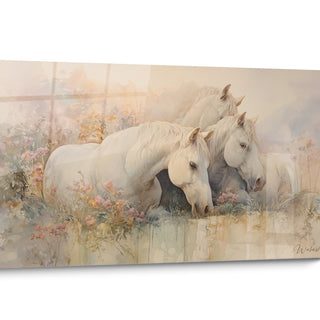 Camargue34
artworks
Camargue34
artworks
-
 Capbreton20
artworks
Capbreton20
artworks
-
 World Map6
artworks
World Map6
artworks
-
 Corsica26
artworks
Corsica26
artworks
-
 Côte d'Azur19
artworks
Côte d'Azur19
artworks
-
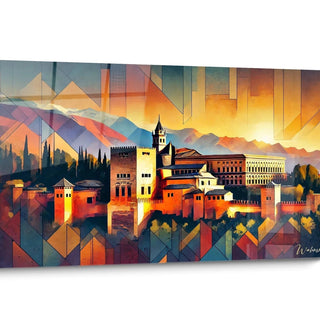 Spain66
artworks
Spain66
artworks
-
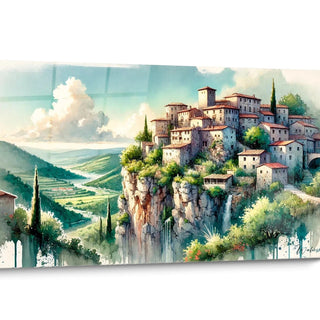 France2932
artworks
France2932
artworks
-
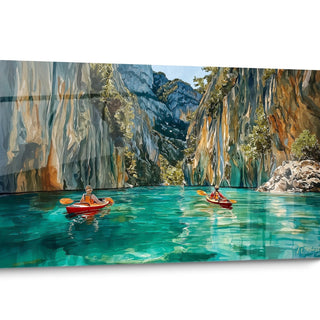 Verdon Gorges14
artworks
Verdon Gorges14
artworks
-
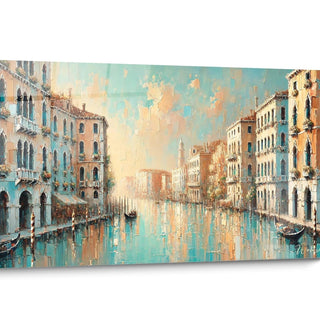 Italy8
artworks
Italy8
artworks
-
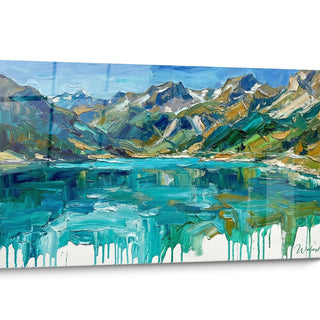 Savoy18
artworks
Savoy18
artworks
-
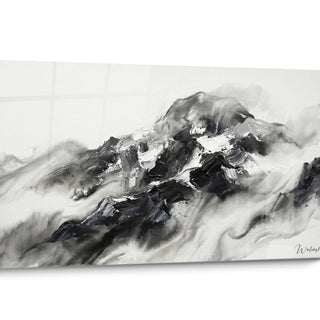 Mont Blanc15
artworks
Mont Blanc15
artworks
-
 The Alps21
artworks
The Alps21
artworks
-
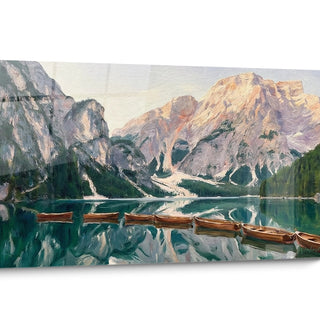 The Dolomites24
artworks
The Dolomites24
artworks
-
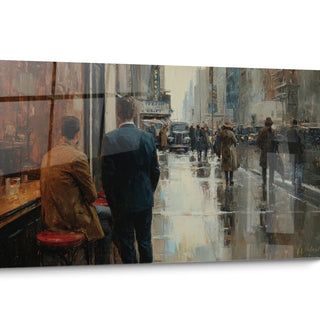 New York125
artworks
New York125
artworks
-
 Normandy32
artworks
Normandy32
artworks
-
 Paris32
artworks
Paris32
artworks
-
 Basque Country5
artworks
Basque Country5
artworks
-
 Provence24
artworks
Provence24
artworks
-
 Pyrenees20
artworks
Pyrenees20
artworks
-
 Vosges21
artworks
Vosges21
artworks
All about Painting Saint-Tropez
- Presentation Saint-Tropez Painting
- The Persistence of Red
- Facades and White Light
- Turning Away, an Invitation
The Saint-Tropez Painting collection brings together port scenes where the movement of daily work blends with the stillness of contemplation. We find anthracite silhouettes, sometimes in full effort around a red boat, sometimes frozen facing the horizon, in a graphic treatment close to washes and ink. These paintings never show Saint-Tropez as a sunny postcard, but as a place of gestures and silences, captured in a white and diffuse light.
What unites these works is a common visual vocabulary: the contrast between dark figures and ocher or cream facades, splashes of ink that animate the sky, and this red boat that returns as a chromatic leitmotif. The free watercolor technique, where the white paper remains largely visible, gives each Saint-Tropez painting a particular breath, far from the usual saturation of Mediterranean scenes.
This collection is for those who seek an evocation of the South without falling into the colorful cliché: an interior that favors graphic sobriety, shades of gray and black accentuated by touches of red, will find in these paintings a rare balance between Mediterranean authenticity and pictorial refinement. Lovers of lively port scenes, where the human element remains discreet but central, will find an atmosphere that is both raw and soothing.
Hanging a Saint-Tropez painting is inviting a fragment of this legendary port into your home as it still exists early in the morning, before the tourist bustle: a place of work and silence, captured in a style that prefers suggestion to demonstration.
Why does red dominate these Saint-Tropez painting scenes?
Where does this red come from that splashes the quay?
On these paintings, the bright red of the hull contrasts with the neutral tones of the quay and facades, creating an immediate visual tension. This choice is not arbitrary: the traditional fishing boats of the Var coast often sported bright colors to remain visible from the open sea, a practice that has been passed down through generations of sailors. In a Saint-Tropez painting, this shade becomes the anchor of the gaze, the one that structures the entire composition and recalls that this village was first and foremost a fishing port before becoming a resort town.
What do the dark splashes in the sky tell us?
These projected ink touches, almost uncontrolled, evoke the wind and salty air that constantly sweep the Provençal quays. They introduce a grainy texture that breaks the sharpness of the drawing and recalls the constant presence of the marine elements. This pictorial treatment, inherited from free watercolor, transforms a frozen scene into a living moment, as if the air itself were imprinted on the paper. Hung on the wall, this contained energy gives the room a discreet movement, far from the static image often attributed to port scenes.
Why this contrast between dark silhouettes and light background?
The choice of figures treated in anthracite flats on a broken white background creates an immediate, almost theatrical, reading of the scene. This economy of means recalls the ancient engravings representing Mediterranean ports, where the human element was reduced to a shadow against the immensity of the backdrop. In a Saint-Tropez painting, this faceless silhouette invites each person to project their own presence into the scene, rather than observing a specific character. It is this absence of detail that makes the whole universal and timeless.
What the ocher buildings reveal in a Saint-Tropez Painting
Why do these facades seem almost erased?
The ocher and beige buildings, with dark shutters and wrought iron balconies, appear in the background with a deliberately softened precision. This typical architecture of coastal villages in Provence, where stone blends with colored plaster, serves here as a backdrop rather than a main subject. The blur chosen for these facades in a Saint-Tropez painting reinforces the depth of the scene and leaves all the space in the foreground, where the action or contemplation takes place.
Where does this diffused light bathing the quays come from?
The marked, shadowless whiteness that dominates these compositions evokes Mediterranean mornings, when the sun has not yet hardened the contrasts. This particular light, characteristic of the hours preceding the tourist rush, gives each scene a suspended, almost silent atmosphere. It explains why these artworks seem to capture a bygone time, that of a village still turned towards the sea and work rather than summer tourism.
What do the terracotta red awnings of the storefronts say?
These darker red touches, almost brick-like, which crown the old storefronts, anchor the scene in a precise Mediterranean identity, different from the blue one would associate with other coastal ports. They recall the terraces and cafes that traditionally line the Provençal quays, places of passage and meeting. This hue, echoed with the red of the boat, creates a chromatic continuity that unifies the entire composition without ever falling into excessive decoration.
Why do the figures in a Saint-Tropez painting turn their backs to the viewer?
The silhouette observing the boats without ever turning around establishes a deliberate distance between the artwork and the person viewing it. This compositional choice, inherited from a pictorial tradition where the character becomes a witness rather than the object of the painting, invites you to feel the scene rather than analyze it. In a Saint-Tropez painting, this back figure acts as a discreet guide: it indicates where to look without imposing a specific emotion, leaving each person free to project their own relationship with the passage of time.
Why this panoramic rather than close-up framing?
The elongated format that follows the line of the quays and moored boats reproduces the physical sensation of sweeping the horizon with the eye, as one would do while walking along a port. This compositional choice is not neutral: it transforms the artwork into an open window rather than a frozen portrait, and allows the eye to circulate between the boats, facades and the human figure. Hung in a living room, this horizontal format visually widens the space and prolongs the feeling of openness towards the sea.
What does the absence of color in some of these scenes tell us?
When black and white replace the vibrant red, the scene changes register: it moves from the narrative of a collective effort to that of an intimate and silent moment. This chromatic sobriety, close to ink washes, recalls the old black and white photographs of Mediterranean ports, before the era of color, when these places were still documented in gray tones. Such a choice gives the scene a gentle gravity, a way of suggesting that some moments deserve to be seen without artifice or superfluous ornamentation.
FAQ about Saint-Tropez paintings
Why does red appear so often in Saint-Tropez paintings rather than another dominant color?
Red recalls the traditional hulls of Var fishing boats, chosen for their visibility from the sea. This vibrant hue deliberately contrasts with the ochre facades and white sky, creating an immediate focal point. It anchors each scene in a precise maritime reality rather than a generic tourist image of the village.
Are these port scenes suitable for a room already rich in vibrant colors?
Yes, because the palette remains controlled: red appears only in scattered touches on a largely white or anthracite background. This chromatic economy allows these artworks to dialogue with already present shades without overloading the space, unlike more saturated Mediterranean scenes that would impose their own dominant palette.
Why prefer a silent port scene to a more lively view of Saint-Tropez?
These compositions show a lesser-known face of the village, that of working mornings before the summer rush. They are suitable for those seeking an authentic and poised evocation rather than a festive or glamorous image, often associated with this name. It is a choice for those who appreciate restraint more than demonstration.
What is the meaning of the absence of color in some of these scenes?
When black and white replace the vibrant red, the scene changes register: it moves from the narrative of a collective effort to that of an intimate and silent moment. This chromatic sobriety, close to ink washes, recalls the old black and white photographs of Mediterranean ports, before the era of color, when these places were still documented in gray tones. Such a choice gives the scene a gentle gravity, a way of suggesting that some moments deserve to be seen without artifice or superfluous ornamentation.
L'art qui suscite l'envie
Maison belge d'art mural grand format
14 jourspour changer d'avis*
Protection Walenskyincluse
Fabriquéen Italie
FormatXXL
Kit de fixationtoujours fourni
* Hors tableaux personnalisés et tailles personnalisées


