




Mudi Dog Black and White Wall Art
The Painting dog Mudi Black and White celebrates the timeless elegance of this little-known Hungarian breed. This collection captures the liveliness and intelligence of the Mudi through refined graphic compositions. Perfect for lovers of wall decoration shepherd dog, each creation highlights the athletic silhouette and piercing gaze characteristic of this versatile breed. Ideal for creating a contemporary atmosphere, this Mudi painting artistic brings character and refinement to your living space.
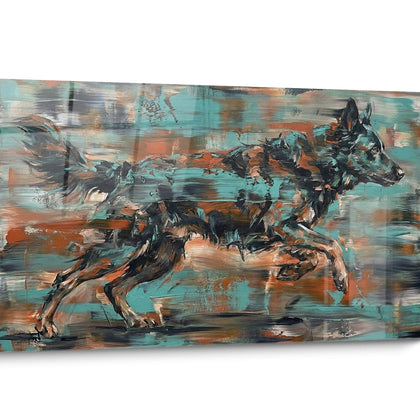
 White Mudi running within a herd of silhouettes - Herding instinct - Mudi Edition242,90 €
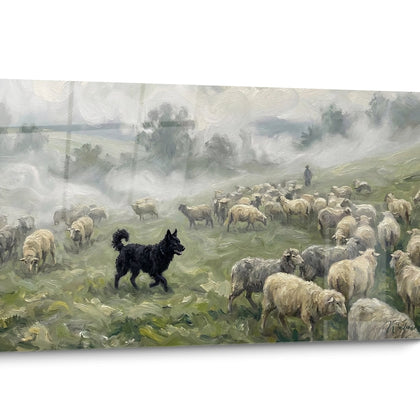
 Black Mudi Working with White Sheep in Misty Pasture - Watchful Shepherd - Mudi Edition273,90 €
 Black Curly Mudi Painting with Puppy in Lit Sheepfold - Maternal Instinct - Mudi Edition273,90 €
 Black Mudi Contemplating a Dew-Beaded Spider Web - Moment of Grace - Mudi Edition273,90 €
 Dark Coated Dog Wet Fur Portrait Atmospheric Wall Art - Intense Gaze - Edition Mudi228,90 €
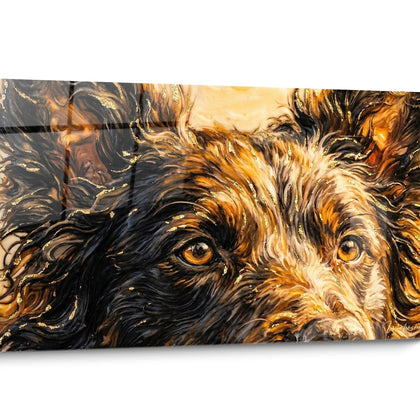
 Black Mudi with Amber Eyes Against Tumultuous Purple Sky - Intense Gaze - Mudi Edition228,90 €
 Mudi Black Silhouette in Golden Moonlight over Lake - Nocturnal Contemplation - Mudi Edition228,90 €
Explore further
In Mudi Dog Black and White Wall Art
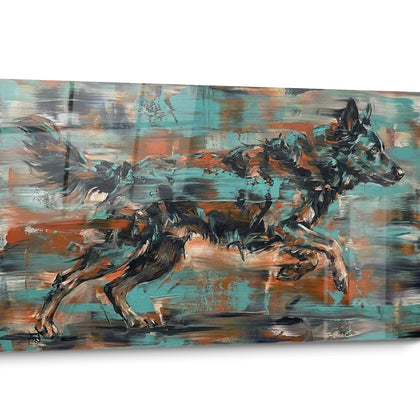
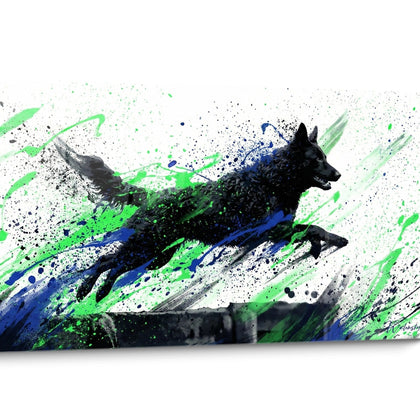
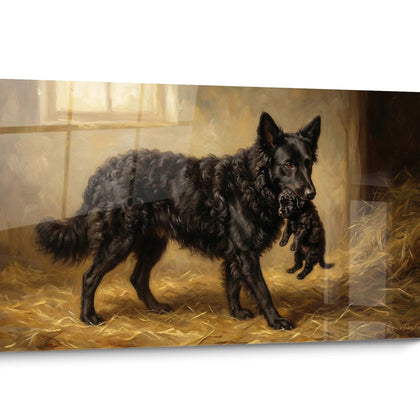
All about Mudi Dog Black and White Wall Art
- Mudi Black and White Wall Art Presentation
- Mudi Monochrome Aesthetics
- Two-Tone Decorative Integration
- Hungarian Character in Black and White
The black and white Mudi dog wall art celebrates the timeless elegance of this rare Hungarian breed through a refined visual interpretation. This monochrome representation captures the natural liveliness of the Mudi while offering a versatile decorative solution for contemporary interiors. The absence of color focuses attention on the characteristic lines of this herding dog, its distinctive erect ears, and intelligent expression. Enthusiasts of this lesser-known breed find in this two-tone aesthetic a sophisticated way to showcase their passion for Hungarian canine heritage. The black and white contrast accentuates the textures of the Mudi's curly coat, creating remarkable visual depth even from a distance.
The visual expression of the Mudi through black and white
The black and white Mudi dog wall art reveals unsuspected nuances in the physiognomy of this ancestral Hungarian breed. Unlike colorful representations, the monochrome approach highlights the natural contrasts of the Mudi's characteristic curly coat, emphasizing each curl with striking graphic precision. This photographic technique brings out the intensity of this herding dog's penetrating gaze, transforming its attentive expression into a magnetic focal point.
Why does monochrome enhance the features of the Hungarian Mudi?
The reduced palette allows concentration on the distinctive morphological elements of the Mudi: its triangular ears perpetually alert, its fine and expressive muzzle, and the unique undulating texture of its coat. Zones of shadow and light create a three-dimensional visual sculpture that brings out the compact, athletic musculature of this working breed. For collectors of Hungarian canine representations, this aesthetic approach offers a refined alternative to traditional portraits.
The impact of contrast in large-format wall compositions
Large-format black and white compositions dramatically amplify the Mudi's presence in living spaces. Shadow interplay becomes architectural elements that dialogue with the contemporary lines of minimalist interiors. This visual dynamic particularly suits open spaces where the wall art becomes a spatial marker without overloading the existing color palette. Mudi owners seeking representative wall decor appreciate this sobriety that honors their companion without artifice.
The narrative depth of the monochromatic portrait
Each black and white Mudi dog wall art tells the thousand-year history of this Hungarian herding breed through a timeless aesthetic. The absence of color evokes archival photographs documenting the first Mudi specimens in the Magyar plains, creating an emotional bridge between tradition and modernity. This nostalgic approach particularly resonates with enthusiasts of European canine heritage who wish to celebrate the authenticity of this lesser-known breed. If you prefer a more contemporary approach, explore our collection of abstract Mudi dog wall art that reinterprets these same characteristics with current visual codes.
Decorative integration of the two-tone Mudi in modern spaces
How to harmonize a monochrome wall art with different interior styles?
The black and white Mudi dog wall art establishes itself as a universal decorative solution thanks to its strategic chromatic neutrality. In Scandinavian ambiances dominated by light tones and natural textures, the two-tone composition brings graphic punctuation without disrupting visual balance. Industrial interiors with exposed brick walls and metal structures find in this canine representation an echo of their raw and authentic aesthetic. For neoclassical or Haussmann decors, the black and white contrast dialogues with architectural moldings and hardwood floors.
Strategic positioning in large spaces
The imposing formats of these wall representations require specific spatial consideration to maximize their visual impact. In a through-lounge, the wall art becomes a transition element between two functional zones, creating thematic continuity without partitioning. Spaces with double-height ceilings particularly benefit from these vertical compositions that accompany architectural elevation. Mudi owners frequently install these works facing the main entrance, transforming their companion into the visual ambassador of their home.
Association with contemporary furniture and raw materials
The chromatic simplicity of the monochrome Mudi portrait creates remarkable synergies with contemporary materials. Polished concrete, brushed steel, and textured glass find an organic counterpoint in the representation of this Hungarian breed's characteristic curly coat. Low mid-century style furniture allows the wall art to visually dominate the space, establishing clear decorative hierarchy. Natural textiles like raw linen or bouclé wool echo the represented textures, creating sophisticated tactile and visual coherence.
Managing natural and artificial lighting
The pronounced contrasts of black and white react differently to daily light variations, offering an evolving visual experience. In direct morning light, white zones illuminate while shadows deepen, accentuating the three-dimensional presence of the Mudi. Indirect evening lighting softens tonal transitions, revealing intermediate gray nuances invisible in daylight. Directional lighting systems can be oriented to create changing dramatic effects according to time of day.
Valorizing Hungarian canine heritage through monochrome imagery
The historical legacy of the Mudi in European visual culture
The black and white Mudi dog wall art is part of a documentary tradition dating back to the first descriptions of this breed at the borders of the Austro-Hungarian Empire. Developed naturally in Hungary's plains in the nineteenth century, the Mudi remains little known outside specialized canine circles, making its wall representation an act of cultural preservation. The monochrome aesthetic intentionally evokes the ethnographic photographs that documented regional working dog types before modern breed standardization. For descendants of emigrated Hungarian families, these representations constitute a tangible link to the rural heritage of their ancestors.
Why choose a two-tone representation to celebrate this rare breed?
The simplicity of black and white concentrates attention on the functional attributes that define the Mudi as a versatile working dog: its vigilant expression, its compact and energetic posture, its balanced proportions. Unlike colored portraits that may distract through subjective aesthetic choices, the monochrome approach adopts a universal and documentary visual language. Mudi breeders frequently use these representations in their professional spaces to educate visitors on breed morphological standards without stylistic artifice.
The symbolic dimension of contrast in canine representation
The interplay between light and darkness in the Mudi monochrome portrait metaphorizes the behavioral qualities of this breed: the duality between family gentleness and work determination, between obedience and independent thinking. This psychological complexity, difficult to convey through color, finds natural expression in the gray nuances that capture the depth of Hungarian character. Experienced owners recognize in these compositions the penetrating intelligence that characterizes the Mudi, captured in an instant of intense concentration.
Visual preservation of a breed in demographic development
With a worldwide population estimated at only a few thousand individuals, each visual representation of the Mudi contributes to international recognition of this endangered breed. Large-format wall compositions amplify the visibility of this Hungarian canine heritage in public and private spaces, sparking curiosity and conversations. Breed clubs actively encourage the dissemination of these images to counter general unfamiliarity and stimulate interest among future responsible owners. The choice of black and white confers documentary gravity that reinforces the seriousness of this preservation mission.
Is a black and white Mudi dog wall art suitable for small living spaces?
Although these works are designed in large formats to maximize visual impact, the pronounced monochrome contrasts create an illusion of depth that avoids a crushing effect in restricted spaces. A clear wall becomes a focal point without visual clutter, provided minimalist furniture is maintained in the surroundings.
Does black and white Mudi dog wall art require specific maintenance?
Monochrome compositions show less quickly the alterations due to light exposure than complex color palettes. Regular dusting with a dry microfiber cloth generally suffices, avoiding aggressive cleaning products that could affect the surface finish.
Can black and white Mudi dog wall art be associated with other animal representations?
Chromatic uniformity greatly facilitates the creation of thematic wall compositions. Representations of other Hungarian breeds like the Puli or Komondor in monochrome create a coherent gallery celebrating Magyar canine heritage, while different species in black and white maintain visual harmony while diversifying the subject matter.


