


Mudi Dog Portrait Wall Art
The Painting dog Mudi Portrait celebrates this exceptional Hungarian breed through captivating artworks. Each creation captures the lively intelligence and penetrating gaze of this Hungarian shepherd dog still little known. Our collection offers artistic Mudi portraits that enhance the unique personality of this faithful companion. Perfect for lovers of rare breeds and collectors of contemporary canine art, this set transforms your interior into a gallery dedicated to the natural elegance of the Mudi.
 Mudi Painting in Ochre and Golden Tones - Expressive Portrait with Curly Coat - Mudi Edition233,90 €
 Three Mudis with Piercing Eyes Geometric Mosaic Style - Complicit Gazes - Mudi Edition213,90 €
 Dark Coated Dog Wet Fur Portrait Atmospheric Wall Art - Intense Gaze - Edition Mudi213,90 €
 Black Mudi with Amber Eyes Against Tumultuous Purple Sky - Intense Gaze - Mudi Edition213,90 €
 Mudi Trio Multicolor Mosaic Wall Art - Canine Harmony - Mudi Edition213,90 €
Explore further
In Mudi Dog Portrait Wall Art
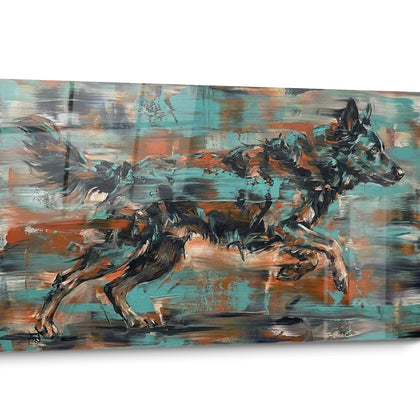
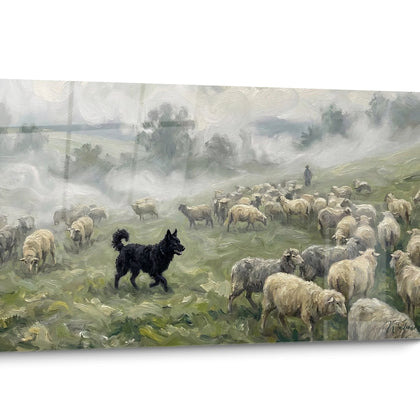
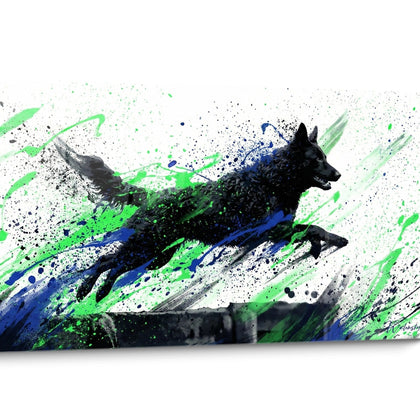
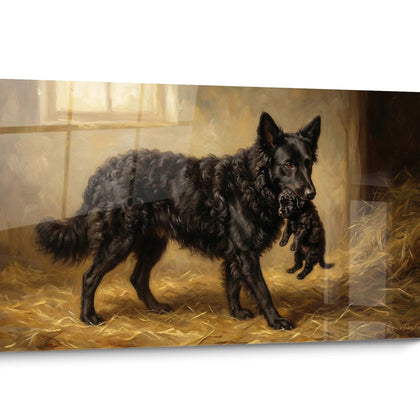
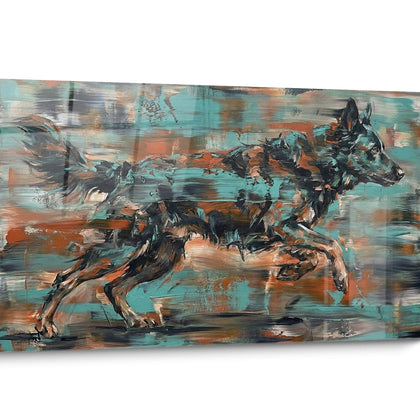
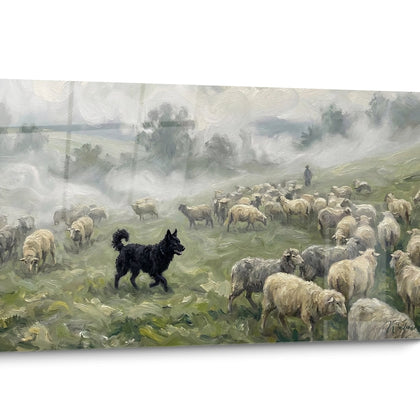
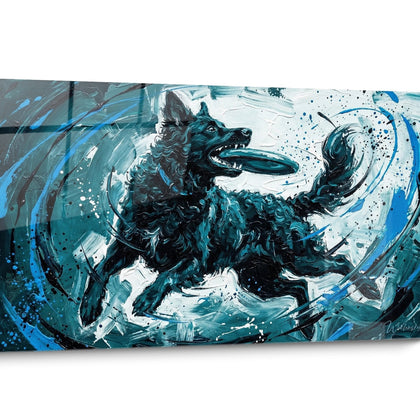
All about Mudi Dog Portrait Wall Art
- Mudi Dog Painting Portrait
- Mudi Portrait: Morphology & Character
- Hungarian Canine Decoration
- Visual Mudi Integration
The Mudi dog portrait painting celebrates a rare and fascinating Hungarian breed, appreciated for its exceptional intelligence and penetrating gaze. This wall representation captures the unique essence of the Mudi, a versatile Hungarian shepherd with characteristic curly coat and expressive upright ears. Unlike more common canine breeds, the Mudi seduces through its authenticity and rarity, making this wall portrait a distinctive choice for connoisseurs of European dog breeding. Enthusiasts of Hungarian working breeds specifically seek this type of representation to honor this underappreciated canine heritage. The large dimensions of these portraits reveal every morphological detail that differentiates the Mudi from other herding dogs, from its lively eyes to its dense wavy coat. This decorative work particularly addresses Mudi owners, specialized breeders, and passionate admirers of rare European breeds who wish to affirm their attachment to this exceptional dog.
The Mudi Portrait: Capturing the Intelligence of a Rare Hungarian Shepherd
The Distinctive Morphological Traits of the Mudi in Portrait
The Mudi dog portrait painting highlights the unique physical characteristics of this underappreciated Hungarian breed. The curly coat of the Mudi constitutes its most recognizable trait, with its tight undulations creating a rich visual texture that magnificently captures light. The triangular upright ears of the Mudi give its portrait an expression of perpetual alertness, reflecting its alert and reactive temperament. The facial structure of the Mudi, with its moderately elongated muzzle and almond-shaped oblique eyes, creates a visually balanced composition perfectly suited to large vertical formats.
Large-scale wall representations allow for appreciation of the color nuances specific to the Mudi, notably variations of black, gray, brown, and marbled white. This natural color diversity offers a visual richness that large-scale portraits fully exploit. The intense gaze of the Mudi, imbued with intelligence and vigilance, constitutes the natural focal point of these compositions, immediately attracting the eye and creating an emotional connection with the observer.
Why choose a Mudi portrait over another herding breed?
The Mudi dog portrait painting responds to a search for distinction and authenticity in canine decoration. Unlike ubiquitous German or Belgian shepherds in popular imagery, the Mudi remains a confidential breed, prized by connoisseurs. This rarity confers particular symbolic value to Mudi portraits, signaling membership in an enlightened community of European dog breeding enthusiasts. Mudi owners specifically seek these representations to celebrate their companion, often unknown to the general public.
Specialized breeders of Hungarian breeds also use these monumental portraits to enhance their genetic preservation work and educate the public about this unique canine heritage. For those exploring more contemporary representations, the Mudi Abstract Dog Painting offers a complementary artistic approach that reinterprets breed characteristics with modern graphic dimension. The combination of realistic portraits and abstract interpretations allows creation of a wall gallery that honors the Mudi from different aesthetic angles.
Hungarian Canine Expression: Capturing the Mudi's Lively Temperament
The exceptionally dynamic temperament of the Mudi naturally transpires in quality portraits. This breed distinguishes itself through overflowing energy, extreme reactivity, and superior intelligence, qualities that the best artists manage to convey visually. The facial expression of the Mudi, always attentive and slightly inquisitive, creates a living presence in domestic space. Large wall dimensions amplify this emotional presence, transforming the portrait into a true visual companion that dialogues with its environment.
Dog sports enthusiasts, particularly in agility and herding work, immediately recognize in these portraits the characteristic energy of the Mudi in action. This versatile breed excels in multiple disciplines, and portraits capturing this versatility particularly appeal to canine athletes who wish to celebrate the exceptional capabilities of their working companions.
Hungarian Canine Decoration: Integrating the Mudi Portrait into Your Interior
How to enhance the Hungarian heritage of the Mudi in your decoration?
The Mudi dog portrait painting naturally fits into a decorative approach celebrating the canine heritage of Central Europe. Enthusiasts of Hungarian culture find in these wall representations a visual link to the pastoral traditions of the great Hungarian plains where the Mudi has exercised its shepherding talents for generations. The integration of Mudi portraits into an interior creates dialogue with other Hungarian cultural elements, whether artisanal objects, traditional textiles, or photographs of puszta landscapes.
Spaces dedicated to working dogs, such as entrances to breeding centers or specialized canine clubs, particularly benefit from these monumental portraits that affirm the identity of the place. The large size of these works allows them to function as true visual statements, asserting passion for this specific breed. Veterinarians specializing in rare European breeds also use these portraits to personalize their professional spaces and signal their particular expertise.
Creating a gallery dedicated to rare Hungarian breeds
Collectors of rare Hungarian breed representations frequently associate the Mudi dog portrait painting with portraits of Pumi, Puli, or Kuvasz, thus creating a coherent wall gallery celebrating the richness of Hungarian dog breeding. This thematic approach confers narrative depth to the decoration, transforming a simple wall into a true educational exhibition on Hungarian herding dogs. Large dimensions allow organizing these portraits in symmetrical or asymmetrical composition according to space architecture.
Owners of multiple Mudis sometimes choose to create a canine family gallery, with individual portraits of each of their companions, thus celebrating the morphological and expressive particularities of each animal. This personalization creates a strong emotional link between the decorative work and daily life with these exceptional dogs. Variations in poses and expressions allow building dynamic visual narrative that avoids monotony.
Privileged environments for working dog portraits
The Mudi dog portrait painting finds its ideal place in spaces associated with activity and movement, reflecting the energetic temperament of the breed. Passage areas such as spacious hallways or stairwells benefit from the vertical presence of these portraits that accompany the natural movement of circulation. Home offices of canine professionals are enriched by these representations that affirm their specialization and create an atmosphere conducive to exchanges with clients sharing this passion.
Open living spaces, particularly double-height living rooms or mezzanines, offer the volumes necessary to accommodate large-format portraits without creating visual clutter. The Mudi, a working dog par excellence, lends itself particularly well to rural or peri-urban environments where connection with nature remains visible. Properties with terrain, kennels, or training spaces create logical continuity between the functional external environment and the interior celebration of the working companion.
Specific chromatic associations with Mudi coat colors
The coat variations of the Mudi (black, blue-gray, brown, white, merle) naturally orient surrounding decorative choices. A black Mudi portrait integrates harmoniously into contemporary interiors with neutral tones and silver or gold metallic accents. Merle Mudis, with their complex marbled coats, create visually rich focal points that dialogue with textured environments containing natural stone, raw wood, or hand-woven fabrics.
Portraits of lighter-toned Mudis (white, light gray) bring particular luminosity to dark or naturally poorly lit spaces, functioning as visual anchor points that energize the atmosphere. The association with natural vegetation, particularly species with structured foliage such as ferns or ornamental grasses, creates visual echoes with the textured coat characteristic of the Mudi.
Optimizing the Visual Impact of the Mudi Portrait in Your Space
Highlighting the Mudi's expressive gaze
The Mudi dog portrait painting draws its emotional strength from the penetrating gaze characteristic of this breed of exceptional intelligence. The strategic placement of the portrait determines the effectiveness of this visual connection. Positioning the portrait at natural eye level during daily circulation maximizes moments of visual interaction with the work. Mudis possessing particularly expressive and mobile eyes, their representation gains from being placed in areas where one naturally pauses, favoring contemplation rather than simple passage.
Large vertical formats accentuate the subject's presence and create a sensation of monumental scale that reinforces the impact of the canine gaze. This verticality naturally corresponds to the Mudi's alert posture, a dog always in alertness. Owners frequently report an impression of living presence when these large-scale portraits occupy a central position in their daily visual field, creating silent dialogue with their represented companion.
What type of lighting suits portraits of curly-coated dogs?
The undulating coat characteristic of the Mudi presents three-dimensional texture that appropriate lighting fully reveals. Lateral light sources create interplay of shadows and light that accentuates the relief of curls, particularly visible on realistic large-scale portraits. This approach fundamentally differs from uniform frontal lighting that visually flattens texture and reduces the perceived tactile richness of the coat.
The natural brightness variations of the Mudi's fur, alternating matte areas and slightly lustrous zones, gain from being revealed by indirect lighting that avoids parasitic reflections while preserving the depth of intense blacks or rich browns. Owners concerned with aesthetic fidelity favor neutral color temperatures (4000K) that respect natural coat color nuances without introducing artificial warm or cool dominant tones.
Spatial configuration for energetic herding breeds
The Mudi dog portrait painting benefits from placement in dynamic environments that reflect the active temperament of this working breed. Unlike calm breeds whose portraits naturally integrate into rest spaces, the Mudi demands energetic staging. Transition zones between different functional spaces, such as passages between kitchen and living room or between interior and exterior, create appropriate contexts for these portraits celebrating a dog always in motion.
Dog sports enthusiasts frequently organize their training spaces with portraits of their Mudi companions, creating visual motivation and asserting the identity of the place. Multipurpose rooms accommodating agility equipment, obedience materials, or herding work accessories become personalized galleries where the monumental Mudi portrait reigns supreme, inspiring training sessions.
Multicultural wall composition: associating the Mudi with other Hungarian elements
The integration of the Mudi dog portrait painting into a broader wall composition celebrating Hungarian culture creates rich visual narrative. Association with photographs of Hungarian landscapes, particularly the great puszta plains where the Mudi traditionally excels, establishes geographical and functional context. Traditional Hungarian textiles, with their characteristic geometric patterns and vibrant colors, create visual complements that enrich without competing with the main portrait.
Collectors of Central European artisanal objects naturally integrate these portraits into their existing wall compositions, creating dialogues between different cultural expressions. This multicultural approach transforms the Mudi portrait into a central element of broader celebration of Hungarian heritage, particularly appreciated by the Hungarian diaspora wishing to maintain a visual link with its origins.
Is a Mudi portrait suitable for professional canine spaces?
The Mudi dog portrait painting integrates perfectly into specialized professional environments such as veterinary clinics oriented toward rare breeds, Hungarian breeding centers, or canine sports clubs. Its presence affirms specific expertise and immediately creates connection with clientele sharing this passion for Hungarian working breeds.
How to highlight the different coat colors of the Mudi in a portrait?
Large-scale portraits fully reveal Mudi color variations, whether deep black, complex merle, or nuanced fawn. The surrounding chromatic environment must create sufficient contrast without visual competition: neutral backgrounds for multicolored coats, complementary color accents for solid coats, allowing the characteristic Mudi coat to visually dominate.
Does the Mudi portrait work in minimalist decoration?
The Mudi dog portrait painting remarkably adapts to minimalist interiors where it naturally becomes the dominant focal point. Its status as rare and distinctive breed creates strong presence requiring no additional decorative accompaniment, functioning as unique masterpiece in refined spaces where each element counts.


