


World War I Wall Art
Our World War I Wall Art collection honors the memory of fallen combatants with a respectful artistic approach. These works evoke the military courage and sacrifices of this crucial period. Commemorative wall art that transforms your space into a place of reflection and contemplation on contemporary history.
 Silent Dawn Soldier Wall Art - World War One Edition228,90 €
 Soldier Lost Gaze Painting - World War I Edition273,90 €
 Soldier Mournful Silence Wall Art - World War One Edition273,90 €
 Soldier Painting Steel Gaze - edition World War One Artwork273,90 €
 Soldier Painting Dust of Honor - World War I Painting edition273,90 €
 Soldier Painting Inner Storm - World War I Painting Edition273,90 €
 Soldiers Twilight of War Wall Art - World War I Edition273,90 €
 Soldiers Brothers in Trenches Wall Art - World War I Edition273,90 €
 Soldier Frozen Soul Artwork - World War I Edition273,90 €
 Woman Painting Awakened Soul - World War I Painting Edition273,90 €
 Soldiers Hardened Souls Wall Art - World War One Edition273,90 €
 Gas Mask Ghost Breathing Wall Art - World War I Edition273,90 €
 Soldiers Burning Vigil Wall Art - First World War Edition273,90 €
 Soldier Distant Hope Wall Art - First World War Edition273,90 €
 Soldier Helmet Witness Canvas - World War I Edition273,90 €
 Soldier Drops of Bravery Painting - First World War Painting Edition228,90 €
Explore further
In World War I Wall Art


In the same family
Also explore the theme History
-
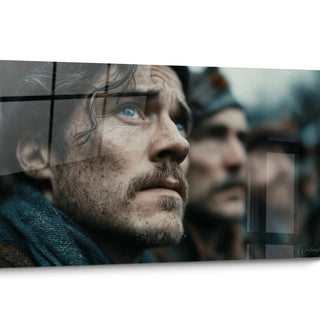 View all123
artworks
View all123
artworks
-
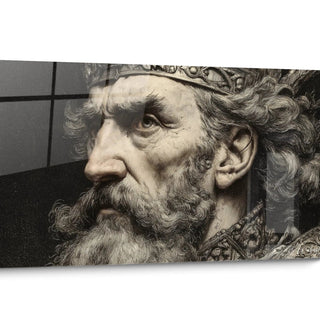 Alexander the Great5
artworks
Alexander the Great5
artworks
-
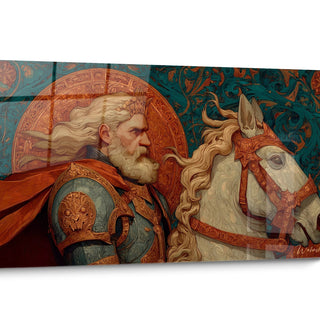 Charlemagne5
artworks
Charlemagne5
artworks
-
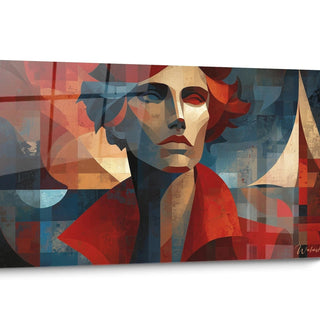 Christopher Columbus13
artworks
Christopher Columbus13
artworks
-
 Egypt426
artworks
Egypt426
artworks
-
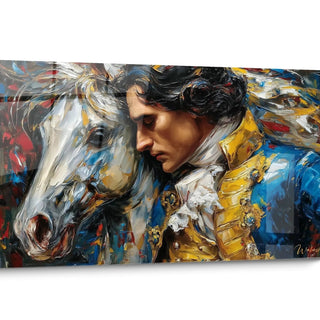 Louis XIV11
artworks
Louis XIV11
artworks
-
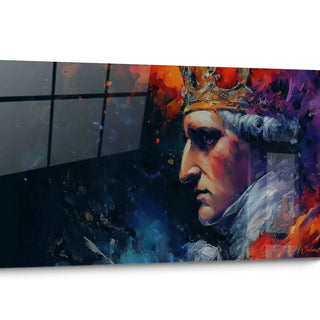 Louis XVI8
artworks
Louis XVI8
artworks
-
 Marie-Antoinette3
artworks
Marie-Antoinette3
artworks
-
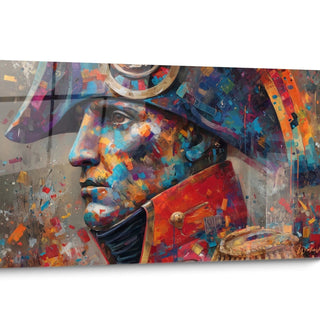 Napoleon8
artworks
Napoleon8
artworks
-
 French Revolution17
artworks
French Revolution17
artworks
-
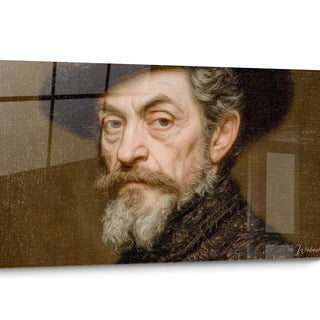 Richelieu5
artworks
Richelieu5
artworks
-
 World War II17
artworks
World War II17
artworks
-
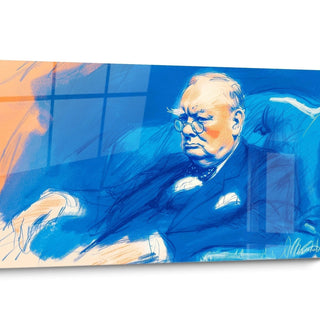 Winston Churchill16
artworks
Winston Churchill16
artworks


All about World War I Wall Art
- First World War painting presentation world war
- Authentic First World War painting
- First World War painting patriotic decoration
- First World War painting historical collection
First World War paintings constitute an artistic category particularly sought after for their ability to combine history and interior decoration. These large-scale wall artworks instantly transform the atmosphere of your space by bringing striking historical depth to it. Whether you wish to honor the memory of 1914-1918 fighters or simply enrich your wall decoration with pieces charged with emotion, these artistic creations meet a growing demand for decorative authenticity.
Historical authenticity and visual impact of First World War paintings
Acquiring a First World War painting requires special attention to the authenticity of historical representations. The most sought-after works faithfully reproduce the military uniforms of the era, notably the famous French Adrian helmets and the characteristic equipment of the 1914-1918 poilus.
How to recognize a quality First World War painting?
Technical details constitute the first evaluation criterion. The weapons depicted must exactly match the models used during the conflict: Lebel rifles, Hotchkiss machine guns, and heavy artillery of the period. An authentic 1914-1918 war painting also privileges the characteristic colors of French horizon blue uniforms, introduced in 1915 to replace the garance red outfits that were too conspicuous.
Battlefield landscapes constitute another determining element. Representations of Verdun, the Somme, or Passchendaele must reflect the topographic reality of these emblematic sites. Trenches, with their complex system of communication trenches and observation posts, offer visually striking compositions for large-scale military wall decoration.
Decorative impact of historical scenes in your interior
Installing a First World War painting in your living room or office immediately creates a focal point charged with emotion. Scenes of the Christmas 1914 fraternization, where French and German soldiers met in no man's land, generate a particularly touching atmosphere.
Aerial representations deserve special attention, as the nascent military aviation of 1914-1918 offers exceptional dynamic compositions. Air aces like Georges Guynemer or René Fonck, at the controls of their Spad or Nieuport aircraft, bring a heroic dimension particularly appreciated in masculine spaces.
- Combat scenes authenticated by military historians
- High-definition reproductions on large-format supports
- Technical details verified according to military archives
- Colorization respectful of period uniforms
Military naval forces from 1914-1918 also offer exceptional subjects, particularly German submarines and the war of attrition led by U-Boats. These naval representations suit maritime history enthusiasts perfectly and bring a certain sophistication to your historical decoration.
What size to choose for a First World War painting?
Dimensions constitute a crucial factor to maximize visual impact. Panoramic formats of 120x80 cm or 150x100 cm allow you to grasp the scale of battlefields and the complexity of military operations. These large dimensions reveal all the details of equipment, expressions of fighters, and atmospheres so particular to trench conflicts.
For demanding collectors, reproductions of general staff maps used during the great offensives of 1916 and 1918 constitute exceptional pieces. These strategic documents, transformed into decorative artworks, bear witness to the tactical complexity of the first world conflict and particularly appeal to military strategy enthusiasts.
Patriotic symbolism and modern decorative integration
Installing a First World War painting in your interior transcends simple decoration to become a true memorial tribute. These works transform your living space into a place of quiet reflection, where family and national history blend harmoniously with your contemporary aesthetic.
Where to place a First World War painting in your home?
The living room constitutes the privileged location for these works charged with history. Positioned above a sofa or facing the entrance, they welcome your guests with respectful solemnity. Representations of war memorials, with their engraved lists of fighter names, create a particularly moving atmosphere.
Offices and libraries lend themselves perfectly to scenes of command and military strategy. Portraits of Marshal Foch or Joffre, in their ornate uniforms, inspire authority and determination. These First World War historical artworks strengthen the work atmosphere while recalling values of courage and perseverance.
- Directional LED lighting to reveal details
- Eye-level positioning for maximum impact
- Association with classic or industrial-style furniture
- Professional framing for optimal presentation
Color harmony with your existing decoration
The characteristic tones of First World War paintings integrate naturally into contemporary decorative palettes. The ochres and browns of British khaki uniforms harmonize perfectly with current trends of natural and warm tones.
The metallic grays of warships and destroyers of the era perfectly complement modern industrial décors. This naval war, often little-known, offers visually striking compositions with the imposing silhouettes of dreadnoughts and battle cruisers that marked the seas from 1914 to 1918.
For contrast enthusiasts, the garance red uniforms of the early months of the war create spectacular color accents. These outfits, quickly abandoned for their excessive visibility, bear witness to the rapid tactical evolution imposed by new military technologies.
How to combine multiple First World War paintings?
Creating a thematic wall composition considerably amplifies decorative impact. Combining a trench scene with an aviator portrait and a view of a Saint-Chamond tank tells the technological evolution of the conflict through its three dimensions: land, air, and armored.
Chronological series work particularly well, from the August 1914 mobilization to the November 1918 armistice. This narrative approach transforms your wall into a true historical journey, where each stage of the conflict finds its appropriate artistic representation.
- Regular spacing between artworks to create rhythm
- Complementary formats to energize the composition
- Coordinated themes without excessive repetition
- Uniform lighting for overall visual cohesion
Representations of post-war reconstruction offer an optimistic conclusion to these historical series. Images of demobilized soldiers reuniting with their families or destroyed cities rising again bring a particularly touching human dimension to your 1914-1918 commemorative decoration.
Thematic collection and family memorial transmission
Building a collection of First World War paintings transcends the simple decorative act to become a true historical transmission project. These carefully selected and organized artworks tell family and national history through the artistic lens of this foundational conflict of the twentieth century.
What thematic approach for your First World War collection?
The regimental approach constitutes one of the most sought-after collection strategies. Gathering representations of the different French army corps - infantry, artillery, engineering, cavalry - allows understanding the diversity of military specialties of the era. Each service has its distinctive uniforms, specific equipment, and particular traditions.
The Zouaves and Algerian riflemen, with their colorful uniforms and legendary bravery, bring a colonial dimension often overlooked in the conflict. These North African regiments played a decisive role in numerous battles, particularly during the Champagne and Artois offensives.
- Historical documentation accompanying each purchase
- Certificates of authenticity for quality reproductions
- Verified provenance of iconographic sources
- Standardized dimensions for overall coherence
Heritage value and family legacy
These First World War paintings constitute transmissible cultural heritage to future generations. Unlike often blurry black and white photographs from the era, these high-definition artistic reproductions reveal details invisible in original archival documents.
Military genealogical research finds in these artworks an exceptional visual support. Identifying an ancestor combatant's regiment becomes more concrete when you can visualize his uniform, equipment, and the environment in which he evolved during four years of war.
Military medals and decorations, frequently represented in these works, allow contextualizing preserved family rewards. The Cross of War, the Military Medal, or the Legion of Honor take on a new dimension when understanding the circumstances of their award.
Market evolution and collection perspectives
The market for historical reproductions is experiencing significant growth, driven by renewed interest in military history and the recent centenary of the conflict. Numbered limited editions constitute particularly attractive investments for discerning collectors.
New printing technologies now allow reproductions of exceptional fidelity, rivaling original works while remaining financially accessible. This democratization of military historical art opens collection to an expanded audience, well beyond specialists alone.
- Limitation certificates for numbered series
- High-resolution printing techniques on durable supports
- Complete traceability of documentary sources used
- Long-term preservation guarantees
FAQ - Frequently asked questions about First World War paintings
What is the difference between an original First World War painting and a reproduction?
Original works from 1914-1918 are extremely rare and reach prohibitive prices at auction. Modern reproductions use advanced printing techniques that faithfully restore period details and colors while guaranteeing perfect preservation over time.
How to authenticate the historical value of a First World War painting?
Verification is carried out by cross-referencing iconographic sources with official military archives. Uniforms, equipment, and décors must exactly match period regulatory standards, without anachronism or artistic approximation.
Can one order a personalized First World War painting with a specific regiment?
Many publishers offer customization services based on research of particular regiments. This approach allows specifically honoring family history while respecting documentary authenticity.
What durability guarantee for a large-scale First World War painting?
Modern supports guarantee optimal preservation for several decades without color alteration or support deformation. The inks used resist UV and maintain their intensity even in bright environments.
L'art qui suscite l'envie
Maison belge d'art mural grand format
14 jourspour changer d'avis*
Protection Walenskyincluse
Fabriquéen Italie
FormatXXL
Kit de fixationtoujours fourni
* Hors tableaux personnalisés et tailles personnalisées


