


Japanese Chin Dog Zen Wall Art
The Painting Japanese Zen Spaniel embodies the perfect harmony between Japanese tradition and canine elegance. This collection celebrates the natural grace of the Japanese spaniel through a soothing zen aesthetic. Each work captures the contemplative spirit and refined beauty of this iconic breed in a meditative atmosphere. The Japanese zen canine art is revealed in balanced compositions with soft tones. Perfect for creating a space of tranquility, this zen spaniel decorative painting brings serenity and sophistication to your interior.
 Japanese Spaniel Black and White Painting in Zen Garden with Bonsai - Oriental Serenity - Japanese Spaniel Edition232,90 €
 Japanese Spaniel Contemplating the Moon from a Japanese Terrace Wall Art - Nocturnal Serenity - Japanese Spaniel Edition233,90 €
 Japanese Spaniel Canvas in an Autumn Temple with Red and Golden Leaves - Nippon Serenity - Japanese Spaniel Edition233,90 €
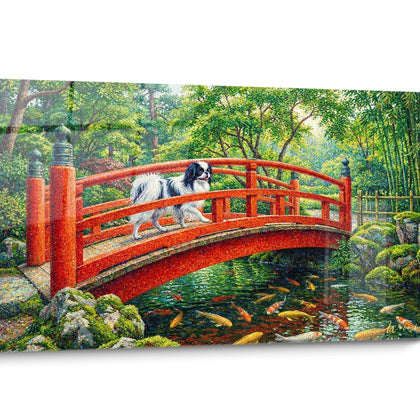
 Elegant Dog on Japanese Red Bridge Wall Art in Zen Garden - Oriental Serenity - Japanese Spaniel Edition233,90 €
 Dog Painting with Golden Tones in Sculpted Asian Decor - Oriental Serenity - Japanese Spaniel Edition233,90 €
 Dog with Cherry Blossoms in Japanese Decor Pink and Beige - Oriental Serenity - Japanese Spaniel Edition233,90 €
Explore further
In Japanese Chin Dog Zen Wall Art


All about Japanese Chin Dog Zen Wall Art
- Japanese Chin Zen Dog Painting Presentation
- Spirituality and Nippon Serenity
- Meditation and Visual Balance
- Contemplative Ambiance
The Japanese Chin Zen dog painting captures the peaceful essence of this imperial breed in a unique meditative interpretation. This large-scale artistic representation merges Japanese minimalist aesthetics with the serene nobility of the Japanese Chin, creating a wall piece that instantly transforms your space into a sanctuary of tranquility. Unlike conventional animal representations, this artwork prioritizes the contemplative atmosphere and visual clarity inherent to zen philosophy, offering a soothing focal point for modern living spaces seeking harmony.
The Zen Essence of the Japanese Chin in Contemporary Wall Art
The Japanese Chin Zen dog painting embodies the meeting of Nippon aristocratic tradition and spiritual minimalism. This breed, historically associated with the Japanese imperial court and Buddhist temples, finds in zen aesthetics a natural expression of its meditative nature. Large-scale wall formats capture the characteristic peaceful expression of these contemplative companions, with their gentle gaze and balanced posture evoking monastic serenity.
Why does zen aesthetics elevate the representation of the Japanese Chin?
The zen approach favors negative space and suggestion over visual saturation, which highlights the distinctive traits of the Japanese Chin: its silky bicolor coat, expressive large eyes, and noble head carriage. This artistic philosophy eliminates the superfluous to retain only the emotional essence of the breed, creating a contemplative connection between the observer and the represented animal. Shades of gray, beige, and off-white typically dominate these compositions, evoking traditional stone gardens and sumi-e ink painting.
Integration into meditation and relaxation spaces
A large-format Japanese Chin zen painting naturally finds its place in zones dedicated to mental relaxation: reading corners, home yoga spaces, minimalist bedrooms, or offices requiring a calming atmosphere. The visual presence of this breed historically associated with Japanese spiritual practices reinforces the contemplative intention of the space. The tranquil gaze of the Chin creates a visual anchor point that facilitates breathing exercises and meditative concentration, transforming your wall into a portal to tranquility.
Japanese cultural symbolism serving your interior
Beyond its decorative dimension, the Japanese Chin zen painting conveys profound cultural values: discreet loyalty, unadorned elegance, soothing presence. In Nippon tradition, this animal was considered a bridge between the material and spiritual worlds, silent guardian of temples and confidant of nobles. For those exploring other artistic interpretations of this imperial breed, an Japanese Chin abstract dog painting offers a complementary contemporary perspective. Owners seeking authenticity and cultural depth favor these representations that honor the spiritual heritage of the breed rather than simple animal portraits.
Creating a Visual Peace Sanctuary with the Japanese Chin
How does the zen painting transform a room's energy?
Installing a large-format Japanese Chin Zen dog painting immediately modifies the energetic dynamic of a space. Unlike vibrant works that stimulate and energize, this meditative representation absorbs ambient visual stress. The characteristic white and red coat of the Japanese Chin, treated in a refined palette, acts as an emotional regulator. Wellness professionals recommend this type of imagery in therapeutic spaces, holistic waiting rooms, or children's bedrooms requiring soothing stimuli.
Wabi-sabi principles applied to canine representation
Wabi-sabi, the Japanese philosophy celebrating the beauty of imperfection and impermanence, finds touching expression in these Japanese Chin paintings. Specialized artists intentionally incorporate subtle textures, imprecise contours, and unfinished spaces evoking the fragility of existence. This approach particularly resonates with owners who have lost a canine companion, finding in these representations a serene celebration of memory rather than a frozen photographic portrait. The empty space surrounding the animal is not an absence but a breath, a Japanese ma that allows room for personal reflection.
Chromatic balance serving deep relaxation
Japanese Chin zen paintings intelligently exploit color psychology applied to interior environments. The beige and cream tones of the ventral coat gently contrast with rust or black markings, creating a visually restful composition that never fatigues the eye. This natural palette instinctively harmonizes with contemporary organic materials: light Scandinavian wood, natural linen, handcrafted ceramics. The imposing wall formats allow these subtle nuances to fully deploy their calming potential, creating a zone of visual decompression in overloaded interiors.
Which spaces benefit most from a Japanese Chin zen painting?
Master bedrooms prioritizing quality rest, Japanese-inspired minimalist living rooms, psychological consultation offices, and spaces for domestic contemplative practice constitute ideal placements. The large scale of these works allows them to visually anchor an entire room, becoming the focal point around which the rest of the furniture and decoration naturally organize.
Living Daily with a Contemplative Wall Presence
The morning visual ritual and its impact on your day
Owning a large-format Japanese Chin Zen dog painting transforms your morning routine into a centering practice. Before checking phone or schedule, taking a few moments to contemplate this peaceful representation establishes a balanced mindset. Mindfulness practitioners recommend using the serene expression of the Japanese Chin as a concentration object during conscious breathing exercises. This constant yet unobtrusive wall presence reminds us of the possibility of inner calm even on tumultuous days, functioning as a visual anchor to return to the present moment.
Association with other traditional Japanese design elements
To maximize the contemplative impact, specialized decorators suggest accompanying the painting with complementary elements: miniature bonsai, discreet indoor fountain, partial tatami or zafu meditation cushions. This composition creates a Japanese microcosm where each element reinforces the others' intention. The Japanese Chin, historically present in tea pavilions and imperial residences, becomes the symbolic guardian of your own domestic zen space. Minimal ikebana arrangements placed nearby engage visually with the refined lines of the painting.
How does the painting evolve with your contemplative practice?
Owners report a changing relationship with their Japanese Chin zen painting over months. Initially perceived as a decorative element, it progressively becomes a silent companion, witness to meditations and personal reflections. The animal's gaze seems to answer the emotional states of the observer, offering comfort in difficult moments and discreet celebration during positive periods. This relational dimension fundamentally distinguishes these contemplative representations from simple wall ornaments. The imposing scale of available formats amplifies this benevolent presence without ever becoming visually imposing.
What is the meditative durability of a zen canine artwork?
Unlike ephemeral decorative trends, a Japanese Chin zen painting retains its aesthetic and emotional relevance over decades. Its timeless aesthetics transcend fleeting fashions, anchored in millennia-old philosophical principles. Contemporary art collectors consider these pieces investments in long-term wellness rather than mere decorative acquisitions. The quality of presence emanated by a Japanese Chin treated in zen aesthetics never goes out of style, enriching instead with time and personal experiences lived in its visual company.
Does a Japanese Chin zen dog painting suit non-Japanese modern interiors?
Absolutely. The universality of zen principles – simplicity, balance, soothing presence – harmonizes naturally in any style valuing quality over quantity. Scandinavian interiors, contemporary minimalist or softened industrial spaces naturally welcome these contemplative representations. The Japanese Chin becomes a cultural bridge subtly introducing zen philosophy without requiring a complete décor overhaul.
How to choose between zen representation and other styles for this Chin?
The choice depends on the functional intention of the space. If you seek visual stimulation and dynamism, other artistic approaches may suit better. But for rest spaces, mental recovery, and contemplative practices, the zen approach to this naturally meditative breed offers perfect coherence between subject and artistic treatment, creating synergy between the represented animal and the desired environmental effect.
Which size to choose for optimal contemplative impact?
Imposing wall formats of 100x150cm or larger allow the visual immersion necessary for the meditative effect sought. Too-small representation risks being lost in space or perceived as secondary decoration. The generous scale invites stopping, contemplative pause, transforming the wall into a window toward serenity rather than simple ornament support.
Further reading


