


Abstract Japanese Spaniel Dog Canvas Art
The Painting Japanese Spaniel Abstract celebrates the elegance of this ancestral breed through a contemporary artistic vision. Each artwork transforms the noble character and refined beauty of the Japanese spaniel into colorful and expressive compositions. Our collection of abstract Japanese spaniel paintings captures the essence of this imperial companion in a modern and captivating style. Perfect for lovers of abstract canine wall decoration, these creations bring sophistication and originality to your interior.
 Japanese Spaniel Painting on Armchair in Orange and Turquoise Color Storm - Artistic Chaos - Japanese Spaniel Edition233,90 €
 Silky Dog in Motion on Dynamic Blue Splashes Painting - Grace in Action - Japanese Spaniel Edition233,90 €
 Japanese Chin Wall Art in Blue and Gray Splashes - Aquatic Dynamism - Japanese Chin Edition213,90 €
 Dynamic Movement White and Blue Painting with Golden Accents - Artistic Whirlwind - Japanese Spaniel Edition213,90 €
 Japanese Spaniel Painting on Turquoise and Coral Geometric Structure - Architectural Harmony - Japanese Spaniel Edition213,90 €
Explore further
In Abstract Japanese Spaniel Dog Canvas Art
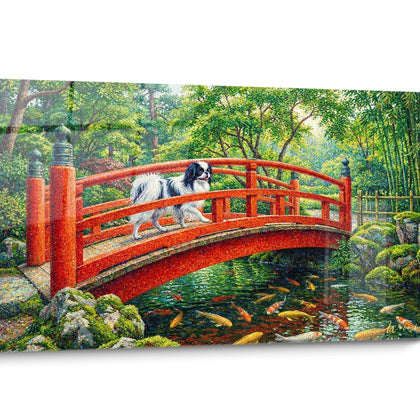


All about Abstract Japanese Spaniel Dog Canvas Art
- Japanese Spaniel Abstract Wall Art Presentation
- Abstract Artistic Expression
- Symbolism & Premium Decoration
- Space Integration & Enhancement
The abstract Japanese Spaniel dog wall art embodies a masterful fusion between Japanese aristocratic heritage and the boldness of contemporary artistic movements. This large-scale mural work celebrates the millennia-old nobility of this imperial canine breed through visual deconstruction that transcends simple representation. Broken lines, chromatic splashes, and geometric superpositions transform the recognizable silhouette of the spaniel into a vibrant composition where each fragment tells a story of refinement and mystery. Destined for demanding collectors and sophisticated canine art enthusiasts, this imposing format establishes itself as a masterpiece in contemporary interiors that value the balance between Oriental tradition and aesthetic innovation.
Abstraction in Service of the Imperial Nippon Breed
The abstract Japanese Spaniel dog wall art reinterprets the ancestral dignity of this palatial breed through visual fragmentation that amplifies its exceptional character. Unlike classical realistic representations, the abstract approach decomposes the bicolored silky coat into superimposed chromatic strata, creating pictorial depth that simultaneously evokes ukiyo-e prints and modern expressionism.
How does abstraction reveal the aristocratic personality of the Japanese Spaniel?
Geometric deconstruction captures the paradoxical essence of this breed: the delicacy of its dignified bearing translates into slender vertical lines, while its playful temperament expresses itself through dynamic curves and spontaneous splashes. Fragmented color touches evoke the texture of long, silky fur without falling into photographic imitation. This conceptual interpretation particularly suits high-end residential spaces where the work dialogues with contemporary Japanese design furniture or minimalist Scandinavian ambiances enriched with Oriental touches.
Deconstructed chromatic palette in abstract canine art
Abstract variations of the spaniel exploit bold chromatic ranges that transcend traditional black-and-white or red-and-white markings. Deep cobalt blues can symbolize royal lineage, purples evoke imperial kimonos, while golden accents recall the lacquered screens of Nippon palaces. This chromatic freedom allows the work to adapt to sophisticated decorative environments where color becomes emotional language rather than faithful description. For those who also appreciate metallic interpretations, a golden Japanese Spaniel dog wall art offers a complementary luminous alternative that plays with reflections and material preciousness.
Stratification techniques and materials in canine abstraction
Abstract compositions of Japanese spaniel exploit mixed stratification techniques that create visual tactile richness. Flat color areas contrast with zones of apparent texture, controlled dripings evoke the feline movement of this light breed, while partial masking suggests mystery behind the characteristic large dark eyes. This multi-dimensional approach confers architectural presence upon the mural work that evolves according to viewing angle and natural luminosity, creating a living focal point in spacious lounges, prestigious entrance halls, or executive offices seeking distinctive sophistication.
Cultural Symbolism and Premium Decorative Positioning
Acquiring an abstract Japanese Spaniel dog wall art constitutes a decorative choice laden with stratified cultural significance. This breed, historically reserved for Japanese aristocracy and offered as precious diplomatic gift, conveys values of refinement, discreet loyalty, and social distinction that particularly resonate in cultivated contemporary interiors.
What is the symbolic value of the Japanese Spaniel in abstract art?
The Japanese Spaniel, or Chin, embodied supreme luxury in feudal Japan where only nobles could possess these canine companions considered semi-divine. The abstract interpretation of this breed amplifies this spiritual dimension by moving away from corporeal materiality to capture the energetic essence of the animal. Refined forms and asymmetrical compositions respect aesthetic principles of ma (interval) and wabi-sabi (beauty of imperfection), creating a work that meditates on the balance between presence and absence, form and void.
Positioning in exceptional residential environments
These large-format mural compositions find their optimal expression in generous architectural volumes: urban lofts with minimalist walls, contemporary residences with double height, reception spaces where art becomes conversation. Abstraction enables harmonious integration with modern art collections, designer furniture, and authentic Japanese artisan objects. The work functions as cultural bridge between East and West, particularly valued by contemporary Asian art collectors, luxury professionals, and lovers of rare dog breeds who seek visual expression as exceptional as their companion.
Investment arguments for discerning collectors
Beyond its immediate aesthetic impact, this artistic typology responds to several strategic acquisition criteria. Thematic rarity constitutes a primary advantage: few artists explore the Japanese Spaniel compared to popular Western breeds, creating a distinctive niche. The imposing format confers immediate mural presence that transforms the space without requiring decorative accumulation. The abstract approach ensures stylistic timelessness that traverses decorative trends, unlike hyperrealistic representations quickly dated. Finally, the dual cultural dimension – Japanese and canine – broadens potential audience and narrative value of the work, crucial elements for long-term heritage valorization in a residential art collection.
Optimal Integration Strategies and Spatial Enhancement
Installing an abstract Japanese Spaniel dog wall art of generous dimensions requires thorough architectural reflection to maximize its visual impact and coherence with the built environment. This monumental work functions as a structuring element that redefines perceived spatial proportions.
Which spaces maximize the impact of a large-format abstract Japanese Spaniel wall art?
Architectural transition zones offer privileged placements: the wall facing the main entrance that immediately establishes the level of aesthetic demand, vertical circulation spaces such as stairwells where the abstract composition accompanies upward movement, or separation walls in contemporary open plans where the work creates visual delimitation without physical partition. Domestic libraries and music lounges also constitute relevant contexts where Japanese cultural dimension dialogues with other refined artistic expressions.
Chromatic interactions with minimalist environments
The abstract aesthetic of the spaniel particularly flourishes in refined environments where it becomes the sole source of visual complexity. On architectural white walls or waxed concrete surfaces, colorful splashes and geometric fragments create dynamic contrast without visual overload. Monochromatic gray or beige palettes of Nordic interiors receive the work as controlled energy injection, while already colored environments require more subtle chromatic coordination where abstraction reclaims existing tones to create sophisticated harmony rather than visual shock.
Decorative associations to amplify the Nippon theme
Optimal integration valorizes the work's dual cultural belonging through complementary decorative elements. Contemporary Japanese ceramics displayed on low consoles, minimalist ikebana compositions, reinterpreted shoji screens, or washi paper luminaires create thematic continuity without pastiche. Association with light wood Scandinavian furniture works particularly well, as both aesthetics share values of functional simplicity and material respect. For collectors of multiple canine representations, juxtaposing varied stylistic interpretations – realistic, abstract, minimalist – creates visual narrative on the diversity of artistic perspectives on this imperial breed.
Maintenance and preservation of large-format abstract works
Abstract compositions on durable support require minimal but regular maintenance. Gentle quarterly dusting using microfiber cloths preserves chromatic brilliance without abrasion. Avoiding direct intense solar exposure protects against progressive pigment fading, particularly critical for works exploiting vivid colors. In environments with variable humidity, monitoring adhesion zones prevents premature detachment. These simple precautions guarantee aesthetic longevity of the investment over several decades, enabling patrimony transmission to future generations of refined canine art enthusiasts.
FAQ: Frequently Asked Questions about Abstract Japanese Spaniel Dog Wall Art
Why choose abstract Japanese Spaniel dog wall art rather than realistic representation?
Abstraction offers conceptual interpretation that captures the aristocratic essence and spiritual energy of the breed beyond its mere physical appearance. This artistic approach harmoniously integrates in sophisticated contemporary interiors and traverses decorative trends with timelessness that photographic representations do not possess. It also enables chromatic freedom adaptable to varied environments while maintaining symbolic recognition of this imperial Nippon breed.
Is abstract Japanese Spaniel dog wall art suitable for breed owners?
Absolutely. Japanese Spaniel owners frequently seek artistic representations that honor their companion's exceptionality without succumbing to sentimentality of conventional canine portraits. The abstract approach celebrates the historical dignity and unique character of this rare breed with sophistication matching the animal's own refinement, creating profound emotional connection while asserting demanding aesthetic positioning.
How does abstract Japanese Spaniel dog wall art transform space perception?
Through its imposing format and dynamic composition, this work functions as an architectural focal point that visually restructures space. Abstract directional lines guide the eye and create visual circulation axes, while stratified composition depth adds dimension to flat walls. Chromatic and gestural energy infuses vitality and movement into static environments, transforming a simple wall into an evolving visual experience that varies according to luminous conditions and observation angles.


