


Geometric Shiba Inu Dog Wall Art
The Painting Shiba Inu dog Geometric revisits this iconic Japanese breed through a contemporary artistic prism. This collection celebrates the charm of the Shiba through geometric minimalist compositions where angular lines and structured shapes create a striking visual style. Perfect for lovers of modern canine wall decoration, each work captures the lively and independent spirit of the Shiba Inu while bringing a design touch to your living space.
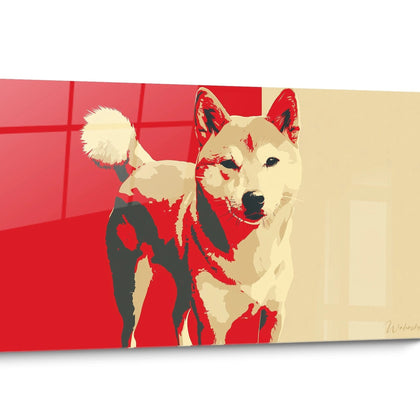
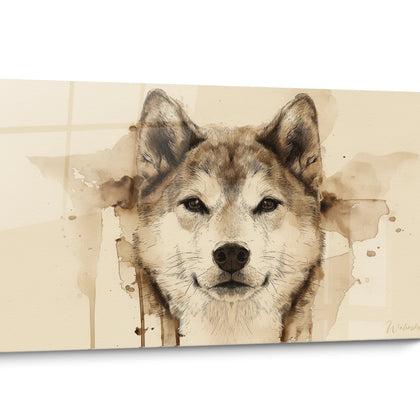
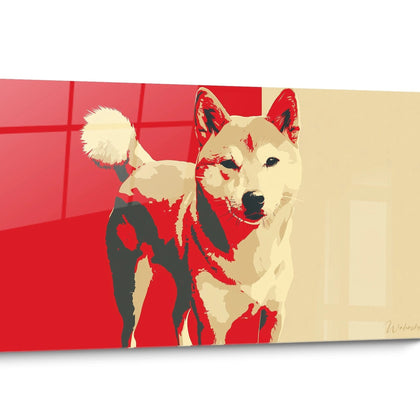
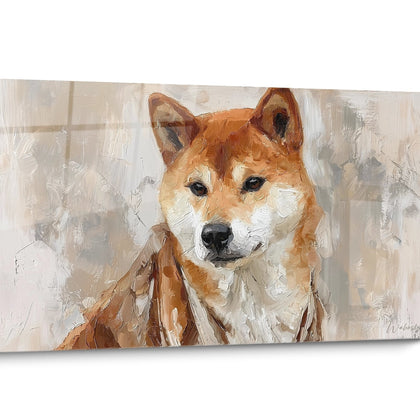
 Orange and Blue Dog Painting Geometric Style - Chromatic Duality - Shiba Inu Edition273,90 €
 Orange and White Geometric Dog Painting Raised Muzzle - Contemplative Gaze - Shiba Inu Edition228,90 €
 Smiling Dog with Vibrant Colors Canvas - Radiant Geometric Art - Shiba Inu Edition273,90 €
Explore further
In Geometric Shiba Inu Dog Wall Art

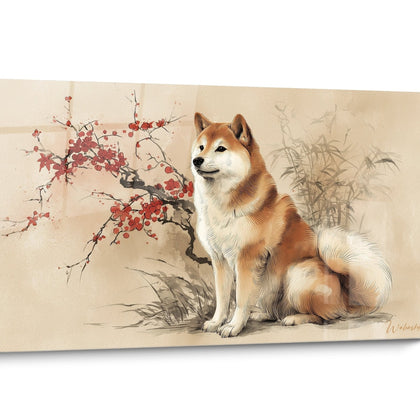

All about Geometric Shiba Inu Dog Wall Art
- Geometric Shiba Inu Wall Art Presentation
- Polygonal Design and Modern Architecture
- Visual Impact in Contemporary Spaces
- Graphic Character of the Shiba
The geometric Shiba Inu dog wall art reinvents the artistic representation of this emblematic Japanese breed by emphasizing angular forms and polygonal structures. This aesthetic approach transforms the organic curves of the Shiba into a composition of facets, creating a fascinating dialogue between animal nature and mathematical abstraction. Geometric art applied to animal portraiture imparts an architectural dimension to canine presence, particularly suited to minimalist interiors and spaces marked by refined lines. This stylized representation of the Shiba Inu captures the characteristic essence of the breed - its independence, its bearing - while breaking free from photographic realism to offer a contemporary and timeless interpretation.
Polygonal Aesthetics in Service of the Japanese Breed
The geometric Shiba Inu dog wall art stands out through its ability to deconstruct the characteristic silhouette of the Shiba into angular segments that visually reconstruct the animal according to an architectural logic. This fragmentation into polygons generates a prismatic effect where each facet captures ambient light differently, creating subtle chromatic variations depending on the viewing angle and natural lighting in the room.
How do geometric forms enhance the morphology of the Shiba Inu?
The triangular structure inherent in geometric design perfectly complements the distinctive traits of the Shiba: pointed muzzle, ears raised in triangles, alert gaze. Artists exploit this natural convergence to accentuate the vigilant expression and proud posture typical of this primitive breed. Flat color areas delimited by sharp edges replace traditional gradients, conferring an immediate graphic presence that captures attention in circulation areas.
Integration into Scandinavian and Industrial Design Environments
This angular representation of the Shiba Inu finds its ideal context in interior architectures privileging raw materials and exposed structures. Polished concrete, brushed steel, and tempered glass harmoniously dialogue with the geometric facets of the artwork, creating visual cohesion between contemporary furniture and wall decoration element. The large dimensions of the artwork allow for visual structuring of a bare wall in a loft or professional open space.
Chromatic Palette and Angular Contrasts
Unlike the geometric Shiba Inu watercolor wall art which privileges fluid transitions, the geometric version exploits frank juxtapositions of hues. The reddish, cream, and black tones characteristic of the Shiba's coat are segmented into monochromatic zones that assemble like modern stained glass. This approach reinforces visual impact from a distance while revealing structural complexity upon close observation.
Low-poly variations in neutral tones - slate gray, off-white, mineral beige - integrate into contemporary monochromatic palettes, while multicolor versions bring a touch of graphic boldness to refined spaces requiring a dynamic focal point.
Architectural Presence and Space Structuring
The role of geometric artwork in interior visual hierarchy
A large-format geometric Shiba Inu dog wall art functions as an architectural element in its own right, capable of defining functional zones in an open space. Its angular composition creates visual guidelines that direct the gaze and organize spatial perception. In an open-plan living-dining area, this monumental work establishes a visual anchor that subtly delineates zones without resorting to physical partitions.
The generous proportions of the artwork allow for visual balance with furniture typical of contemporary design - low-profile sofas, horizontal shelving units. The verticality of the seated Shiba, decomposed into geometric strata, counterbalances the dominant horizontality of modern layouts and energizes the overall composition of the space.
What is the influence of geometrization on emotional perception?
Geometric stylization introduces an aesthetic distance that intellectualizes the relationship to the animal represented. Rather than triggering an immediate affective reaction, the artwork invites analytical contemplation of forms and structures. This approach is particularly suited to professional spaces - architect offices, creative studios, showrooms - where one seeks animal presence devoid of sentimentality.
Paradoxically, this geometric abstraction captures the behavioral essence of the Shiba Inu with remarkable accuracy. The angular rigidity evokes the independent character and natural dignity of this breed that maintains a certain reserve even toward its owners. Collectors of geometric Shiba Inu wall art appreciate this formal translation of canine temperament into abstract visual language.
Complementarity with Clean-Line Furniture
The sharp edges of the artwork resonate with the right angles of Scandinavian furniture and industrial metal structures. A solid oak dresser with geometric handles, a marble coffee table with triangular legs, polyhedric pendant lights - all these elements establish formal dialogue with the faceted representation of the Shiba. This stylistic coherence avoids disorganized eclecticism while maintaining sufficient visual richness.
In urban minimalist interiors, the geometric Shiba Inu artwork brings the necessary organic touch - even if stylized - to humanize spaces dominated by smooth surfaces and industrial materials. The reference to the living, filtered through geometric abstraction, softens without compromising the assumed austerity of radical contemporary design.
Graphic Symbolism and Character Expression of the Shiba
How does geometrization translate the Japanese heritage of the Shiba?
The geometric approach applied to the Shiba Inu resonates with traditional Japanese aesthetics that value formal simplification and refinement. Ukiyo-e prints already used flat color areas delimited by sharp outlines, prefiguring certain aspects of contemporary low-poly design. The geometric Shiba Inu dog wall art thus establishes a bridge between Japanese graphic heritage and current digital visual trends.
This stylistic convergence is particularly suited to Japanese culture enthusiasts who wish to celebrate the Shiba's origins without resorting to conventional visual codes - cherry blossoms, snow-capped mountains. Modern geometrization offers a contemporary alternative that honors the breed while breaking free from superficial decorative exoticism.
Visual Dynamics and Suggestion of Movement
Although composed of static forms, the geometric Shiba artwork generates an impression of mobility through volume fragmentation. Angular facets create visual breaks that suggest frozen movement, like a succession of instantaneous moments captured simultaneously. This subtle kinetic quality suits transitional spaces - corridors, entry halls - where the artwork is perceived from different angles during movement.
Chromatic variations between adjacent facets amplify this visual vibration effect. A geometric Shiba with reddish tones graduated from intense rust to pale cream generates a sensation of internal luminosity, as if the animal were a light source rather than a simple reflective surface.
Acquisition and Strategic Positioning in the Home
Purchasing a large-format geometric Shiba Inu dog wall art requires precise spatial planning. The imposing dimensions necessitate a sufficiently spacious bare wall for the artwork to breathe visually. A minimum spacing of 40 centimeters on the sides and above allows for avoiding visual saturation and preserving the graphic impact of the composition.
Environments with high ceilings - renovated Haussmann apartments in contemporary style, converted lofts - maximize the monumental effect of the geometric Shiba artwork. The ideal placement height positions the dog's gaze at eye level of the standing viewer, establishing a direct connection despite the abstract stylization.
Why choose a geometric Shiba Inu wall art rather than another representation?
This interpretation suits collectors seeking visual sophistication that transcends simple animal representation. It testifies to an affirmed aesthetic sensitivity and understanding of contemporary design codes, positioning the buyer as an enlightened art lover rather than a simple dog enthusiast.
Does geometric style suit all types of interiors?
Angular aesthetics naturally harmonize with modern and minimalist architectures, but can create interesting tension in more classical interiors. The insertion of geometric Shiba artwork into a traditional environment generates stimulating contrast that updates the space without requiring complete renovation.
What visual durability for a trendy geometric artwork?
Unlike ephemeral decorative fashions, geometric abstraction possesses historical legitimacy tracing back to Cubism and Constructivism. Its contemporary reinterpretation through digital techniques confers current relevance while inscribing itself in century-long artistic continuity, guaranteeing lasting aesthetic pertinence beyond seasonal decorative fluctuations.


