


Vintage Shiba Inu Dog Wall Art
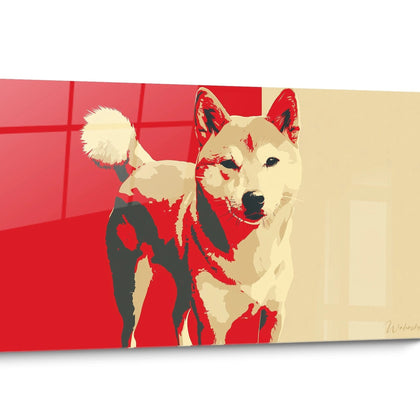
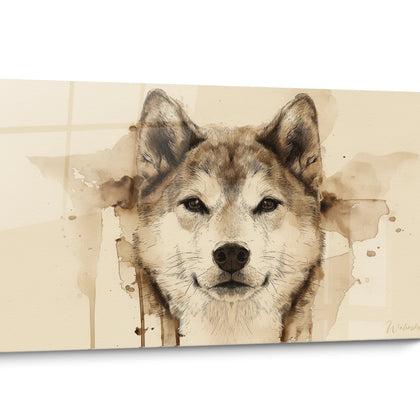
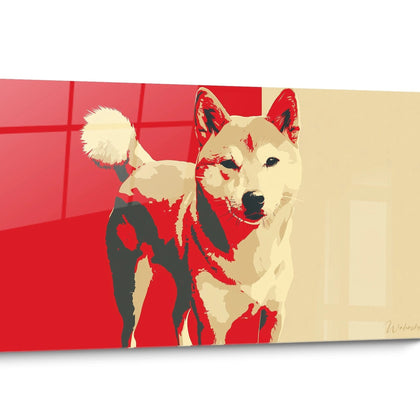
Our Painting Shiba Inu Vintage celebrates this iconic Japanese companion in an authentic retro style. Each artwork captures the mischievous essence and noble character of the Shiba through vintage Shiba Inu portraits with soft and nostalgic tones. These artistic creations bring a touch of timeless elegance to your decoration. Perfect for enthusiasts of this mythical breed, these Japanese canine artworks transform your space into a refined gallery celebrating the beauty of the Shiba Inu.
 Smiling Dog Portrait Painting Vintage Engraving - Faithful Companion - Shiba Inu Edition273,90 €
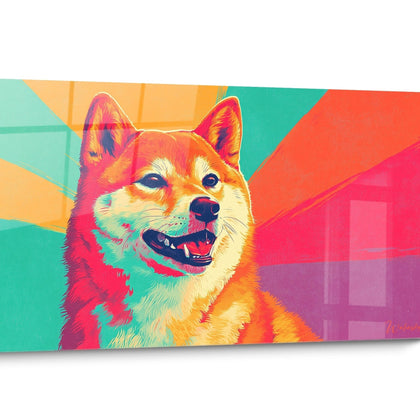
 Shiba Inu with Pink Glasses on Vintage Background - Pop Art Portrait - Shiba Inu Edition273,90 €
 Dog Painting with Pink Glasses on Colorful Vintage Background - Retro Attitude - Shiba Inu Edition228,90 €
Explore further
In Vintage Shiba Inu Dog Wall Art
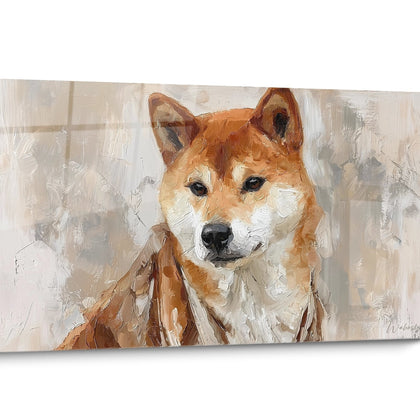
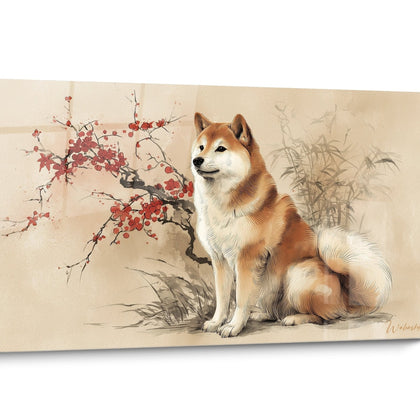

All about Vintage Shiba Inu Dog Wall Art
- Presentation Painting Shiba Inu Vintage
- Retro Japanese-Inspired Décor
- Vintage Canine Aesthetic
- Nostalgic Japanese Atmosphere
The painting Shiba Inu Vintage celebrates the iconic Japanese breed through an evocative retro aesthetic reminiscent of the 50s-70s. This wall representation combines the timeless charm of the Shiba with vintage graphic codes: sepia tones, aged effects, vintage typefaces, and compositions reminiscent of Japanese advertising posters from the era. Designed in a large format to enhance your interior, this wall décor brings a nostalgic and culturally rich touch, ideal for lovers of Japanese culture, enthusiasts of this emblematic breed, and collectors of wall art with historical resonance.
The Visual Legacy of the Shiba Inu in Ancient Japanese Decorative Art
The Shiba Inu Vintage painting draws direct inspiration from traditional representations of this ancestral breed in classic Japanese iconography. Originating from the mountainous regions of the Japanese archipelago, the Shiba Inu already appeared in 19th-century ukiyo-e prints, symbolizing loyalty and domestic protection. This heritage dimension is reflected in the vintage compositions that borrow from the visual codes of the Shōwa era, a period of intense modernization in Japan.
What graphic elements reinforce the vintage authenticity of a Shiba Inu painting?
Authentic creations incorporate controlled aging effects: grainy photographic grain, digitally torn borders, desaturated color palettes oscillating between deep ochres and powdered beiges. Some compositions reproduce the aesthetics of 1960s Japanese dog advertisements, when the Shiba experienced a resurgence in popularity after nearly going extinct during World War II. Typefaces borrow from stylized katakana characters or imported retro Western fonts during the American occupation.
Integration into contemporary Japanese-influenced interiors
For living spaces inspired by wabi-sabi or minimalist Japanese design, this wall décor creates a visual bridge between tradition and modernity. Paired with natural wood furniture, handcrafted ceramic elements, or raw linen textiles, the vintage Shiba Inu painting brings a personal narrative note. In a living room structured around a Japanese coffee table or a shoji screen, it becomes the focal element that anchors the space in a nostalgic temporality without folkloric pastiche.
How to harmonize this painting with other canine artistic representations?
Collectors of animal wall representations particularly appreciate the juxtaposition with more contemporary interpretations. A Shiba Inu Watercolor painting in fluid tones can harmoniously dialogue with a vintage version with more graphic outlines, creating an evolving wall gallery illustrating different artistic eras. This stylistic superposition enriches the visual narrative of the space without creating decorative cacophony.
- Color palettes inspired by Japanese films in Eastmancolor from the 1950s-1970s
- Compositions reminiscent of promotional posters for the first Japanese dog shows
- Textures evoking aged washi paper or vintage offset prints
- Graphic details borrowed from retro Japanese product packaging
Cultural Symbolism and Decorative Appropriation of the Shiba in the Vintage Universe
Beyond its simple animal representation, the painting Shiba Inu Vintage dog conveys a set of cultural meanings deeply rooted in the Japanese imagination. This breed, designated "national treasure" in 1936, embodies values of courage, independence, and dignity that particularly resonate in retro compositions. Vintage illustrations often depict the Shiba in idealized everyday contexts: guardian of a traditional house, companion on walks through historic neighborhoods, or peaceful sentinel in a Zen garden.
The aesthetic renaissance of the "Showa Retro" movement in current decoration
The "Showa Retro" phenomenon is experiencing considerable enthusiasm among Japanese and Westerners aged 30-50, nostalgic for a perceived more authentic and artisanal era. These vintage wall compositions capitalize on this trend by offering a romanticized vision of post-war Japan, a period of reconstruction where ancestral traditions coexisted with American influence. Paintings frequently adopt layouts reminiscent of hand-painted signs from traditional neighborhood shops.
Why does the Shiba Inu emerge as the preferred vintage visual icon?
Unlike Western breeds, the Shiba has an unchanged morphology for centuries, offering ideal visual continuity for historical representations. Its characteristic red coat, natural "smiling" expression, and balanced proportions lend themselves remarkably to vintage graphic treatments. Artists particularly exploit its penetrating gaze and noble posture to create wall portraits with a strong emotional presence, avoiding the pitfall of infantilizing cuteness.
Decorative applications in commercial spaces with a Japanese theme
Authentic Japanese restaurants, specialized tea rooms, traditional object shops, and oriental bookstores are massively adopting these wall representations to strengthen their visual identity. In these professional contexts, a large-format vintage Shiba Inu painting immediately establishes a culturally situated, reassuring atmosphere for customers seeking an immersive experience. Unlike tourist clichés (cherry blossoms, geishas, Mount Fuji), this canine iconography brings a note of connoisseur-appreciated authenticity.
- Visual references to 1960s Japanese railway advertising campaigns
- Evocation of illustrations from Shōwa era women's magazines celebrating domestic life
- Chromatic tones inspired by Yasujirō Ozu's films and their everyday aesthetics
- Balanced compositions according to the asymmetrical principles of traditional Japanese graphic design
Creation of Narrative Atmospheres through the Vintage Shiba Inu Painting
The installation of a painting Shiba Inu Vintage dog transcends simple wall decoration to become an atmosphere narrative generator. These wall representations function as temporal windows opening onto a fantasized Japan, that of the quiet alleys of Yanaka in Tokyo, the preserved districts of Kyoto, or rural villages where time seems to stand still. The large format amplifies this immersive dimension, transforming an ordinary wall into an evocation of another geographical and temporal place.
How does this wall decor influence the spatial perception of living rooms?
In contemporary urban interiors often marked by functional minimalism, this vintage iconography introduces a welcome historical depth. The contrast between the modern environment and the retro representation creates a productive visual tension, preventing the space from falling into impersonality. Real Shiba Inu owners particularly appreciate this artistic celebration of their companion, transforming their habitat into a coherent cultural tribute to this iconic breed.
Hanging strategies to maximize vintage decorative impact
The optimal location is generally on a clear main wall, ideally visible from the entrance of the room to immediately establish the decorative tone. In a home office, this type of representation provides a calming presence without excessive distraction, unlike dynamic abstract works. Lovers of Japanese pop culture often like to pair it with collections of vintage Japanese vinyl records, antique ceramics, or specialized art books, creating a coherent cultural microcosm.
What color combinations enhance the vintage aesthetic of the Shiba painting?
Complementary palettes favor earthy and neutral tones: dove gray, linen beige, faded sage green, muted navy blue. These shades allow the sepia and ochre tones of the painting to stand out without visual competition. Indirect lighting, especially via Edison-style exposed filament lamps, reinforces the retro atmosphere by creating soft shadows reminiscent of silver photography. Avoid overly white LED lighting which would contradict the vintage chromatic warmth.
- Strategic positioning in transitional spaces (corridors, entrances) to create contemplative moments
- Association with Japanese mid-century modern furniture (Sori Yanagi, Isamu Noguchi)
- Integration into gallery walls mixing old family photographs and animal art
- Complementarity with Japanese vintage textiles (framed furoshiki, kasuri fabrics)
FAQ - Frequently Asked Questions about the Vintage Shiba Inu Dog Painting
Is a Vintage Shiba Inu Dog Painting suitable for modern Scandinavian interiors?
Absolutely, the chromatic sobriety and clean lines of many vintage compositions harmonize perfectly with the Nordic aesthetic. The Japan-Scandinavian cultural contrast works remarkably well thanks to common aesthetic values: minimalism, functionality, respect for natural materials, and celebration of natural light.
Can this type of wall decor enhance a professional space like a veterinary clinic?
In specialized veterinary clinics or canine professional offices, this painting brings an appreciated educational and cultural dimension. It signals specific expertise on Japanese breeds, reassures Shiba owners regarding in-depth knowledge of their behavioral particularities, and humanizes the medical space with a personalized artistic touch rather than a generic one.
What visual longevity does a Vintage Shiba Inu Dog Painting offer in the face of changing decorative trends?
The vintage aesthetic has a permanence transcending ephemeral trends precisely because it already references a bygone era. Unlike contemporary trends that quickly date, a well-executed retro representation retains its decorative relevance for decades. The timeless quality of the Shiba as a subject, combined with the historical graphic treatment, guarantees a durable aesthetic value immune to stylistic obsolescence.
Further reading
Our articles on this topic
- Shiba Inu orange painting: the perfect match for a grey sofa
- Square shiba inu painting for hallways: the smart format for narrow spaces
- Akita Inu: A Symbol of Loyalty in Japanese Art
- Original gift idea for a Keeshond dog lover: the painting that hits the mark on any occasion
- Boston Terrier painting gift idea for dog lovers: which style to choose?
- Barzoi painting for a Japandi living room: harmonizing animal elegance and minimalism
L'art qui suscite l'envie
Maison belge d'art mural grand format
14 jourspour changer d'avis*
Protection Walenskyincluse
Fabriquéen Italie
FormatXXL
Kit de fixationtoujours fourni
* Hors tableaux personnalisés et tailles personnalisées


