

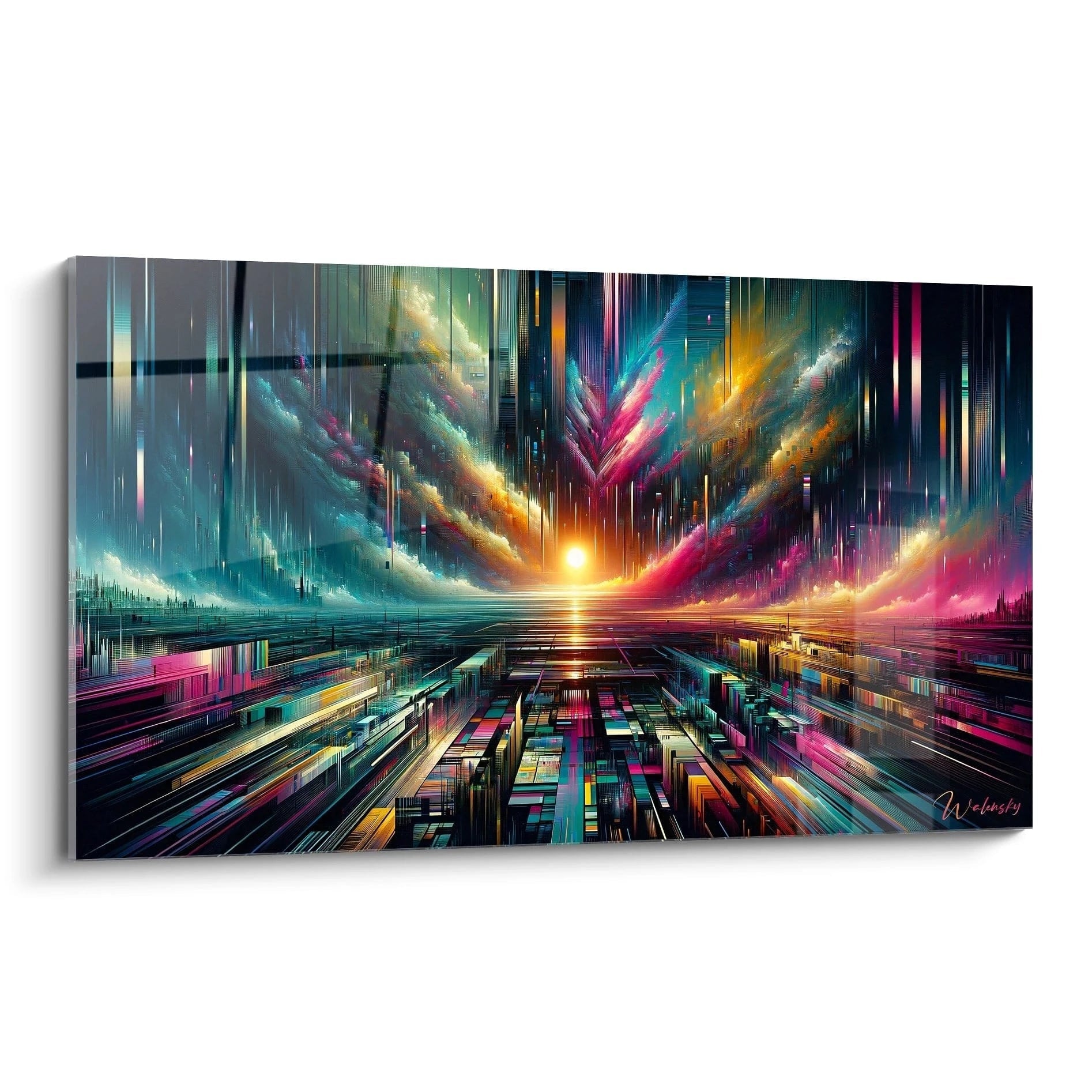
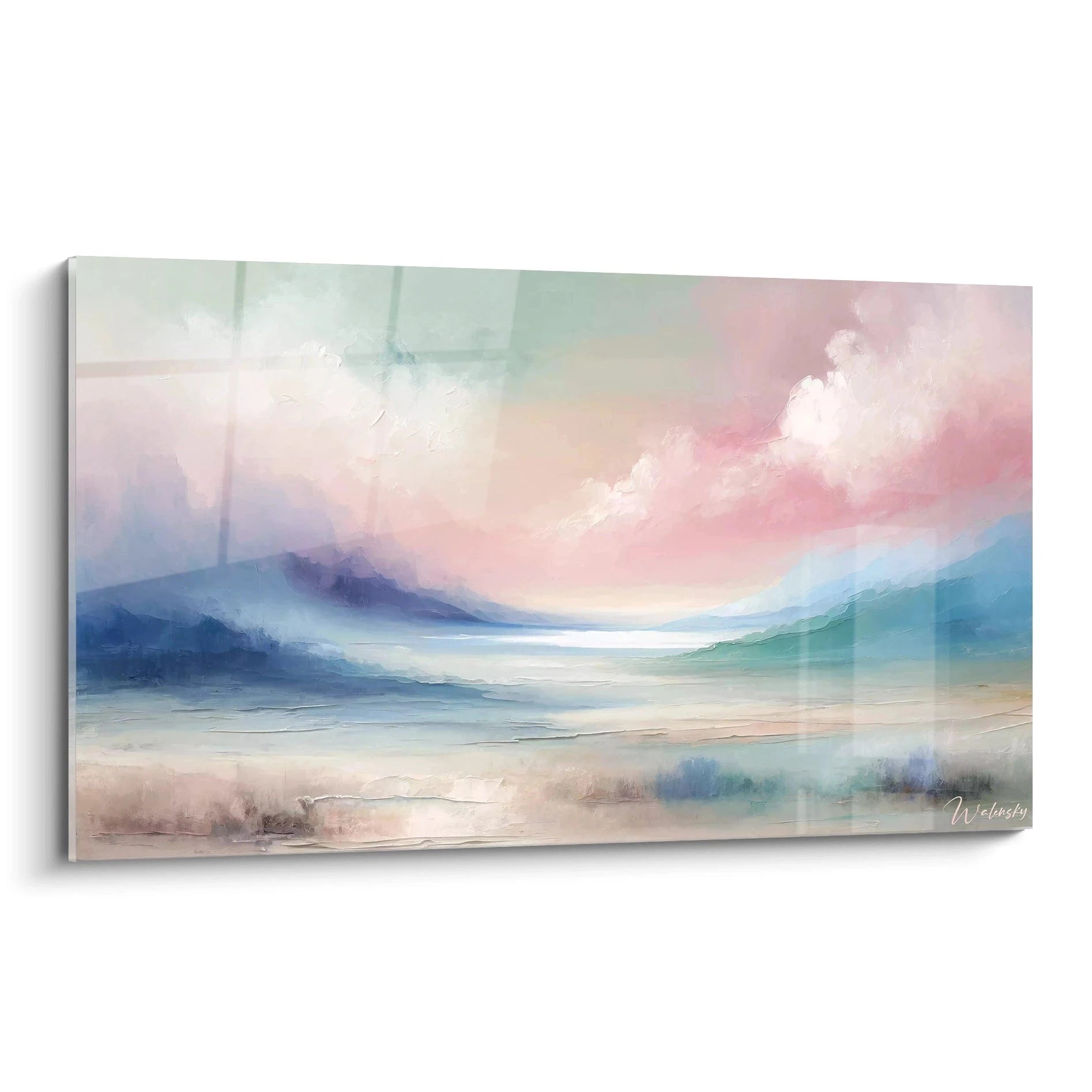


Fashion Illustration Wall Art
Our Painting modern Illustration transforms your space into a true stylish gallery. This exclusive collection celebrates the world of contemporary artistic fashion through sophisticated graphic creations. Each work captures the essence of illustrated fashion design with elegance and modernity. Perfect for refined interiors, these fashion illustrations bring a creative and trendy touch to your decoration. Explore a universe where art meets haute couture in captivating visual compositions.
 Women Portrait Wall Art - Colorful Modern Art Deco - Vintage Fashion Edition273,90 €
 Female Portrait Painting - Vibrant Urban Art - Vintage Fashion Edition228,90 €
 Couture Portrait Painting - Monochrome and Glamour - fashion illustration edition273,90 €
 Burgundy Glasses Painting - 1970s Charm - fashion illustration edition273,90 €
 Summer Fashion Painting - Elegant Colorful Trio - fashion illustration edition273,90 €
 Feminine Icon Painting - Black and Red Glamour - Fashion Illustration Edition273,90 €
 Female Fashion Painting - Hats and Couture Dresses - fashion illustration edition228,90 €
 Female Fashion Painting - Red-Haired Elegance with Blue Glasses - fashion illustration edition228,90 €
 Vintage Fashion Painting - Timeless Parisian Elegance - fashion illustration edition228,90 €
Explore further
In Fashion Illustration Wall Art
-
 Fashion Wall Art696
artworks
Fashion Wall Art696
artworks
-
 Black and White Fashion Wall Art23
artworks
Black and White Fashion Wall Art23
artworks
-
 Pop Art Fashion Wall Art10
artworks
Pop Art Fashion Wall Art10
artworks
-
 Streetwear Fashion Wall Art11
artworks
Streetwear Fashion Wall Art11
artworks
-
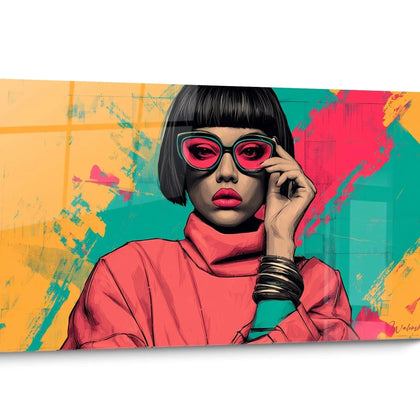 Vintage Fashion Wall Art15
artworks
Vintage Fashion Wall Art15
artworks
-
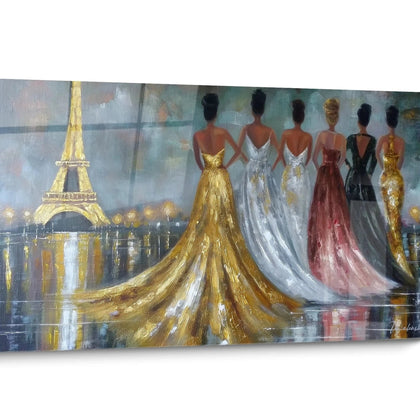 High Fashion Wall Art14
artworks
High Fashion Wall Art14
artworks
-
 Male Fashion Portrait Wall Art24
artworks
Male Fashion Portrait Wall Art24
artworks
-
 Golden Fashion Wall Art19
artworks
Golden Fashion Wall Art19
artworks
-
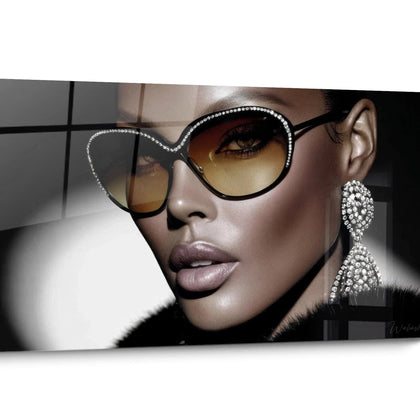 Fashion Accessories Wall Art8
artworks
Fashion Accessories Wall Art8
artworks


All about Fashion Illustration Wall Art
- Painting Presentation Fashion Illustration Mode
- Contemporary Fashion Illustrations
- Fashion Graphic Aesthetic
- Fashion Artistic Creations
The fashion illustration painting represents the perfect union between contemporary graphic art and the world of luxury ready-to-wear. These large-scale wall creations transform stylist sketches and fashion drawings into true artistic statements for sophisticated interiors. Designed for generous spaces, these paintings capture the timeless elegance of fashion illustrations that adorn Parisian, Milanese, and New York runways. Their imposing format allows one to appreciate each pencil stroke, each flowing curve, and each garment detail with museum-like precision. The fashion illustration mural has become the refined alternative to classic fashion photography, offering a more conceptual and dreamlike dimension to luxury boutiques, showrooms, spacious dressing rooms, and urban lofts.
Fashion illustration as a visual manifesto in contemporary space
The fashion illustration painting embodies a major decorative trend that seduces both fashion industry professionals and graphic art enthusiasts. These large-format wall compositions transcend simple reproduction to become true conceptual works where the poetry of fashion drawing is expressed.
Why choose a fashion illustration over a fashion photograph?
Fashion illustration offers unparalleled creative freedom, allowing one to explore exaggerated proportions, impossible poses, and stylized graphic renderings that enhance silhouettes. Unlike photographic shots, these drawn creations evoke the very essence of clothing without the constraint of realism. Major fashion houses also prefer these artistic representations for their showrooms because they convey a more exclusive and timeless imagery. A large-format fashion illustration painting thus becomes an aesthetic manifesto that dialogues with the collections on display.
The specific graphic codes of fashion mural illustrations
The fashion paintings illustration are distinguished by their recognizable visual codes: flowing ink lines, vaporous watercolors, mixed techniques combining pencil sketches and digital enhancements. The elongated silhouettes with stylized proportions of 9 to 12 heads create an upward dynamic particularly suited to the high walls of luxury commercial spaces and creative workshops. Strategic empty spaces around the figures allow for essential visual breathing in contemporary minimalist environments.
Integration into professional fashion environments
For concept stores and flagship stores, a monumental fashion illustration painting constitutes an immediate focal point that reinforces brand identity. Positioned facing the entrance or in the VIP fitting area, it creates total immersion in the house's creative universe. Trend agencies and styling offices use it as a permanent visual reference during brainstorming sessions, while fashion schools use it as inspiring teaching tools. To complement this sophisticated atmosphere, pairing it with a fashion accessories painting allows one to create a complete visual narrative celebrating all aspects of sartorial elegance.
Current stylistic trends in fashion mural illustration
Linear minimalism currently dominates with its clean silhouettes traced in a few expressive brushstrokes. Black and white monochrome compositions remain popular for their timeless elegance and ability to harmonize with any environment. Simultaneously, colorful illustrations with bold palettes inspired by the 1980s are experiencing a resurgence, particularly in neo-Memphis spaces and maximalist interiors. Extra-wide vertical formats accentuate the theatricality of poses and are perfectly suited to converted industrial architectures.
Composition and visual dramaturgy of a fashion illustration painting
The decorative effectiveness of a fashion illustration painting relies on a skillful orchestration of graphic elements that transform a simple drawing into an immersive visual experience. Understanding these artistic mechanisms allows to optimize their impact in living and commercial spaces.
How does fashion illustration structure architectural space?
A large-format fashion illustration painting functions as a structural element in its own right, capable of redefining the proportions of a room. The elongated vertical silhouettes create an illusion of height, particularly valuable in spaces with constrained volumes. In spacious showrooms, several illustrations arranged in a triptych generate a visual rhythm that naturally guides the customer's path. The negative spaces around the drawn figures dialogue with the empty spaces of minimalist architecture, creating a global aesthetic coherence.
Staging techniques to maximize visual impact
The strategic installation of a fashion illustration painting requires particular attention to the lighting environment. Illustrations with fine lines benefit from grazing light that accentuates the texture and depth of the support, while colorful compositions thrive under diffused light that preserves the saturation of the pigments. In prêt-à-porter boutiques, positioning facing fitting areas creates immediate inspiration for customers. Interior architects now prefer these graphic works in reception areas to signify their mastery of contemporary aesthetic codes.
Decorative associations and visual ecosystem around fashion illustration
The decorative power of the fashion illustration painting is amplified when it is integrated into a coherent ecosystem. Furniture with clean Bauhaus or Scandinavian lines constitutes ideal partners that do not compete visually. Noble materials such as veined marble, brushed brass, and textured fabrics create a rich sensory dialogue with the graphic dimension of the fashion drawing. In personal dressing rooms, the combination with minimalist clothing displays transforms the space into a private gallery celebrating the art of dress.
Narrative dimension and visual storytelling
Unlike frozen photographic representations, the fashion illustration mural has a unique narrative capacity thanks to its stylization. Exaggerated poses, impossible drapes, and oversized accessories tell a story that transcends the simple presentation of clothing. This dreamlike dimension particularly appeals to collectors of contemporary art who see it as a successful fusion of applied arts and fine arts. Series of illustrations representing the evolution of a capsule collection or variations on a creative theme become prized visual chronicles in specialized fashion-art galleries.
Selection and valuation of the fashion illustration painting in premium spaces
Acquiring a large-format painting fashion illustration represents a strategic decorative investment that requires careful consideration of the suitability between the artwork, the hosting space, and the desired aesthetic goals.
Selection criteria for luxury commercial spaces
For concept stores and flagship stores, the choice of a fashion illustration painting should reflect the brand's DNA while maintaining visual consistency with the interior architecture. Illustrations with restricted color palettes harmonize with minimalist concepts, while colorful compositions energize spaces needing a visual boost. Monumental formats naturally impose themselves in double-height areas where they rival the architecture itself. Merchandising managers now favor these artistic creations that are renewed with the rhythm of seasonal collections, unlike permanent installations.
Why do contemporary art collectors take an interest in fashion illustrations?
The contemporary art market is gradually recognizing fashion illustration as a legitimate artistic discipline, just like street art or digital art. Works by renowned illustrators who have collaborated with major fashion houses achieve significant valuations during specialized sales. A painting fashion illustration signed is thus a cultural asset that combines daily aesthetic pleasure and potential appreciation. Mixed art-design galleries now dedicate entire exhibitions to these graphic creations that capture the spirit of an era with the same acuity as traditional conceptual works.
Optimization of conservation and wall presentation
Large-format fashion illustrations require particular attention regarding their preservation over time. Giclée printing techniques on museum-quality supports guarantee color stability for decades, provided exposure to direct UV rays is avoided. Invisible hanging systems preserve the visual purity of the artwork by eliminating any traditional frame, favoring discreet rear fixings. In humid environments like some luxury wellness spaces, specific protections now allow these graphic creations to be integrated without risk of deterioration.
Seasonal evolution and artwork rotation
Avant-garde commercial spaces adopt a museum-like approach by renewing their paintings fashion illustration with the rhythm of fashion seasons. This permanent rotation maintains a visual freshness that fosters customer loyalty and creates events around each new installation. Creative workshops and fashion houses visually document the evolution of their aesthetic vocabulary through these regular changes. For residential interiors, this flexibility allows the ambiance of the dressing room or boudoir to be adapted according to the inspirations of the moment, transforming the space into an evolving personal gallery.
FAQ - Frequently asked questions about the fashion illustration painting
What dimensions should be prioritized for a fashion illustration painting in a professional showroom?
For showrooms and commercial spaces, formats starting from 120 cm in height create the necessary visual impact. Vertical compositions between 150 and 200 cm optimally exploit the high walls of concept stores and generate a monumental presence that rivals the architecture. In residential spaces with standard ceilings, dimensions of 100 to 140 cm offer an ideal balance between a strong presence and proportional harmony.
Is a fashion illustration painting suitable for contemporary masculine interiors?
Absolutely, men's fashion illustrations with refined graphic treatments blend seamlessly into sophisticated masculine interiors. Monochrome compositions depicting silhouettes in suits or structured casual wear bring a subtle elegance to private offices, dressing rooms, and reception areas. Sketching techniques with a bold line or gestural ink lend a graphic virility highly appreciated in industrial interiors and urban lofts.
How to combine several fashion illustration paintings without creating visual cacophony?
Stylistic consistency is the key to a harmonious wall composition. Favor illustrations sharing the same technique (watercolor, ink drawing, digital) or a common color palette. Triptych arrangements with a regular spacing of 15 to 20 cm create an elegant visual rhythm. For gallery walls, alternating fashion illustrations and painting fashion accessories generates a complete visual narrative celebrating the fashion universe as a whole while avoiding thematic monotony.
Further reading
Our articles on this topic
- Statement Living Room Painting: How to Choose the Piece That Transforms Your Space
- How to Choose the Ideal Location for a Wall Artwork in a Fashion Showroom?
- Gift idea: fashion illustration painting for a stylist - the ultimate guide
- Black and white fashion portrait painting: the ideal fashion touch for a women's dressing room
- How to Pair Fashion Wall Art with Contemporary Furniture Without Clashing?
- Which wall print to choose for a fashion-forward bedroom
L'art qui suscite l'envie
Maison belge d'art mural grand format
14 jourspour changer d'avis*
Protection Walenskyincluse
Fabriquéen Italie
FormatXXL
Kit de fixationtoujours fourni
* Hors tableaux personnalisés et tailles personnalisées


