


Colorful Sunflower Wall Art
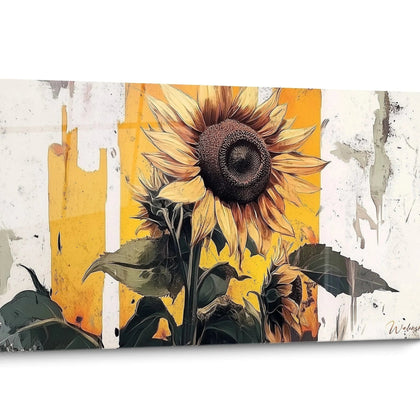
Our Sunflower Painting Colorful collection celebrates the vibrant beauty of these iconic solar flowers. Each artwork captures the energetic vibrancy and luminosity of sunflowers through bold and joyful palettes. These vivid sunflower paintings bring warmth and optimism to your interior decoration. Perfect for creating a sunny atmosphere, these contemporary floral artworks enhance living rooms, bedrooms and living spaces with elegance and character.
 Sunflower Wall Art No. 1 - Nature Edition273,90 €
 Sunflower Painting No. 6 - Nature Edition273,90 €
 Sunflower Painting No.4 - Nature Edition273,90 €
 Sunflower Painting No.3 - Nature Edition273,90 €
 Sunflower Wall Art No. 2 - Nature Edition273,90 €
Explore further
In Colorful Sunflower Wall Art

All about Colorful Sunflower Wall Art
- Presentation Sunflower Painting Colorful
- Chromatic Solar Expression
- Botanical Visual Intensity
- Exuberant Floral Decoration
A Sunflower Painting colorful radically transforms the atmosphere of a space by bringing a chromatic explosion inspired by the iconic flower. These large-format creations capture solar energy through bold palettes blending incandescent yellows, vibrant oranges, and touches of cobalt blue. Unlike classic botanical compositions, these works prioritize chromatic interpretation over faithful reproduction, creating masterpieces for contemporary spaces requiring a strong visual signature. Pigment variations translate different emotional intensities depending on the harmonies chosen.
Chromatic Explosion: When the Sunflower Becomes a Kaleidoscope
The Sunflower Painting colorful transcends traditional botanical representation to become a true chromatic manifesto. Unconventional nuances such as electric fuchsias, tropical turquoises, and deep purples coexist with the expected solar tones, creating an incomparable visual symphony. This multicolored approach amplifies the spatial presence of the work in large rooms with abundant natural light.
What chromatic palette intensifies the visual impact of a decorative sunflower?
Complementary contrasts between lemon yellows and aubergine purples generate a captivating optical vibration. The addition of superimposed pigment layers creates a three-dimensional depth, particularly effective for compositions exceeding 120 centimeters. Saturation gradations naturally direct the gaze towards the heart of the floral composition, the nerve center of visual energy. Touches of vermilion and emerald green in the secondary petals accentuate the overall dynamism.
Chromatic integration strategies for spaces with a neutral base
In minimalist interiors with gray or beige tones, a colorful sunflower painting serves as an exclusive focal point. The pigment explosion contrasts radically with the surrounding clean surfaces, creating a sophisticated visual balance. For large wall surfaces exceeding 3 meters in width, the multicolored floral work structures the space without requiring additional decorative elements.
Light interactions according to spatial orientation
East and southeast orientations particularly benefit compositions with cadmium yellow and chrome orange pigments. Morning light passes through the less dense chromatic areas, projecting subtle colored reflections onto adjacent walls. In west-facing spaces, paintings incorporating Bengal roses and vermilion reds spectacularly illuminate during sunset, transforming the evening ambiance. This photosensitive interaction justifies a chromatic selection aligned with architectural orientation.
Decorative Power: The Polychrome Sunflower as Spatial Anchor
A large-scale Sunflower Painting colorful instantly establishes the visual hierarchy of a room. Unlike discreet floral motifs, these pigment-saturated compositions command attention and orient the gaze. Formats exceeding 150 centimeters create a monumental presence comparable to architectural wall installations, particularly suitable for professional reception areas and high-end residential spaces.
How does a multicolored sunflower change the perception of space?
Petal-like radiations naturally direct the gaze outwards from the center of the composition, creating a perceived visual expansion. This radial configuration optically enlarges restricted spaces while bringing an organic structuring. The chromatic variations between adjacent petals generate a subtle rotating movement captivating the eye during repeated passages. To maximize this effect, positioning facing the main entrance transforms the artwork into an immersive welcome element.
Decorative associations amplifying the colorful floral dominance
Furniture with clean lines in raw materials such as polished concrete or brushed steel counterbalance the chromatic exuberance of the sunflower. The integration of textiles in a shade extracted from the pictorial palette creates subtle reminders without visual redundancy. Living plants with graphic foliage such as Monstera or Strelitzia reinforce the botanical theme without direct chromatic competition. This compositional approach preserves the visual supremacy of the painting sunflower colorful expressionist as a decorative protagonist.
Optimal wall enhancement for monumental formats
Basement walls in natural stone or exposed brick create a contrasting texture enhancing the smooth pictorial surfaces. Centered installation at mid-height rather than high preserves visual intimacy with the floral composition. For multi-panel configurations, a spacing of 5 to 8 centimeters between sections maintains narrative cohesion while emphasizing the total amplitude. Indirect grazing lighting accentuates the pigment reliefs without creating parasitic reflections.
Energetic Symbolism: The Polychrome Sunflower As Mood Catalyst
The colorful sunflower painting conveys a distinctive emotional charge thanks to its double botanical and chromatic symbolism. The solar flower naturally evokes vitality and positivity, exponentially amplified by the pigment intensity. This combination produces a stimulating psychological effect, particularly sought after in spaces requiring a dynamic atmosphere such as reception halls, creativity rooms or socialization areas.
What psychological impact does an ultra-colorful floral representation generate?
Neuroscience demonstrates that repeated exposure to varied chromatic palettes stimulates serotonin production. Multicolored floral compositions maintain visual interest over the long term thanks to the perceived informational richness by the visual cortex. Each observation session reveals new pigment details or tonal interactions previously unnoticed. This progressive discovery prevents visual saturation common to monochromatic or repetitive geometric works.
Chromatic adaptations according to spatial functions
For creative professional spaces, paintings integrating bold complements stimulate cognitive innovation. In residential environments dedicated to relaxation, analogous harmonies dominated by oranges, yellows and pinks create a enveloping warmth. Passage areas benefit from compositions centered on warm-cold contrasts maintaining a visual activation without overstimulation. This functional calibration optimizes the adequacy between decorative intention and daily use.
Long-term aesthetic durability of saturated floral compositions
Unlike fleeting decorative trends, the iconography of the sunflower transcends stylistic eras thanks to its universal symbolic charge. The contemporary chromatic approach rejuvenates this ancestral motif, guaranteeing lasting aesthetic relevance. Museum-quality pigments resist photochemical alterations even under intense light exposure, preserving the original vibrancy for decades. This chromatic permanence makes it a lasting decorative investment for spaces requiring a stable visual signature.
Frequently Asked Questions about Colorful Sunflower Paintings
Would a colorful sunflower painting suit traditional classic interiors?
Absolutely, the contemporary chromatic approach creates a captivating visual dialogue with old paneling and classic moldings. The contrast between modern floral exuberance and traditional architectural sobriety generates a sophisticated aesthetic tension. For heritage spaces, prioritize vertical rectangular formats reminiscent of the proportions of classic portraits.
What dimension should be favored to maximize the impact of a colorful sunflower painting?
For main walls, aiming for a minimum width of 120 centimeters guarantees a monumental presence. Heights between 80 and 100 centimeters create a harmonious ratio without visual overwhelming. In cubic spaces, square formats of 100x100 centimeters stabilize spatial proportions while maintaining chromatic power.
How to maintain the chromatic saturation of a colorful sunflower painting over time?
Avoid prolonged direct exposure to ultraviolet rays, which accelerate pigment degradation. Dusting every three months with an antistatic microfiber preserves the clarity of the surfaces. For compositions behind glass protection, clean with an alcohol-based solution without ammonia, avoiding residual streaks. These simple gestures maintain the original chromatic intensity for generations.
L'art qui suscite l'envie
Maison belge d'art mural grand format
14 jourspour changer d'avis*
Protection Walenskyincluse
Fabriquéen Italie
FormatXXL
Kit de fixationtoujours fourni
* Hors tableaux personnalisés et tailles personnalisées


