


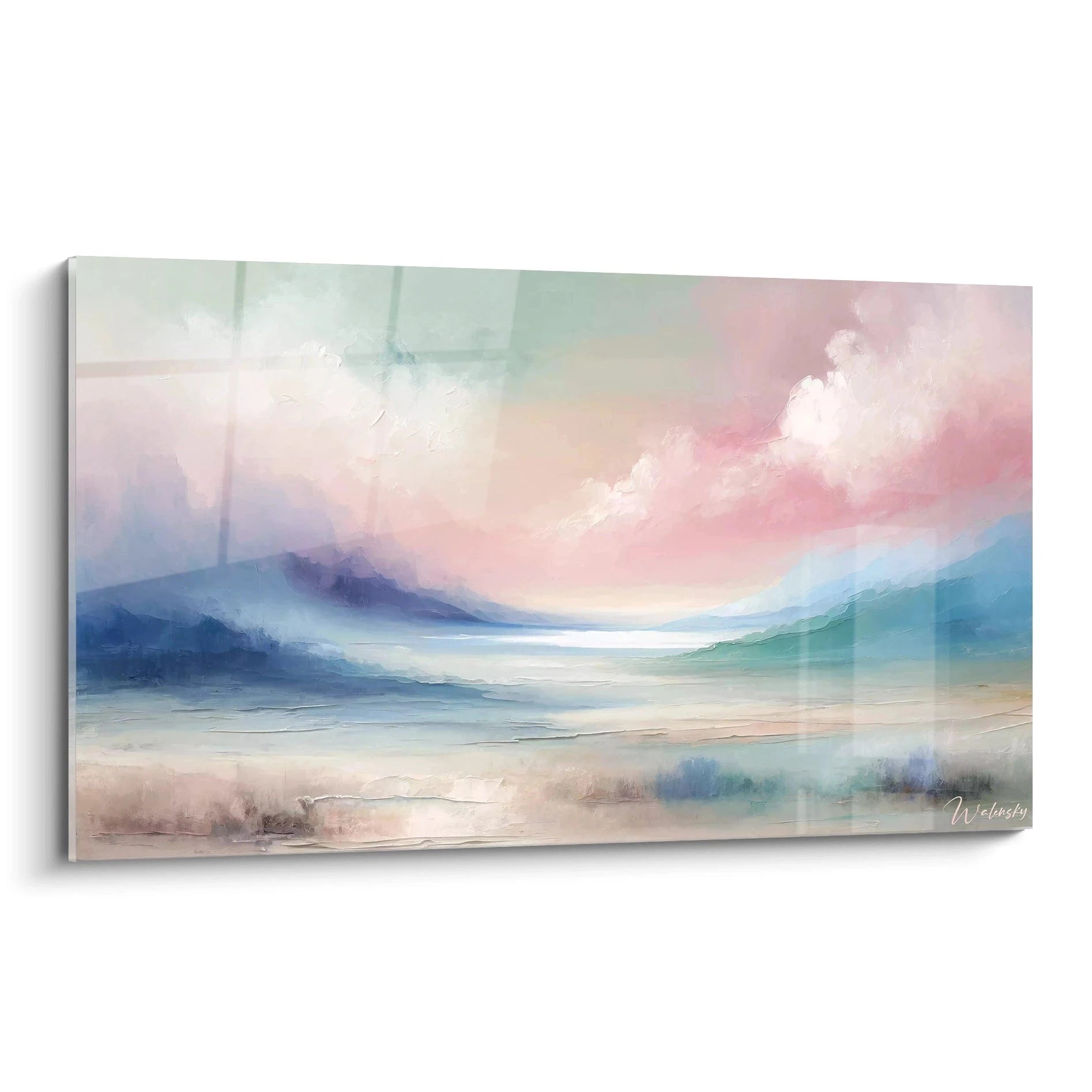


Colorful Expressionist Sunflower Wall Art
The Colorful Sunflower Painting Expressionist celebrates the emotional power of nature through vibrant compositions. This collection revisits the iconic sunflower motif with a bold palette and expressionist brushstrokes that convey vitality and joy. Each work captures the luminous essence of these solar flowers in a contemporary artistic style where colors explode in harmony. Perfect for illuminating your interior, these creations bring warmth and character to all your living spaces.
 Sunflower Painting No. 6 - Nature Edition273,90 €
 Sunflower Painting No.4 - Nature Edition273,90 €
 Sunflower Painting No.3 - Nature Edition273,90 €
 Sunflower Wall Art No. 2 - Nature Edition273,90 €

All about Colorful Expressionist Sunflower Wall Art
- Presentation Sunflower Painting Colorful Expressionist
- Expressionism and Sunflowers
- Chromatic Dynamism
- Decorative Integration
A sunflower painting colorful expressionist radically transforms the energy of an interior thanks to its emotional treatment of colors and intense pictorial gesture. This artistic approach transcends simple floral representation to create a chromatic explosion that captures the eye and stimulates emotions.
Floral Expressionism: When the Sunflower Becomes Pure Emotion
How does expressionism reinvent the representation of the sunflower?
The colorful expressionist sunflower painting is part of an artistic tradition where the distortion of forms and exaggeration of tones serve the expression of raw emotion. Unlike faithful botanical representations, this approach prioritizes visceral impact over accuracy. Petals deform into energetic brushstrokes, floral hearts become whirlwinds of intense pictorial matter, while stems twist in expressive gestures that evoke movement and organic vitality.
This artistic interpretation of the sunflower notably explores emotional contrasts through violent chromatic oppositions. Acid yellows are juxtaposed with electric blues, incandescent oranges dialogue with deep purples, creating a visual tension that keeps the eye constantly alert. For those who appreciate this chromatic boldness, our collection of colorful sunflower paintings offers different variations of this expressive palette.
The expressionist gesture at the service of monumentality
The generous formats of an expressionist painting amplify the dramatic effect of visible brushstrokes and textured impastos. On a large dimension, each pictorial gesture becomes sculptural, creating reliefs that change the appearance of the work according to the angle of observation and the quality of ambient light. This pronounced materiality transforms the painting into a three-dimensional object that physically dialogues with the architectural space.
Why choose an expressionist sunflower for a contemporary space?
The alliance of a recognizable natural motif and a radical pictorial treatment creates a fascinating point of balance. The sunflower remains identifiable despite its expressionist deformation, offering a reassuring figurative anchor while offering a sophisticated artistic reading. This duality is particularly suitable for interiors that seek to reconcile visual accessibility and aesthetic requirements, especially in reception areas where the work becomes a natural conversation starter.
The emotional intensity conveyed by violent chromatic contrasts and impulsive gestures infuses dynamic energy into neutral or minimalist spaces. A large-scale colorful expressionist sunflower painting acts as an ambiance catalyst, transforming a refined living room into a vibrant space or bringing an expressive counterbalance to a rigorous architecture.
Chromatic Explosion: The Expressive Palette of the Reinvented Sunflower
Dissonant chords at the heart of floral expressionism
An expressionist sunflower painting pushes the boundaries of traditional chromatic conventions to explore bold combinations that defy visual expectations. Yellows classically associated with sunflowers are enriched with neon, acidic or saturated hues to incandescence. These solar tones dialogue with exacerbated complements: vibrant mauves, intense cobalt blues, electric emerald greens that create stimulating optical vibrations.
This deliberate chromatic saturation generates a powerful visual presence that dominates its immediate environment. In a large format, the immersive effect becomes total, transforming the spatial perception of the entire room. The colors mentally overflow the frame to tint the surrounding atmosphere with a palpable colorful energy.
What psychological effects does this chromatic intensity produce?
Research in color psychology reveals that saturated and contrasting palettes stimulate brain activity and positively influence mood. An expressionist painting with vibrant hues activates the brain areas associated with emotion and creativity, functioning as a daily visual stimulant. This constant activation is particularly suitable for creative workspaces, artists' studios, or offices requiring constant intellectual stimulation.
The oscillation between recognition of the familiar motif (the sunflower) and chromatic shock (the unnatural colors) creates a productive cognitive tension that maintains visual interest over time. Unlike conventional decorative works that quickly become transparent to the accustomed gaze, colorful expressionism retains its renewed power of surprise.
Integration strategies for intense expressionist palettes
Introducing a colorful expressionist sunflower painting into an existing environment requires a thoughtful approach to maximize its impact without creating visual cacophony. The most effective strategy is to establish the artwork as a unique chromatic focal point in an environment with neutralized tones. White, pearl gray, or linen beige walls create a sober setting that amplifies the power of expressionist colors by contrast.
For lovers of maximum saturation, an alternative approach is to strategically reflect certain shades of the artwork in occasional decorative elements: a cushion echoing the vibrant violet, a vase echoing the electric blue, thus creating chromatic correspondences that unify the space while preserving the visual dominance of the painting. This technique of selective chromatic echo generates a sophisticated decorative coherence without diluting the impact of the main artwork.
Monumental Presence: Integrating Expressionist Energy into Contemporary Architecture
The expressionist artwork as spatial redefinition
A large-scale colorful expressionist sunflower painting does not simply decorate a wall; it visually restructures the architectural space it inhabits. Its intense chromatic presence and expansive gesture create a new visual center of gravity that reorganizes the perception of volumes. In a loft with high ceilings, the monumental artwork establishes an expressive verticality that balances the dominant horizontality. In a standard-sized living room, it generates illusory depth through its superimposed pictorial layers and value contrasts.
This ability to transform space is particularly suitable for minimalist or industrial architectures where structural austerity calls for a strong emotional counterpoint. Raw concrete, brushed steel, or glass naturally dialogue with the exuberant pictorial expressionism, creating an enriching material dialectic between constructive rigor and gestural freedom.
What hanging configurations amplify the expressionist impact?
The strategic positioning of an expressionist painting maximizes its chromatic and emotional radiance. On a wall perpendicular to natural light sources, the artwork captures the lateral light that accentuates its textured reliefs and makes its saturated colors vibrate. This orientation reveals the materiality of the impasto throughout the day, transforming the artwork into an emotional sundial whose appearance evolves with the course of light.
For circulation spaces like generous hallways or entrance halls, the effect of progressive discovery amplifies the dramatic impact. The viewer first perceives an intense chromatic mass before gradually distinguishing the expressionist floral motif, creating a sequence of revelation that transforms daily movement into a renewed aesthetic experience.
Pairing with contemporary furniture and materials
Expressionist floral art finds its most successful echoes in environments that balance structural sobriety with tactile details. A sofa with clean lines in a natural textured textile (crumpled linen, looped wool) creates a tactile continuity with the visible pictorial material while preserving a formal restraint that enhances the exuberance of the wall art. Woods with pronounced grains (solid oak, veined walnut) establish a subtle organic connection with the vegetal motif without competing with its chromatic presence.
Strategically positioned reflective materials amplify chromatic diffusion: a smoked glass coffee table subtly captures and diffuses the colors of the wall art, lacquered surfaces reflect colorful highlights, creating a luminous circulation that extends the influence of the artwork beyond its physical perimeter.
Would a colorful expressionist sunflower wall art be suitable for professional spaces?
Absolutely. In creative offices, communication agencies, or architectural firms, an expressionist wall art affirms a bold visual identity and stimulates divergent thinking. Its chromatic energy combats the monotony of standard tertiary environments while projecting an image of dynamism and innovation to visitors.
How to maintain the vividness of the colors in a colorful expressionist sunflower wall art?
Preserving color intensity requires protection from prolonged exposure to UV rays, which can alter certain saturated pigments. Positioning away from direct sunlight or using filtered glazing preserves the original chromatic saturation. Gentle occasional dusting with a microfiber cloth is sufficient to maintain the clarity of the colors without aggressive intervention.
What is the optimal viewing distance to fully appreciate a monumental expressionist wall art?
Expressionist gestures require two complementary modes of reading: a close-up view reveals the virtuosity of the pictorial gesture, the impasto, and the chromatic complexity of the superimpositions; a distant view allows you to grasp the overall composition and the harmony of the colored masses. Allowing a distance of 2 to 3 meters enables this enriching double reading that constantly renews the visual experience.


