



Borzoi Dog Canvas
The Borzoi Canvas celebrates the aristocratic elegance of the Russian sighthound through an exceptional artistic collection. Each artwork captures the feline grace and elongated silhouette of this noble breed dog, immortalizing its proud bearing and silky coat. These wall creations bring a touch of sophisticated refinement to your interior décor. Perfect for lovers of elegant Russian sighthounds, this collection transforms your spaces into an art gallery dedicated to this majestic breed, a symbol of aristocracy and timeless beauty.
 Greyhound Portrait Painting Golden and Turquoise Tones - Artistic Elegance - Borzoi Edition228,90 €
 Russian Greyhound Watercolor Portrait Painting - Aristocratic Elegance - Borzoi Edition228,90 €
 Elegant Portrait Wall Art in Beige and Pink Tones - Captivating Gaze - Borzoi Edition228,90 €
 Greyhound with Noble Profile on Colorful Geometric Background - Artistic Portrait - Borzoi Edition228,90 €
Explore further
In Borzoi Dog Canvas
-
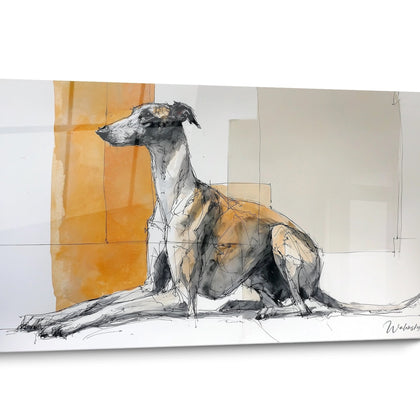 Borzoi Dog Watercolor Painting3
artworks
Borzoi Dog Watercolor Painting3
artworks
-
 Golden Borzoi Dog Wall Art7
artworks
Golden Borzoi Dog Wall Art7
artworks
-
 Borzoi Dog Painting Portrait18
artworks
Borzoi Dog Painting Portrait18
artworks
-
 Modern Borzoi Dog Canvas Art10
artworks
Modern Borzoi Dog Canvas Art10
artworks
-
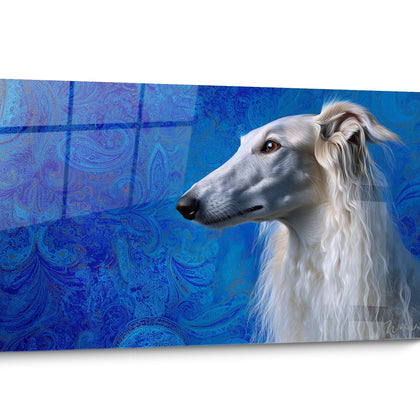 White Borzoi Dog Canvas11
artworks
White Borzoi Dog Canvas11
artworks
-
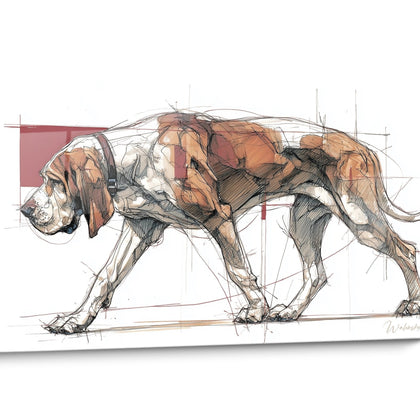 Bloodhound Dog Canvas28
artworks
Bloodhound Dog Canvas28
artworks
-
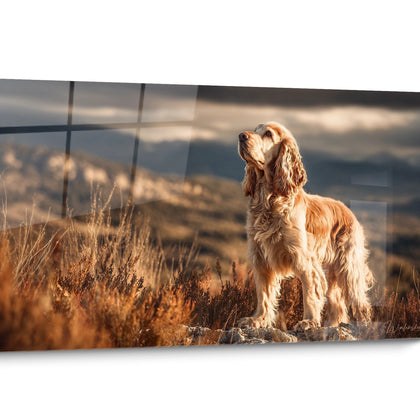 American Cocker Spaniel Wall Art36
artworks
American Cocker Spaniel Wall Art36
artworks
-
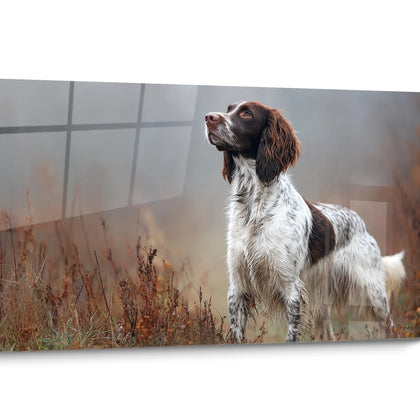 English Springer Spaniel Dog Painting32
artworks
English Springer Spaniel Dog Painting32
artworks
-
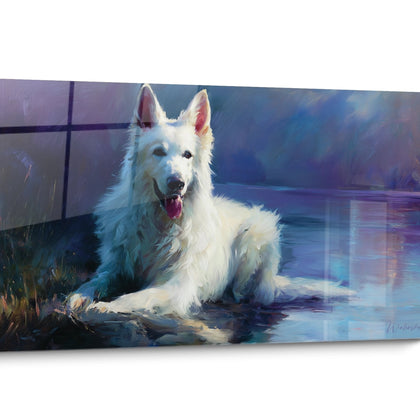 White Swiss Shepherd Dog Wall Art29
artworks
White Swiss Shepherd Dog Wall Art29
artworks
-
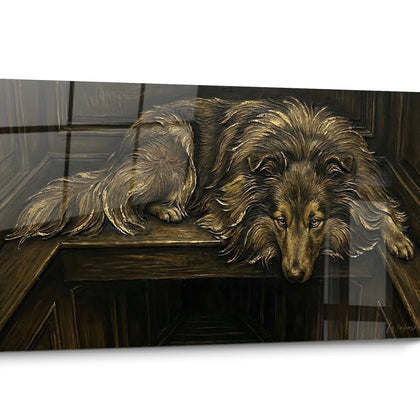 Shetland Sheepdog Wall Art32
artworks
Shetland Sheepdog Wall Art32
artworks
-
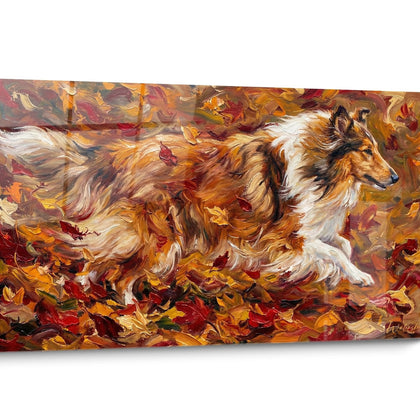 Collie Wall Art33
artworks
Collie Wall Art33
artworks
-
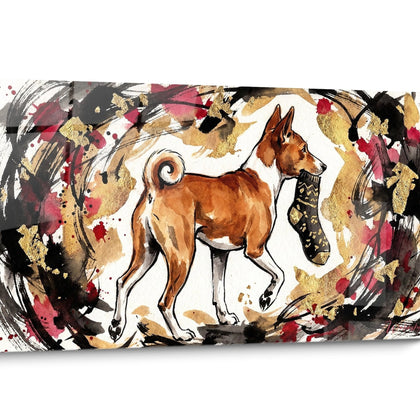 Basenji Dog Wall Art50
artworks
Basenji Dog Wall Art50
artworks
-
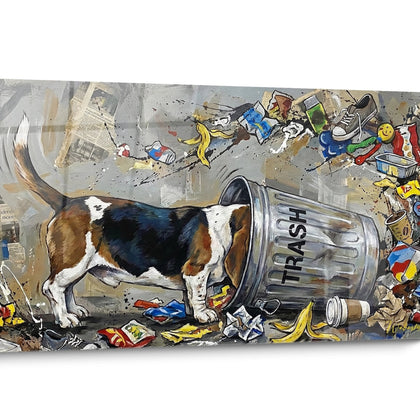 Basset Hound Dog Canvas Art35
artworks
Basset Hound Dog Canvas Art35
artworks
-
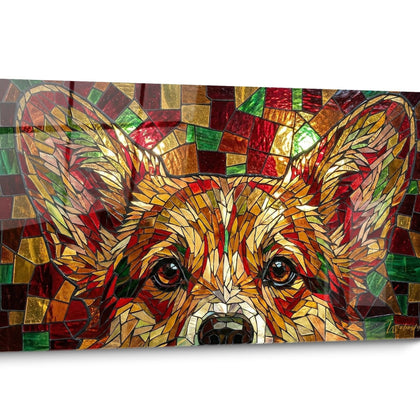 Corgi Pembroke Dog Canvas51
artworks
Corgi Pembroke Dog Canvas51
artworks
-
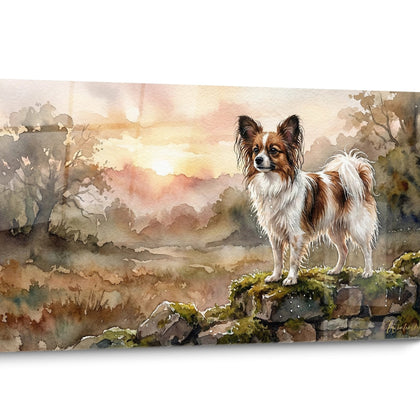 Papillon Dog Wall Art47
artworks
Papillon Dog Wall Art47
artworks
-
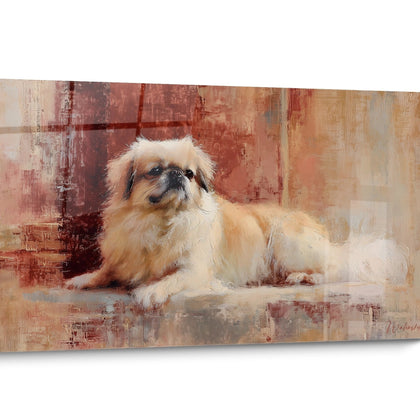 Pekingese Dog Painting29
artworks
Pekingese Dog Painting29
artworks
-
 Lhassa Apso Dog Wall Art32
artworks
Lhassa Apso Dog Wall Art32
artworks
-
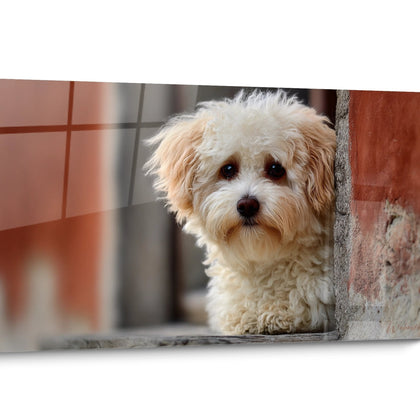 Havanese Dog Canvas Art28
artworks
Havanese Dog Canvas Art28
artworks
-
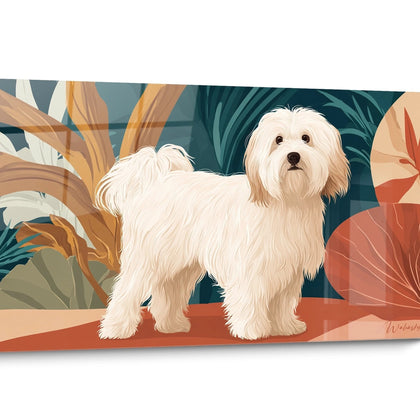 Cotton de Tulear Dog Wall Art20
artworks
Cotton de Tulear Dog Wall Art20
artworks
-
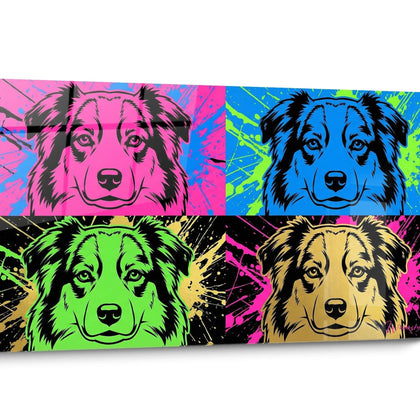 Miniature American Shepherd Dog Wall Art32
artworks
Miniature American Shepherd Dog Wall Art32
artworks
-
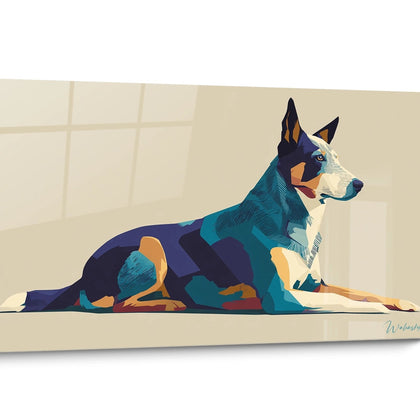 Australian Cattle Dog Wall Art21
artworks
Australian Cattle Dog Wall Art21
artworks
-
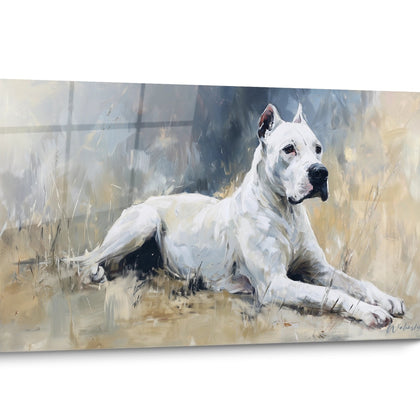 Argentine Dogue Wall Art24
artworks
Argentine Dogue Wall Art24
artworks
-
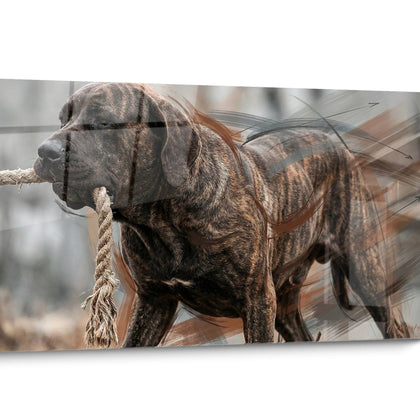 Fila Brasileiro Dog Canvas23
artworks
Fila Brasileiro Dog Canvas23
artworks
-
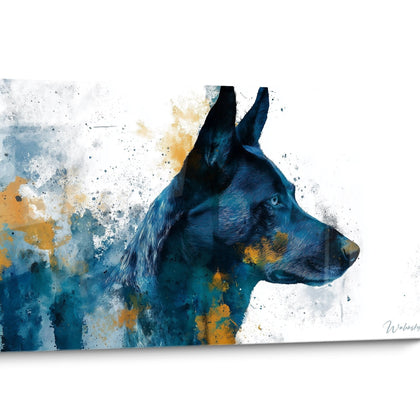 Dutch Shepherd Dog Canvas24
artworks
Dutch Shepherd Dog Canvas24
artworks
-
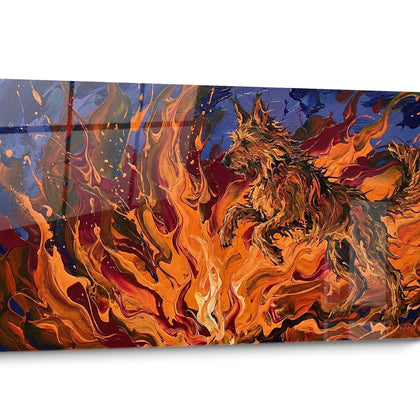 Picardy Shepherd Dog Canvas30
artworks
Picardy Shepherd Dog Canvas30
artworks
-
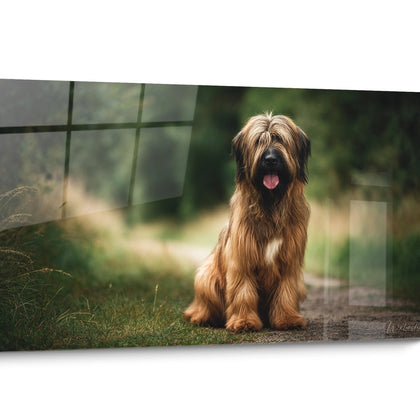 Briard Dog Canvas18
artworks
Briard Dog Canvas18
artworks
-
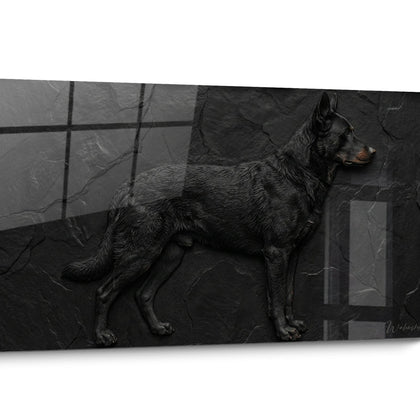 Beauceron Dog Canvas36
artworks
Beauceron Dog Canvas36
artworks
-
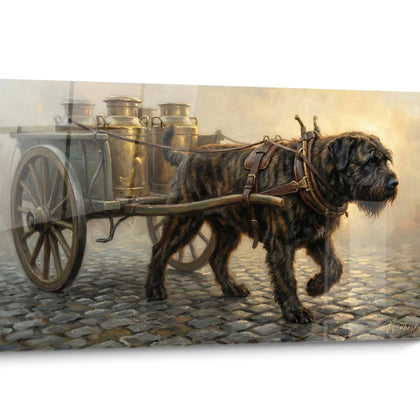 Flemish Bouviers Dog Wall Art28
artworks
Flemish Bouviers Dog Wall Art28
artworks
-
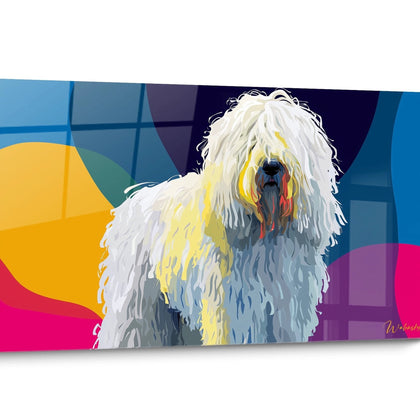 Komondor Dog Wall Art16
artworks
Komondor Dog Wall Art16
artworks
-
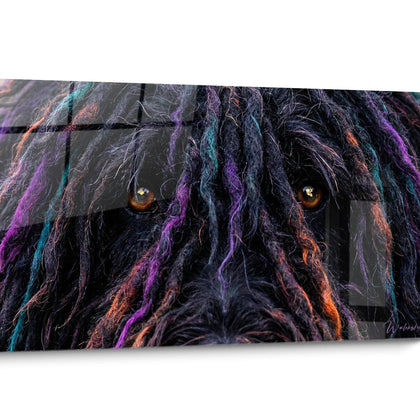 Puli Dog Wall Art28
artworks
Puli Dog Wall Art28
artworks
-
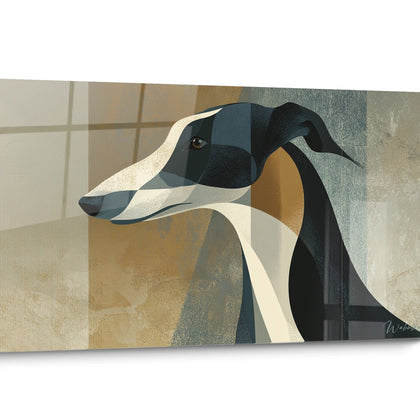 Sakuki Dog Canvas21
artworks
Sakuki Dog Canvas21
artworks
-
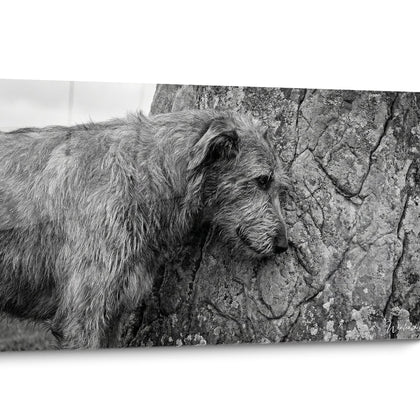 Irish Wolfhound Dog Wall Art38
artworks
Irish Wolfhound Dog Wall Art38
artworks
-
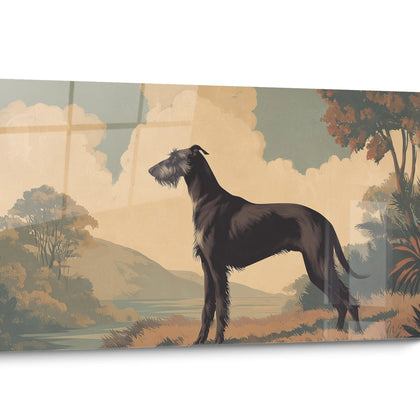 Deerhound Dog Painting21
artworks
Deerhound Dog Painting21
artworks
-
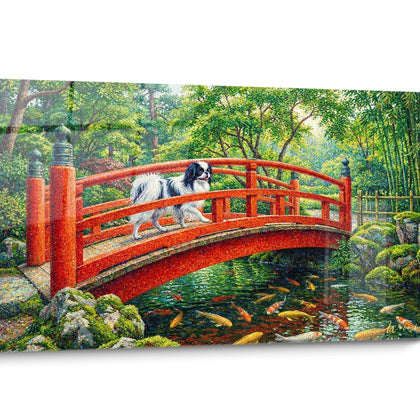 Japanese Spaniel Dog Canvas29
artworks
Japanese Spaniel Dog Canvas29
artworks
-
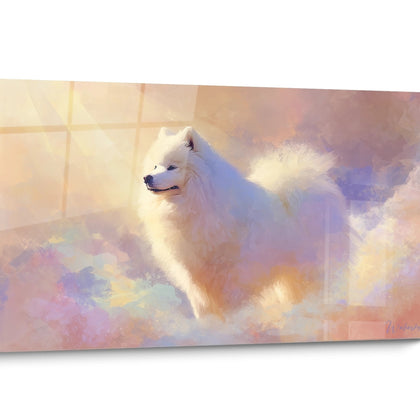 Japanese Spitz Dog Wall Art23
artworks
Japanese Spitz Dog Wall Art23
artworks
-
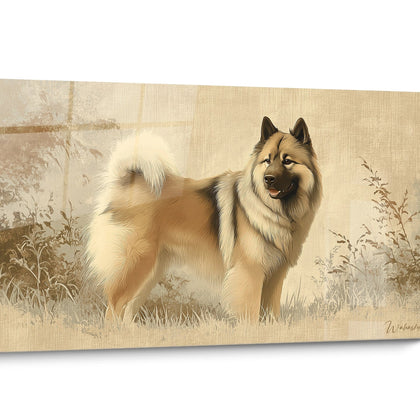 Eurasier Dog Wall Art20
artworks
Eurasier Dog Wall Art20
artworks
-
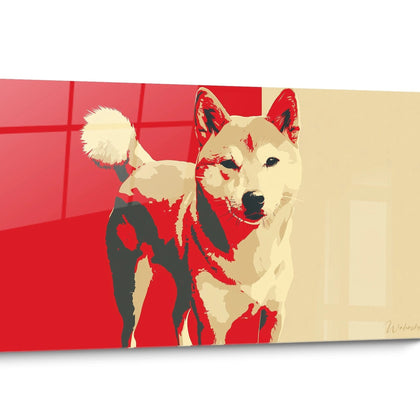 Shiba Inu Dog Wall Art41
artworks
Shiba Inu Dog Wall Art41
artworks
-
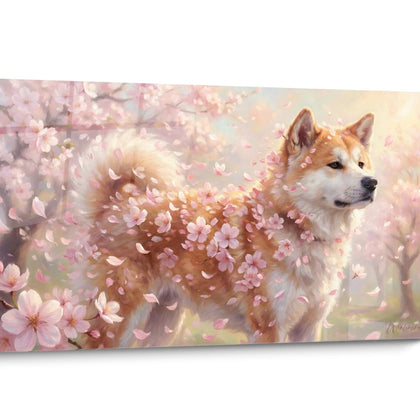 Akita Inu Dog Wall Art36
artworks
Akita Inu Dog Wall Art36
artworks
-
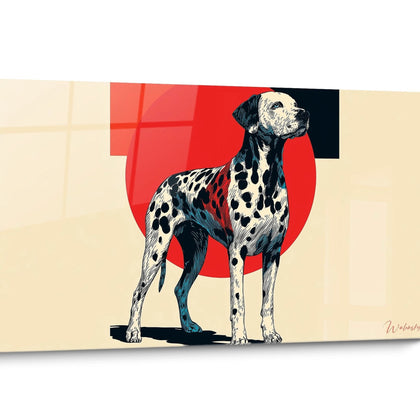 Dalmatian Wall Art30
artworks
Dalmatian Wall Art30
artworks
-
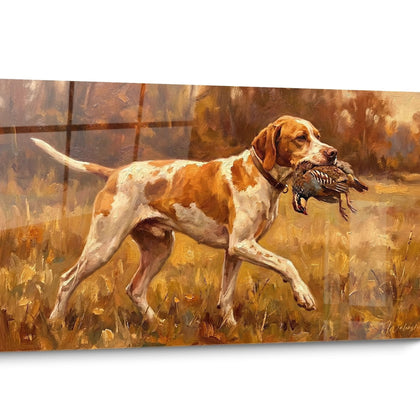 English Pointer Dog Canvas Art37
artworks
English Pointer Dog Canvas Art37
artworks
-
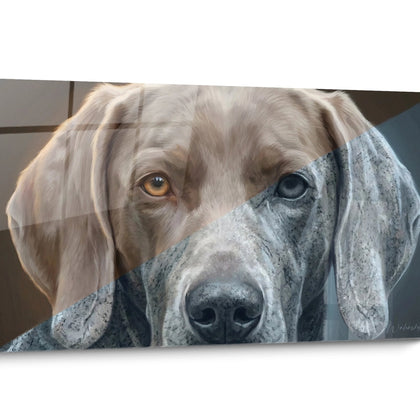 Weimaraner Dog Painting30
artworks
Weimaraner Dog Painting30
artworks
-
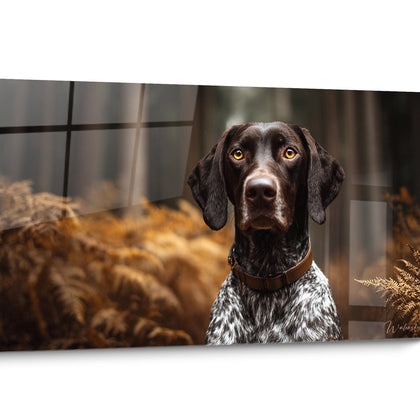 German Shorthaired Pointer Dog Painting26
artworks
German Shorthaired Pointer Dog Painting26
artworks
-
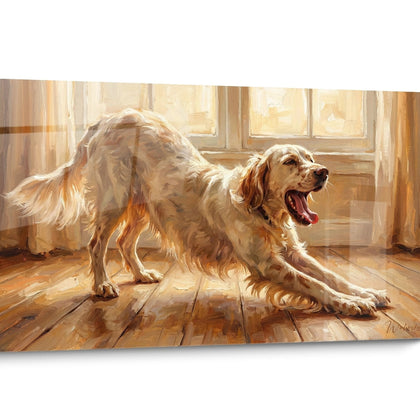 English Setter Dog Art34
artworks
English Setter Dog Art34
artworks
-
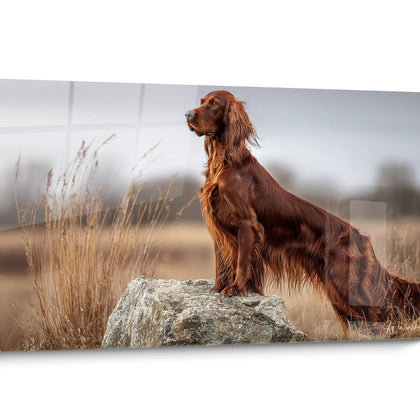 Irish Setter Dog Painting36
artworks
Irish Setter Dog Painting36
artworks
-
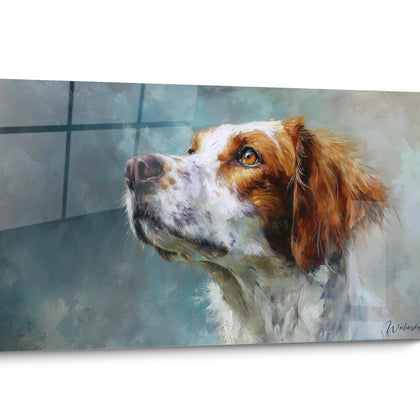 Brittany Spaniel Dog Painting35
artworks
Brittany Spaniel Dog Painting35
artworks
-
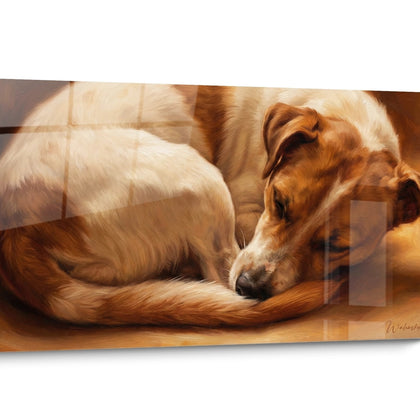 Jack Russell Terrier Dog Wall Art35
artworks
Jack Russell Terrier Dog Wall Art35
artworks
-
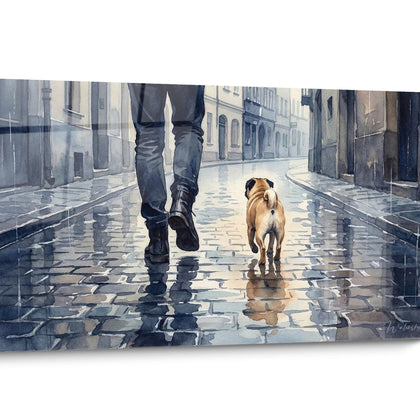 Pug Wall Art23
artworks
Pug Wall Art23
artworks
-
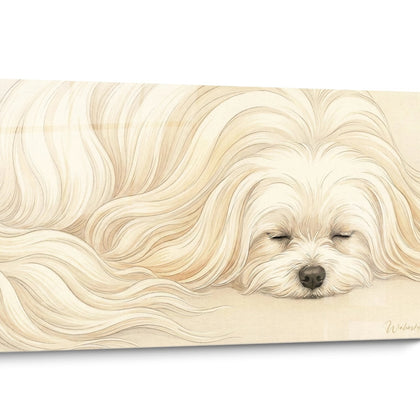 Maltese Bichon Dog Canvas40
artworks
Maltese Bichon Dog Canvas40
artworks
-
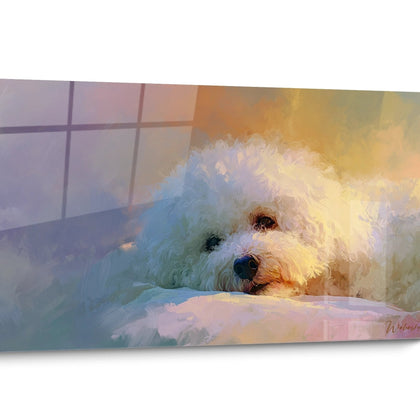 Bichon Frise Dog Wall Art26
artworks
Bichon Frise Dog Wall Art26
artworks
-
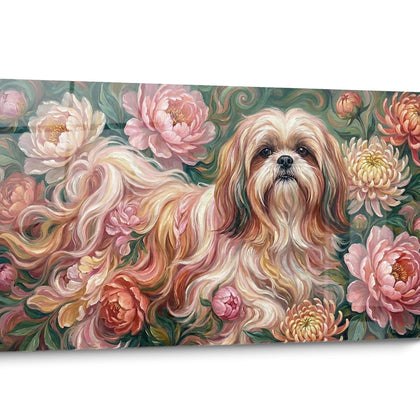 Shih Tzu Dog Wall Art28
artworks
Shih Tzu Dog Wall Art28
artworks


All about Borzoi Dog Canvas
- Presentation Borzoi Wall Art
- Elegance of the Russian Greyhound
- Canine Artistic Majesty
- Aristocratic Decoration
The borzoi wall art celebrates canine aristocracy through an artistic representation of the most elegant of greyhounds. This Russian breed, a symbol of refinement since the time of the tsars, inspires majestic wall creations that transform every space into an exceptional gallery. These large-format compositions capture the elongated silhouette and natural grace of this dog of noble origin, offering a unique cultural dimension to contemporary interiors. The enthusiasm for these wall representations reflects a search for historical authenticity combined with a timeless aesthetic, perfectly suited to generous spaces requiring an aristocratic visual presence.
The Singular Elegance of the Russian Greyhound in Wall Decoration
The borzoi wall art stands out for its ability to restore the exceptional morphology of this greyhound of tsarist origin. The artistic representation privileges the elongated lines characteristic of this breed, with a narrow muzzle and streamlined limbs that create an upward visual dynamic particularly suited to high walls. This natural verticality integrates harmoniously into contemporary spaces with high ceilings, where the aristocratic silhouette of the borzoi guides the eye upward.
Why does the borzoi silhouette create a unique visual impact?
The distinctive morphology of this Russian greyhound generates a naturally slender graphic composition. The exceptional proportions of the borzoi - with a body that can reach 85 centimeters at the shoulder - translate into vertical wall creations that intelligently exploit available space. This anatomical configuration allows for particularly spectacular moving representations, where the characteristic run of the greyhound deploys a fluidity rarely matched in canine iconography.
Russian aristocratic heritage as a decorative signature
Choosing a painting representing a borzoi means introducing an exclusive historical dimension linked to Russian imperial nobility. These greyhounds, privileged companions of the tsars during wolf hunts, bring distinctive cultural narrative. This historical reference greatly enriches the symbolic depth of the decorated space, transforming a simple aesthetic choice into a true cultural statement. The dog wall art of borzoi breed thus conveys a uniquely recognizable Slavic elegance.
Dominant color tones and aristocratic palette
Borzoi representations generally favor refined tonalities: immaculate white, golden cream, silvery gray nuances or subtle bicolor combinations. These naturally aristocratic color palettes facilitate integration into sophisticated decorative environments, particularly sleek Scandinavian interiors, neoclassical atmospheres or high-end minimalist spaces. The silky coat characteristic of the borzoi is particularly suited to artistic treatments highlighting fluid textures and luminous reflections.
Strategic placement to enhance verticality
Installing a borzoi painting requires specific reflection on exploiting verticality. Spaces with double height, majestic stairwells or generous entrance halls constitute ideal locations. The elongated nature of the subject also allows for vertical diptych or triptych compositions creating a private gallery effect, particularly prized in converted industrial lofts or contemporary architectural residences.
The Artistic Representation of the Borzoi: Between Realism and Stylization
How do artists capture the legendary grace of the Russian greyhound?
Creators of borzoi wall art exploit different techniques to restore the proverbial elegance of this breed. Hyperrealistic approaches emphasize the fineness of the wavy coat and the depth of the gaze, while stylized interpretations privilege fluid curves and the natural geometry of the silhouette. This artistic duality allows buyers to choose according to their decorative sensibility: photographic authenticity for cynophile purists or elegant abstraction for contemporary art lovers.
Movement as the visual signature of the greyhound
Unlike static representations of many breeds, the borzoi painting gains considerably in impact when it captures the dynamics of running. The representation in full extension, with all four paws off the ground, perfectly illustrates the legendary velocity of this hunter capable of reaching 70 km/h. This expression of suspended movement creates captivating visual tension, particularly effective in spaces requiring an energetic focal point like spacious living rooms or executive offices.
Treatment of the aristocratic gaze and expressivity
The borzoi's gaze constitutes a major distinctive element in artistic compositions. Unlike working breed dogs with intense gazes, the Russian greyhound presents a noble, almost melancholic expression that confers particular emotional depth to wall representations. Specialized artists exploit this characteristic to create a contemplative connection with the observer, transforming the painting into a living presence rather than simple decoration.
Which decorative environments best enhance these representations?
The borzoi painting finds its full expression in interiors combining generous space and sophisticated sobriety. Privileged environments include private libraries with dark woodwork, salons of Russian inspiration with period furniture, or conversely, ultramodern spaces where the contrast between iconographic tradition and contemporary architecture creates sought-after decorative tension. The imposing dimension of these creations requires clear walls of at least three meters wide to avoid any sense of visual clutter.
Decorative associations and aesthetic complements
The successful integration of a borzoi wall art is enriched by thoughtful decorative associations. Complementary elements can include Slavic art objects (antique samovars, icons, embroidered textiles), furniture with clean lines recalling canine elegance, or indirect lighting highlighting the verticality of the composition. This holistic approach transforms a simple artistic purchase into a true coherent decorative concept.
Acquisition and Valorization of a Prestige Borzoi Painting
Selection criteria for lasting decorative investment
The acquisition of a painting representing a borzoi requires a methodical evaluation of several qualitative factors. Anatomical fidelity constitutes a first criterion for breed connoisseurs: correct proportions, characteristic posture, authentic facial expression. For imposing formats suited to large spaces, reproduction quality becomes crucial, requiring processes guaranteeing detail sharpness even in very large dimensions. Compositions exceeding 150 centimeters require special attention to print resolution and contrast depth.
The borzoi as a marker of decorative identity
Choosing specifically a borzoi wall art rather than another canine representation constitutes a distinctive decorative statement. This selection reveals a particular sensitivity for Slavic aesthetics, an appreciation for natural elegance over power, and often an affinity for aristocratic cultural references. In high-end professional environments - law offices, executive offices, private galleries - this iconography conveys values of refinement, discernment and cultural sophistication.
How does monumental format amplify visual impact?
Generous dimensions radically transform the perception of a borzoi painting. A monumental format - typically exceeding 120x180 centimeters - creates an immersive presence that transcends simple contemplation. The observer literally enters the representation space, perceiving the nuances of the coat, the muscular tension of the animal in motion, and the subtle expressiveness of the gaze. This museum-scale confers artistic legitimacy comparable to institutional collections.
Integration into residential spaces with character
Historic residences, period properties or architectural lofts constitute natural environments for these artistic creations. In an old residence, the borzoi painting establishes a temporal dialogue with period architecture. In a contemporary space, it introduces a historical dimension balancing modern lines. This contextual versatility explains the growing enthusiasm for these representations among interior architects working on high-end residential projects.
Heritage valorization and transmission
Beyond the immediate decorative function, a quality borzoi painting constitutes a transmissible heritage element. Works by recognized artists specializing in aristocratic animal representations acquire lasting value, particularly when they faithfully document the morphological standards of the breed. This heritage dimension proves particularly relevant for families of cynophile enthusiasts or animal art collectors.
Does a borzoi painting suit minimalist modern interiors?
Absolutely. The streamlined silhouette and fluid lines of the Russian greyhound harmonize perfectly with contemporary minimalist aesthetics. The natural elegance of this breed avoids any visual excess, while the generally sober color palette of borzois (white, gray, cream) integrates seamlessly into sophisticated monochromatic environments.
What is the decorative particularity of a borzoi painting compared to other breeds?
The borzoi distinguishes itself through exceptional verticality and unique Slavic cultural heritage. Unlike compact or stocky breeds, its elongated morphology creates an upward dynamic enhancing tall spaces. The historical association with Russian aristocracy adds a narrative dimension that few other breeds possess, transforming decoration into a cultural reference.
How to maintain the visual quality of a large borzoi painting?
Monumental formats require protection from direct sun exposure which could alter pigments. Positioning perpendicular to main windows preserves color intensity. Regular dusting with antistatic microfiber maintains detail sharpness. For humid environments, choosing resistant supports guarantees durability over several decades.


