


Aerial River View Wall Art
The Aerial View River captures the majesty of waterways observed from heights. This unique collection reveals the sinuous meanders, turquoise nuances and river landscapes seen from the sky in all their natural splendor. Each artistic creation immortalizes the organic beauty of rivers winding through valleys and forests. Perfect for creating a zen and contemplative atmosphere, these works transform your interior into a window open onto nature. Explore our aerial perspective river paintings.
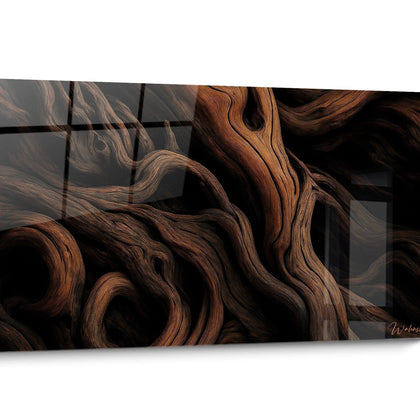
 Winter Veins Painting - Aerial Abstract View Edition273,90 €
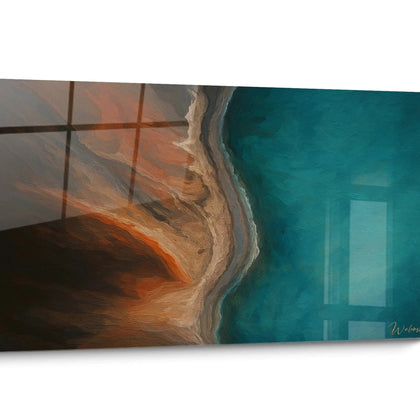
 Between the Worlds Painting - Aerial View Abstract Edition273,90 €
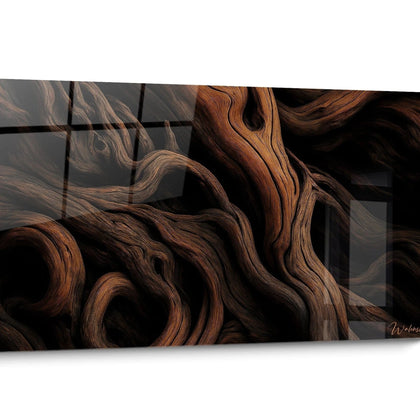
 Silence Waterfall - Aerial View Abstract Edition Wall Art273,90 €
Explore further
In Aerial River View Wall Art
All about Aerial River View Wall Art
- Presentation Painting View Aerial River
- Captivating Aquatic Perspectives
- Riverine Decorative Integration
- Choices and Characteristics
Transform your space with an painting aerial view river that captures the majesty of waterways observed from above. These large-format artworks reveal sinuous meanders, changing chromatic nuances, and natural patterns formed by moving water. Perfect for creating a soothing atmosphere in contemporary spaces, these decorative wall paintings offer a unique perspective on river landscapes. Discover how these aerial representations radically transform the spatial perception of your interior thanks to their exceptional visual depth and their ability to suggest the perpetual movement of water.
The Art of Natural Cartography from the Sky
An aerial view river painting transcends simple wall decoration by offering a fascinating geographical reading of hydrographic systems. These large-format representations reveal natural meanders sculpted by millennia of erosion, creating artificial compositions impossible to reproduce. The plunging perspective transforms each bend into a powerful graphic element, particularly sought after for professional spaces such as architecture firms or geographers' offices.
The chromatic nuances of river ecosystems
The zenithal observation of waterways reveals an unexpected palette: crystalline turquoise of shallow areas, deep emerald of natural pits, ochre of suspended sediments. These aerial river view paintings capture seasonal variations in turbidity, offering a unique temporal dimension. Vegetated banks create intense green contrasts against the azure aquatic, generating a visually balanced tension particularly suitable for interiors requiring moderate but constant visual stimulation.
How do meanders influence the visual dynamics?
River curves photographed from above generate natural guidelines directing the gaze through the composition. This organic visual circulation reduces eye fatigue, making these artworks ideal for spaces of prolonged concentration. The fractal patterns of secondary tributaries add a soothing mathematical complexity, similar to the structures found in Japanese contemplative arts. If you appreciate spectacular geological formations, explore our aerial view canyon painting collection to discover complementary dizzying perspectives.
The spatial depth of aquatic perspectives
Unlike classic terrestrial views, aerial river representations suppress the traditional horizon, creating a cartographic abstraction that dialogues with contemporary architecture. This absence of a conventional vanishing point transforms the wall into a vertical window open onto a parallel dimension. Atmospheric reflections captured on the surface of the water add a changing meteorological dimension depending on the ambient lighting in your room, multiplying the possible readings of a single work throughout the day.
Strategic Implementation in Architectural Volumes
Installing a large-format aerial river view painting requires specific spatial reflection for vertical cartographic representations. These artworks work remarkably well in circulation spaces such as wide hallways or stairwells, where their longitudinal dimension naturally follows the linear architecture. The sensation of flying creates a virtual extension of space, particularly valuable in the constrained volumes of urban apartments.
Which spaces enhance aerial river compositions?
Home offices exceptionally benefit from aerial river views : their meditative quality promotes concentration without excessive distraction. Professional reception areas use these works to suggest fluidity and organizational adaptability. In residential environments, open living rooms with double height amplify the effect of a dizzying flyover. Wellness spaces such as yoga studios integrate these representations for their symbolism of continuous flow and perpetual movement.
Color associations with the aquatic environment
The dominant blue-green tones of aerial river paintings naturally harmonize with contemporary materials: gray polished concrete, light bleached oak woodwork, ecru linen textiles. Avoid associations with literal nautical decorative elements that would create an awkward thematic redundancy. Instead, favor materials evoking geology – natural stone, artisanal ceramics, oxidized metals – which dialogue with the work's cartographic aspect without duplicating it.
The imaginary sonic dimension of fluvial compositions
Aerial representations of rivers activate auditory memory: murmur of currents, lapping against the banks, rustling of riverside vegetation. This synesthetic dimension enriches the overall sensory experience of the space. Installations in constrained sonic environments (noisy urban apartments) particularly benefit from this soothing visual compensatory quality. The suggestion of permanent aquatic movement creates a visual meditation comparable to traditional Zen gardens, but adapted to contemporary Western aesthetic sensibilities.
Selection Criteria for Zenithal River Representations
The choice of an aerial river view painting requires analysis of parameters specific to vertical cartographic photographs. The readability of the meanders depends directly on the altitude of the shot: perspectives that are too high produce abstractions that are difficult to identify, while views that are too close lose the overall understanding of the river system. Horizontal panoramic formats (3:1 ratio) are suitable for sinuous waterways, while vertical formats highlight branched deltas or complex confluences.
Identify expressive geomorphological characteristics
Paintings capturing specific hydrological phenomena offer a superior visual interest: braided rivers of mountain rivers, oxbows (dead arms) testifying to geological evolution, peripheral wetlands creating ecological mosaics. These geomorphological singularities transform the work into a quasi-scientific document, appreciated by lovers of physical geography. Seasonal variations captured – spring floods widening the apparent bed, summer low flows revealing sandbanks – add a narrative temporal dimension rarely exploited in decorative wall art.
Why prioritize large formats for river views?
Imposing dimensions (beyond 120 cm) allow for complete cartographic immersion: the eye can literally "navigate" along the represented waterway, gradually discovering the details of the banks, the texture of the eddies, the sectoral chromatic variations. This monumental scale fully justifies the investment in generous spaces where it can breathe without visual compression. Small formats reduce these compositions to simple abstract motifs, losing their distinctive geographical documentary essence.
The importance of atmospheric clarity in aerial shots
The lighting conditions during the photograph capture determine the perceptible depth: the grazing lights of morning or evening accentuate the relief of the banks and the surface texture, while the zenithal lights of midday flatten the topographic reading. Clear atmospheres reveal the rocky bottoms in transparency in the shallow sections, creating sophisticated visual layering effects. Ensure that the chosen artwork presents sufficient definition to reveal these micro-details that enrich prolonged daily observation.
Is an aerial river view painting suitable for humid spaces like bathrooms?
Large-format prints on suitable supports perfectly resist moderately humid environments. Favor specific protective finishes and ensure adequate ventilation. The thematic suitability of water-to-coastal space creates an appreciable conceptual coherence, transforming these functional rooms into immersive experiences.
How to maintain an aerial aquatic landscape painting?
A monthly dusting with a dry microfiber cloth is generally sufficient. Avoid liquid products that could alter the subtle nuances of the light aquatic areas. The color stability of professional prints guarantees the permanence of the characteristic blue-green tones without yellowing, even after several years of exposure to indirect natural light.
Do aerial river views work in classic interiors?
Absolutely, by creating a controlled contrast between traditional architecture and contemporary imagery. This temporal juxtaposition avoids the museumification of heritage interiors while respecting their volume. Simple frames in natural wood or brushed metal ensure the stylistic transition without a brutal aesthetic break, allowing dialogue between decorative eras.
Further reading
Our articles on this topic
L'art qui suscite l'envie
Maison belge d'art mural grand format
14 jourspour changer d'avis*
Protection Walenskyincluse
Fabriquéen Italie
FormatXXL
Kit de fixationtoujours fourni
* Hors tableaux personnalisés et tailles personnalisées


