


Aerial Canyon View Wall Art
Our Aerial View Canyon collection transports you above the world's most spectacular geological formations. These artistic creations reveal the raw beauty of naturally photographed canyons from the sky, where rock strata draw fascinating abstract compositions. Each work celebrates monumental landscapes in vertical perspective, offering a unique vision of canyons sculpted by time. Perfect for adding depth and character to your interior, these works invite contemplation and escape.
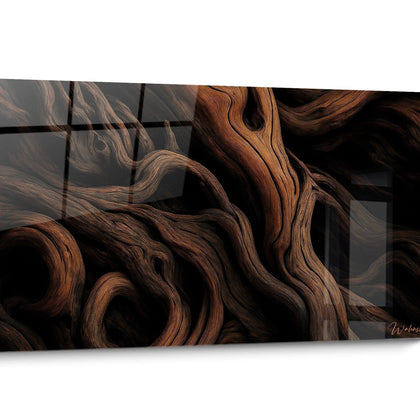
 Earth Veins Canvas - Aerial View Abstract Edition273,90 €
 The World's Veins Artwork - Aerial View Abstract Edition273,90 €
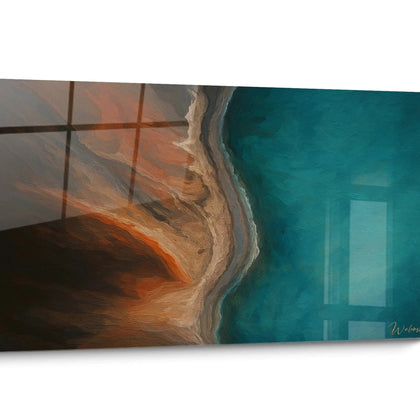
 Painting The Song of Canyons - Aerial Abstract Edition273,90 €
 Dance of Relief Wall Art - Aerial View Abstract Edition273,90 €
 Archives of Silence Wall Art - Aerial View Abstract Edition273,90 €
Explore further
In Aerial Canyon View Wall Art

All about Aerial Canyon View Wall Art
- Presentation Painting Canyon
- Aerial Canyon Perspectives
- Geomorphological Compositions
- Decorative Integration
A aerial view painting of a canyon reveals a spectacular perspective of the geological formations sculpted over millennia. These panoramic representations capture the dizzying depth of the rocky gorges, the sinuous meanders of the entrenched rivers, and the chromatic stratifications that tell the story of the Earth. Each large-format mural unveils the natural architecture of the canyons from a zenithal viewpoint rarely accessible, transforming your space into a contemplative window onto these geomorphological wonders. The plunging vision offers an immersive understanding of the rugged topography, the contrasts of light and shadow characteristic of these enclosed environments, creating a striking visual presence suitable for large contemporary wall surfaces.
The Plunging Vision of Deep Gorges
The aerial view painting canyon exploits a verticalized composition that amplifies the sense of depth characteristic of these enclosed formations. The overhead shooting angle simultaneously reveals the stratified walls and the bottom of the gorges, creating a spatial perception impossible from the ground. This aerial perspective unveils the complex geometry of the meanders carved into the rock, where each curve bears witness to millions of years of fluvial erosion.
How does the vertical perspective amplify the dimension of the canyon?
The plunging composition maximizes the effect of depth by superimposing the geological strata visible on the vertical walls. The chromatic gradations of the sedimentary layers - from reddish-brown to beige limestone - create a natural visual scale that guides the eye towards the depths. This color stratification becomes particularly expressive on monumental formats where each mineral nuance remains perceptible, reinforcing the impression of immersion in the geological landscape.
The natural architecture of the sculpted walls
Aerial representations of canyons capture the rough textures of the eroded cliffs, revealing the irregularities and overhangs impossible to appreciate from hiking trails. The grazing light accentuates the rugged reliefs, creating plays of shadows that emphasize the three-dimensionality of the rock formation. This rugged topography generates a constant visual dynamic, particularly valued in contemporary spaces with clean lines seeking an organic counterpoint.
Which spaces benefit most from this plunging perspective?
Double-height entrance halls and stairwells perfectly exploit the verticality inherent in aerial views of canyons. The descending composition naturally accompanies the vertical movement of these architectural spaces. Director's offices and strategic meeting rooms also adopt this imagery to symbolize the panoramic vision and depth of perspective necessary for major decisions. The monumental mural presence of a canyon photographed from the air immediately establishes an atmosphere of natural grandeur and geological temporality.
The Chromatic Stratifications of Enclosed Formations
A painting aerial view canyon is distinguished by its specific geological palette, where earthy, stratified tones dominate, revealing the sedimentary history of the formation. Shades of ochre, burnt sienna, and raw umber alternate with lighter bands of sandstone and limestone, creating a horizontal visual rhythm that contrasts with the vertical plunge of the composition. This collection of aerial view geological paintings highlights these characteristic mineral variations of large desert canyons.
The Reading of Visible Temporal Layers
Each chromatic layer visible on the canyon walls represents a distinct geological period, transforming the mural surface into a visual chronology of the Earth. Aerial representations allow for the simultaneous appreciation of several hundred million years of sedimentary history, from ancient marine deposits to recent desert formations. This temporal depth brings a particularly sought-after contemplative dimension to spaces for reflection and private libraries.
What color combinations enhance these mineral tones?
The earthy hues of the canyons naturally harmonize with contemporary raw materials: polished concrete, patinated steel, charred wood. This convergence between geological palette and architectural materiality creates an organic aesthetic coherence. Spaces adopting a biophilic approach find in these representations a natural extension of their decorative philosophy, where mineral colors recall the ancestral connection between human habitat and rocky environment.
The Impact of Light Variations on the Perception of Layers
The position of the sun during the aerial capture determines the readability of the stratifications. Shots taken in sidelight, early morning or late afternoon, dramatically accentuate the reliefs and chromatic contrasts between geological layers. This lighting orchestration transforms each sedimentary band into a distinct graphic element, particularly effective on panoramic formats where the horizontal alternation of strata creates a hypnotic visual rhythm. Installations in spaces receiving changing natural light benefit from this perceptual variability throughout the day.
The Mural Integration of Recessed Panoramas
The aerial view canyon painting naturally asserts itself as a focal point in generous spaces thanks to its dramatic composition and visual depth. Extended horizontal formats faithfully reproduce the panoramic experience of the flyover, creating a contemplative window onto these inaccessible landscapes. The monumentality of these large-format representations responds to the imposing scale of the canyons themselves, avoiding any trivialization of these geomorphological wonders.
Professional Environments Valuing This Imagery
Architecture firms and design studios frequently adopt aerial views of canyons to illustrate the intersection between natural forms and human creations. The organic geometry of incised meanders inspires designers while symbolizing perseverance and progressive transformation. Corporate spaces in the fields of engineering, geology, and the environment find in these representations a direct thematic resonance with their areas of expertise.
How to Position These Compositions with Strong Verticality?
Unlike classic landscapes favoring locations above low furniture, plunging views of canyons gain impact when positioned on clear wall panels allowing for complete appreciation of the depth. Staircase walls and circulation corridors offer ideal opportunities where the movement of the viewer prolongs the downward dynamic of the composition. Transition spaces particularly benefit from this imagery which invites momentary contemplation.
The Association with Other Monumental Natural Elements
A cohesive approach involves pairing the aerial canyon view painting with other representations of remarkable geological formations – volcanoes, glaciers, river deltas – creating a visual narrative around tectonic and erosive forces. This thematic collection transforms a space into a gallery dedicated to geomorphological processes, particularly relevant in educational or museum settings. Accompanying materials prioritize raw mineral textures that echo the photographed rock faces.
FAQ - Frequently Asked Questions
What orientation is best for an aerial canyon view painting in a living room?
Prioritize walls perpendicular to the main windows to avoid direct reflections while benefiting from lateral lighting that reveals the chromatic nuances of the geological strata. The orientation should allow for sufficient viewing distance to appreciate the entire panoramic composition.
Are these representations suitable for relaxation spaces?
Absolutely, an aerial perspective of a canyon offers a calming contemplative depth, inviting mental escape without excessive stimulation. Natural earthy tones foster an atmosphere of connection with the primordial elements, conducive to relaxation and introspection.
How to choose between an aerial canyon view and other geological landscapes?
The canyon stands out for its pronounced vertical dimension and distinct chromatic stratifications, ideal for spaces seeking dramatic visual depth. Compare with your architectural constraints: high ceilings particularly enhance the vertical plunge characteristic of these recessed formations.
Further reading
Our articles on this topic
- Canyon photographs (natural corridors, canyons
- Canyon painting gift idea for adventurous travelers: a souvenir that lasts
- Canyon aerial view panoramic painting: how to choose the right size and placement
- Mesas and buttes of the American desert in Western painting
- Geological aerial view painting: natural abstraction for a minimalist living room
- Panoramic cave painting with stalactites: a calm, soothing atmosphere
L'art qui suscite l'envie
Maison belge d'art mural grand format
14 jourspour changer d'avis*
Protection Walenskyincluse
Fabriquéen Italie
FormatXXL
Kit de fixationtoujours fourni
* Hors tableaux personnalisés et tailles personnalisées


