


Abstract Tennis Painting
Our Table Tennis Abstract collection celebrates the energy and dynamics of table tennis through a modern artistic vision. Each artwork captures the movement, speed, and intensity of this exciting sport in streamlined visual compositions. Perfect for contemporary spaces, these table tennis wall decor creations bring character and originality to your interior. Ideal for sports clubs, game rooms, or offices, they embody the competitive spirit and elegance of artistic ping-pong.
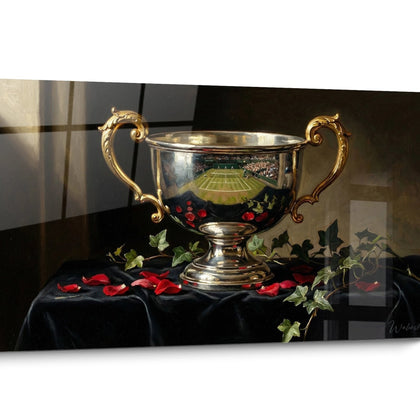
 Tennis Racket Ball Painting - Impact Explosion - Tennis Edition228,90 €
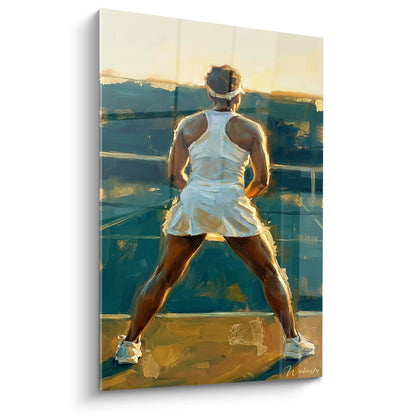
 Abstract Tennis Wall Art - Pure Energy - Tennis Edition228,90 €
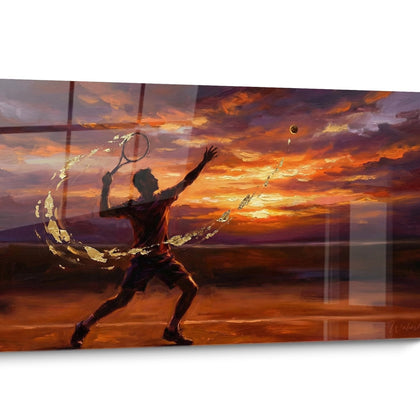
 Abstract Blue Watercolor Canvas - Celestial Fluid - Tennis Edition273,90 €
Explore further
In Abstract Tennis Painting


All about Abstract Tennis Painting
- Description Painting Tennis Abstract
- Geometric Language and Dynamic Trajectories
- Abstract Expression of Sporting Movement
- Visual Impact and Environments
The painting tennis
abstract transcends the figurative representation of sport to create a pure visual experience, where trajectories, energies, and movements become autonomous graphic elements. This artistic approach transforms the dynamic essence of table tennis into visual compositions that capture the intensity of exchanges without resorting to traditional figuration. These large-scale wall creations exploit the symbolic power of sport to generate sophisticated contemporary atmospheres, particularly sought after in performance spaces, high-end sports clubs, and bold residential interiors.Geometric Language and Abstract Trajectories in Table Tennis Art
A painting tennis abstract is based on the visual translation of the ballistic trajectories characteristic of this precision sport. Curved lines, parabolic arcs, and angular rebounds become structuring graphic elements that organize the composition. This geometry of movement creates a layered visual reading where each form evokes acceleration, spin, or the impact of the ball against the playing surface.
How do abstract shapes translate the intensity of fast exchanges?
The speed characteristic of table tennis, with exchanges sometimes exceeding 180 km/h, inspires compositions where shapes seem to traverse the pictorial space. Overlapping color planes suggest the simultaneity of actions, while broken lines materialize abrupt changes in direction. This kinetic abstraction transforms sporting energy into a constant visual tension, particularly effective in imposing wall formats that amplify this feeling of perpetual movement.
Chromatic contrast and visual tension zones
The palettes used in the large-format abstract table tennis painting often exploit stark contrasts: deep black against bright red, bright white against saturated blues. These color choices directly refer to the visual codes of the sport – the regulation table blue or green, the red and black rackets, the contrast of the white ball. Abstraction allows these symbolic associations to be exaggerated while creating sophisticated compositional balances that function independently of any explicit sporting reference.
Visual rhythm and sequential repetition
Some abstract creations inspired by table tennis adopt a repetitive structure that evokes the cadence of exchanges. Recurring geometric modules, slightly varied, create a visual rhythm comparable to the forehand-backhand-smash sequence. This serial approach, close to kinetic art, generates a perceptive dynamic where the viewer's eye mentally reconstructs the movement, like the watercolor tennis paintings that exploit other techniques to capture the essence of the sport.
Abstract Transcription of Sporting Energy and Competition
What symbolism does abstraction applied to the universe of table tennis convey?
The abstract table tennis painting transforms sporting competition into a visual metaphor for confrontation, strategy, and technical mastery. Asymmetrical compositions suggest the opposition between two opponents, while precarious balances of forms evoke the concentration necessary for high-level sport. This symbolic dimension makes these works particularly relevant for professional environments that value performance, strategy, and operational excellence.
Spatial fragmentation and multiplicity of perspectives
" [HTML FRAGMENT - translate this HTML fragment, keep the structure]Abstraction allows representing multiple viewpoints simultaneously, as if the viewer observed the action from different positions around the table. This Cubist fragmentation creates a conceptual depth where planes overlap and interpenetrate. Panoramic formats particularly exploit this approach to create immersive wall installations that envelop the gaze, reproducing the global visual experience of a match observed from the stands.
Gestural painting and spontaneity of athletic movement
Some abstract approaches favor expressive gesturality, where broad brushstrokes or material projections directly evoke the amplitude of athletic movements. This controlled spontaneity echoes the ping-pong technique, which combines automatisms and instant creativity. Directed splashes, controlled drips, and vigorous impastos translate the player's total physical commitment, creating wall artworks that vibrate with a palpable energy.
Can we identify stylistic schools in contemporary abstract ping-pong art?
Abstract ping-pong art is rooted in different traditions: hard geometric abstraction favors sharp shapes and precise angles evoking millimeter-perfect technique, while lyrical abstraction favors fluid shapes recalling curved trajectories. A third path, gestural abstraction, emphasizes the dynamism of movement through energetic compositions where apparent spontaneity masks a rigorous construction. These diverse approaches allow adapting the style to the desired atmosphere.
Architectural Integration and Monumental Presence of Abstract Sporting Art
Which environments benefit most from a large-format abstract ping-pong art piece?
Premium sports facilities – private clubs, elite training centers, specialized academies – find in abstract ping-pong art a strong visual identity that celebrates their discipline while avoiding literal imagery. Reception areas, rest areas between matches, and circulation corridors become galleries where art reinforces commitment to excellence. Imposing wall formats, often exceeding 2 meters in width, create focal points that structurally shape these often generous volumes.
Dialogue with contemporary materials and architectural lighting
The geometric abstraction of ping-pong compositions naturally harmonizes with modern materials: raw concrete, brushed steel, structural glass. The pure lines of abstract art resonate with the minimalist aesthetic of contemporary sports architectures. Directional lighting, particularly adjustable LED systems, allows modulating the perception of reliefs and chromatic contrasts, transforming the artwork according to the time of day and the intensity of space usage.
Psychological impact in bold residential spaces
Beyond sports venues, large-scale abstract ping-pong art invests the interiors of enthusiasts who want to affirm their identity without resorting to conventional themed decoration. These artworks bring a stimulating visual dynamism to open living spaces, home theaters, or sophisticated game rooms. The abstract dimension allows for an elegant integration that avoids the "domestic sports hall" effect while subtly celebrating the passion for table tennis.
Display strategies to maximize visual presence
Horizontal panoramic formats (3:1 or 4:1 ratio) exploit the lengths of walls in sports facilities to create immersive murals. Positioning at eye level (center of the artwork between 1.50m and 1.70m) optimizes the visual impact without dominating the space. Diptych or triptych installations allow covering considerable wall surfaces while creating visual breaths between the panels, amplifying the sensation of movement and temporal sequence characteristic of the subject's sporting essence.
Is an abstract ping-pong art piece suitable for non-sport professional spaces?
Absolutely. Environments of companies valuing agility, strategic responsiveness, and teamwork find in these artworks a relevant visual metaphor. Tech startups, creative agencies, and consulting firms frequently adopt this abstract sporting imagery to convey values of performance and innovation without the traditional formalism of corporate art.
How to distinguish a quality abstract ping-pong art piece from generic production?
Compositional sophistication differentiates authentic creations: balanced mastery between dense and airy areas, a coherent yet nuanced color palette, resolution of visual tensions creating a structured gaze path. Generic productions juxtapose decorative elements without true construction. The presence of subtle visual references to the technical specifics of the sport – striking angles, rotation effects, table geometry – also reveals an informed approach rather than arbitrary abstraction.
What stylistic evolution for abstract ping-pong art in the coming years?
Emerging trends integrate hybrid digital approaches where traditional abstraction dialogues with real-time performance data: trajectories recorded during professional matches, thermal maps of playing zones, visualizations of tactical sequences. This fusion between abstract art and datavisualization opens up new creative perspectives, particularly suited to large-scale wall murals in technologically advanced training centers and contemporary sports museums.
Further reading
Our articles on this topic
- Modern Abstract Paintings: The Perfect Touch for a Monochrome Contemporary Living Room?
- How an abstract landscape painting can energize an elegant dining room?
- What abstract painting styles are best suited for a contemporary living room?
- Why Abstract Art is the Decor Trend of the Moment
- Why Buy an Abstract Painting to Enhance Your Interior
L'art qui suscite l'envie
Maison belge d'art mural grand format
14 jourspour changer d'avis*
Protection Walenskyincluse
Fabriquéen Italie
FormatXXL
Kit de fixationtoujours fourni
* Hors tableaux personnalisés et tailles personnalisées


