


Tennis Pop Art Wall Art
Our Painting Pop Art collection celebrates the explosive energy of tennis through the pop art artistic prism. Each creation transforms the passion of tennis into a pop art sports artwork with vibrant colors and striking contrasts. These paintings capture the intensity of movement, the power of the players and the competitive spirit in a wall decoration tennis modernstyle. Perfect for tennis enthusiasts and contemporary art collectors, these pieces bring dynamism and character to your interior.
 Abstract Tennis Wall Art - Pure Energy - Tennis Edition228,90 €
 SMASH Pop Art Painting - Explosion of Colors Comic Book Style - Tennis Edition228,90 €
 Crowned Tennis Player Painting - King of the Court - Tennis Edition228,90 €
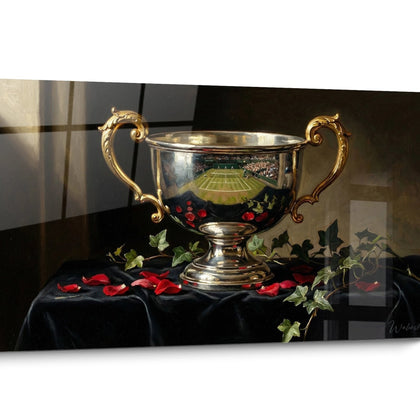


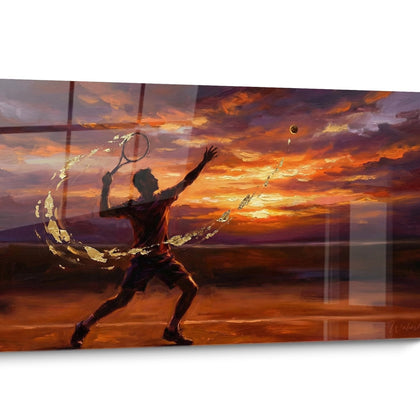

All about Tennis Pop Art Wall Art
- Presentation Tennis Painting Pop Art
- The graphic energy of pop tennis
- Chromatic variations of sports-art
- Iconography and dynamic spaces
The tennis pop art painting embodies the explosive encounter between the tennis sports universe and the chromatic boldness of the Pop Art movement. This fusion transforms the dynamics of the court into visual compositions where saturated tones, graphic blocks, and stylized silhouettes celebrate athletic gestures. Each creation magnifies the energy of the serve, the suspense of a smash, or the intensity of an exchange in clean lines and vibrant colors. Monumental format designed for contemporary spaces, these wall artworks immediately infuse vitality into sports halls, private clubs, urban lofts, and reception areas. The tennis pop art aesthetic transcends the simple representation of sport to become a visual manifesto where movement, color, and passion respond in a graphic celebration of athletic excellence.
The Pop Art Aesthetic Applied to Tennis: Visual Codes and Decorative Impact
The tennis pop art painting translates the founding codes of the 1960s artistic movement into the contemporary sports universe. Saturated color blocks – lemon yellow, electric blue, vermilion red – structure the composition into contrasting zones where the racket becomes a repeated graphic motif, the ball multiplies into kinetic sequences. This visual approach directly borrows from the screen printing techniques popularized by Warhol and Lichtenstein, transforming each element of the game into a cultural icon.
Chromatic dynamism of tennis compositions
The monumental formats of these creations fully exploit the visual tension between monochromatic backgrounds and stylized sports figures. A serve captured in full extension unfolds over several square meters, each segment of the movement treated as a distinct color block. This fragmentation recalls the cubist principles revisited by Pop Art, where the decomposition of the athletic gesture generates a dynamic reading of the artwork. High-end tennis clubs adopt these pieces for their reception halls, creating an immediately recognizable visual signature.
What graphic elements define the pop art tennis style?
The specific iconography integrates stylized typographic elements – giant scores, onomatopoeia inspired by comics, court lines transformed into geometric grids. Thick black outlines characteristic of Pop Art frame player silhouettes and equipment, creating optimal readability even from a distance. This graphic clarity is particularly effective in areas with rapid circulation: sports center corridors, post-workout relaxation areas, tournament VIP areas. The approach radically differs from the abstract tennis painting which favors suggestion and free interpretation rather than identifiable stylized representation.
Integration into contemporary sports environments
Professional tennis academies integrate these artworks as visual motivational tools. An XXL format representing a tennis legend in pop art treatment inspires young players while architecturally structuring training walls. Premium fitness rooms adopt this aesthetic for their cardio areas, where the visual energy supports the intensity of the sessions. Private residences with indoor courts use these paintings to personalize their recreational spaces, transforming a sports facility into an artistically affirmed living space.
Chromatic Palettes and Stylistic Variations of Pop Tennis
The color palette of the painting tennis pop art determines its spatial integration and emotional impact. Versions dominated by warm tones – fluorescent oranges, vibrant pinks, carmine reds – generate a stimulating atmosphere ideal for warming-up areas and collective changing rooms. Conversely, compositions favoring deep blues, electric violets, and emerald greens bring urban sophistication to the lounges of private clubs and stadium hospitality areas.
Contrasting harmonies for high-traffic areas
Complementary color pairs – cyan/magenta, yellow/violet – maximize visibility in artificially lit environments. Multi-activity sports complexes exploit these contrasts to visually differentiate their tennis zones from other disciplines. A triptych representing three phases of a backhand in three distinct palettes creates a captivating narrative mural sequence. These segmented works allow for modular installation adapted to specific architectural constraints: supporting pillars, wall angles, spaces between windows.
How to choose your palette for a tennis space?
Analysis of available natural lighting primarily guides color choice. Indoor courts with controlled brightness benefit from bold palettes including neon and 100% saturated hues. Residential spaces with bay windows prefer versions where off-white and light gray balance colored accents, avoiding visual saturation in full daylight. Sports interior design professionals recommend digitally projected samples in situ before final order, guaranteeing harmony with flooring, LED lighting, and existing furniture.
Thematic series and limited editions tennis pop
Some collections develop variations around iconic moments in world tennis: historic finals, legendary technical gestures, stylized portraits of champions. These series allow passionate collectors to build coherent sets narrating the history of the sport. Century-old clubs sometimes order customized versions integrating their institutional colors and founding dates, transforming the pop art work into an identity emblem. Panoramic extra-wide formats reaching 3 to 4 meters in width generate immersive frescoes that completely redefine the spatial perception of a technical wall become a major artistic surface.
Tennis Iconography and Spatial Planning Strategies
The placement of a painting tennis pop art radically transforms the function of a sports or residential space. These monumental works become visual anchor points organizing circulation and hierarchizing zones. In a converted industrial loft, a 2x3 meter format representing a burst volley in colored fragments naturally defines the living room area from the home fitness zone. Interior architects specializing in sports arrangements exploit this structuring capacity to create fluid visual transitions between complementary functions.
Strategic positioning in tennis facilities
Tennis equipment pro-shops integrate these creations as visual merchandising elements. Positioned behind cash registers or facing the main entrance, they reinforce the premium sporting identity of the establishment while serving as a backdrop for customer social media publications. Club restaurants use gastronomic versions of tennis pop art – stylized rackets as utensils, balls transformed into graphic fruits – creating a playful thematic coherence. This offbeat approach attracts a young clientele sensitive to Instagram-friendly experiences where decor and activity merge.
Which spaces benefit most from monumental pop art tennis?
Double-height spaces – residential building halls with private courtyards, fitness center atriums – fully exploit developed vertical formats. An ascending composition following the trajectory of a lobe towards the ceiling naturally guides the eye and amplifies the feeling of volume. Offices of sports-related companies – equipment manufacturers, sports media, management agencies – adopt these works as a manifestation of their professional DNA. An open space featuring an entire wall dedicated to a pop art sequence of match point daily reinforces the competitive spirit and collective performance culture.
Complementarity with themed furniture and accessories
The decorative ecosystem around a tennis pop art painting includes graphic cushions echoing the motifs, rugs with lines reminiscent of the court, and lighting fixtures with shapes evoking stylized rackets or nets. This overall coherence transforms a simple decorated wall into an immersive spatial concept.
Why associate pop art and tennis passion in your decoration?
This alliance celebrates the cultural and aesthetic dimension of tennis beyond its purely sporting practice. It visually translates the gestural elegance, technical precision, and emotional intensity characteristic of this sport. For regular players, living daily surrounded by this iconography reinforces sporting identity and motivation.
Is a pop art tennis painting suitable for non-sport professional spaces?
Absolutely, especially in sectors valuing dynamism, strategy, and performance: consulting firms, tech start-ups, creative agencies. Pop art tennis conveys values of excellence, responsiveness, and tactical thinking transferable to corporate culture. Its contemporary aesthetic ensures lasting decorative relevance without dated trends.
How to maintain a large-format pop art tennis painting?
UV-treated surfaces and protective varnishes facilitate regular maintenance with gentle microfiber dusting. In humid sports environments, prioritize versions on moisture-resistant supports. Avoid direct exposure to high-temperature halogen spotlights that could alter the saturated pigments characteristic of the pop art tennis style.
Further reading
Our articles on this topic
- Bowling pop art painting: vibrant colors for a modern, fun decor
- Pop Art Painting: The Vibrant Art Movement That Transforms Your Adult Bedroom
- Vintage pop art fashion painting in a contemporary living room: the guide to a successful pairing
- Why a Pop Art Painting is the Key to Energizing a Designer Dining Room?
- Table tennis painting: what decor for a games room with racket sports
L'art qui suscite l'envie
Maison belge d'art mural grand format
14 jourspour changer d'avis*
Protection Walenskyincluse
Fabriquéen Italie
FormatXXL
Kit de fixationtoujours fourni
* Hors tableaux personnalisés et tailles personnalisées


