


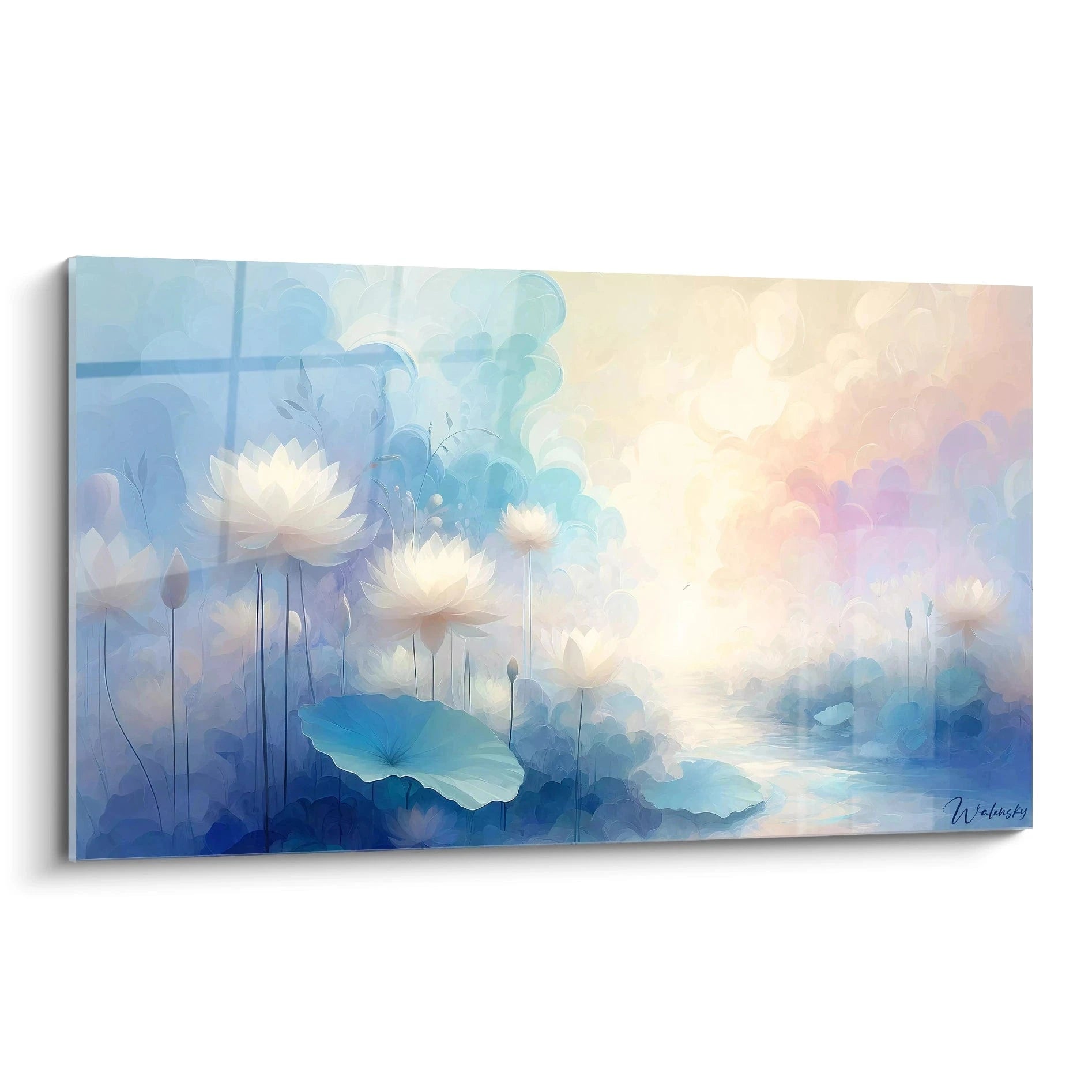
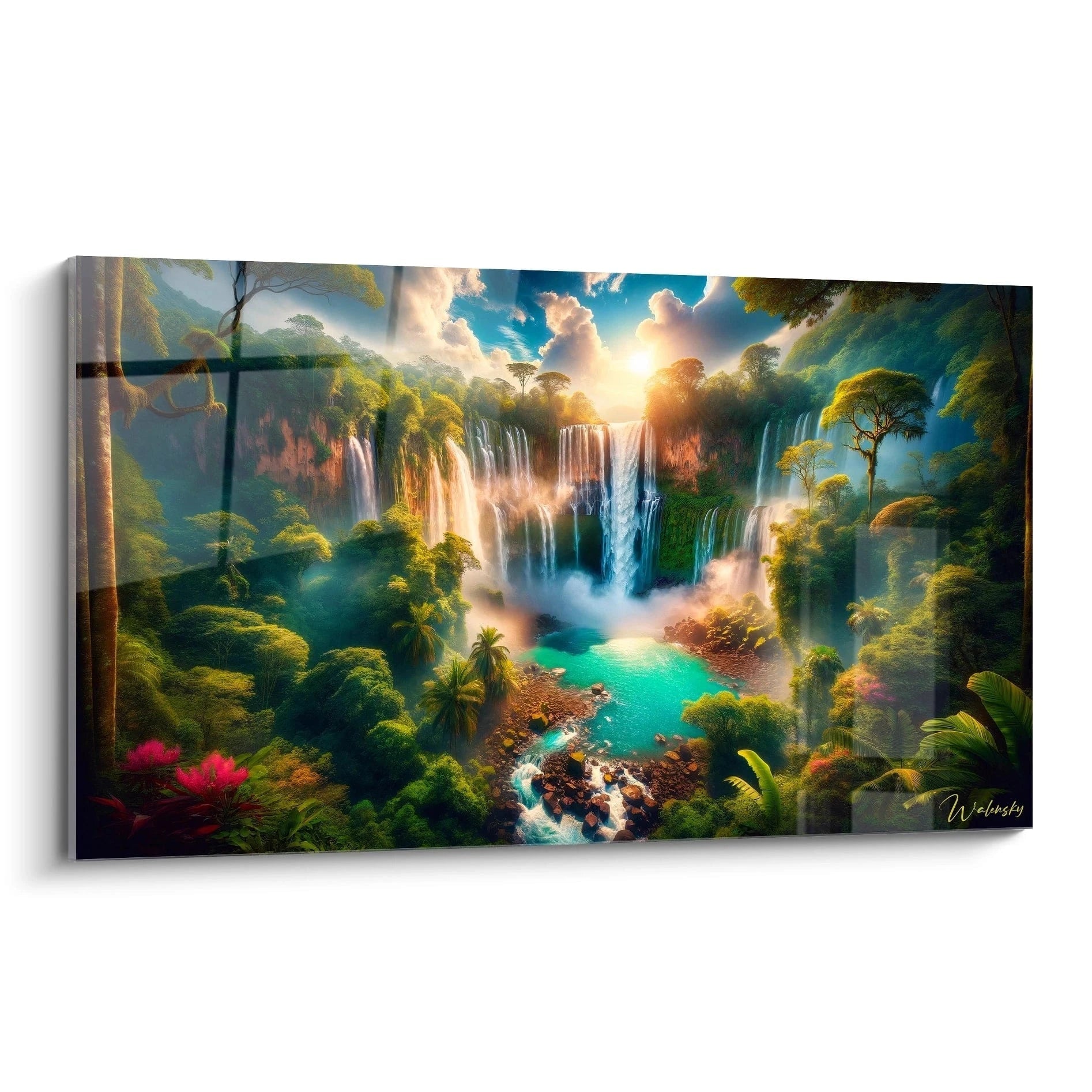
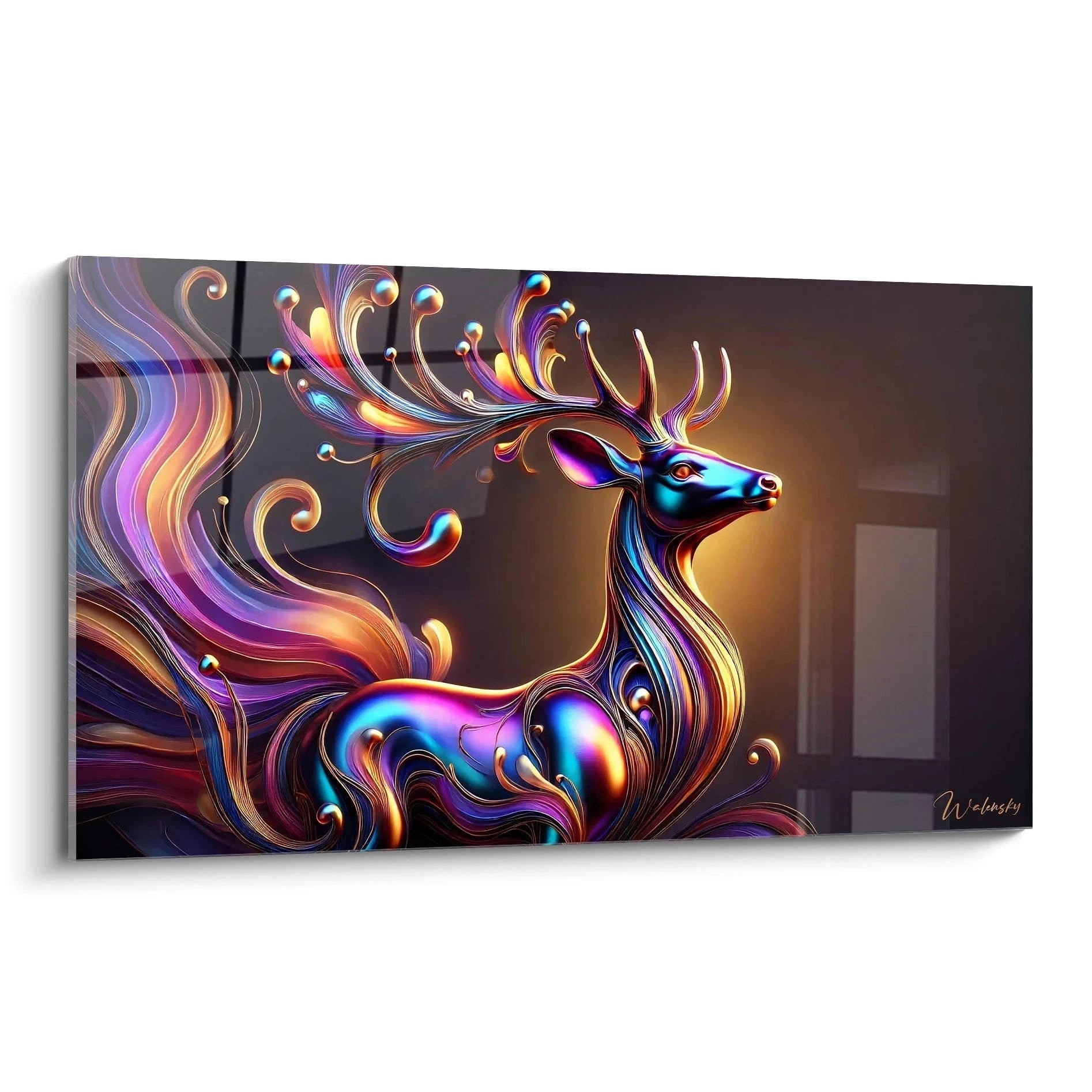
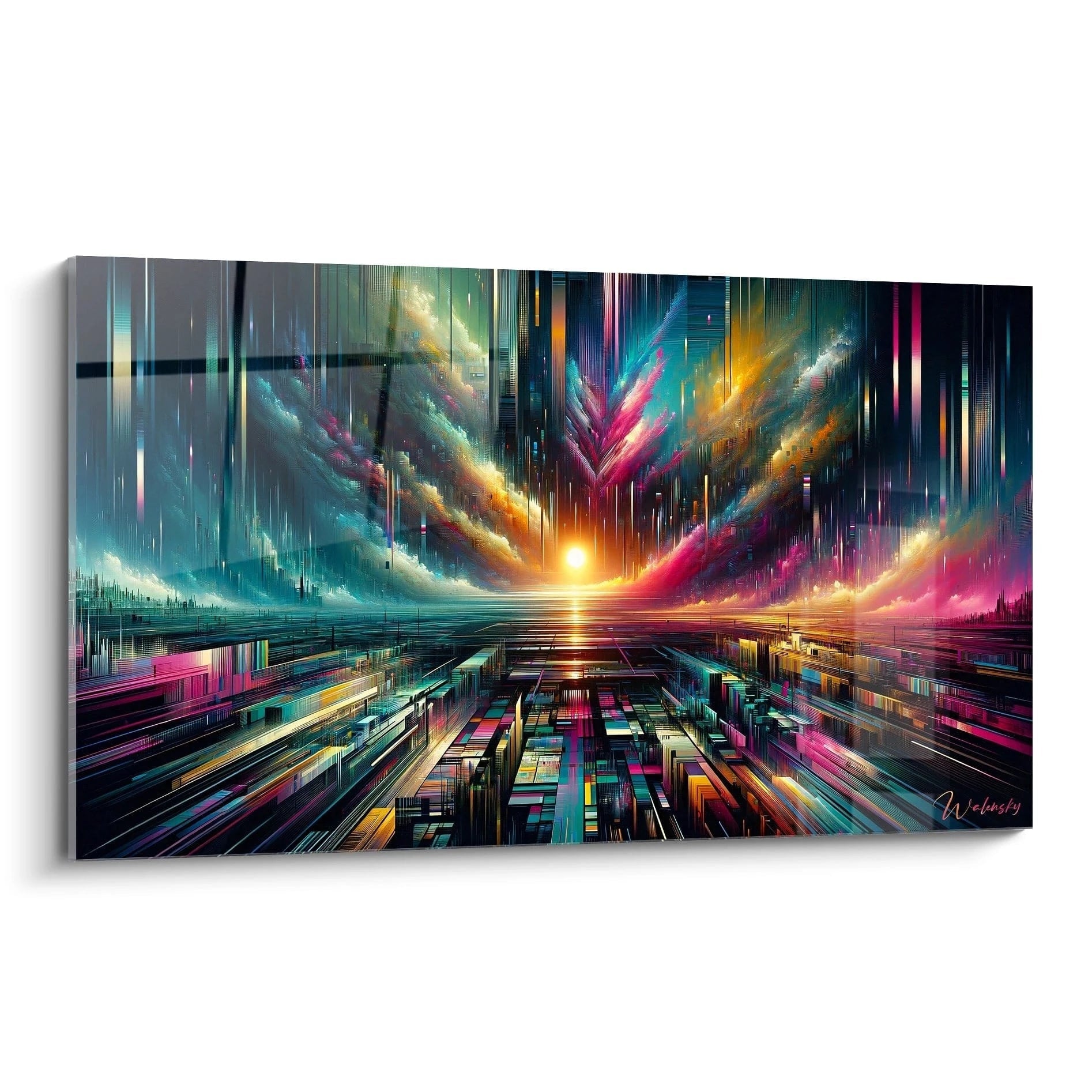
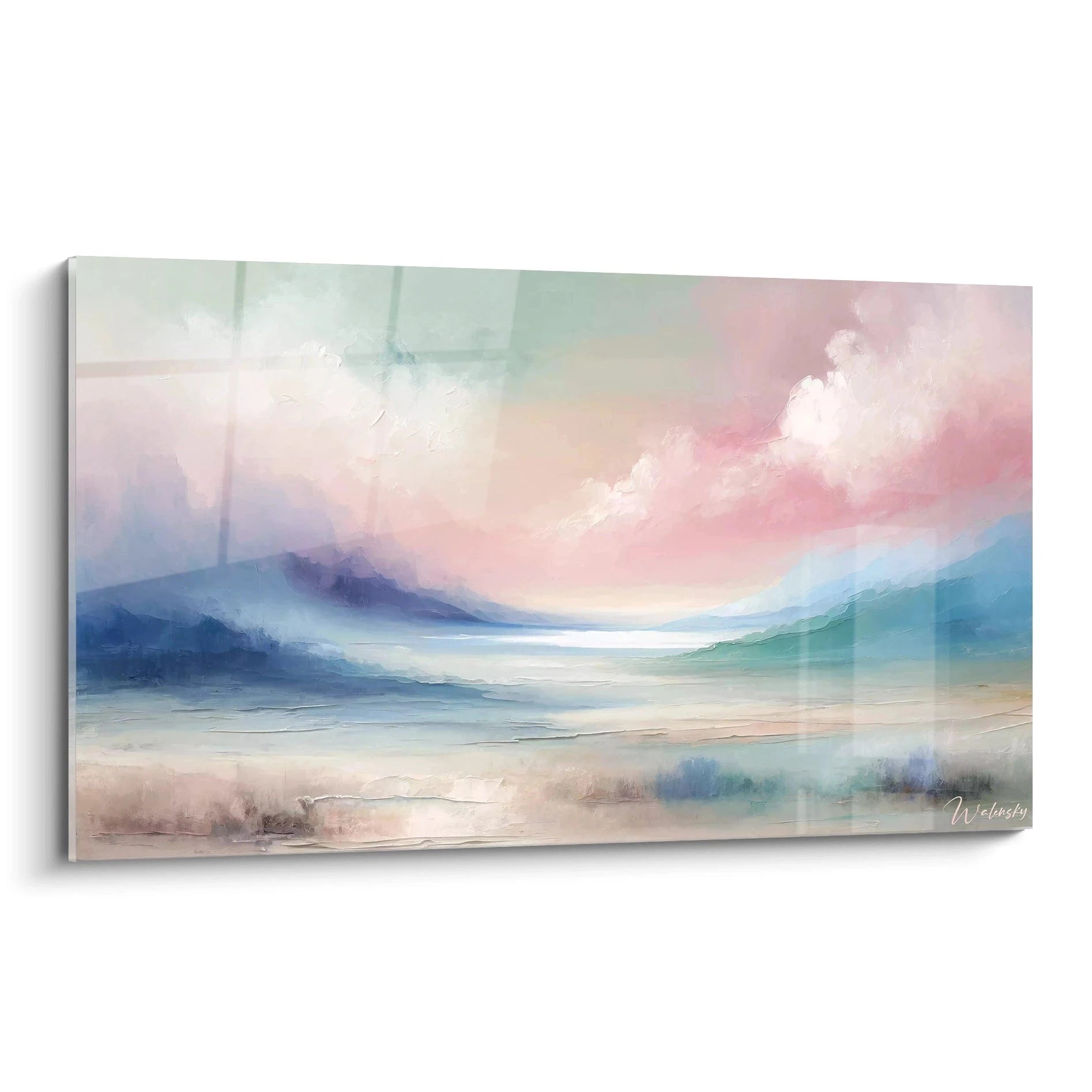

Optical illusion surprise artwork, captivate with the unexpected effect
October 11, 2025 · 17 min read · by Walensky
This feeling of banality follows you every time you come home. Your gaze slides over the walls without stopping, as if nothing really captures your attention. You feel that dull frustration of having invested in decor that remains invisible.
You've probably already tried adding a few classic frames or decorative objects, but the result is still bland. Your walls still seem so neutral, as if they were waiting for something bolder.
This feeling of failure isn't your fault. The problem is that traditional decor follows predictable codes that our brains instantly assimilate, without surprise or wonder.
In this article, you will discover how wall optical illusions instantly transform the atmosphere of a room by creating stunning visual effects that captivate the eye and inspire admiration from all your visitors.
Why does your current decor go unnoticed?
Our brain processes more than 11 million pieces of visual information per second, but it only retains what is out of the ordinary. If your decor follows the usual codes, it becomes invisible after a few days. It's like wearing the same color every day: people eventually stop noticing it.
🎨 Testimony of a spectacular transformation: Marie, an interior architect, says: "I installed an optical illusion artwork in the entrance of a client. The result: all visitors stop dead when they walk through the door. Some even turn around to check if they really saw it. The effect is striking and instantly creates conversation."
Conversation with a decor expert
The rule of visual contrast: Your eye needs breaks to stay attentive. A well-chosen optical illusion creates this necessary break and transforms an ordinary wall into a magnetic focal point in less than 30 seconds of observation.
What's behind your "flat" decor feeling
If you feel that your interior lacks personality, it’s probably because you are experiencing one of these three situations: your walls remain neutral despite your efforts, your guests don’t notice your decoration, or you yourself no longer feel emotion when coming home.
What's really happening is that your brain has cataloged your decor as "known" and no longer pays attention to it. It's a survival mechanism: we automatically ignore what is familiar to focus on potentially important novelties.
Imagine your living room as a symphony where all the instruments play the same melody. Even if it’s harmonious, it lacks the contrasts that create emotion. Your decor needs these visual "accents" to come back to life.
The first cause: uniformity of shapes and colors
Contrary to what one might think, it's not the color or shape that captures attention, but the visual surprise. A traditional painting, even magnificent, remains static. Your brain records it once and moves on.
It’s like the difference between looking at a photo and observing a campfire: one is frozen, the other is alive and constantly changing. Your current decor looks like a gallery of photos when it could be a living spectacle.
This visual statism explains why you no longer feel the same emotion when coming home. Your brain has deactivated wonder due to lack of renewed stimulation.
🔍 Visual attention test: Close your eyes and try to describe precisely what is on the wall opposite your sofa. If you hesitate about the details, it means that your decor has become invisible to your own gaze.
The effect of familiarity that lulls the eye
Science reveals that our brain processes expected and unexpected stimuli differently. Optical illusions exploit this peculiarity by creating images that transform according to the viewing angle, challenging our visual expectations.
It's exactly like discovering a secret passage in a house you thought you knew perfectly. Each new observation reveals hidden details that keep interest alive.
Result: instead of experiencing visual fatigue, you rediscover your space every day and your guests live a memorable experience that marks them durably.
Lack of depth and movement
What most people ignore is that our brain is programmed to detect movement and depth. A flat decor unconsciously frustrates this primitive expectation.
Observe the difference between a wall and a window: even closed, the window attracts the eye because it suggests depth and potential movement. Your decor should create this same visual invitation.
This lack of dynamism explains why some interiors seem "dead" despite their objective beauty. It lacks that dimension that makes the space vibrate.
3 signs your decor lacks dynamism:
- The gaze that slides without stopping: Your eyes scan the room without finding a lasting point of interest, like a skier on too smooth a slope
- The absence of questions from your guests: No one asks you "Where did you find that?" or "How does it work?", which is a sign that nothing sparks curiosity
- The feeling of emptiness despite the furniture: Your room feels incomplete even with all the elements in place, like a puzzle missing its central piece
The magnetic power of visual surprise
The element that really makes the difference is controlled surprise. Like a magician who gradually reveals his tricks, a well-designed optical illusion unveils its secrets step by step, creating prolonged engagement with the observer. The more your decor provokes questions, the more it creates emotional attachment.
The rule of 3 looks: A successful decoration should reveal something new on the first look (surprise), the second look (understanding), and the third look (admiration). Test your current walls with this grid.
| ❌ Classic decor | ✅ Optical illusion | 💡 Why it works | 🎯 Immediate benefit |
|---|---|---|---|
| Static image that reveals itself in one glance | Effect that transforms depending on the viewing angle | The brain remains active and curious | Permanent rediscovery of your space |
| Reaction: "It's pretty" | Reaction: "How is this possible?" | Wonder creates attachment | Memorable conversations with guests |
| Visible only from the front | Different experience from each position | Optimizes space utilization | Every corner of the living room becomes interesting |
| Temporary decorative effect | Fascination that lasts over time | Complexity reveals new details | Durable decorative investment |

Our favourite
Concentric Circles Pulsating Retinal Patterns - Op Art Edition Wall Art
233,90€
Discover this artworkThe method to create a striking effect in 3 steps
Transforming your space with an optical illusion is not complicated, but it requires following a logical progression. Like a chef who first masters the basics before creating exceptional dishes, you will build your visual effect layer by layer. The final result will surprise you with its emotional power.
🎯 The 3-step progression: First choose the strategic location (the anchor), then select the effect adapted to your style (harmony), finally optimize the lighting to reveal all the magic (amplification). Each step multiplies the impact of the previous one.
Step 1: Identify the perfect focal point
This first step determines 70% of your success. Like an architect choosing the location of a window to capture the most beautiful view, you must identify the wall that will maximize the visual impact. Once this solid foundation is established, you'll already feel immediate satisfaction.
Criteria for the ideal location
- Natural line of sight: Choose the wall you see first when entering the room, or the one facing your favorite resting position. It's like placing a lighthouse where ships naturally look. Avoid side locations where the effect would go unnoticed.
- Optimal viewing distance: Measure 2 to 4 meters from your main position (sofa, entrance, table). This distance allows your brain to fully process the illusion, like looking at a painting in a museum from the marked ideal zone.
- Existing lighting: Identify light sources (windows, lamps, spotlights) that hit this wall. Light reveals or hides the illusion depending on its intensity and direction, like a theater spotlight that makes actors appear or disappear.
Now let's move on to the practical assessment of your space
Test your location in real conditions
The first glance test: Ask three different people to enter your room with their eyes closed, then open their eyes and tell you immediately what they see first. If more than two people mention the same wall, that's your ideal location.
⏱️ Time: 15 minutes | ✅ Successful when: Consensus on the most visible wall | ⚠️ Attention: Do not confuse visibility and centrality - sometimes the most visible wall is not in the center
The comfort angle measurement: Sit in your usual spot and turn your head towards the chosen wall. If you need to rotate more than 45 degrees, the location is not optimal. The illusion must remain within your natural field of vision to create a permanent subliminal effect.
⏱️ Time: 10 minutes | ✅ Successful when: Comfortable viewing without effort | ⚠️ Attention: Test from all your usual positions (sofa, armchair, table)
Light analysis at different times: Observe this wall in the morning, afternoon and evening with your usual lighting. Note the areas of shadow and light. An optical illusion reveals different details depending on the lighting, like a chameleon changing appearance.
⏱️ Time: 3 observations of 5 minutes | ✅ Successful when: Sufficient lighting at all 3 times | ⚠️ Attention: Avoid areas with direct reflections that would mask the effect
✅ Location validation: Your ideal wall is naturally visible, properly lit and located at the right distance. If you feel a slight excitement imagining your illusion in this place, it's perfect. If in doubt between two walls, choose the one that benefits from the best natural lighting.
— Our selection


OUR RECOMMENDED PRODUCTS
Step 2: Select the illusion that reveals your personality
Now that you have your strategic location, you move on to the creative level. This step is more rewarding as you choose the effect that resembles you. Like a perfumer composing their signature scent, you create your unique visual signature. The effect multiplies because the illusion reveals as much about your personality as your aesthetic taste.
Illusion families and their characters
- Geometric illusions: Create effects of depth and movement through games of lines and shapes. Perfect for analytical personalities who appreciate precision. Recognizable by their regular patterns that seem to "vibrate" or "move". Choose this family if you like order and discreet sophistication. Relief illusions: Give the impression that elements come out of the wall or sink into it. Ideal for creating a sense of grandeur and escape. The principle is based on shadows and gradients that deceive the perception of depth. Opt for this approach if you want to visually enlarge your space. Kinetic illusions: Create a sensation of perpetual movement that hypnotizes the gaze. Perfect for creative minds and lovers of contemporary art. You recognize their quality by the fluidity of the apparent movement which must remain pleasant even after prolonged observation.
Choose according to your style and tastes
The emotional resonance test: Look at different types of illusions online for 2 minutes each. Note which one makes you smile naturally or makes you want to show it to someone. This instinctive reaction reveals your deep affinity with the effect.
⏱️ Time: 30 minutes | ✅ Successful when: Clear positive emotional reaction | ⚠️ Attention: Do not choose by default the most complex, prioritize the one that moves you
Consistency with your existing decor: Photograph your target wall with the surrounding furniture. Mentally visualize the illusion in this context. It should create an interesting contrast without creating a brutal break, like a jewel that enhances an outfit without dominating it.
⏱️ Time: 20 minutes | ✅ Successful when: Obvious visual harmony | ⚠️ Attention: Avoid effects that would compete with a strong existing decorative element
🎨 Validation of your choice: Your chosen artwork inspires you, harmonizes with your decor and reflects your personality. If you're eager to see the reaction of your loved ones, then you’ve made the right choice. Enthusiasm is the best indicator of success.
Step 3: Optimize installation for maximum effect
This final step reveals the difference between an amateur and a connoisseur. Like a theater lighting designer who reveals all the beauty of a show, you will create the perfect conditions for your artwork to express its full potential. The final result will give you lasting pride and impress your visitors.
The technical elements that make the difference
- The support and fixing: Choose a rigid support to avoid any deformation. Like a violin that requires a perfect resonance box, your artwork needs a stable base to reveal all its details. Check that the wall mounting supports the weight without creating distance from the wall.
- Ambient lighting: Indirect lighting reveals the artwork without creating reflections. Like museum lighting that reveals the colors of a painting, your installation requires soft and even light. Avoid direct spotlights that would create parasitic shadows.
- Height and orientation: Position the center of the artwork at eye level (approximately 1.60m) for optimal visual comfort. The orientation should allow the best visibility from your main position while remaining appreciable from other angles.
Installation and final adjustments
The definitive positioning: Mark the location with a light pencil after testing different heights with someone holding the artwork. Test visibility from all important positions in the room. The effect should remain striking even when viewed from the side.
⏱️ Time: 45 minutes | ✅ Success when: Perfect visibility from the 3 main positions | ⚠️ Attention: Take your time with positioning, it’s irreversible once fixed
Lighting adjustment: Test your usual lighting and adjust the intensity to reveal the artwork without creating visual fatigue. Like a photographer who adjusts their lights, you are looking for the optimal point where the effect is striking but comfortable for the eyes.
⏱️ Time: 30 minutes | ✅ Success when: Artwork visible without glare | ⚠️ Attention: Test at different times of the day to verify consistency
Finalizing the atmosphere: Adjust surrounding decorative elements to create a subtle staging. Remove visual distractions within a radius of 2 meters and create a "visual path" that naturally guides the eye towards your artwork.
⏱️ Time: 20 minutes | ✅ Successful when: Gaze is naturally drawn to the illusion | ⚠️ Attention: Avoid creating too much of a void, maintain a natural environment
🏆 Final validation: Your illusion is perfectly positioned, lit and highlighted. If you feel an immediate satisfaction when observing the result and want to share your creation, it's successful. The "wow" effect must be immediate even for you.
The rule of creative patience: Each step must be completed before moving on to the next. You can move on to the next step when you feel completely satisfied with the current step. Haste harms the final effect, but patience reveals the magic.
You now master the basics of installing optical illusions. Here are some expert subtleties that will transform your amateur installation into a professional creation. These details make the difference between a decoration that impresses and a work that permanently marks people's minds.
🎭 Stage designer tip: Create an "announcement effect" by placing a small mirror or shiny object 3 meters from your illusion. The gaze naturally follows the light to discover your creation. This professional staging technique doubles the impact of discovery.
Frequent question from our readers
"I'm afraid the effect will be too strong and that my guests will only talk about it instead of enjoying the moment together”
This concern is perfectly understandable and reveals your desire to welcome people well. In reality, it’s quite the opposite: a quality optical illusion quickly becomes an excellent icebreaker that relaxes the atmosphere. Your guests share a moment of collective wonder, then the conversation resumes naturally, enriched by this shared experience. It's like having a beautiful garden: people admire it upon arrival, then enjoy your company in this pleasant setting.
💡 Sociability test: Invite a friend to discover your illusion and observe their reaction. You will see that the effect stimulates conversation instead of monopolizing it, creating a positive memory associated with your welcome.
— You may also like


The mistakes that ruin everything (and how to avoid them)
Even with the best intentions, some mistakes can turn your project into disappointment. These mistakes are natural and common, but perfectly avoidable when you know them. Here's how to protect your investment and guarantee a result that lives up to your expectations.
- ⚠️ Choosing the most complex effect for prestige: It’s tempting to want to impress with the most sophisticated illusion, but if it doesn't match your personality, the effect sounds false. Result: you will quickly get tired of it and your guests will feel the mismatch. Instead, choose the illusion that naturally moves you, even if it seems simpler. 🎯 Neglecting lighting to save money: Lighting accounts for 50% of the success of an optical illusion. Saving on this aspect is like buying a sports car and driving it with worn tires. Provide appropriate lighting from the start, it's an investment that reveals the full potential of your purchase.
- 📏 Underestimating the importance of height: Positioning the illusion too high or too low creates visual fatigue that discourages observation. It's like watching television at an uncomfortable angle: you end up looking away. Respect eye level for optimal comfort.
- 🏠 Ignoring harmony with existing decor: A magnificent illusion can seem out of place if it conflicts with your style. It’s like wearing a luxury tie with a t-shirt: each element is beautiful separately, but the overall look clashes. Integrate your illusion into your decorative universe.
- ⏰ Wanting to install everything at once: Excitement leads to rushing, but a sloppy installation ruins months of pleasure. Like a chef who can't succeed with a complex dish without respecting cooking times, take the necessary time for each step. Initial patience guarantees years of satisfaction.
✅ Quick verification system: Before finalizing, check that the illusion makes you smile (positive emotion), that it remains comfortable to look at for more than 2 minutes (visual comfort), that your loved ones immediately notice it (impact), and that it harmonizes with your furniture (coherence). If any point is a problem, adjust before continuing.
— In the same vein


Your most frequently asked questions about optical illusions
For a complete installation including the illusion, support and appropriate lighting, allow between 150€ and 400€ depending on size and complexity. Installation time varies from 2 to 4 hours depending on your experience. To optimize your budget, start with a medium size (60x80cm) which already offers a striking visual impact. The investment pays off quickly through daily satisfaction and lasting "wow" effect on your guests.
Installing an optical illusion only requires basic skills for hanging a picture, with a few extra precautions regarding lighting. If you know how to use a drill and a level, you can do it. For those less experienced, many stores offer an installation service for 50-80€. The important thing is not to rush the positioning step which determines the final success.
Your decorative transformation begins now
In a few weeks, you will return home with renewed pleasure. Your gaze will automatically light up as you discover your optical illusion which continues to surprise you. Your guests will instinctively stop in front of your wall, intrigued by this striking effect that completely transforms the atmosphere of your interior. This discreet pride in owning something unique will accompany you every day.
This transformation goes far beyond simple decoration. You have developed a more refined artistic eye, an understanding of visual effects and confidence in your decorative choices. These skills will serve you for all your future design projects, allowing you to create spaces that truly reflect you.
You now know how to transform an ordinary wall into a magnetic focal point. The most difficult part was understanding the visual mechanisms; you now master this knowledge. Start by choosing your ideal location today, then let your instinct guide you in selecting the illusion that resonates with you. Your new decor awaits.
🚀 Your moment of creativity has arrived: You have all the tools to create an interior that resembles and naturally impresses you. Trust your taste, follow the method, and prepare to experience the unique satisfaction of having created something truly special.
Also read: 🎯 Read more articles on optical illusions
</divExplore our collections


