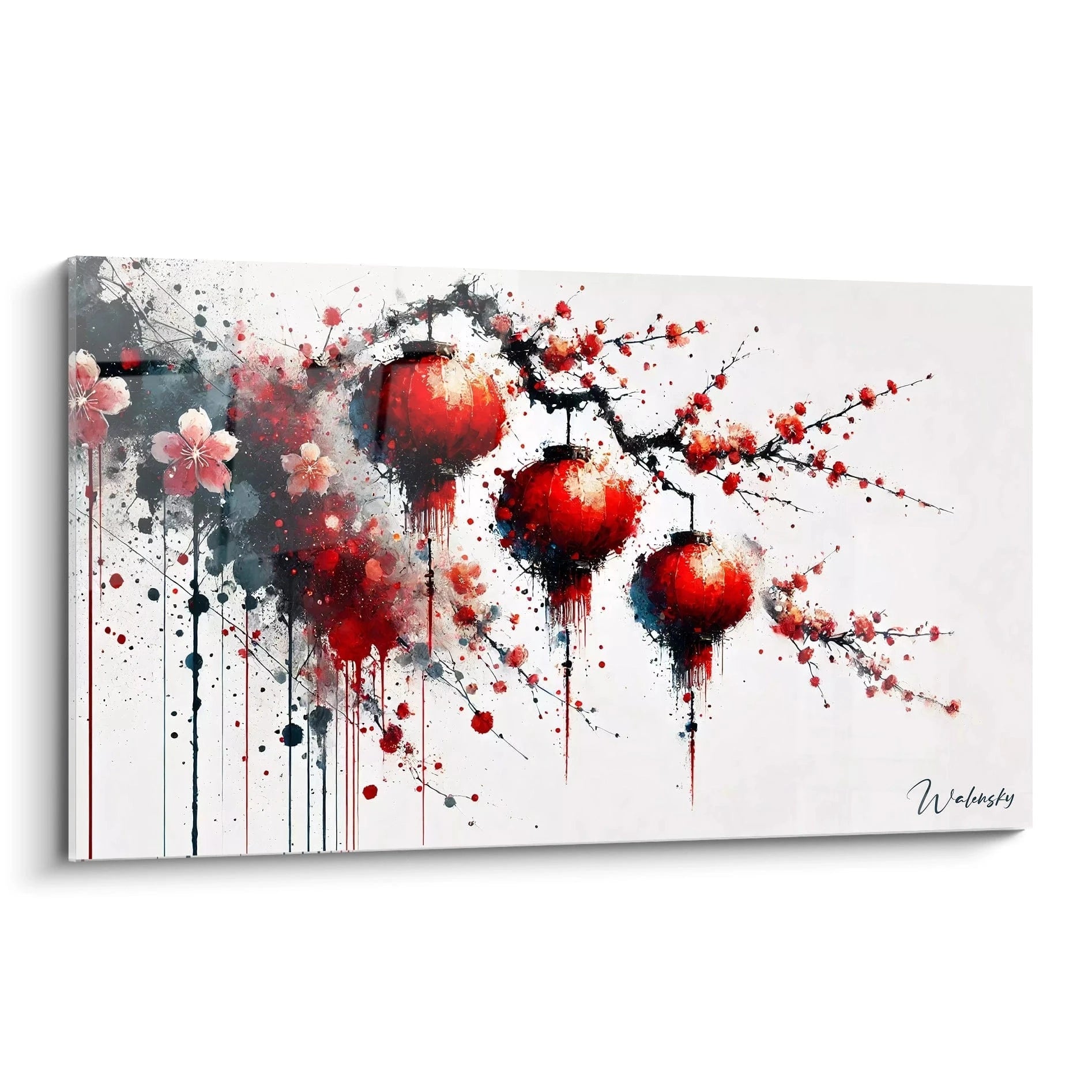
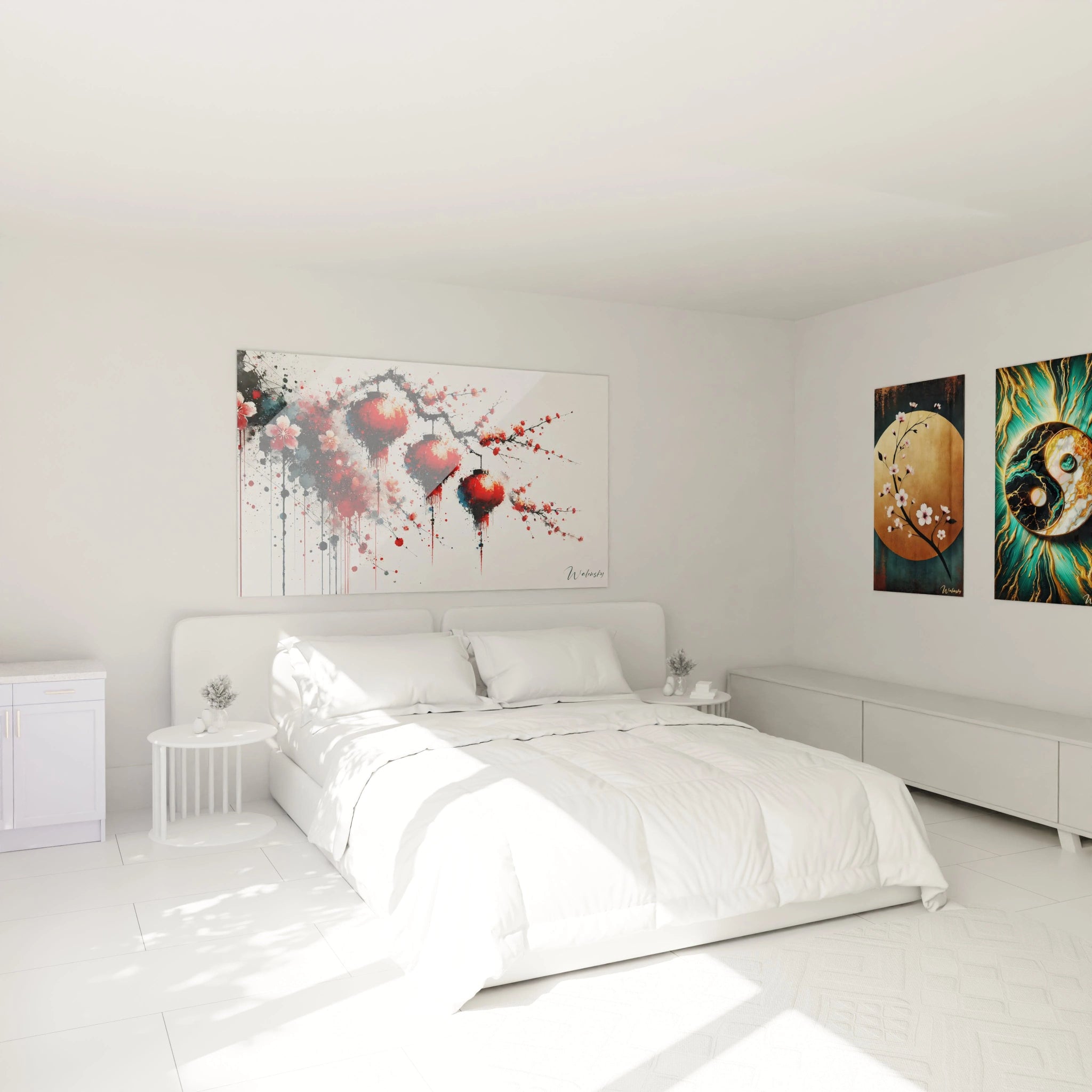
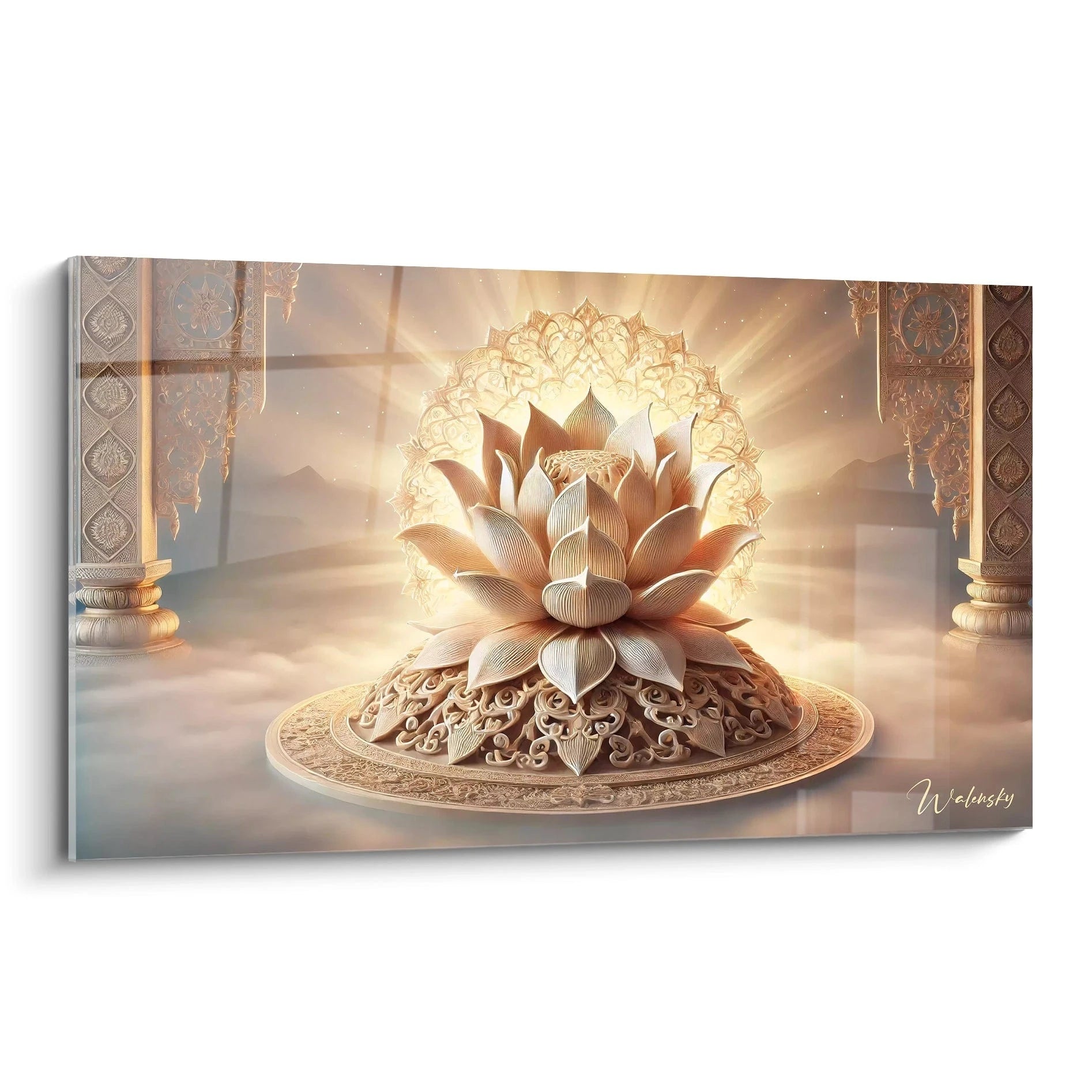
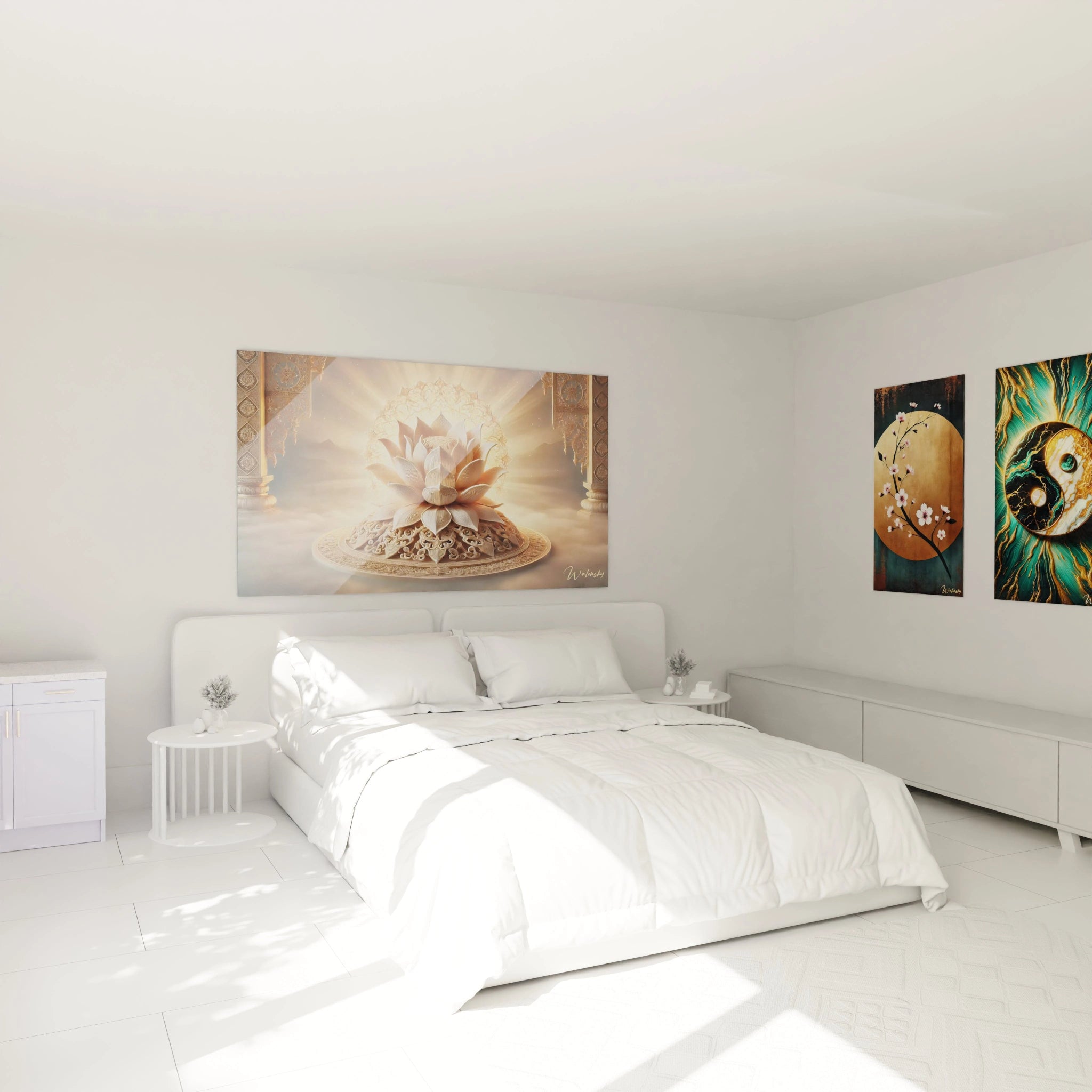
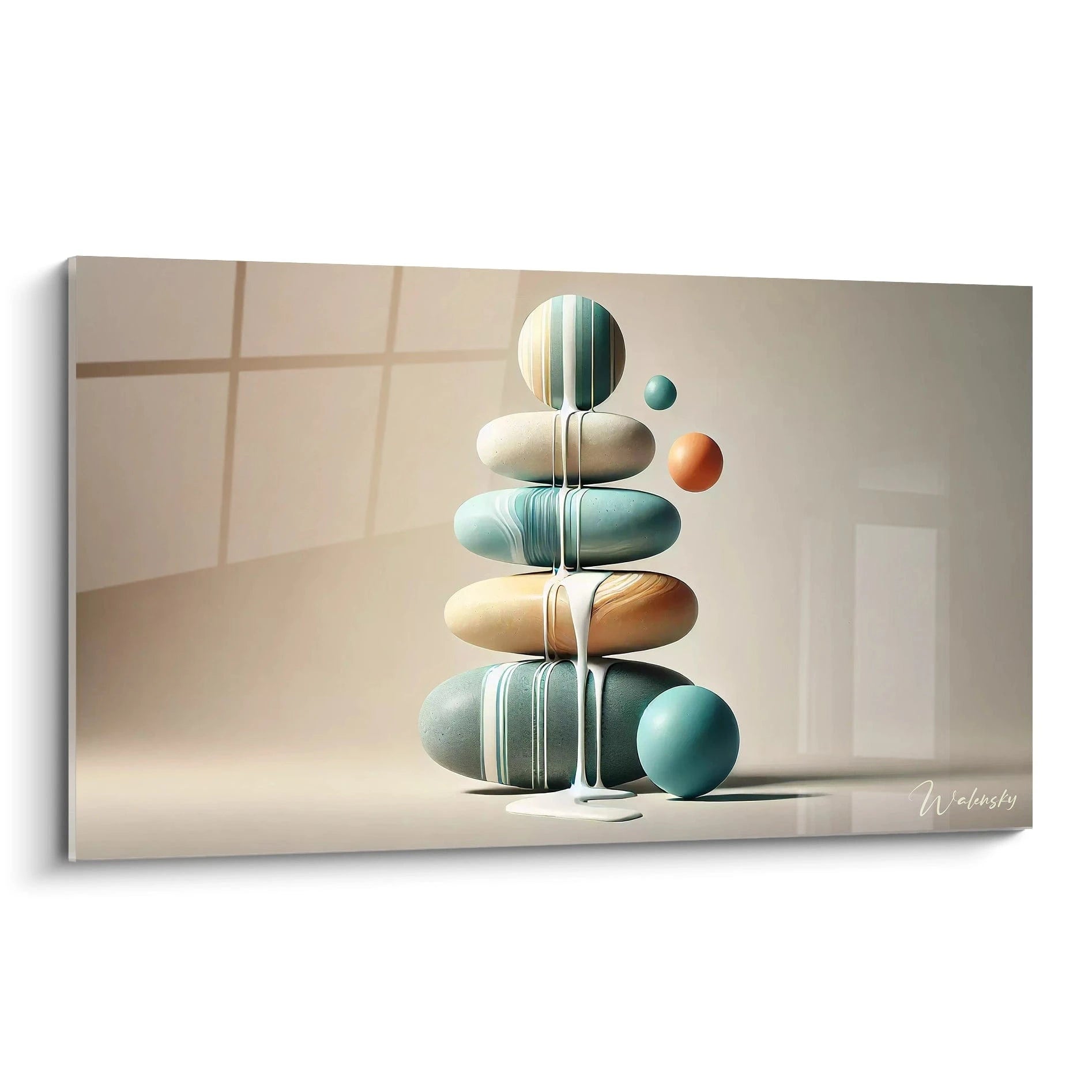
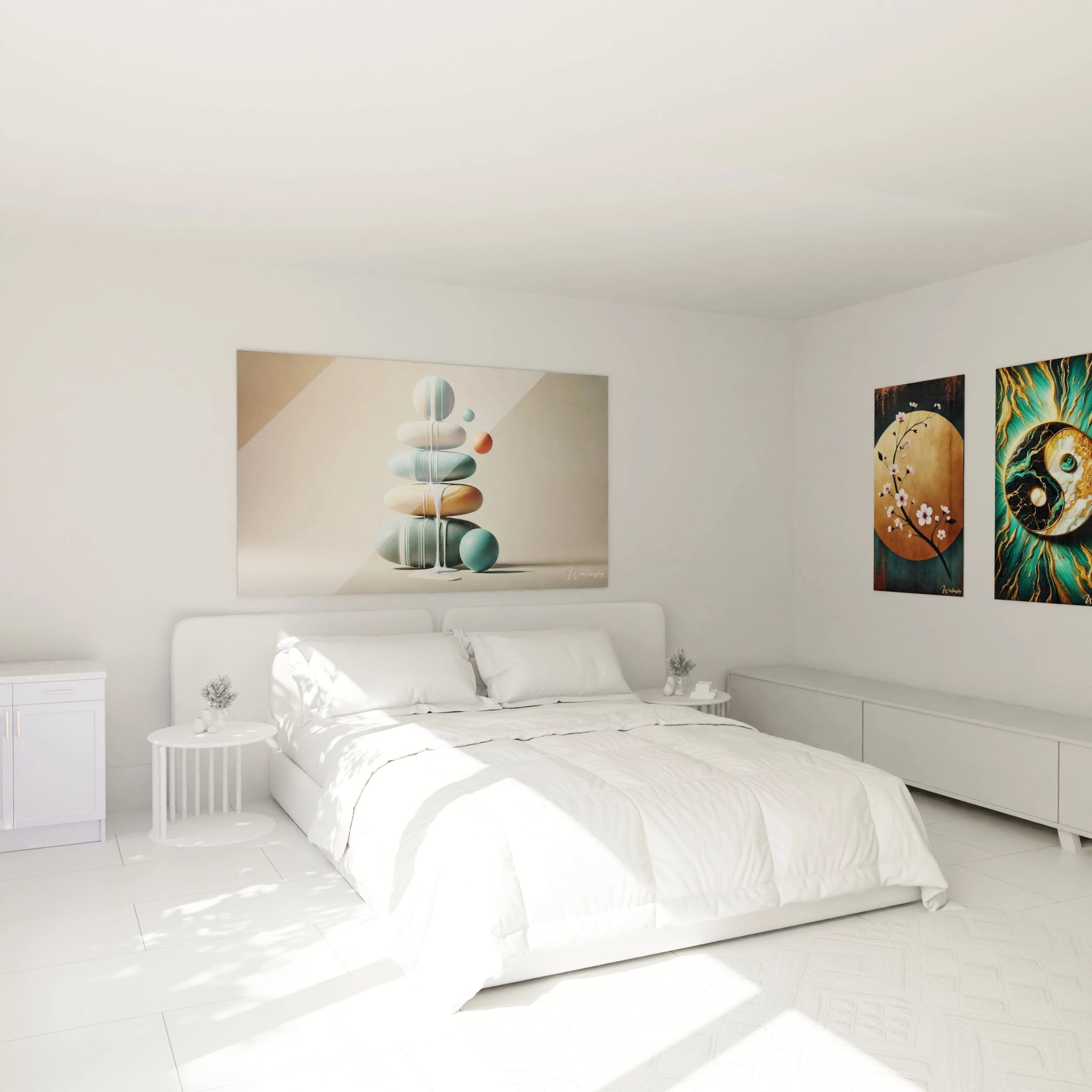
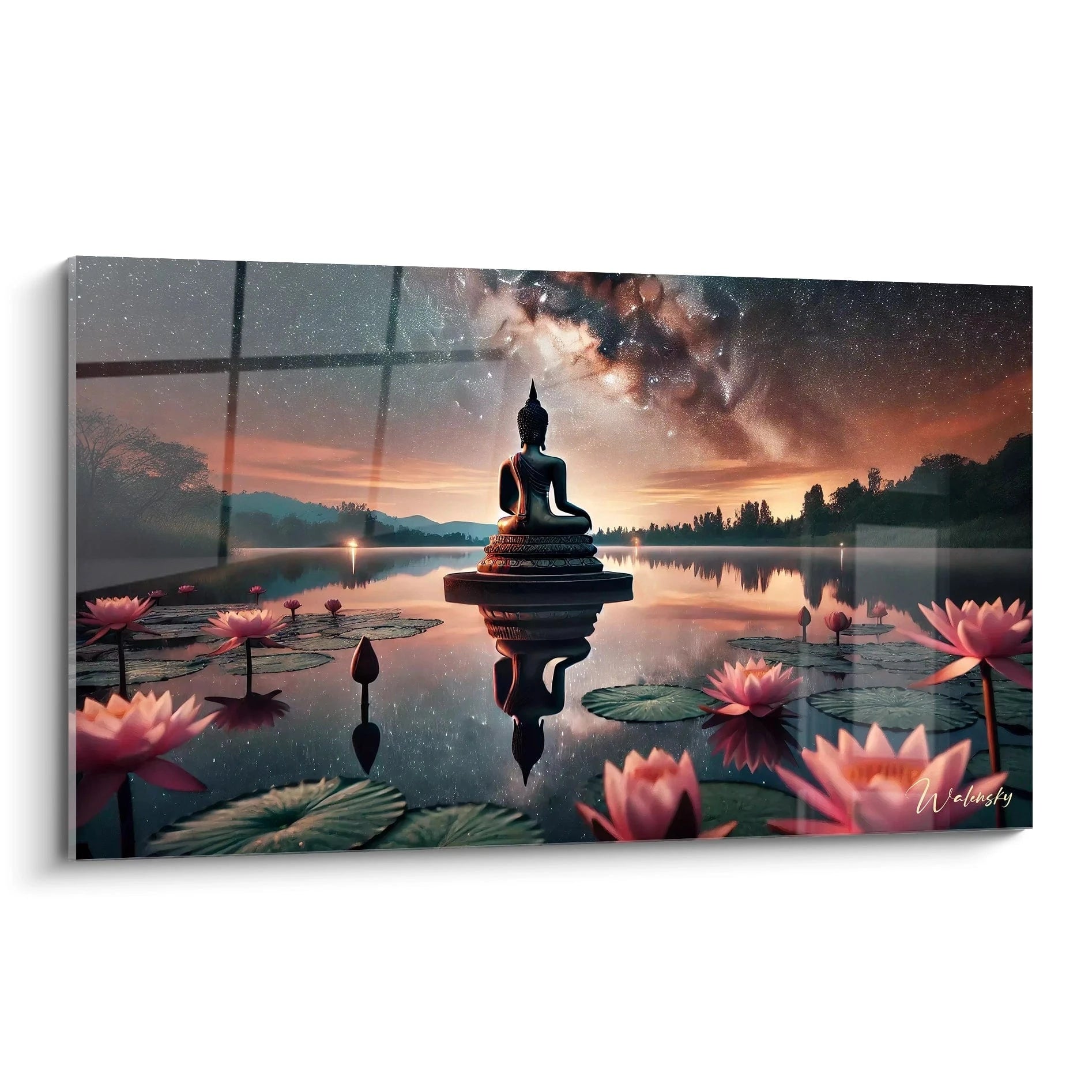
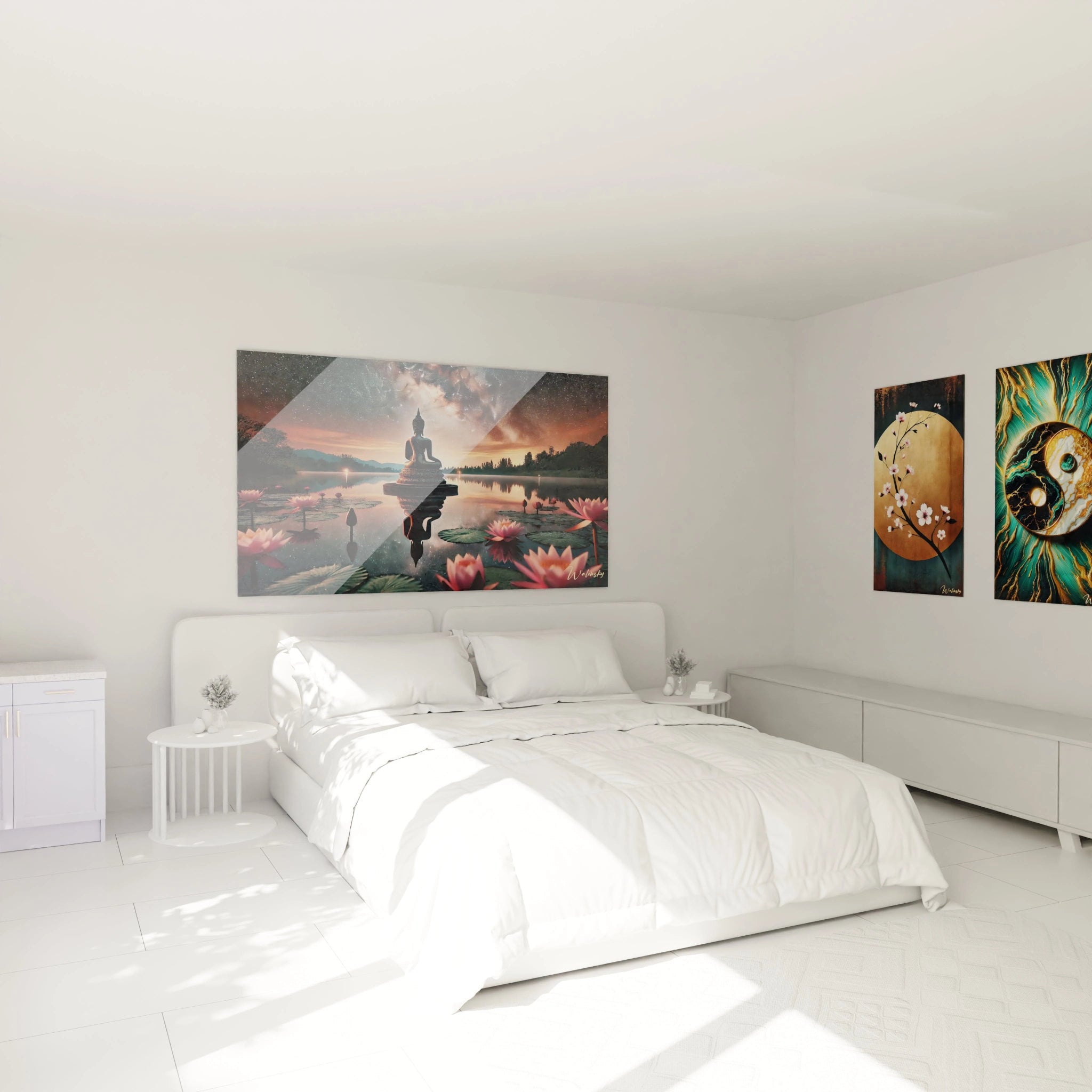
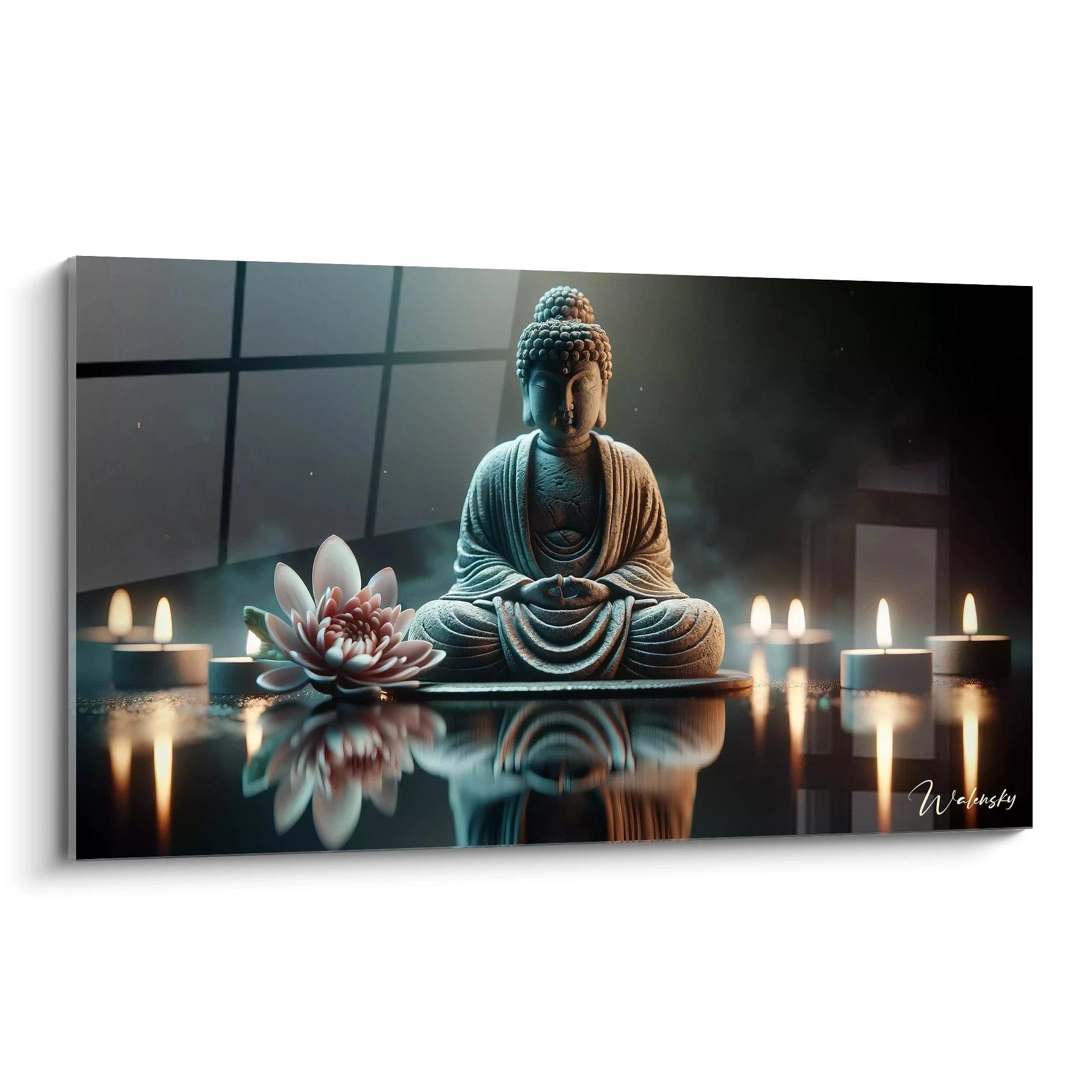
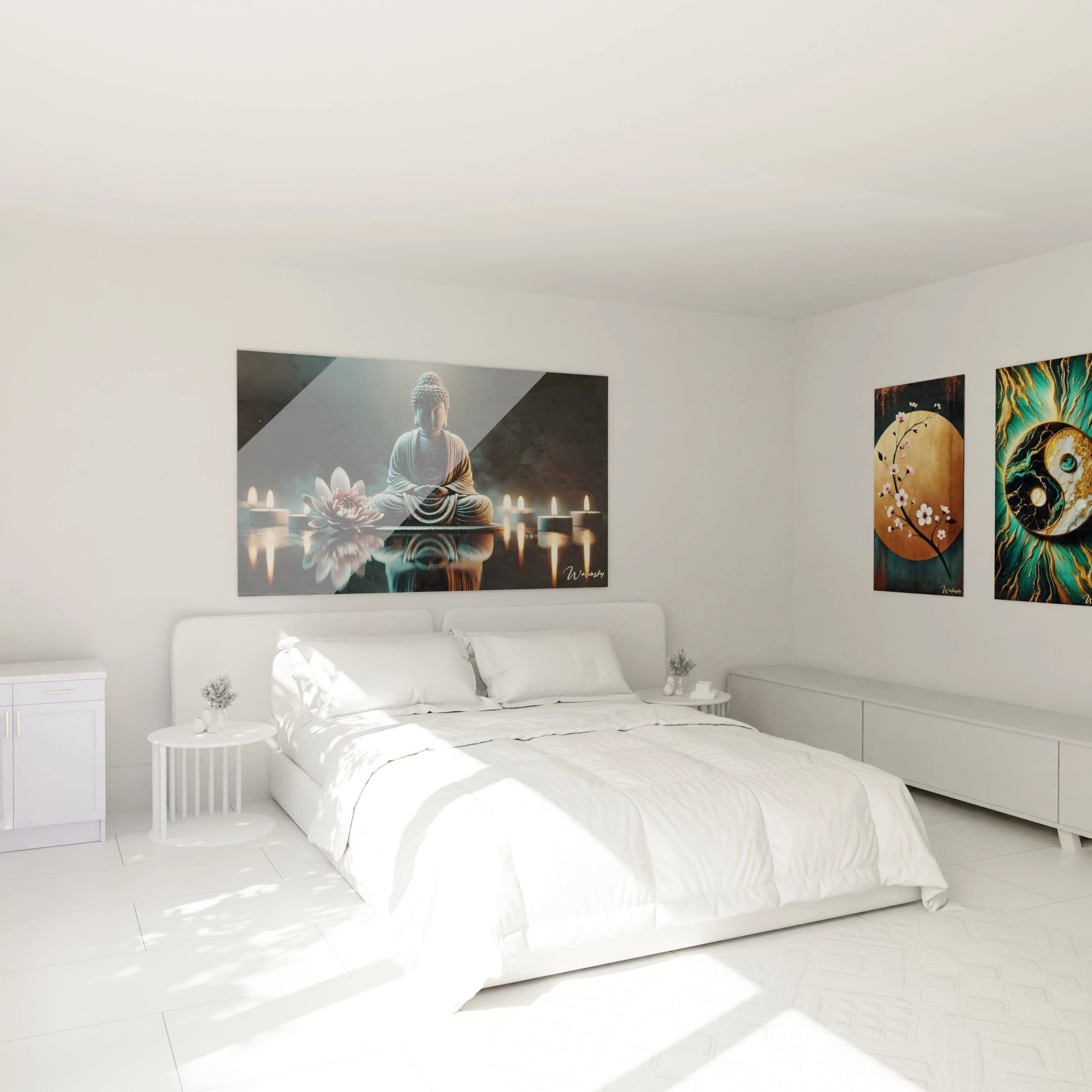
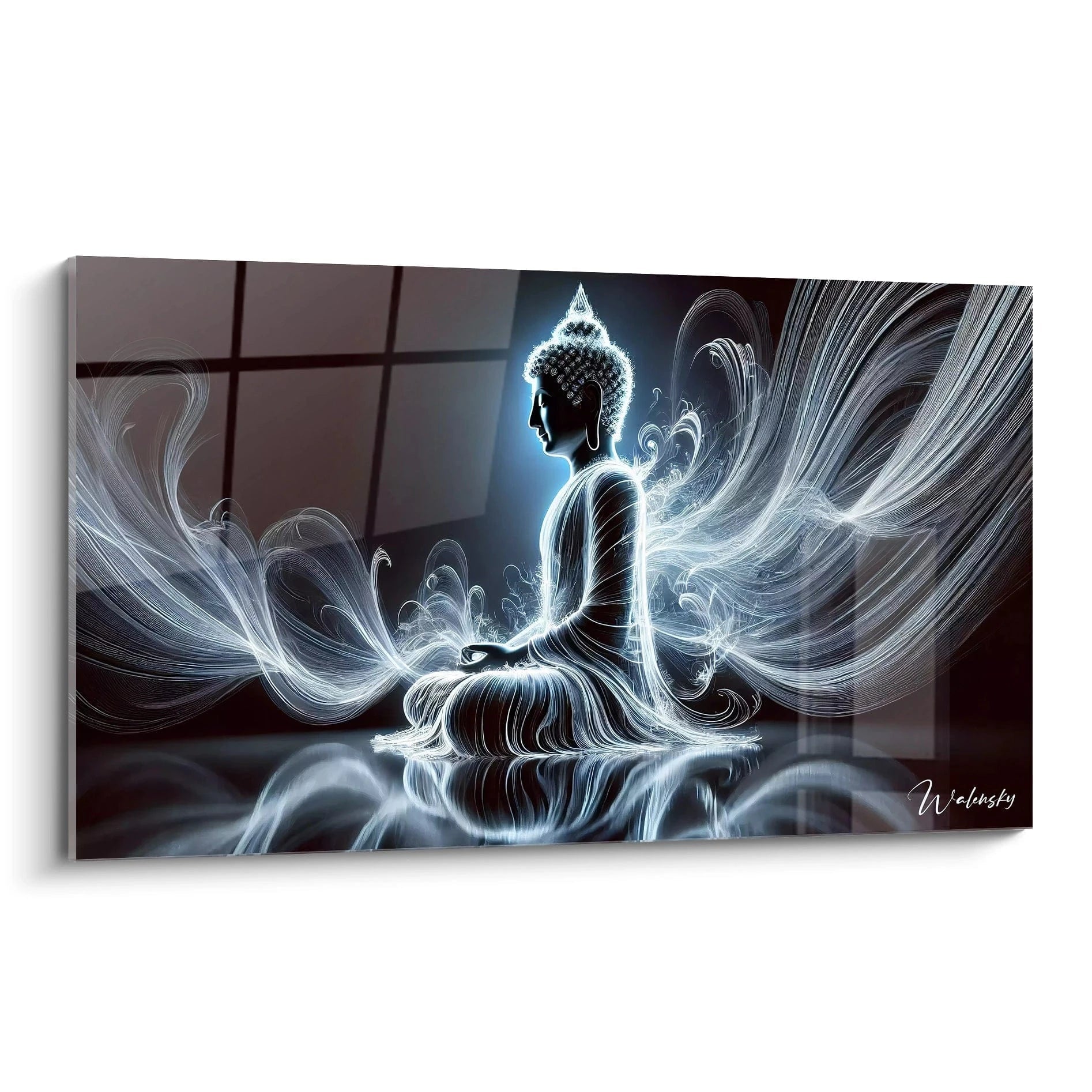
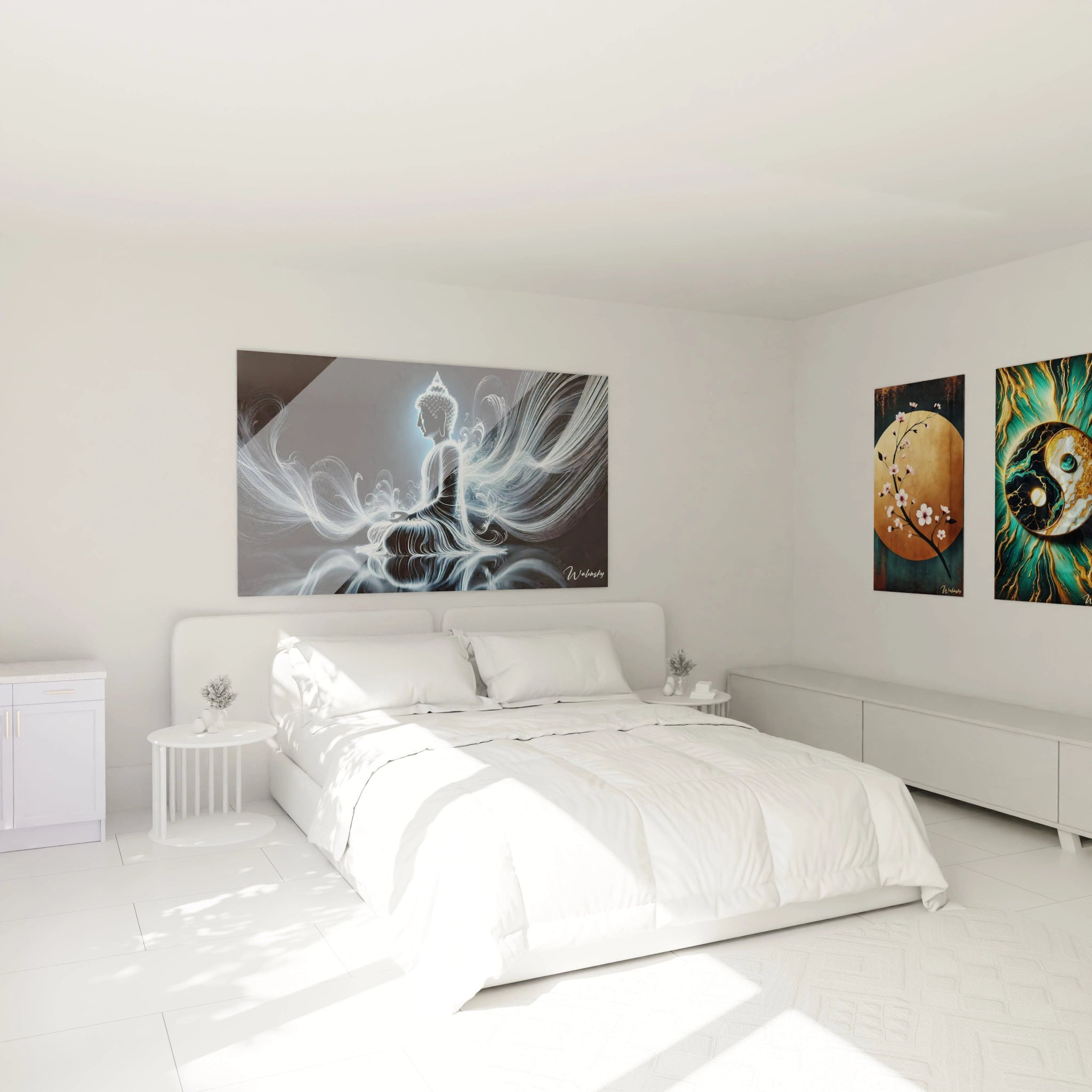
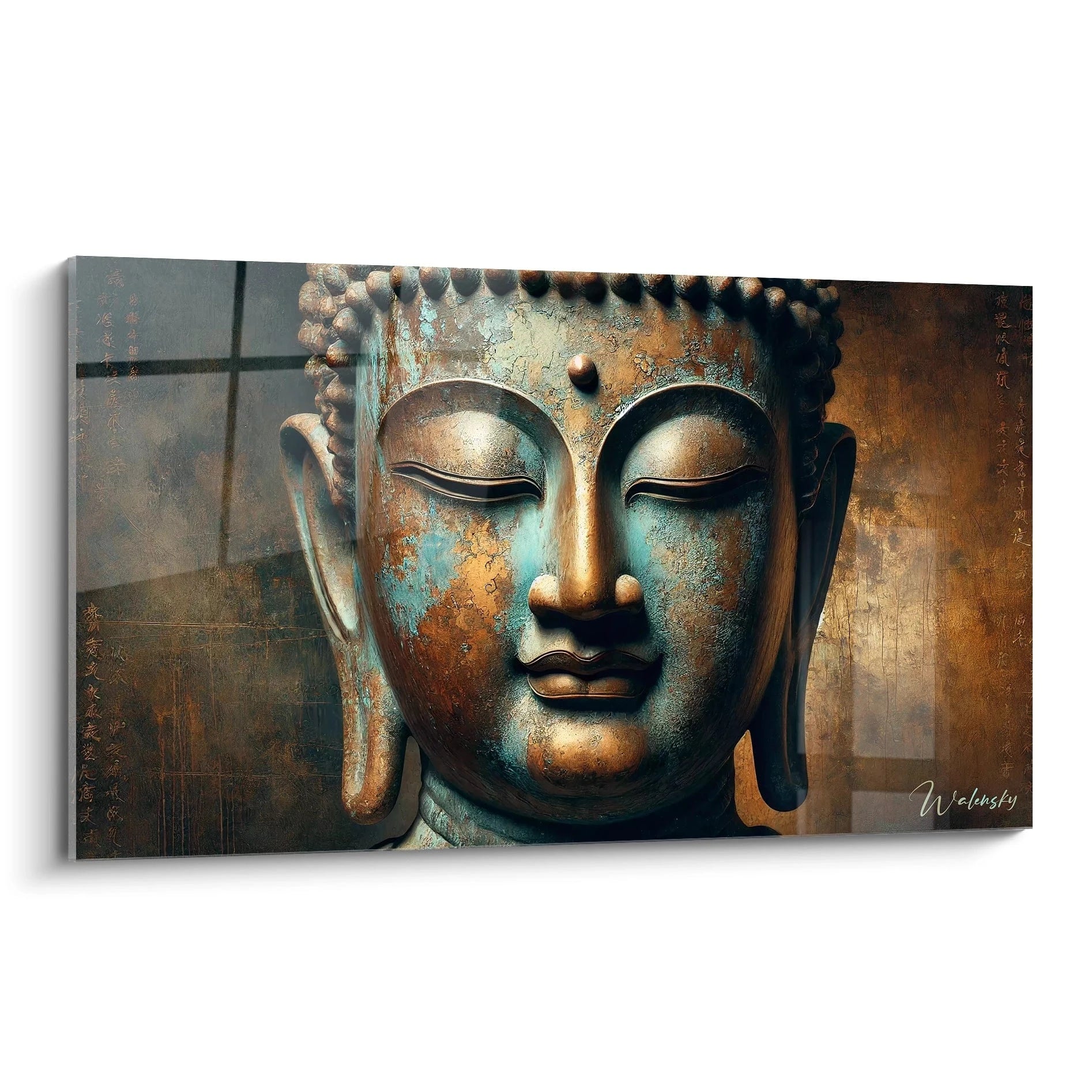
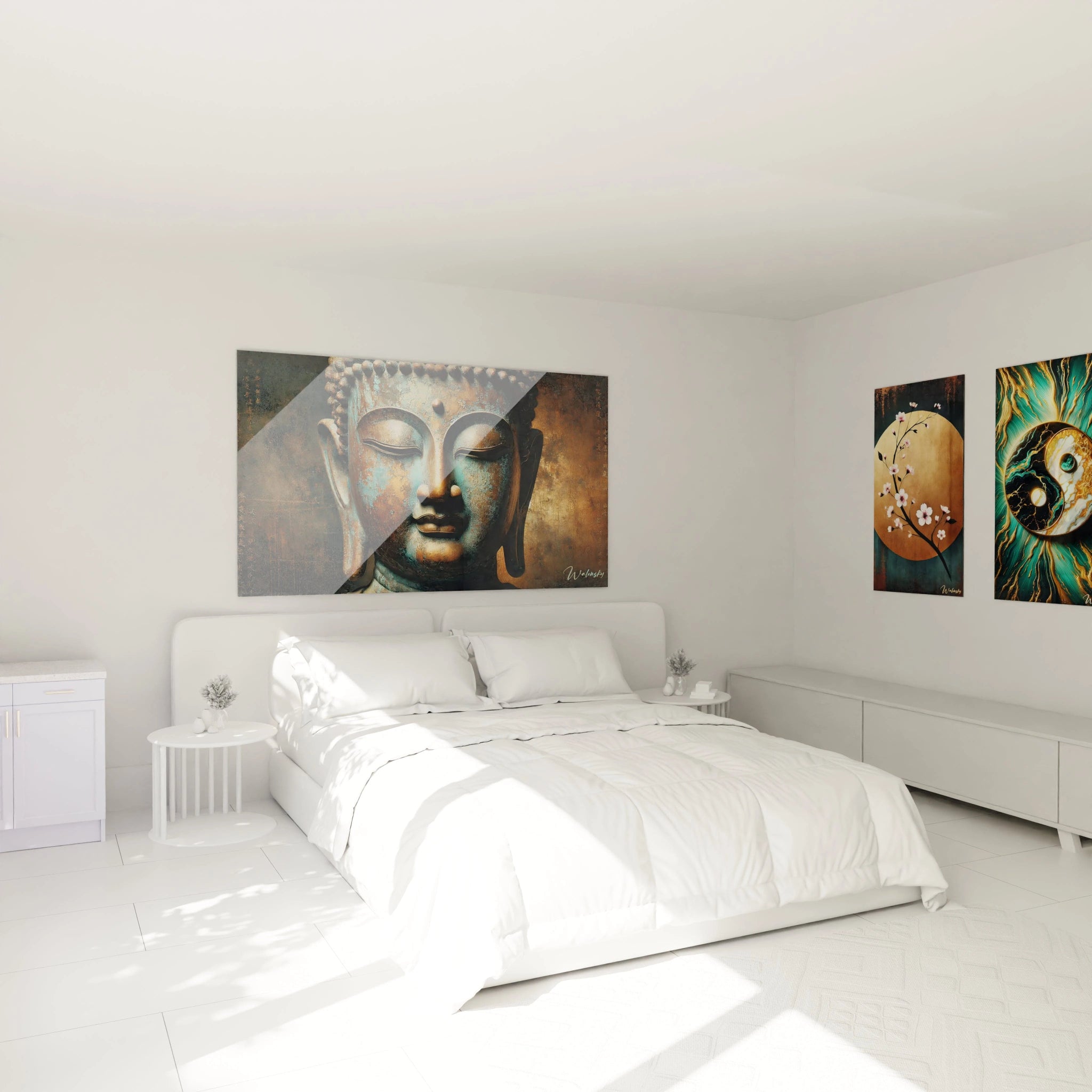
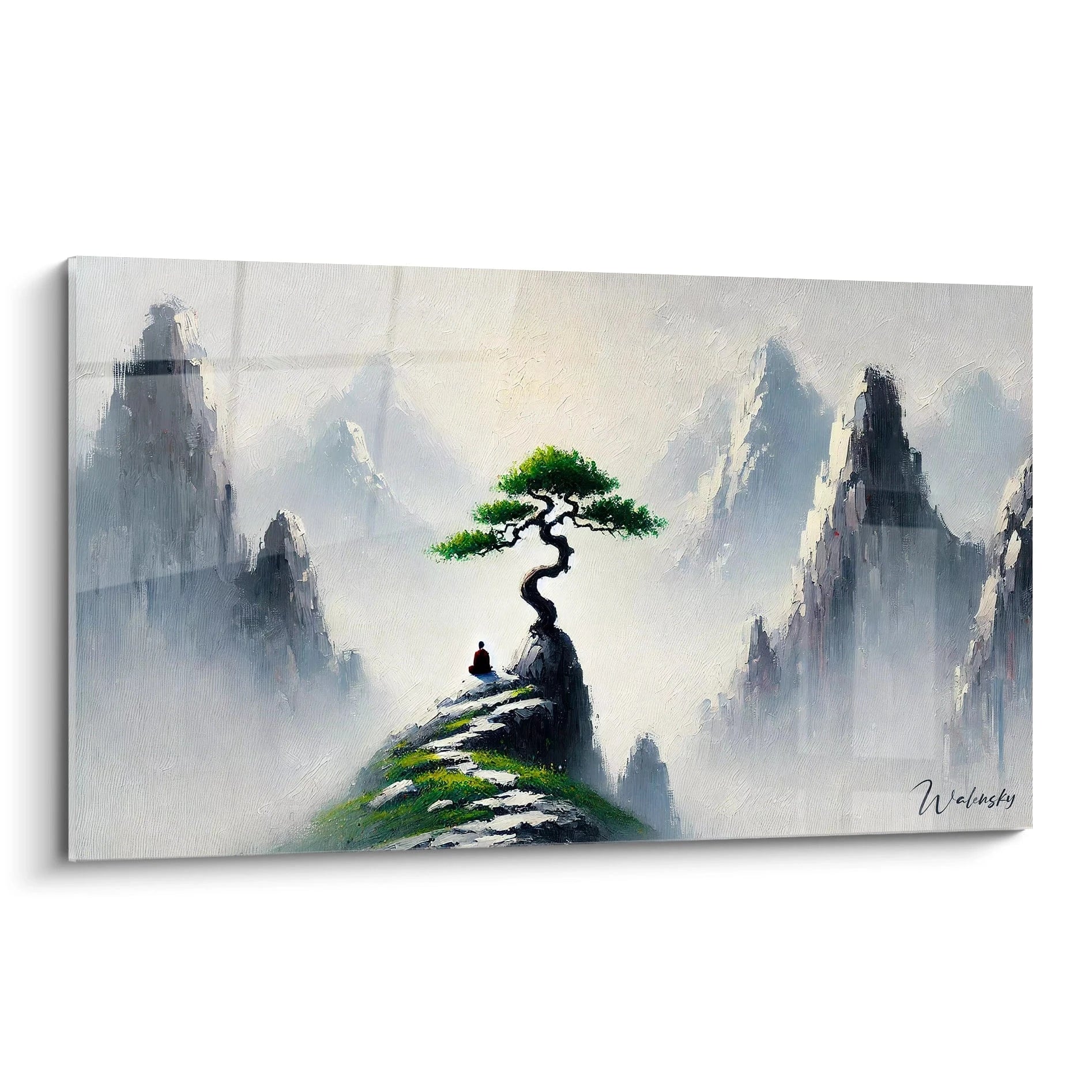
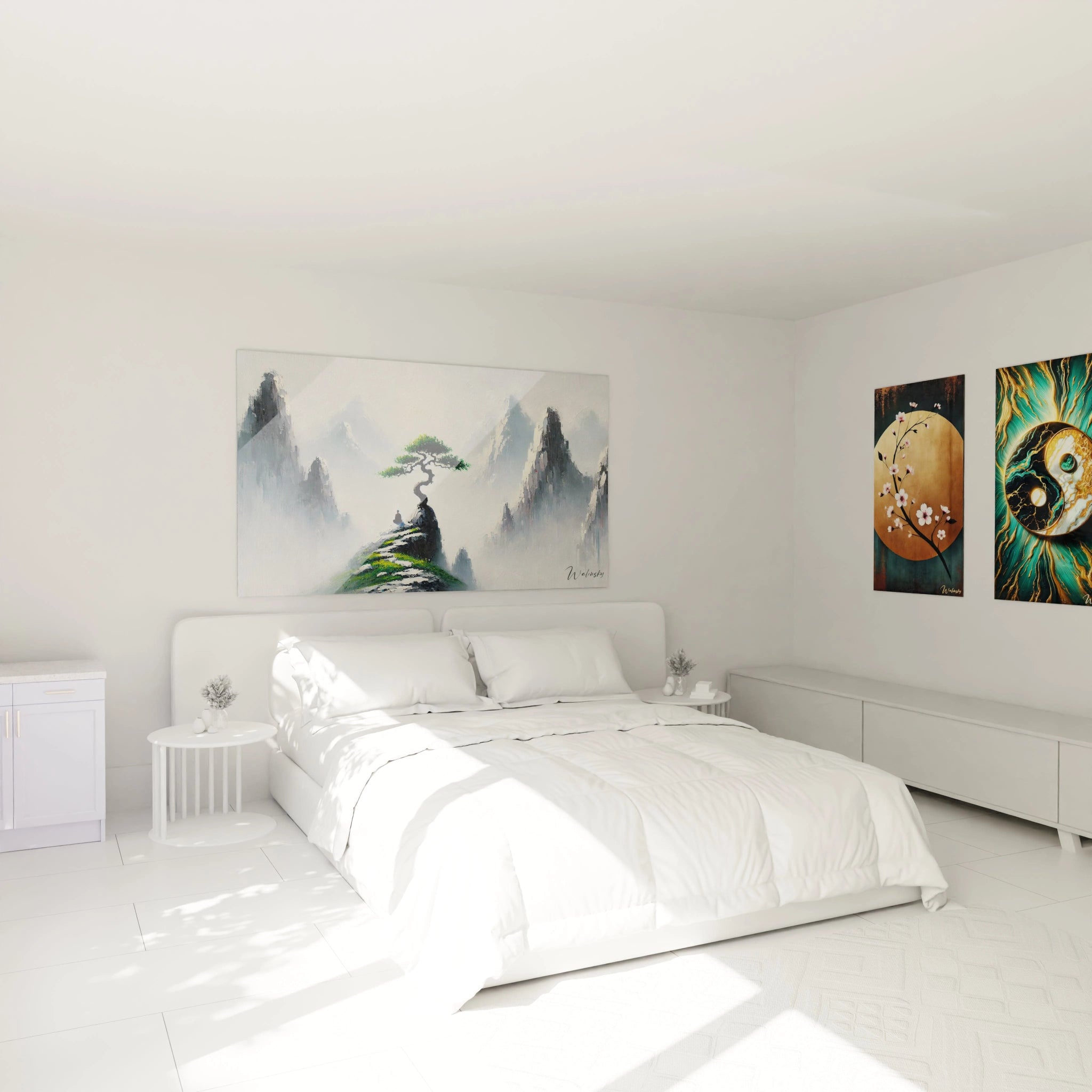
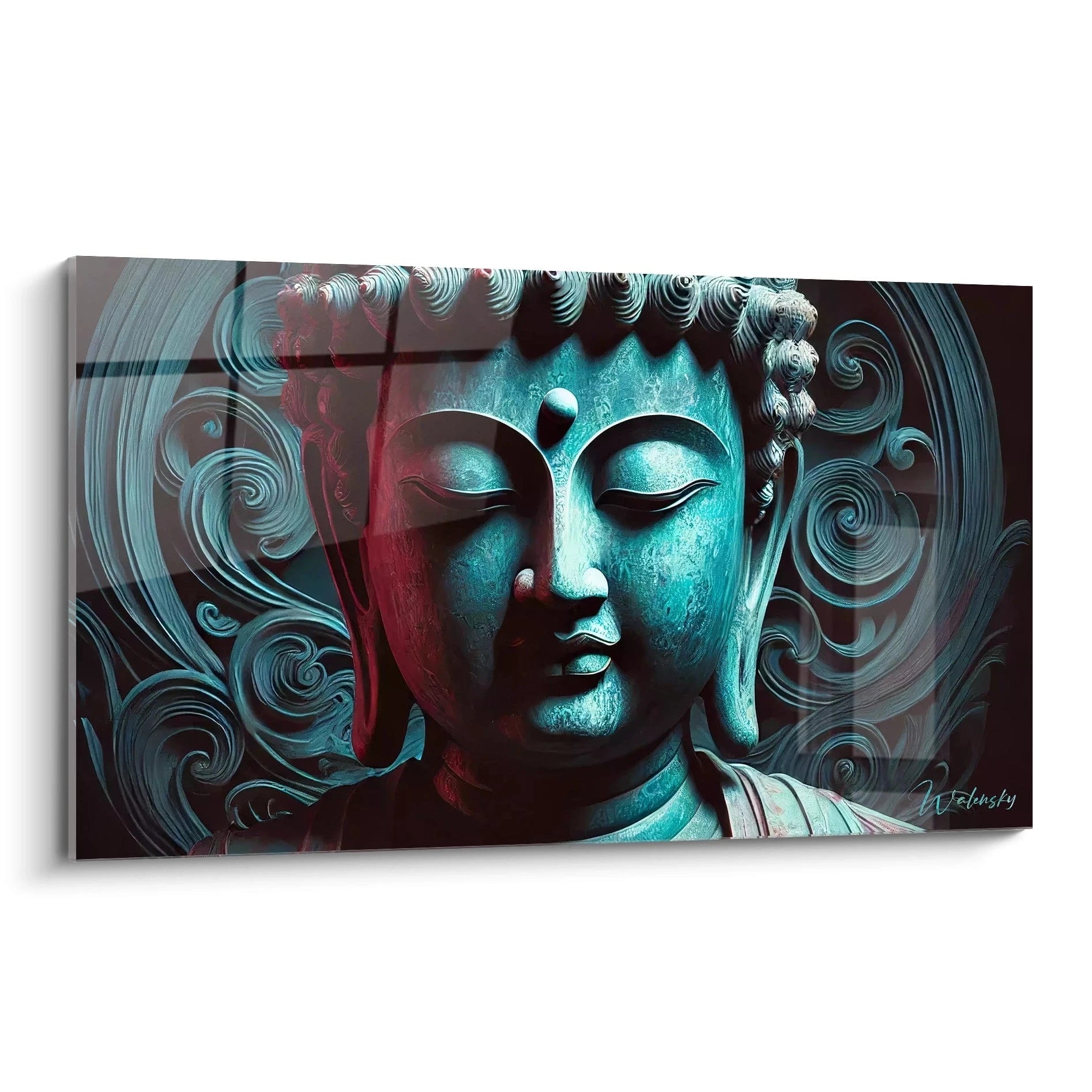
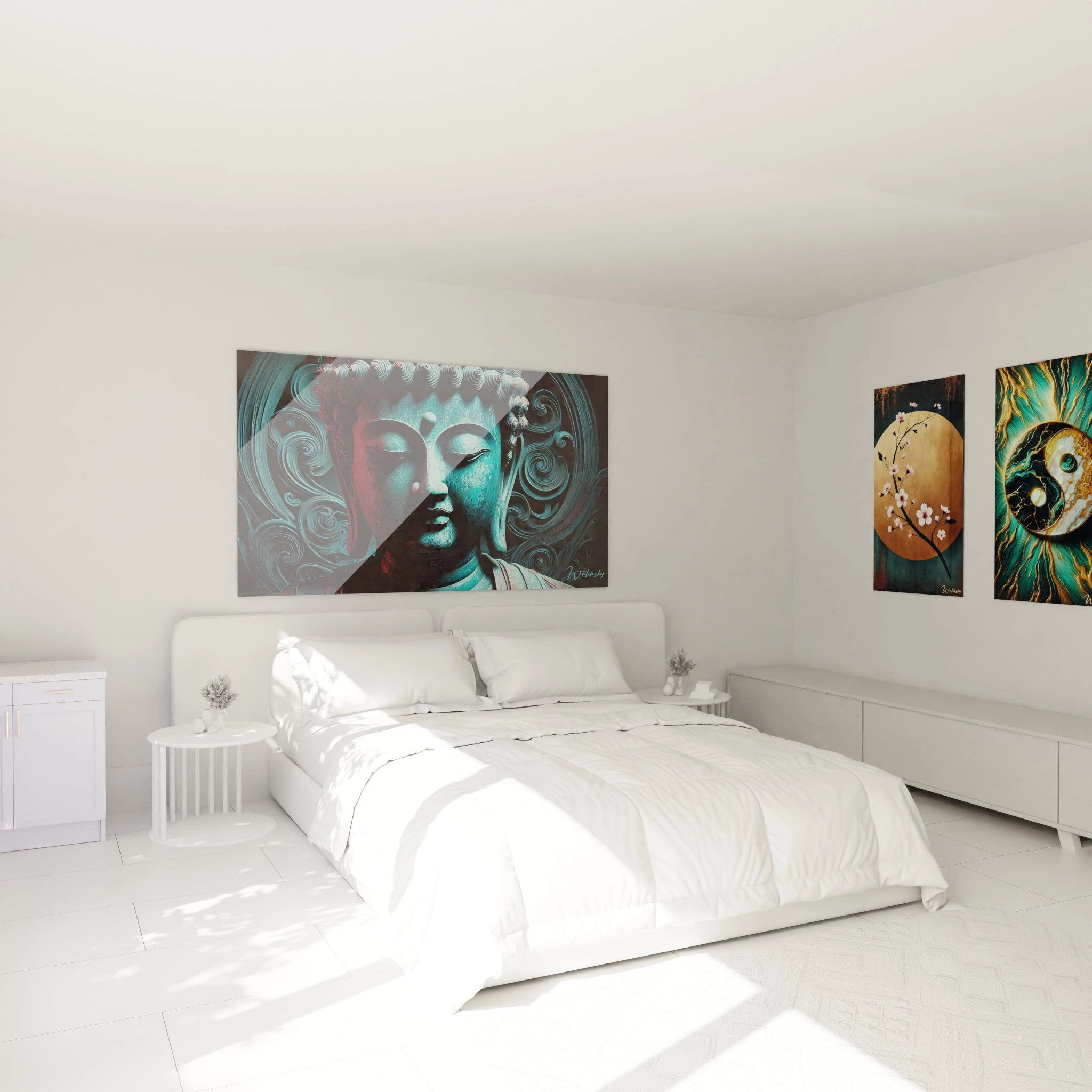
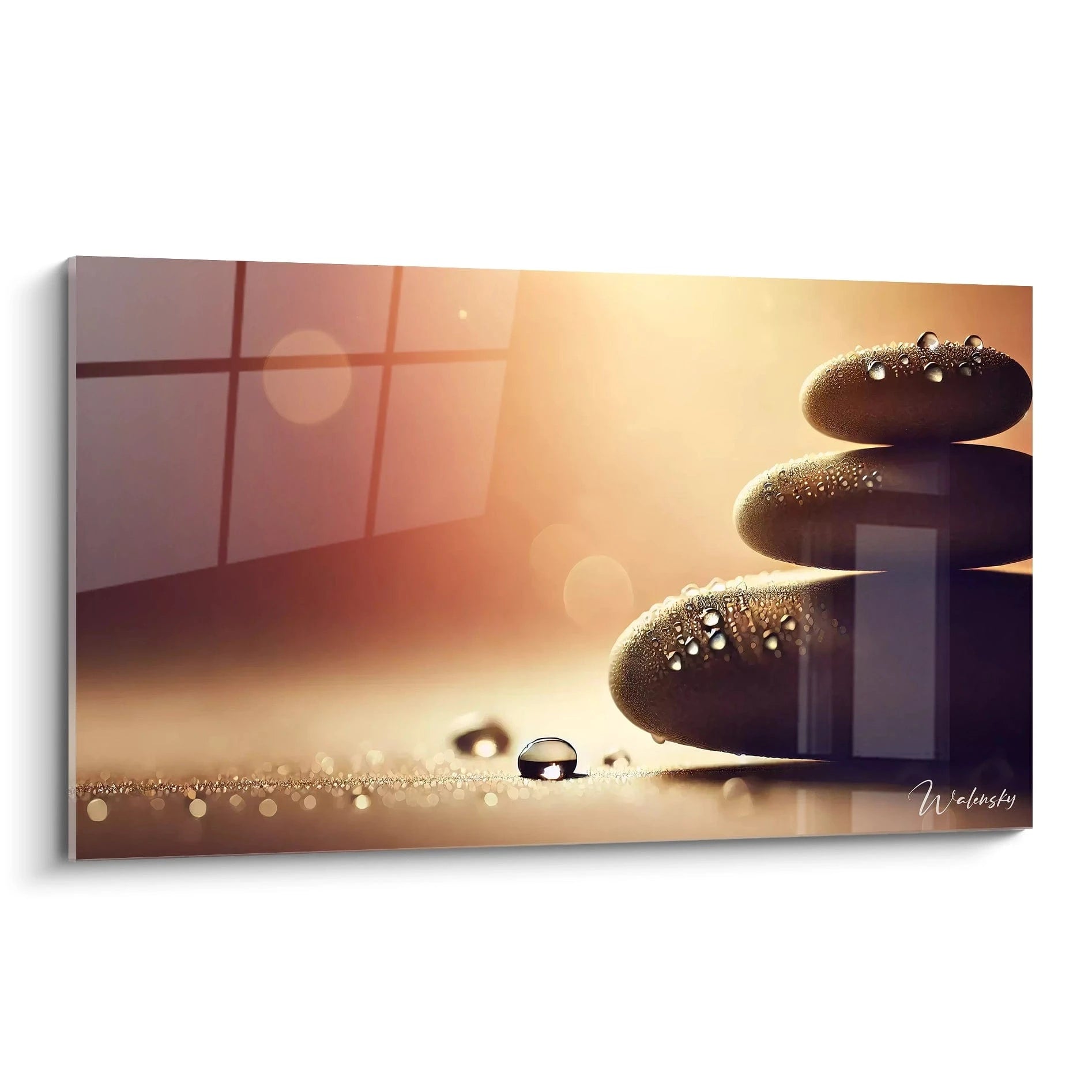
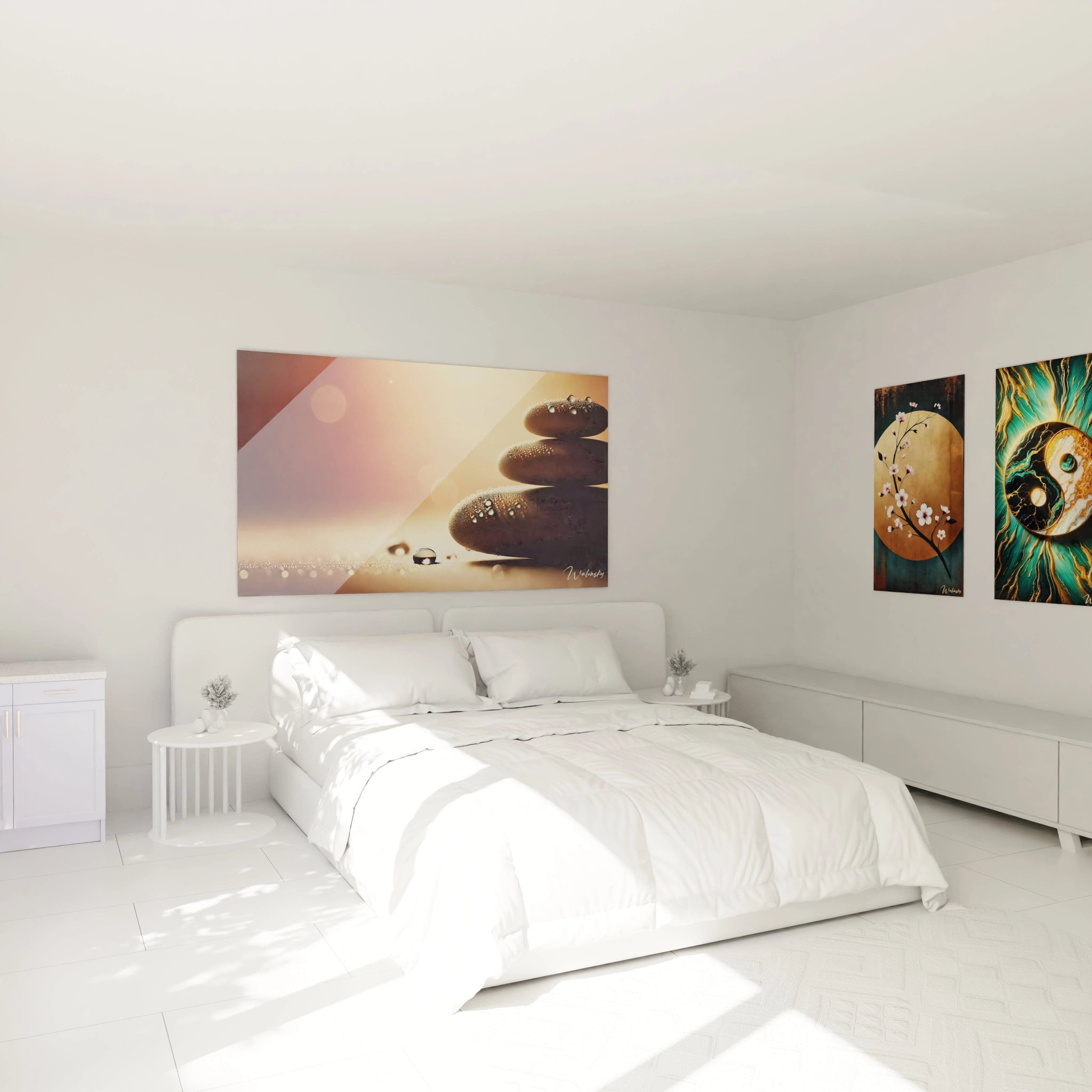
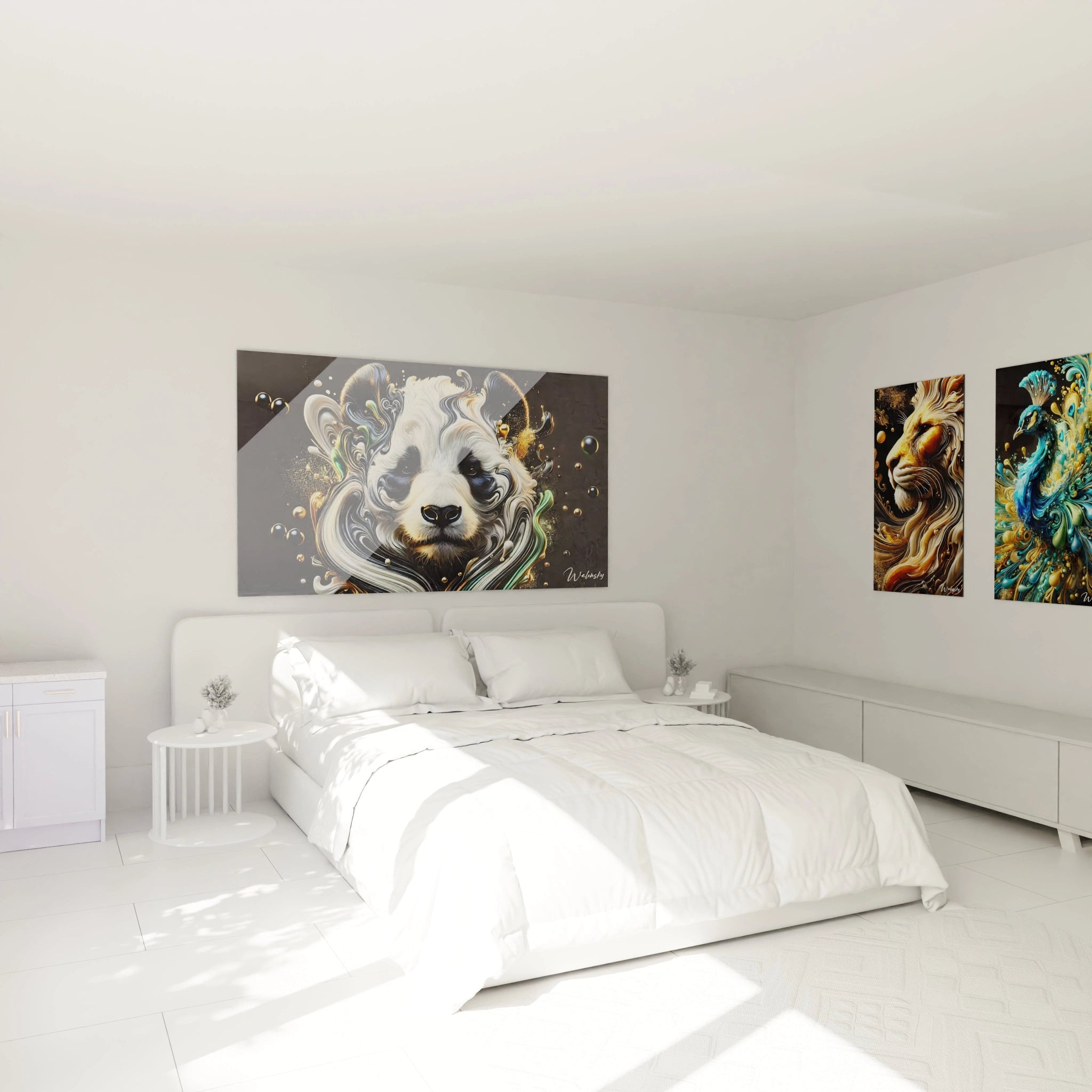
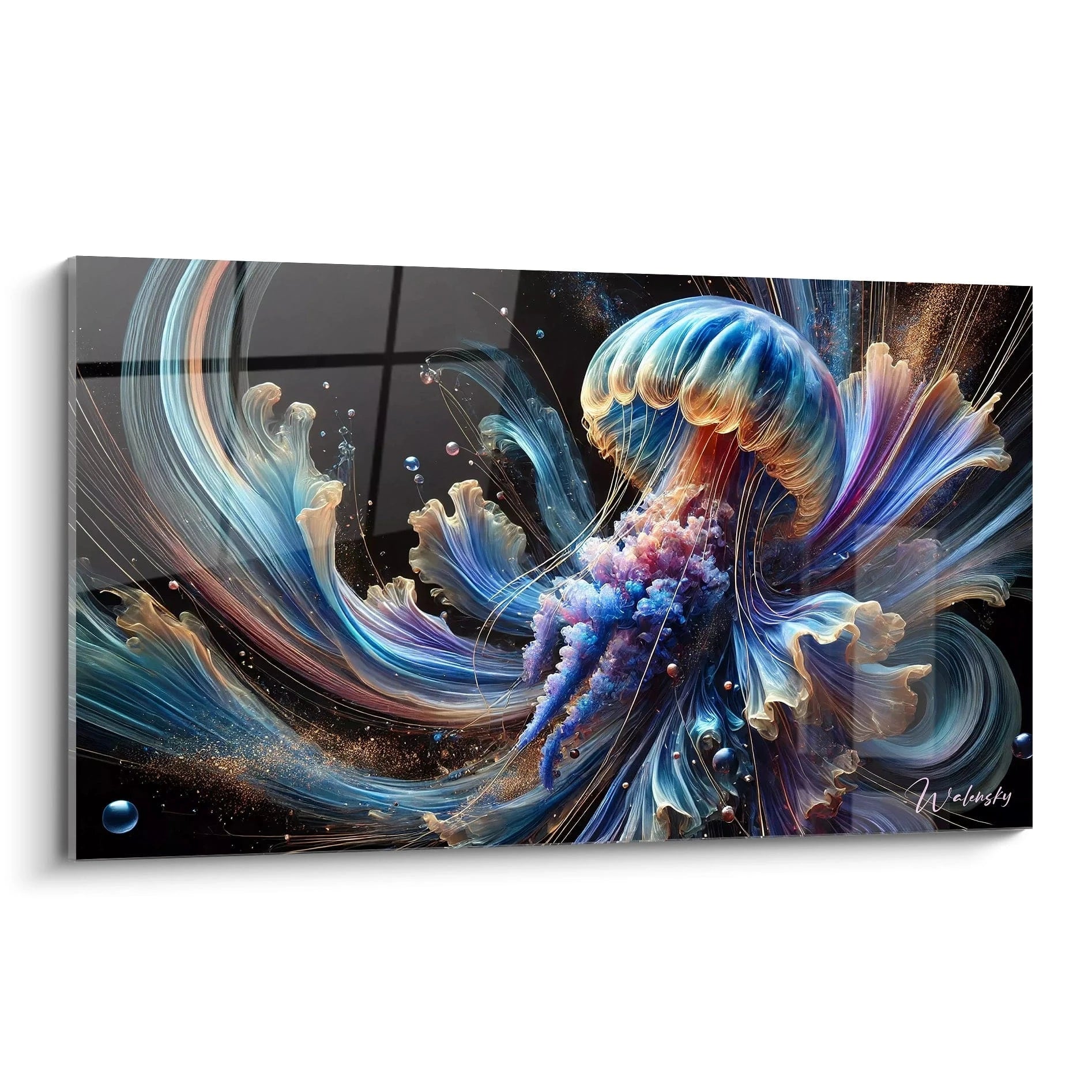
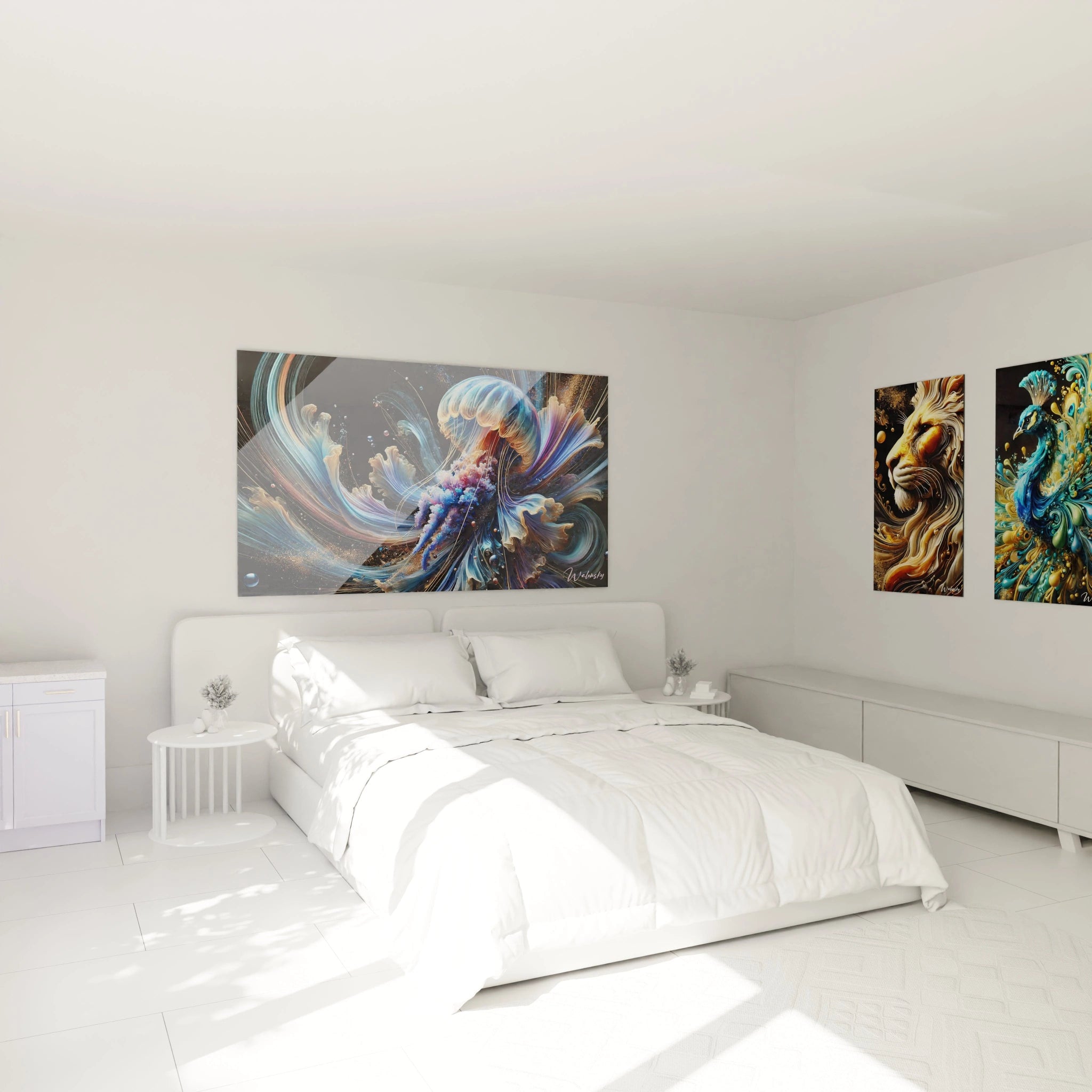
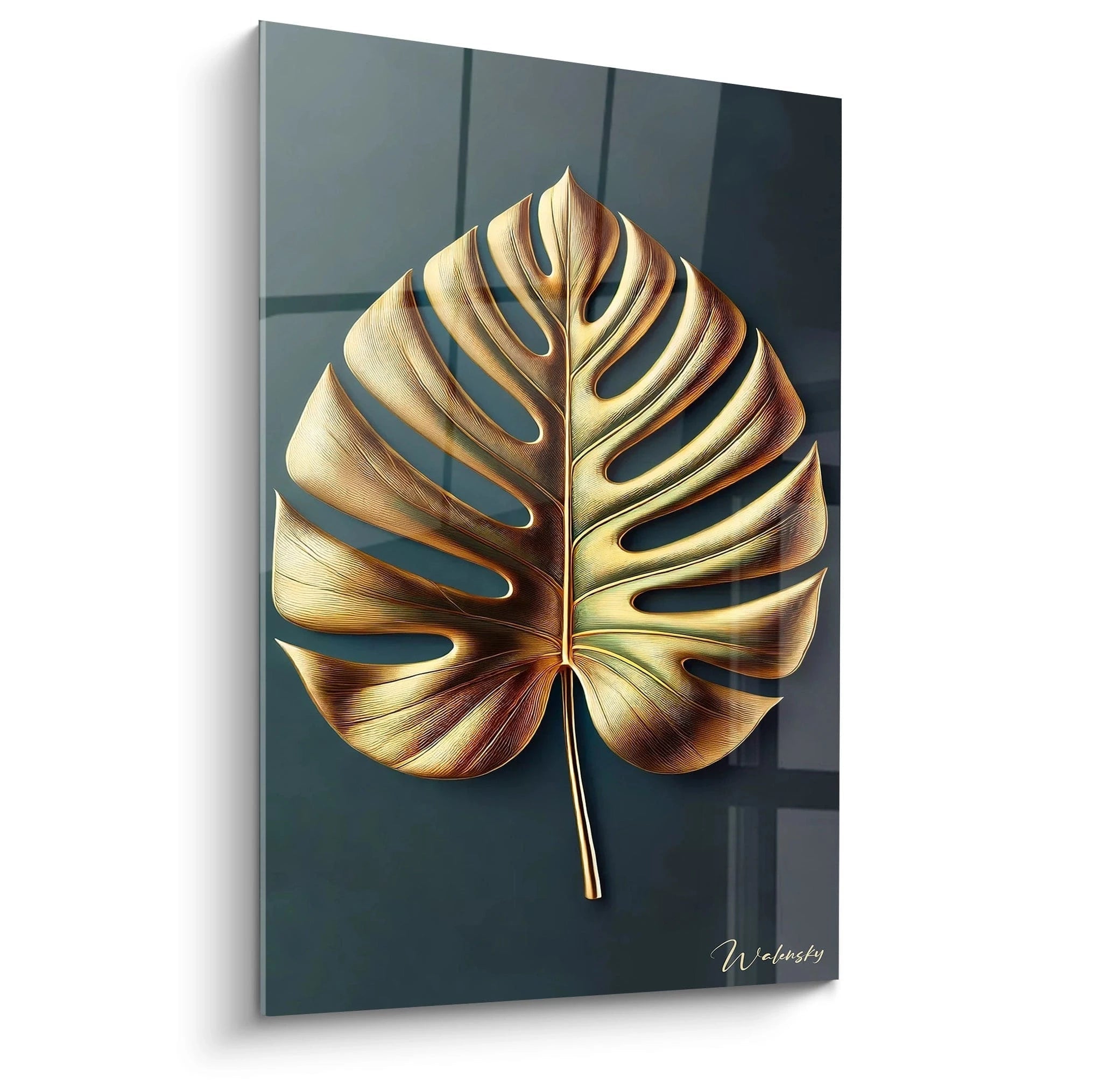
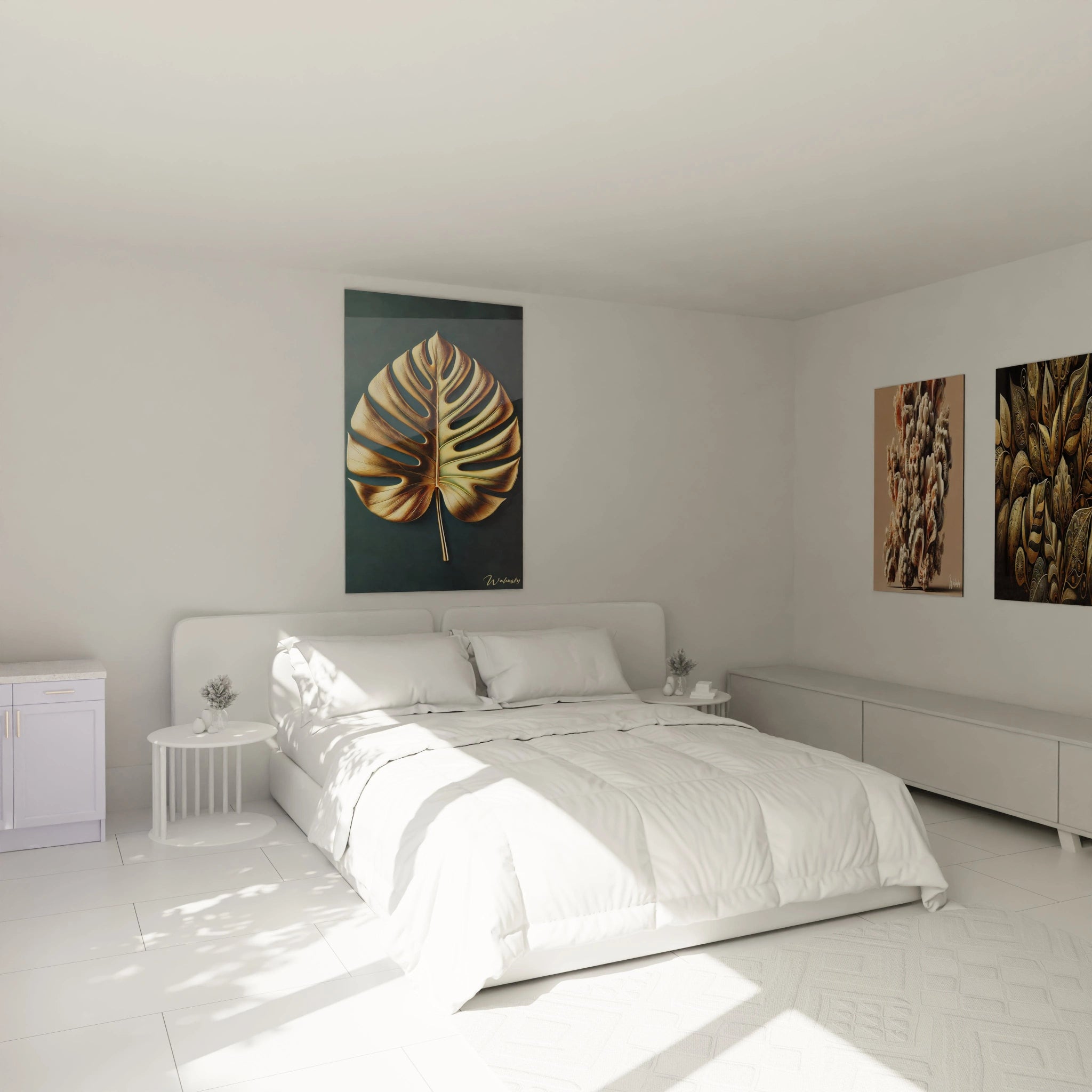
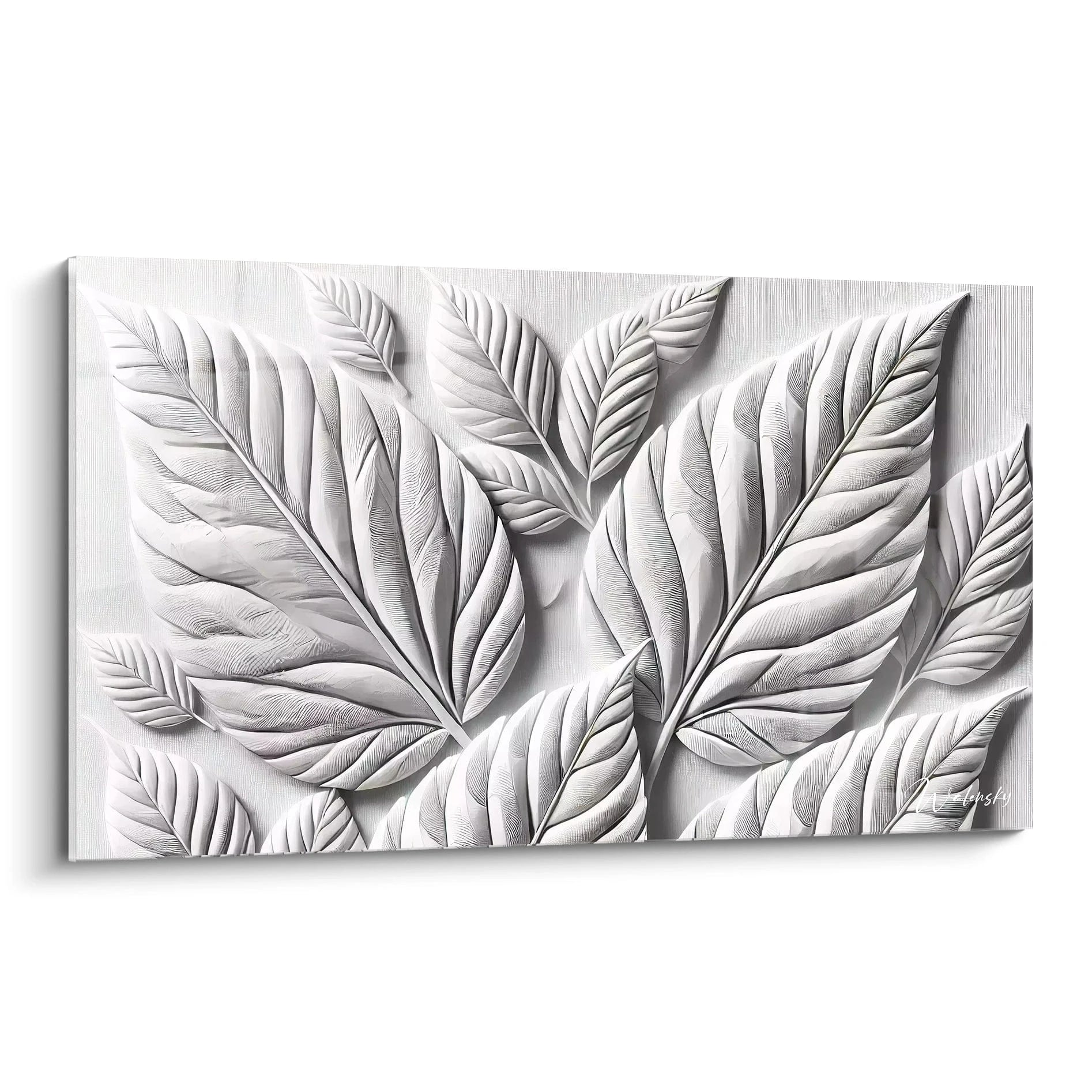
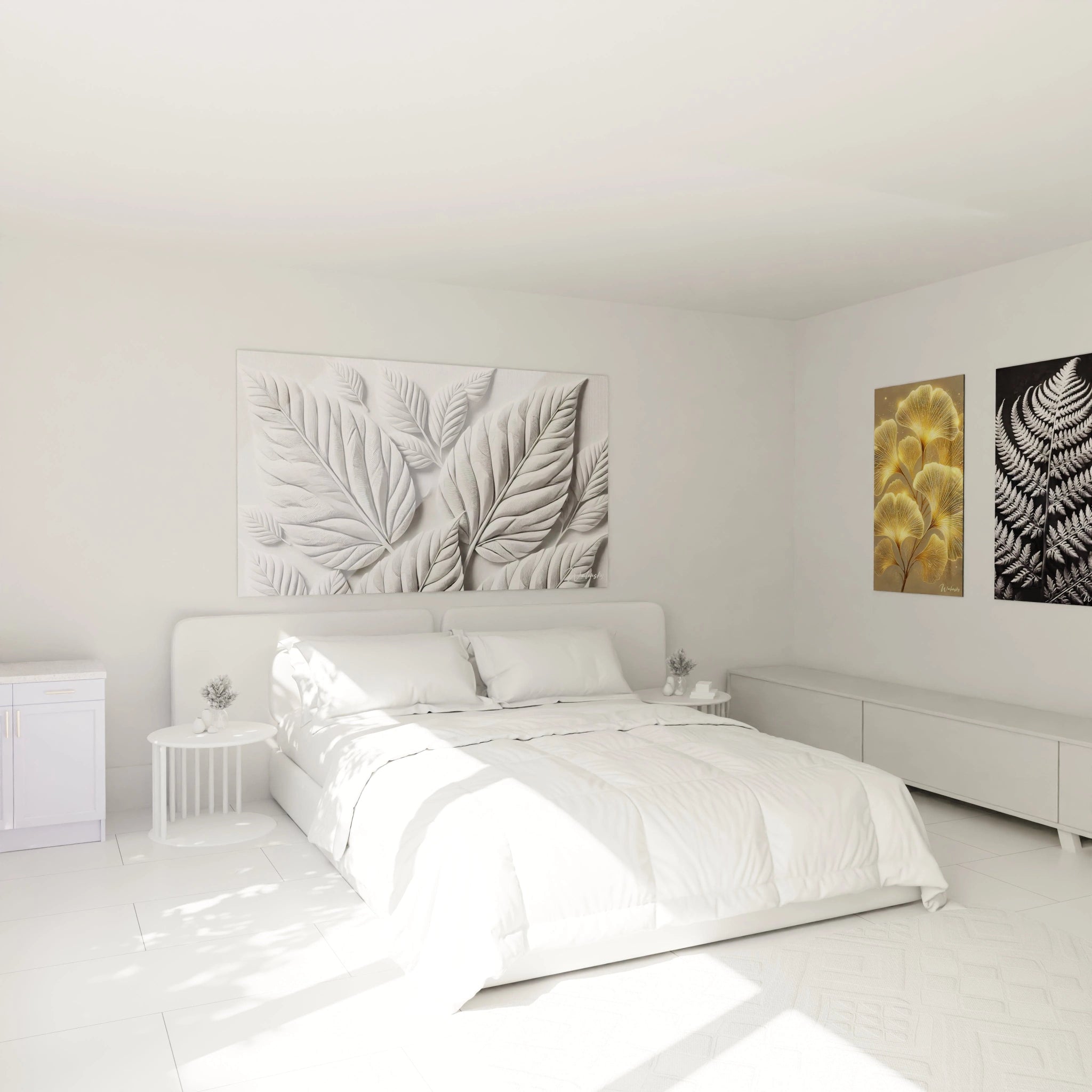
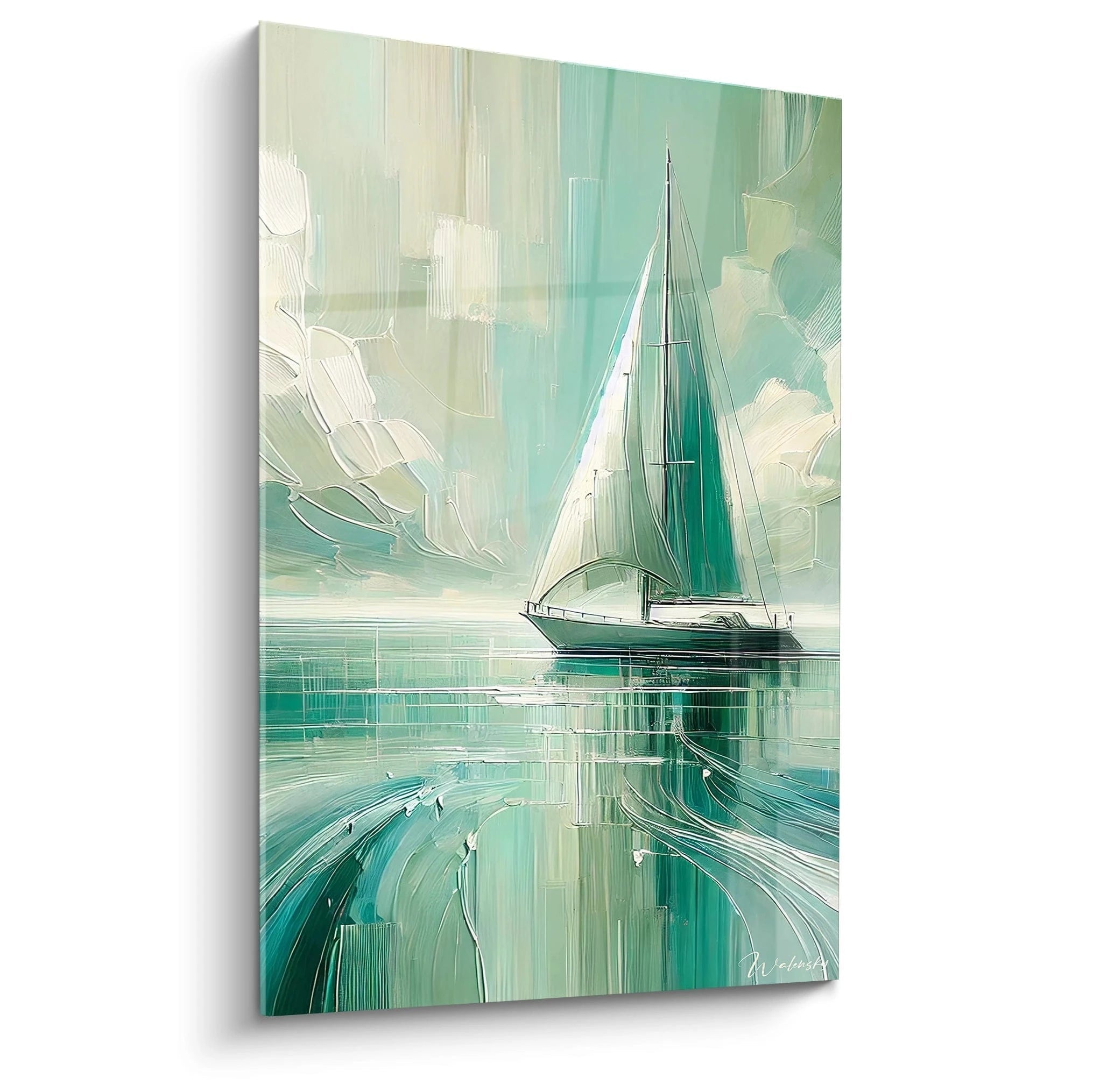
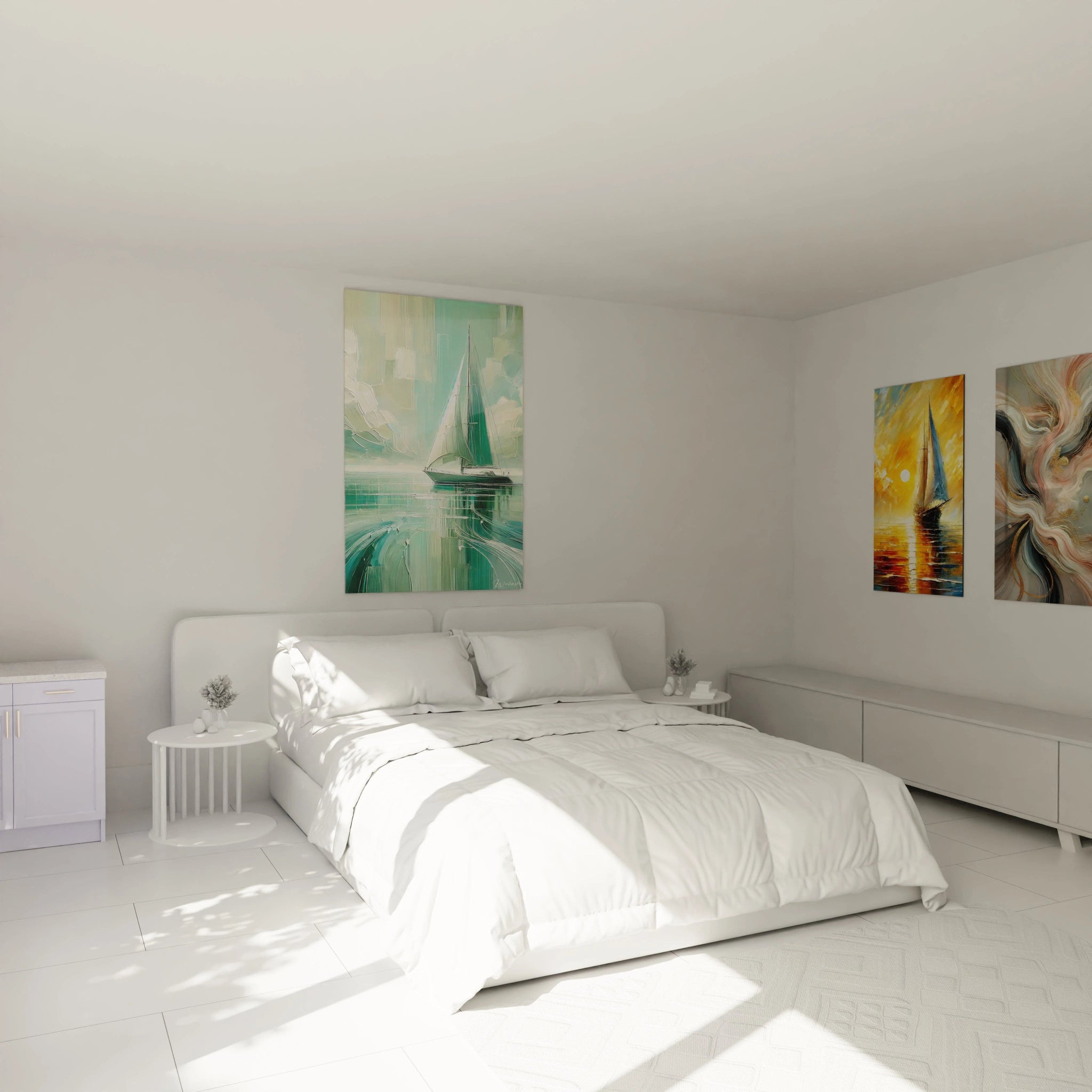
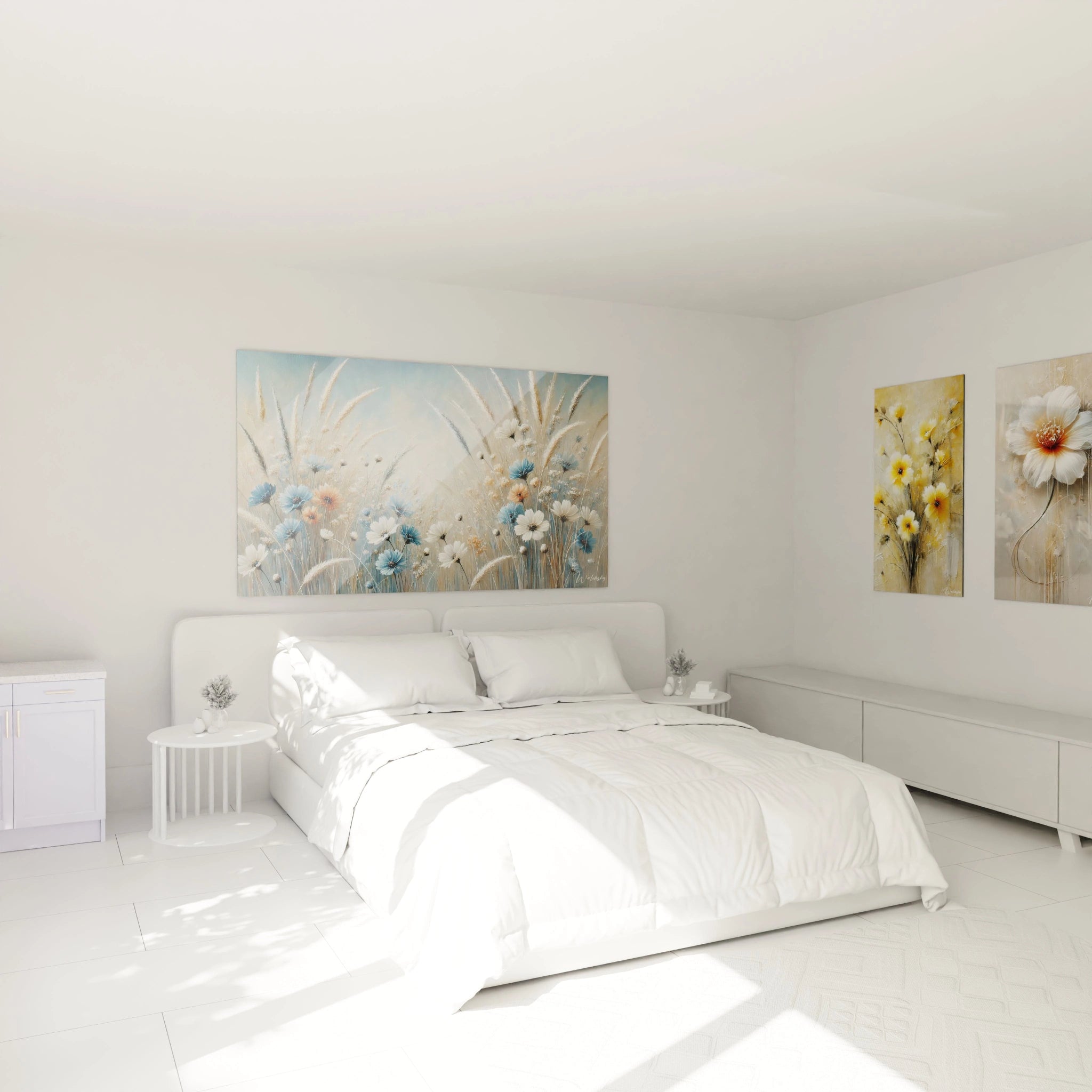
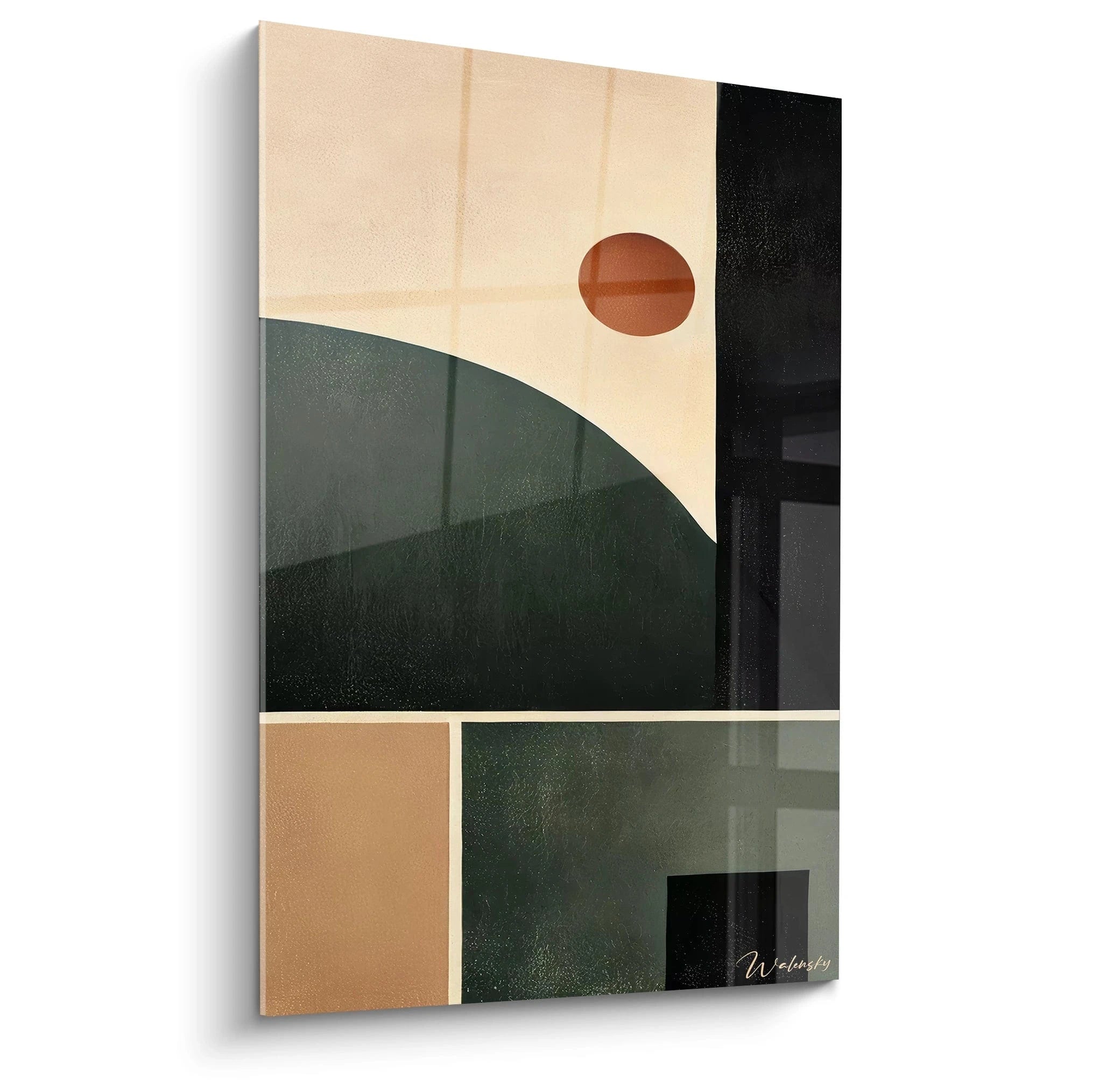
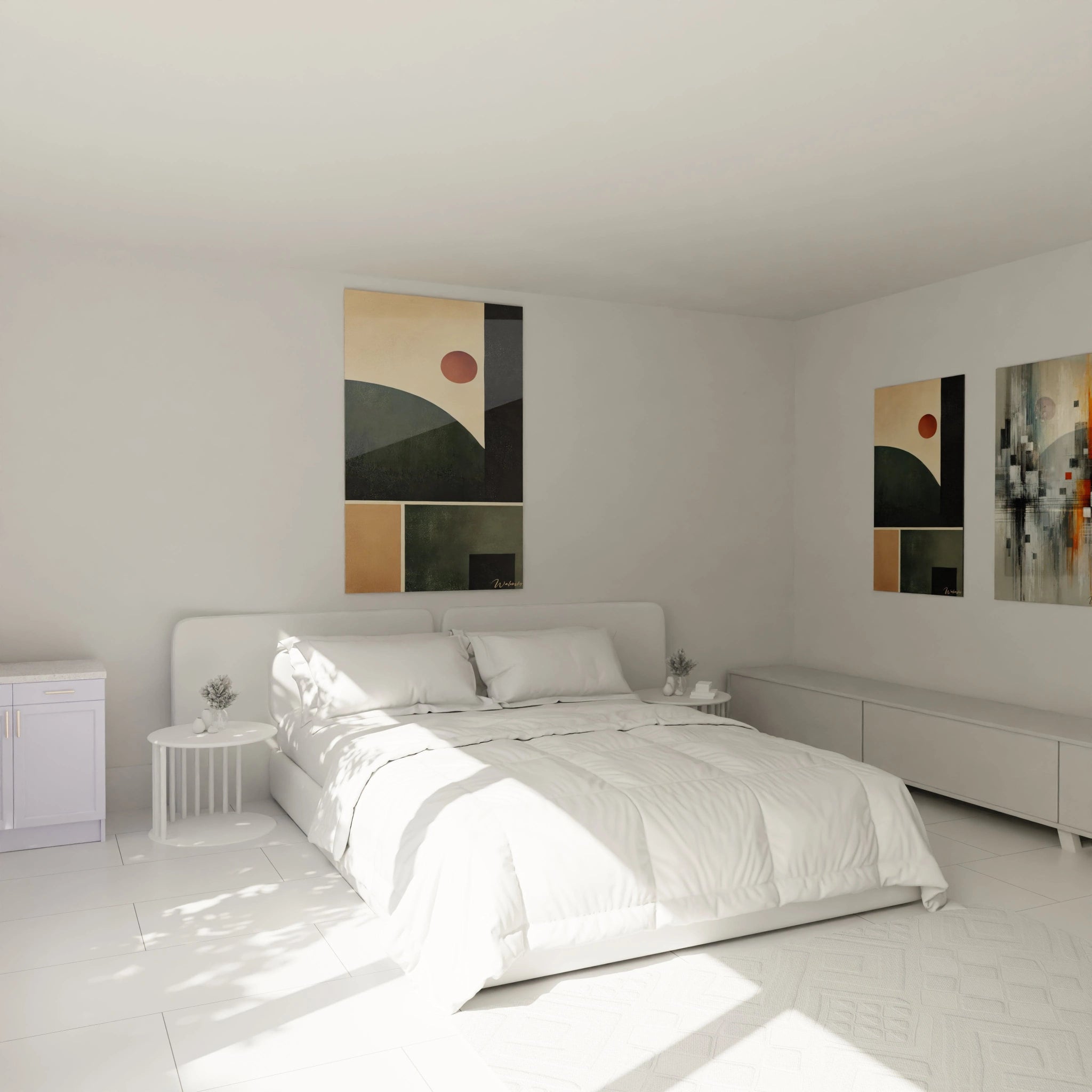
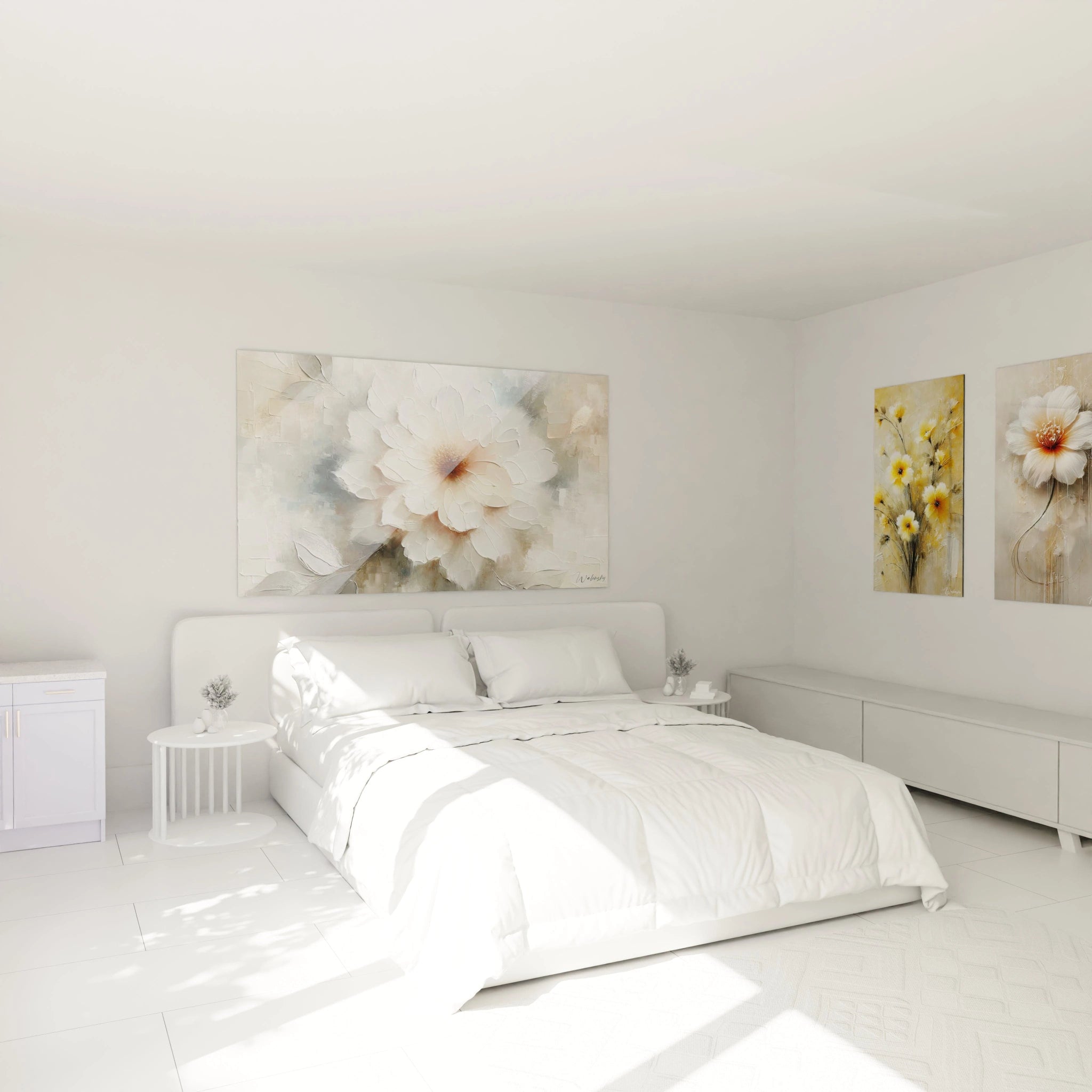
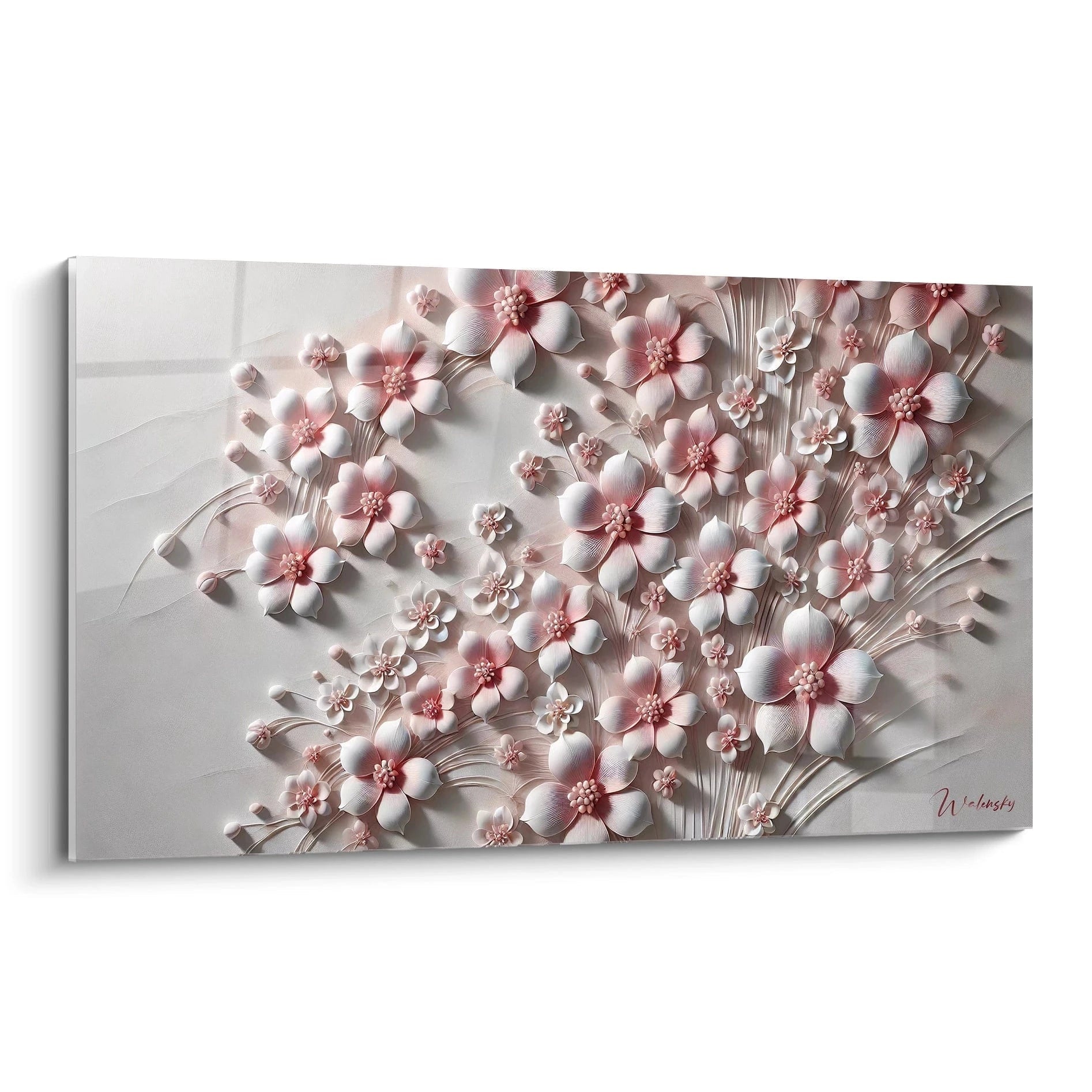
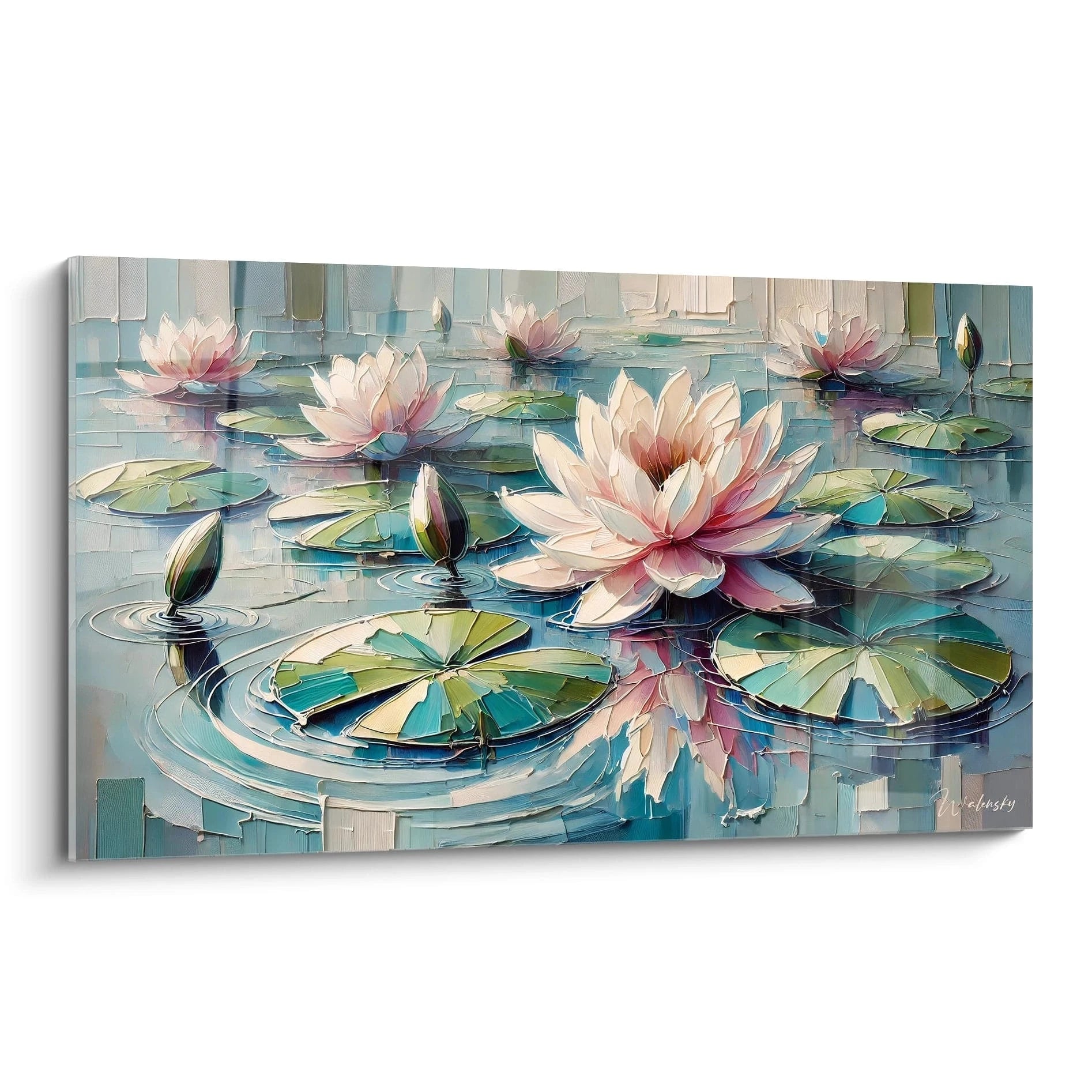
- Wall Art Presentation for psychologist office
- Wall Art for psychologist office: Therapeutic Impact
- Wall Art for psychologist office: Symbolism and Perception
- Wall Art for psychologist office: Professional Design
Discover how wall art for a psychologist office transforms the therapeutic space into an environment conducive to emotional healing. More than a simple decorative element, these visual works play a crucial role in establishing an atmosphere of trust, fostering emotional expression and patient-therapist connection.
Wall art pieces for psychologist offices are specifically designed to subtly influence patients' state of mind, helping them feel comfortable while stimulating introspection. Visual art in the therapeutic space constitutes a powerful tool that can facilitate dialogue, ease anxiety, and inspire enriching conversations during sessions.
Choosing the right work for your office requires careful consideration of your patients' psychological needs, the atmosphere you wish to create, and the therapeutic goals you pursue. Explore our selection of wall art for medical offices specially adapted for therapeutic spaces and discover how they can transform your professional practice.
Wall Art for psychologist office: Emotional and Therapeutic Impact
Choosing wall art for a psychologist office goes far beyond simple aesthetic considerations – it is a therapeutic tool in its own right. In the sensitive environment of a space dedicated to mental health, visual elements play a crucial role in establishing an atmosphere conducive to psychological work.
How does wall art influence the emotional state of therapy patients?
Research in neuropsychology demonstrates that our brain processes visual stimuli before we even become conscious of them. In a psychologist's office, where patients often arrive in a fragile emotional state, the impact of wall art is particularly significant. A carefully chosen work can reduce pre-session anxiety by 27% according to certain behavioral studies.
Abstract visuals in blue-green tones have proven effective in lowering blood pressure and heart rate in anxious patients. This unconscious physiological reaction sets the stage for a more productive therapeutic session, where the patient feels secure enough to explore their vulnerabilities.
Therapeutic Symbolism: Choosing Visual Representations that Support the Healing Process
The thoughtful psychologist selects their wall art based on its potential as a projective and metaphorical support. Images evoking a journey, transformation, or presenting open landscapes can serve as visual anchors for therapeutic concepts frequently addressed in sessions.
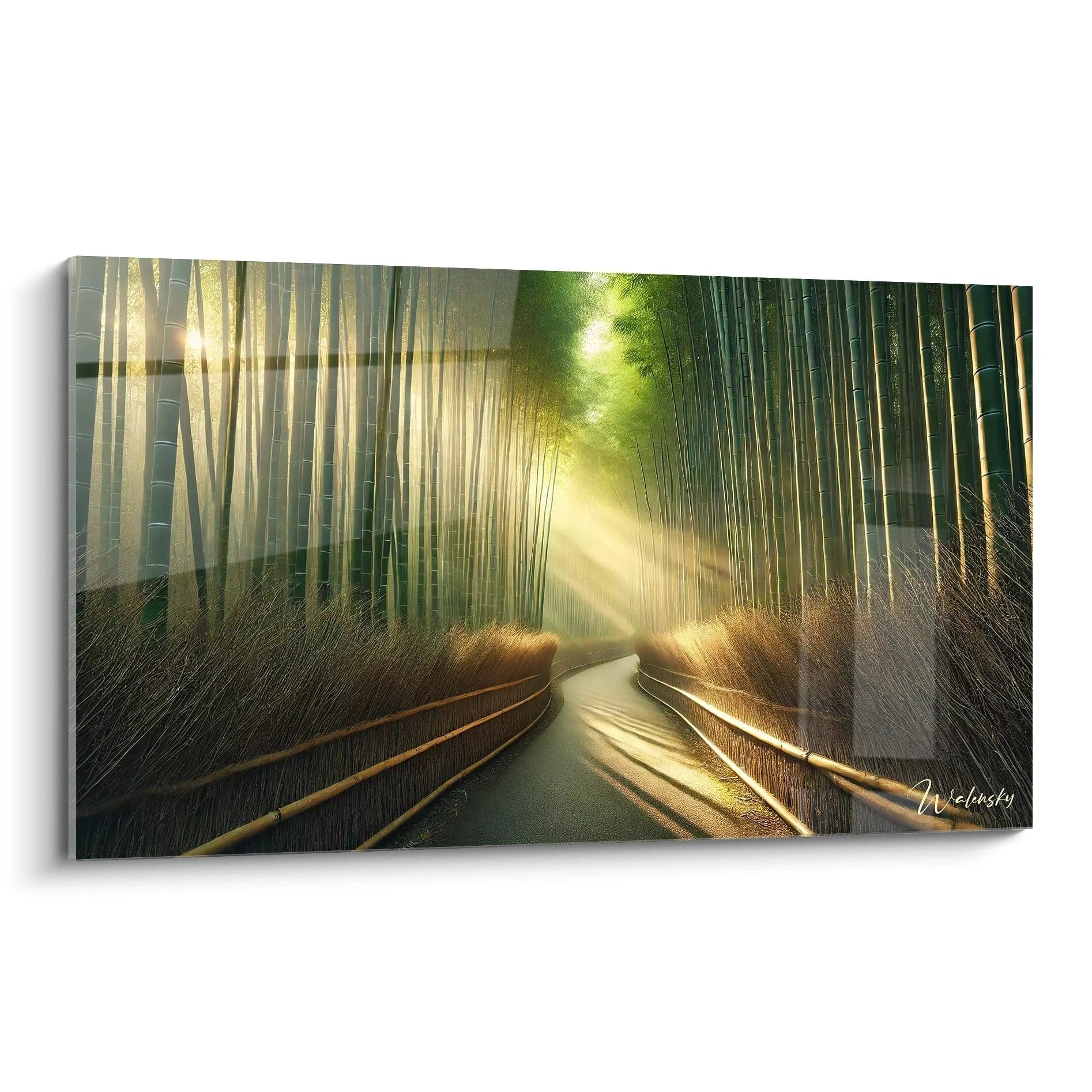
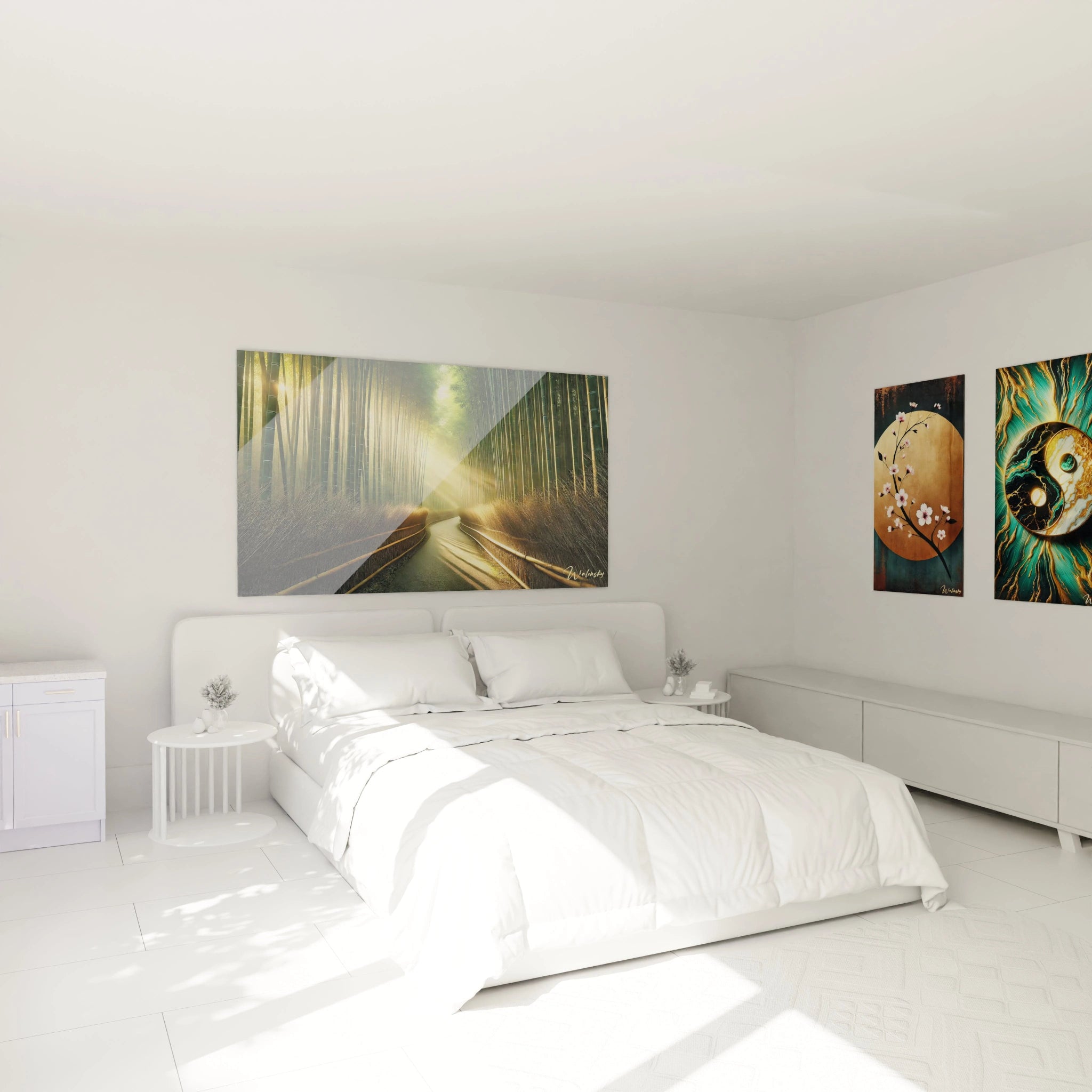
For example, a visual representation showing a winding path through a forest can become a powerful metaphor for the therapeutic process itself. Patients can refer to it to describe where they feel in their own journey, transforming the work into an extremely useful non-verbal communication tool for expressing complex feelings.
- Wall art presenting distant horizons encourage future projections and establishment of therapeutic goals
- Works with balanced yet asymmetrical compositions support discussions on accepting imperfection
- Visuals presenting color transitions facilitate exploration of nuanced emotional states
Which Visual Representations Should Be Avoided in a Therapeutic Space?
As important as what to include is what to avoid. Wall art for a psychologist office must be carefully evaluated for triggering potential. Images that are too intense, confrontational, or presenting ambiguous symbolism risk disturbing certain vulnerable patients or those suffering from specific disorders.
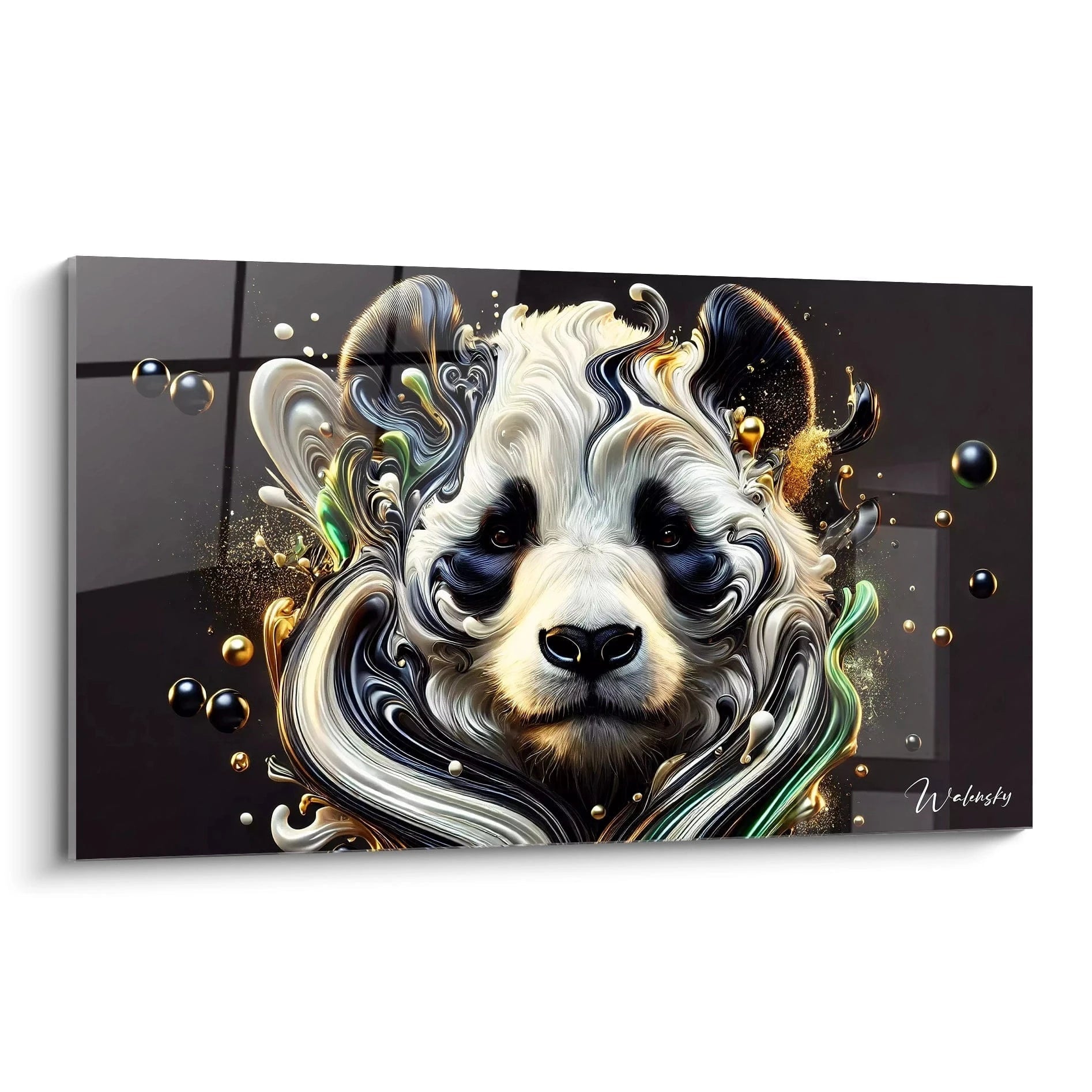
Visual representations containing expressive faces can unconsciously influence patient mood or create a sensation of being watched, compromising the sense of intimacy necessary for therapeutic confidences. Similarly, works with extreme contrasts can worsen symptoms in patients suffering from migraines or sensory disorders.
Art as Therapeutic Mediator: Using Wall Art as Dialogue Support
Beyond their decorative function, wall art pieces in a psychologist office can serve as active therapeutic tools. Specialized psychologists report regularly using their wall art as starting points for mindfulness exercises, guided visualization techniques, or as supports for exploring emotional reactions.
The "dialogue with image" technique allows the therapist to invite the patient to mentally interact with the work, asking what they feel facing certain visual elements. These responses often offer valuable insights into the patient's inner world, revealing associations and concerns that might otherwise remain unexpressed for weeks of conventional therapy.
Ethical Considerations in Selecting Therapeutic Wall Art
Psychologists must consider the diversity of their clientele when choosing visual representations for their professional space. Selected works must avoid cultural bias, be inclusive, and respect the multiplicity of human experiences. An office welcoming patients from all backgrounds will benefit from works with universal symbolism rather than culturally specific imagery.
Some practitioners opt for seasonal rotation of their wall art, adapting the visual environment to predominant therapeutic needs observed in their practice. This dynamic approach allows optimizing the therapeutic impact of the space and demonstrates particular attention to the care environment, strengthening patient trust in the process.
Wall Art for psychologist office: Symbolism and Perception in the Therapeutic Space
The visual universe of a psychologist office is not limited to simple decoration – it constitutes a non-verbal language that communicates subtly with patients' subconscious. Wall art for a psychologist office thus becomes a genuine therapeutic tool, influencing space perception and facilitating introspective work.
The Neuropsychology of Forms and Colors in the Therapeutic Space
Our brain processes visual information before our consciousness even apprehends it. In a therapeutic office, this neurological reality takes on particular dimension. Rounded forms present in a wall work activate the amygdala differently than angular forms, directly influencing the patient's sense of emotional security.
Modern cognitive therapies integrate this knowledge by recommending specific visuals for certain issues. For example, representations presenting subtle gradations of complementary colors are particularly beneficial for patients suffering from anxiety disorders, creating a soothing effect on the autonomic nervous system measurable by heart rate variability.
- Fractal visual compositions (similar to natural patterns) measurably reduce physiological stress
- Works presenting a central focal point facilitate concentration during mindfulness exercises
- Visual representations with atmospheric perspective encourage cognitive distancing in therapy
What Impact Does the Size of Wall Art Have on Therapeutic Space Perception?
An often neglected aspect in choosing wall art for a psychologist office concerns its dimensions. Research in environmental psychology demonstrates that a large piece occupying a significant portion of the visual field (minimum 30%) creates a perceptual "anchor point" that radically transforms the patient's spatial experience.
Large-scale works (minimum 90 cm width) placed in the patient's peripheral visual field while they express themselves create what specialists call a "therapeutic horizon" – a visual presence that stabilizes attention while permitting emotional exploration. Conversely, several small pieces scattered about can fragment attention and compromise the coherence of the therapeutic experience.
Advanced Therapeutic Symbolism: Beyond Obvious Interpretations
Experienced psychologists consider the symbolic potential of visual works at multiple levels. The most effective symbolism operates at the boundary between conscious recognition and unconscious impact. Wall art presenting visual metaphors of transformation, such as water becoming vapor or a bud opening, resonate deeply with the therapeutic process itself.
Visual representations incorporating patterns of visual resolution – elements that seem chaotic up close but reveal coherent structure when viewed from afar – offer a powerful metaphor for the therapeutic process where isolated painful experiences progressively integrate into a larger and more meaningful narrative of the patient's life.
The Interaction Between Lighting and Wall Art in the Therapeutic Environment
The impact of wall art for a psychologist office depends also on its interaction with the space's lighting. Works featuring textures or reflective elements create a dynamic visual experience that subtly evolves throughout the day, symbolizing the perspective shift sought in therapy.
For offices welcoming patients suffering from sensory disorders or light sensitivity, works with matte finishes minimizing reflections become essential. This technical consideration transcends simple aesthetic preference to enter the realm of therapeutic accessibility, demonstrating the practitioner's commitment to the neurological comfort of all their patients.
Multisensory Considerations in Choosing Visual Representations
Wall art in a psychologist office does not solely stimulate vision – it influences overall sensory experience. Works presenting pronounced visual textures or evoking tactile sensations activate brain areas associated with these perceptions, enriching the therapeutic experience even without direct physical contact.
This implicit multisensory stimulation can be strategically used for patients presenting difficulties with verbal expression. Wall art subtly evoking familiar sensory experiences creates neurological bridges facilitating access to emotional memories and their progressive verbalization.
Wall Art for psychologist office: Professional Design and Practice Impact
Designing a psychologist office reflects far more than the practitioner's personal tastes – it constitutes an extension of their therapeutic approach. Wall art for a psychologist office represents a strategic investment in the very effectiveness of sessions, subtly yet significantly influencing the quality of the therapeutic relationship and clinical outcomes.
Strategic Positioning: Where to Place Wall Art in a Therapeutic Office?
The optimal placement of a visual work in a therapeutic space depends on several factors specific to psychological practice. Unlike standard residential or commercial spaces, a therapy office presents unique spatial dynamics, particularly regarding sight lines during sessions.
Psychologists specialized in body-based or mindfulness approaches favor works placed in the patient's direct visual field while sitting, generally on the wall facing the client's seat. Conversely, practitioners with a psychoanalytic orientation often prefer positioning significant works in the patient's peripheral visual space, creating a presence that influences without dominating immediate consciousness.
- For deep relaxation sessions: wall art placed at ceiling height or above for patients in lying position
- For family therapy: visual works visible to all participants simultaneously
- For EMDR sessions: avoid visual representations in the trajectory of guided eye movements
Visual Confidentiality: How Wall Art Participates in Psychological Safety
A rarely discussed but essential aspect of wall art for a psychologist office concerns its contribution to perceived confidentiality. Patients are extremely sensitive to environmental cues suggesting the therapeutic space's confidentiality level. Large wall art strategically placed can create a perceived visual barrier between the conversation space and possible sources of intrusion (windows, doors).
Furthermore, visual works possessing a certain depth or complexity create what interior design specialists call an "attention well" – an element naturally attracting the gaze and attention, allowing the patient to fix a neutral point while expressing difficult emotions, thus avoiding the discomfort of direct eye contact during moments of extreme vulnerability.
Seasonal Evolution of Visual Needs in a Therapeutic Office
Psychologists attentive to seasonal dynamics of mental health recognize that therapeutic needs evolve collectively throughout the year. During winter, particularly in regions susceptible to seasonal affective disorders, wall art presenting warm tones and subtle evocations of natural light can counterbalance the impact of reduced sunlight.
Some forward-thinking practitioners adopt a dynamic approach, modifying their wall art quarterly to align the visual environment with predominant psychological challenges of each season. This practice demonstrates sophisticated understanding of the interaction between environment, perception, and therapeutic process.
What is the Influence of Wall Art on Professional Credibility Perception?
Research in environmental psychology demonstrates that patients unconsciously evaluate a therapist's professional competence partly through their work environment. Wall art for a psychologist office judiciously selected communicates subtly the level of reflection, sensitivity, and attention to detail of the practitioner.
Works presenting sophisticated balance between originality and accessibility are particularly effective for establishing professional credibility. Too conventional, they suggest lack of openness; too esoteric, they risk creating distance from the patient. This "optimal zone" varies by specialization: a neuropsychologist will benefit from different works than a family therapist or trauma specialist.
Rarely Discussed Legal and Insurance Considerations
A rarely addressed aspect concerns legal implications of visual works in a therapeutic space. Psychologists must consider that certain representations could potentially be perceived as inappropriate or triggering for vulnerable patients, raising professional responsibility questions.
Professional insurance specialized for psychologists now explicitly recommends avoiding potentially controversial works or those that can be interpreted as imposing an ideological position. This consideration underscores the importance of choosing wall art that maintains therapeutic neutrality while creating a visually engaging environment.
FAQ on Wall Art for Psychologist Offices
What size of wall art for psychologist office is optimal for small spaces?
For psychologist offices under 15m², favor one main piece of 80-100cm width placed at eye level in sitting position. This dimension creates significant visual presence without overwhelming the space. Choose works with perspective to create a depth illusion that visually enlarges the room.
How to choose wall art for psychologist office suited to anxiety patients?
For anxious patients, select visual representations with gradual color transitions, favoring blue-green tones in balanced compositions. Avoid marked contrasts and ambiguous visual elements. Neuropsychological studies show that repetitive organic patterns with low contrast measurably reduce amygdala activity, the center of anxious response.
Does Wall Art for Psychologist Offices Require Special Maintenance?
Works installed in a therapeutic environment benefit from quarterly maintenance to sustain optimal visual impact. Use an electrostatic duster specific to artworks and avoid chemical products. For offices welcoming immunocompromised patients, consider works with antimicrobial coatings specially designed for healthcare environments.