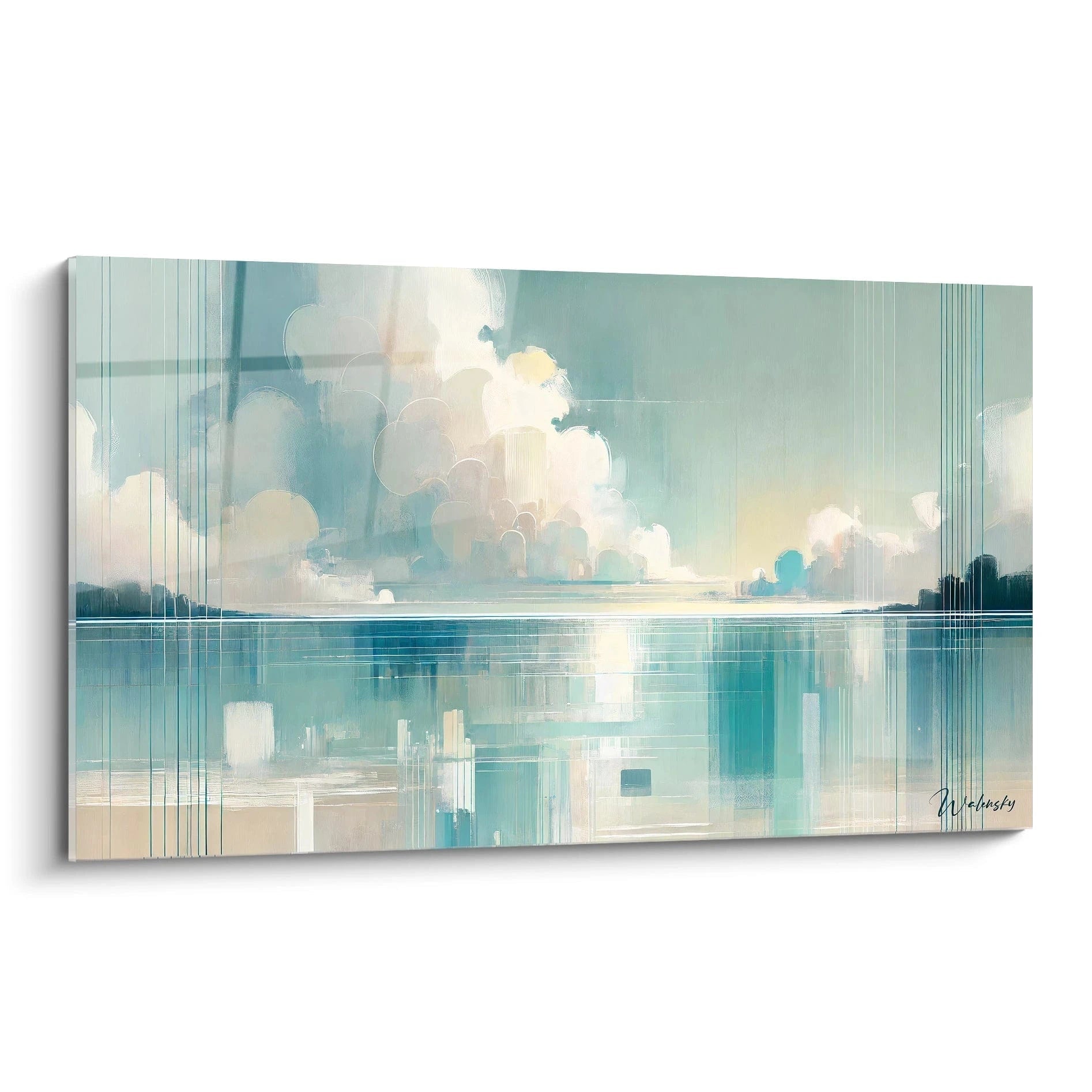
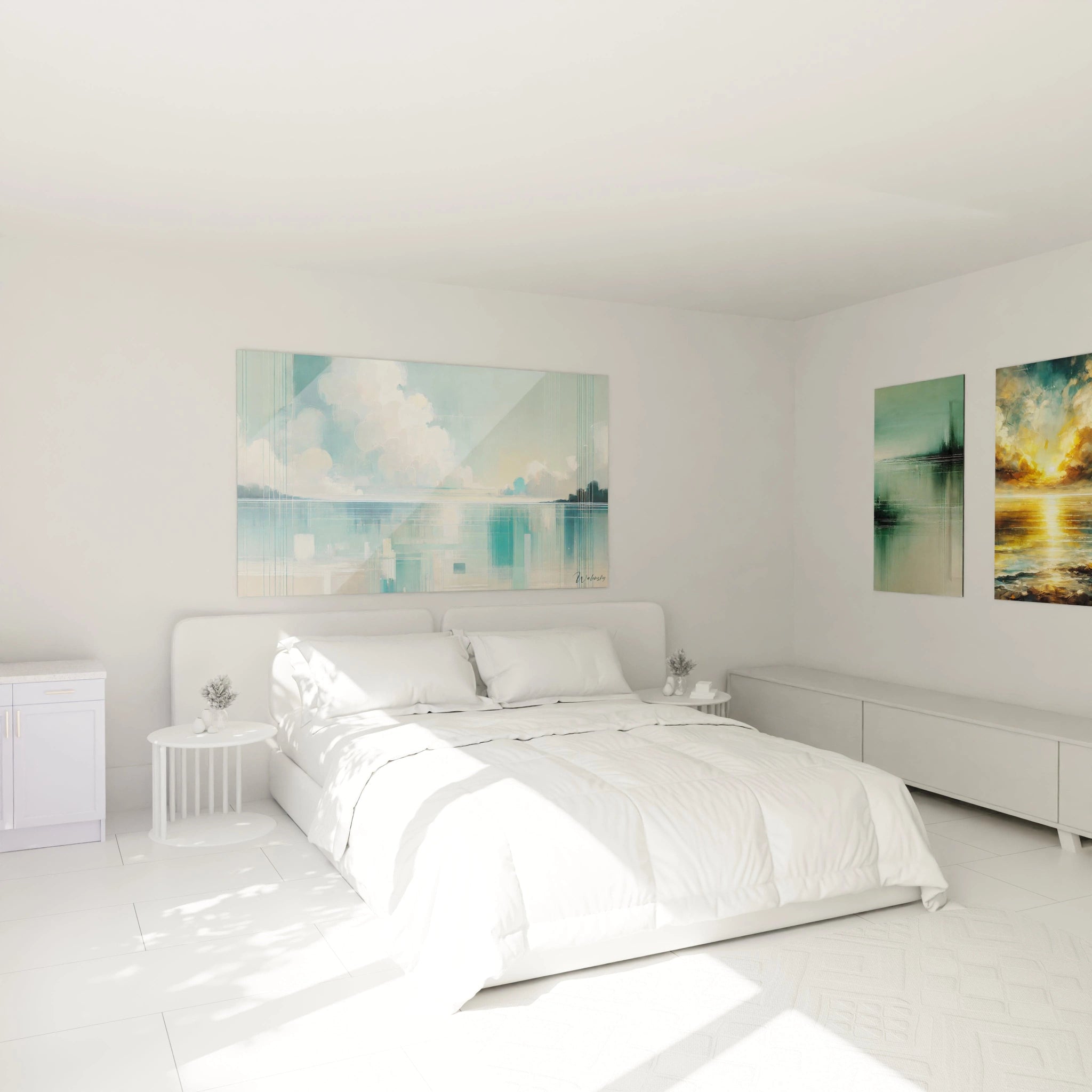
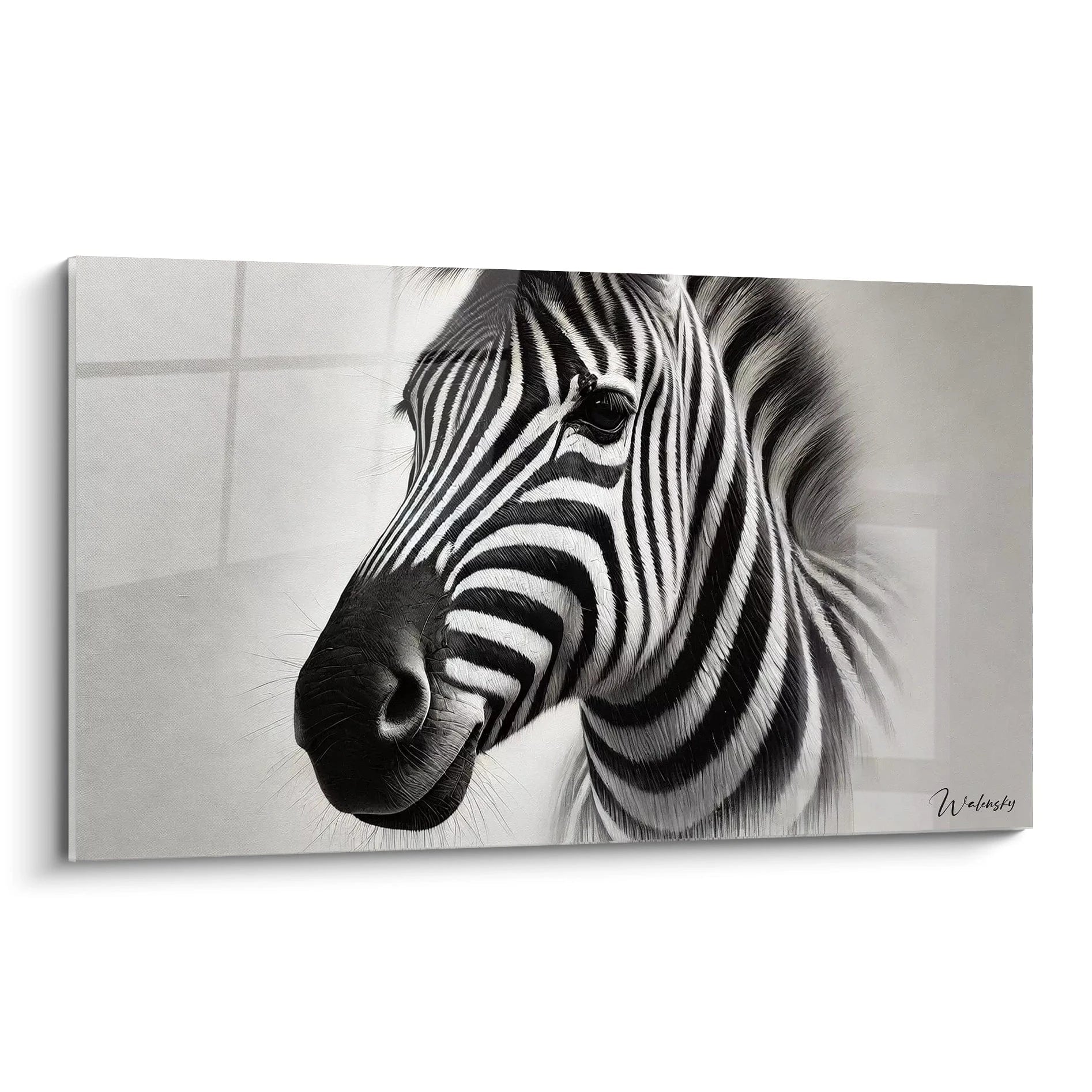
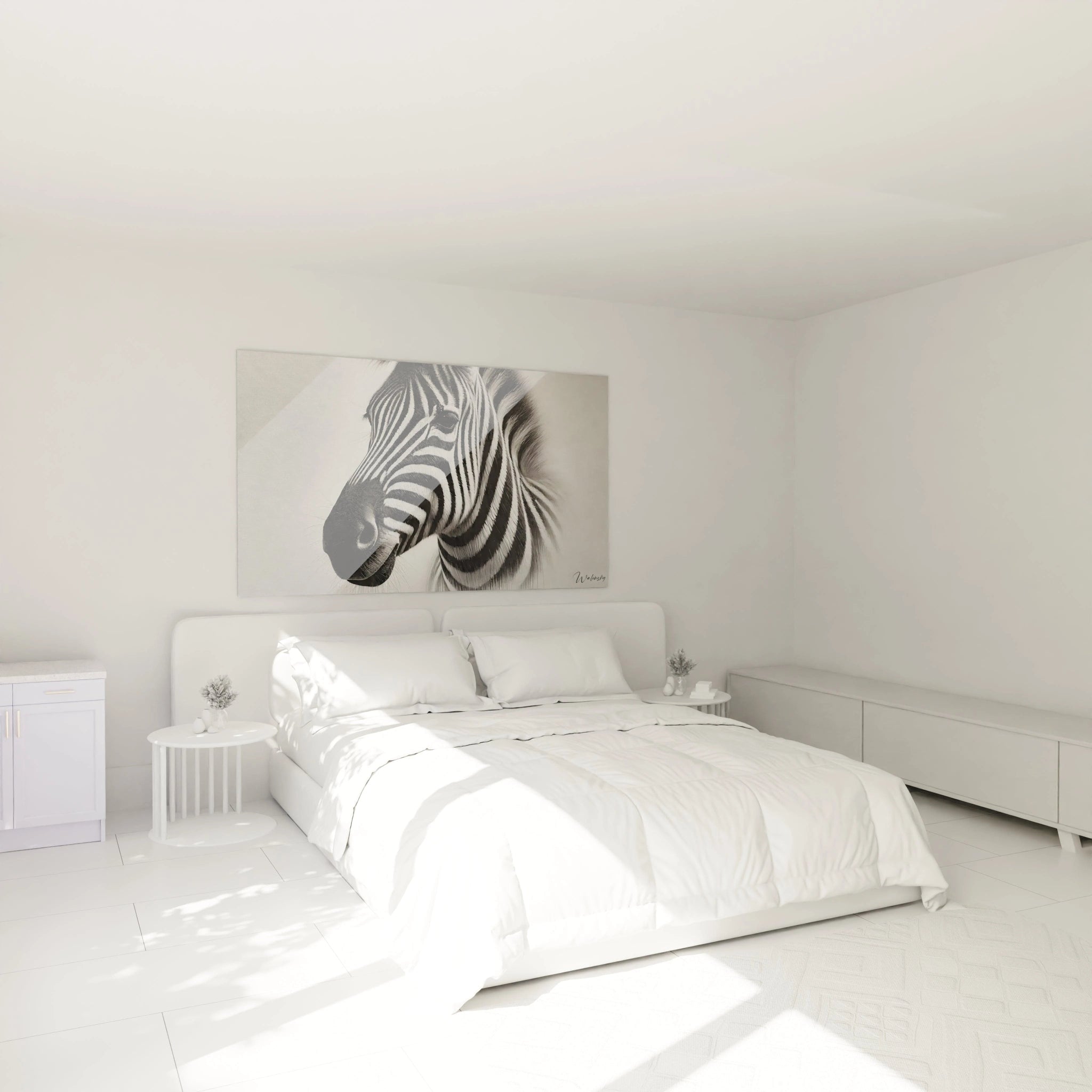
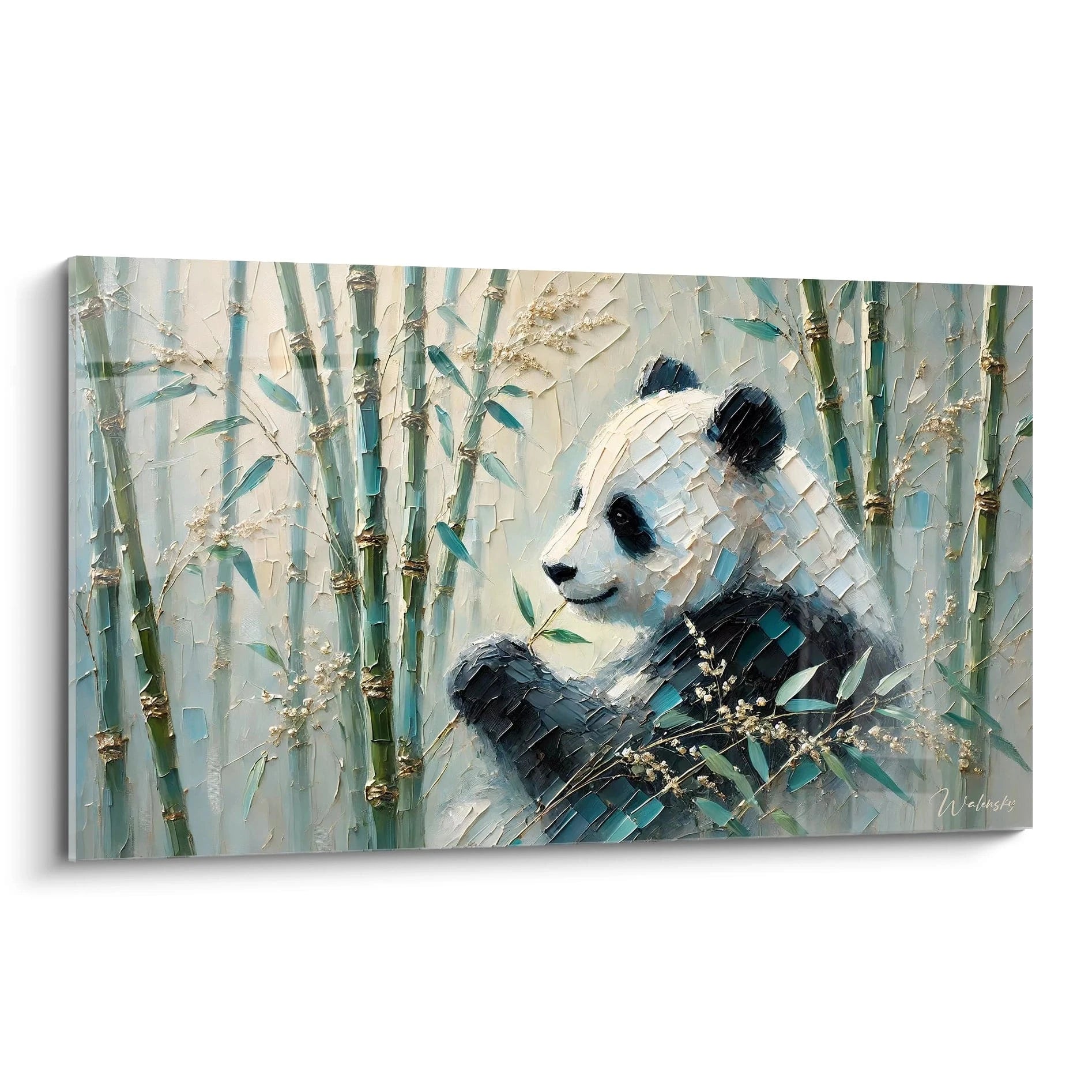
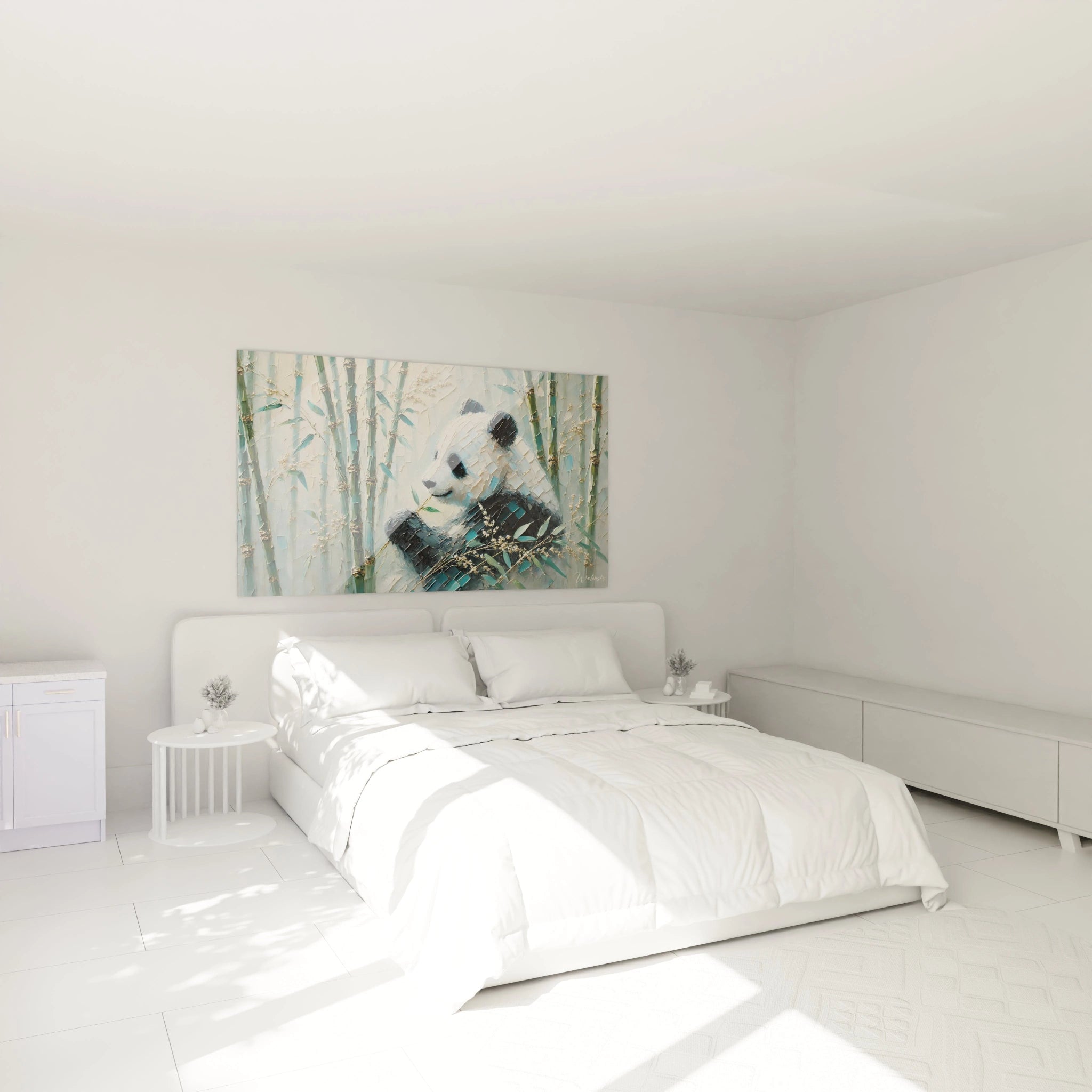
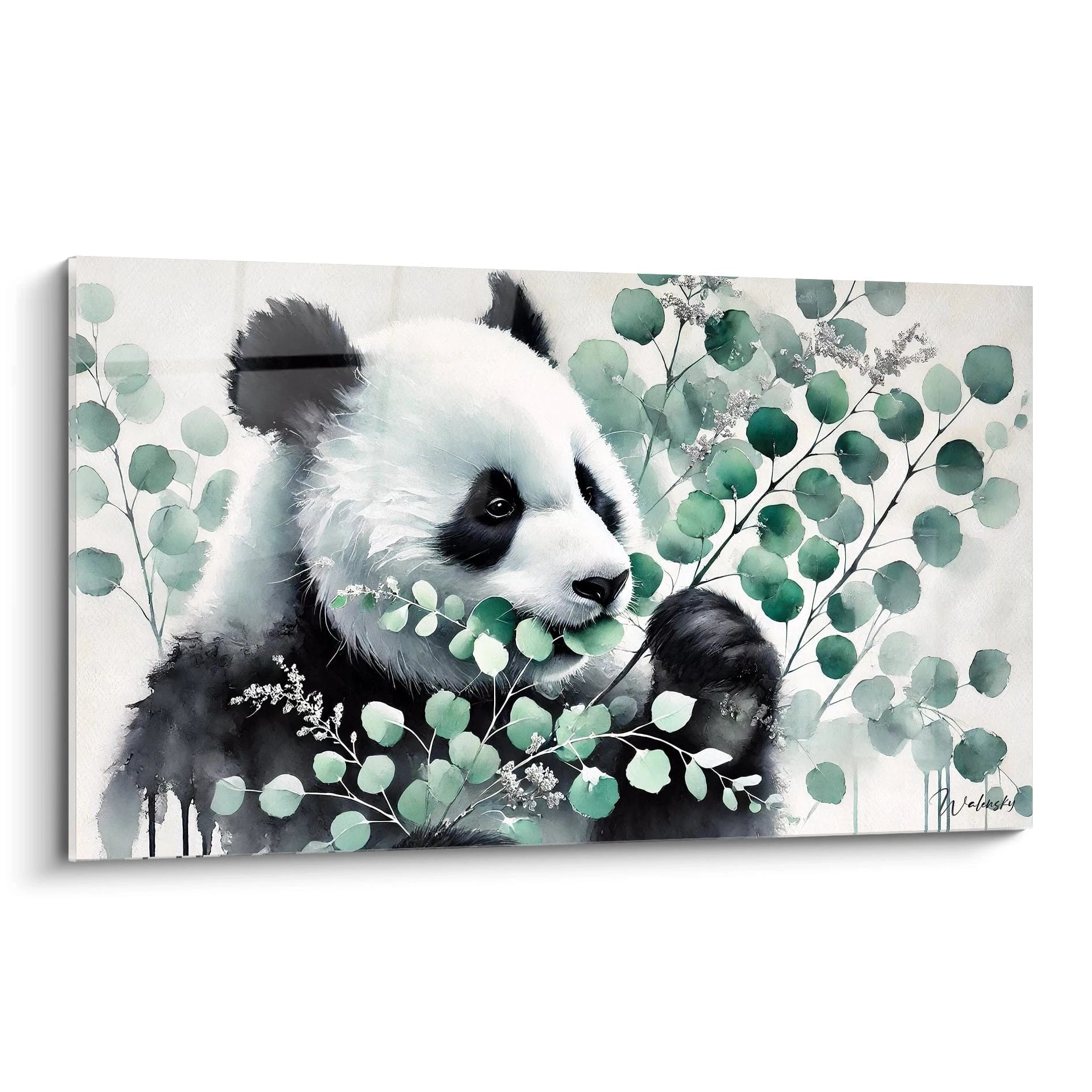
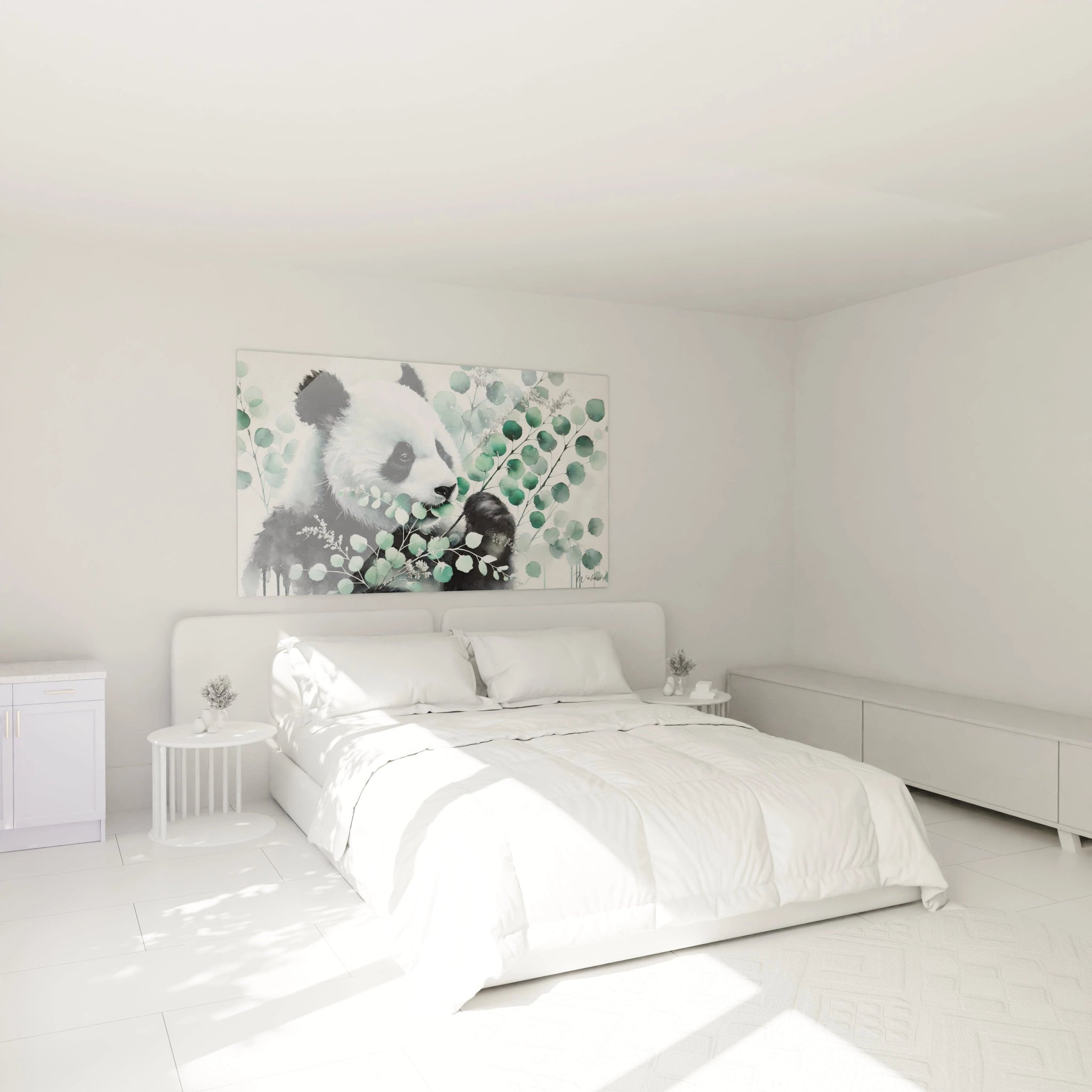
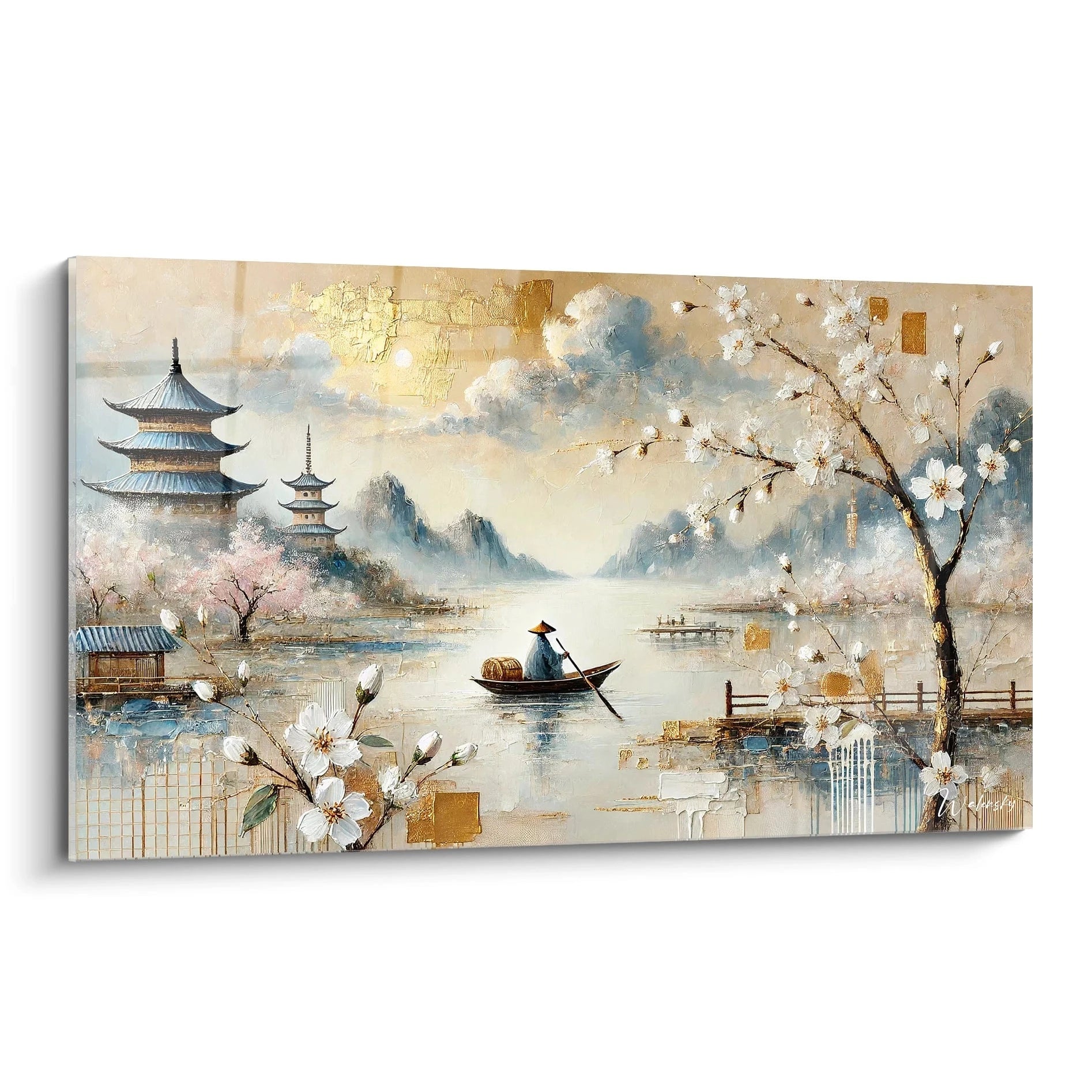
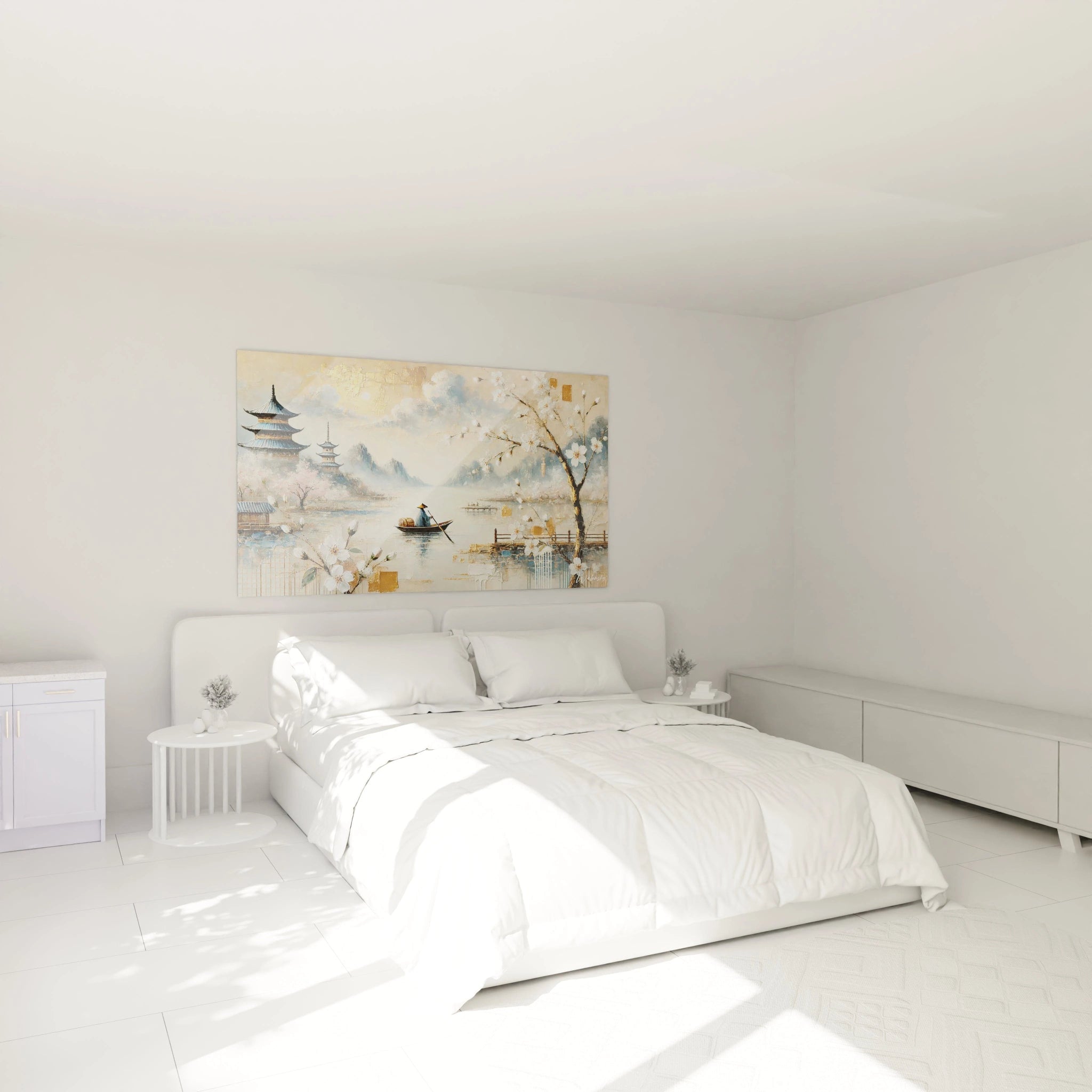
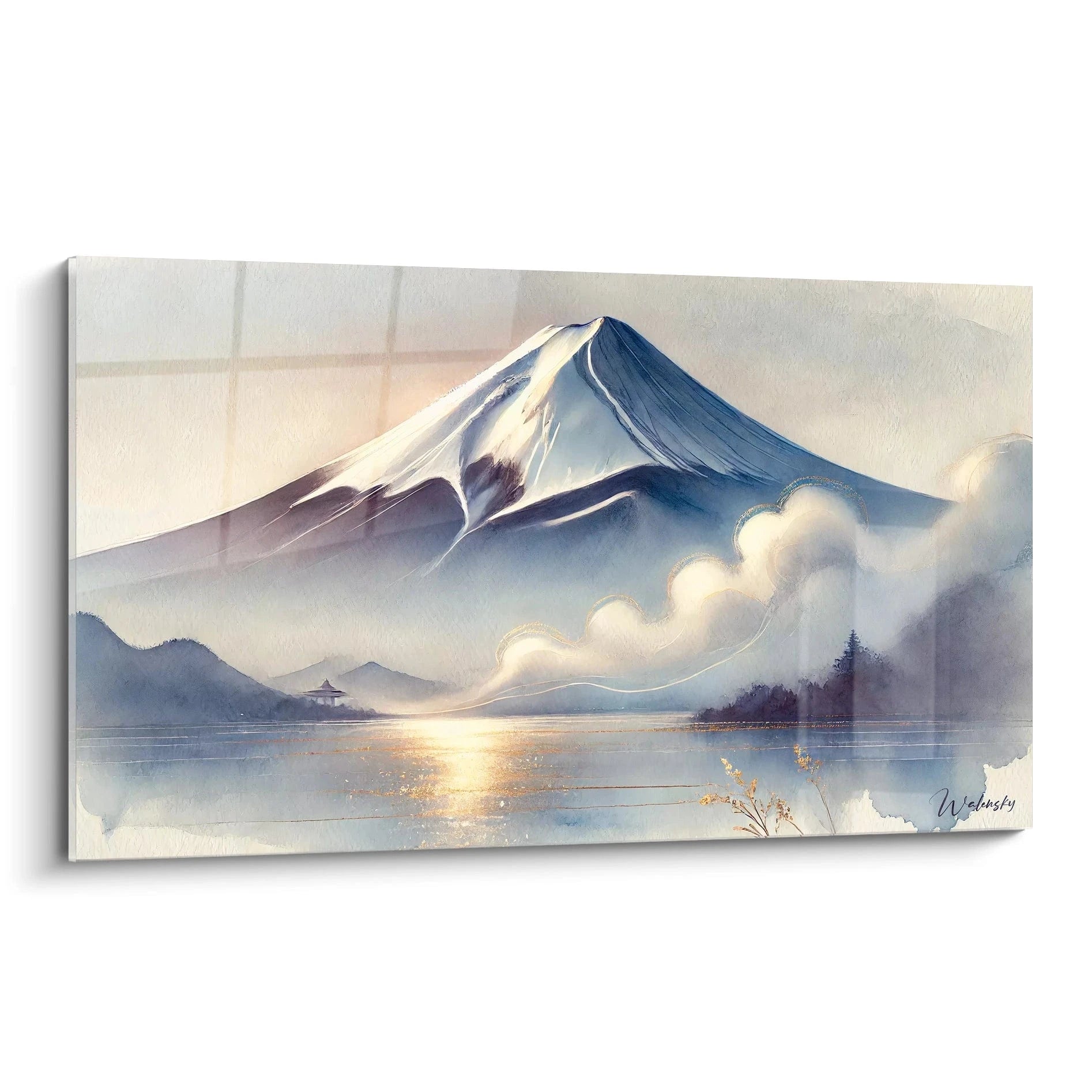
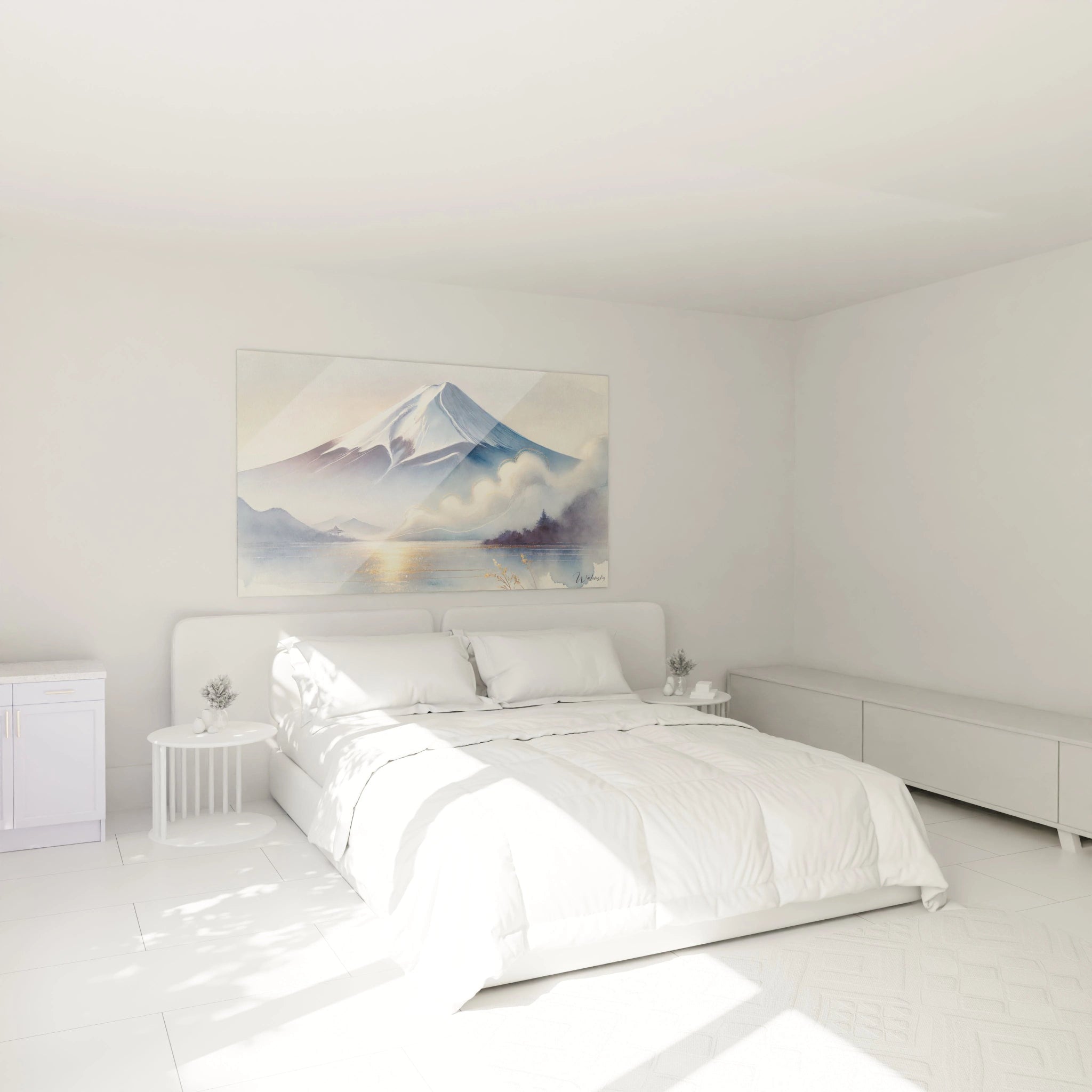
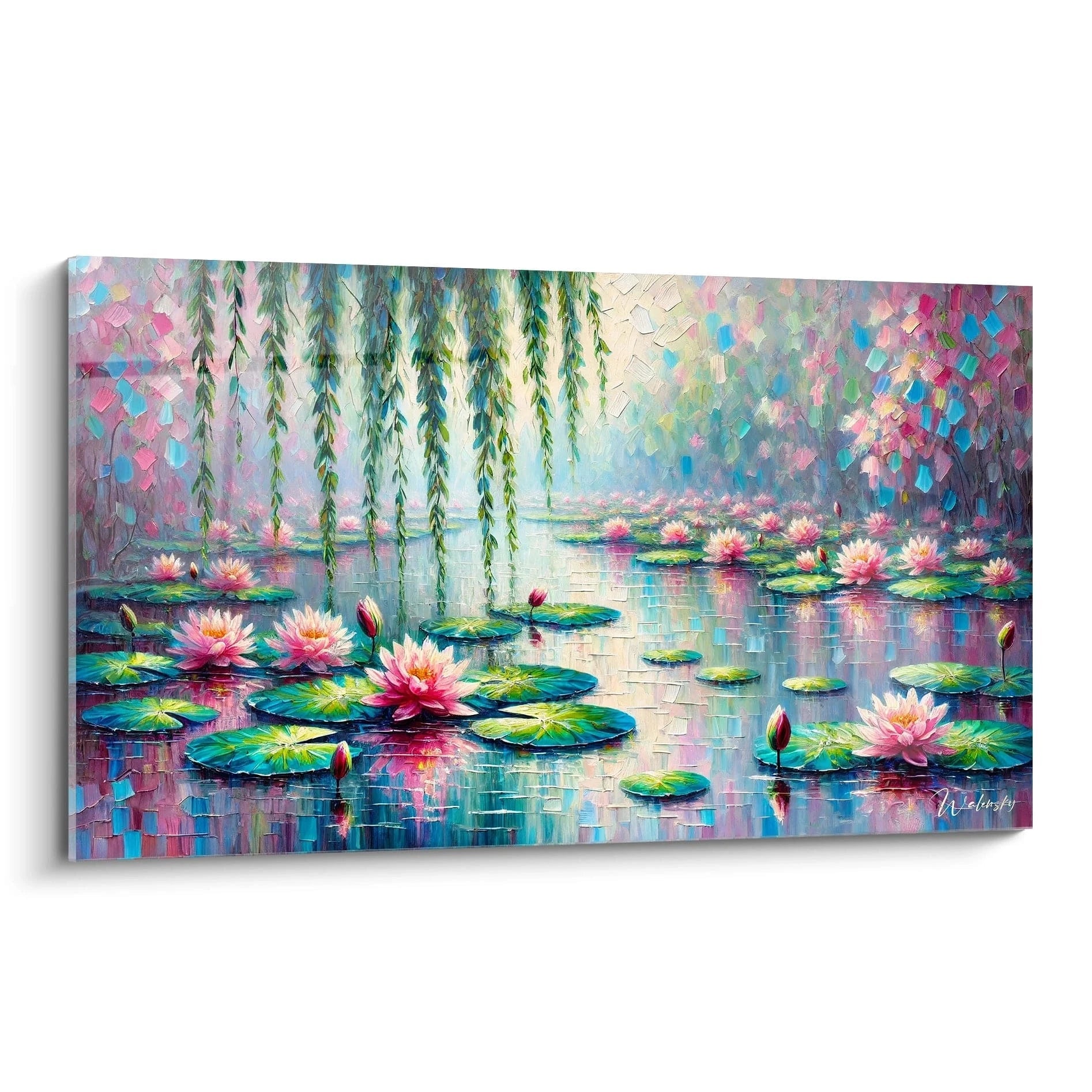
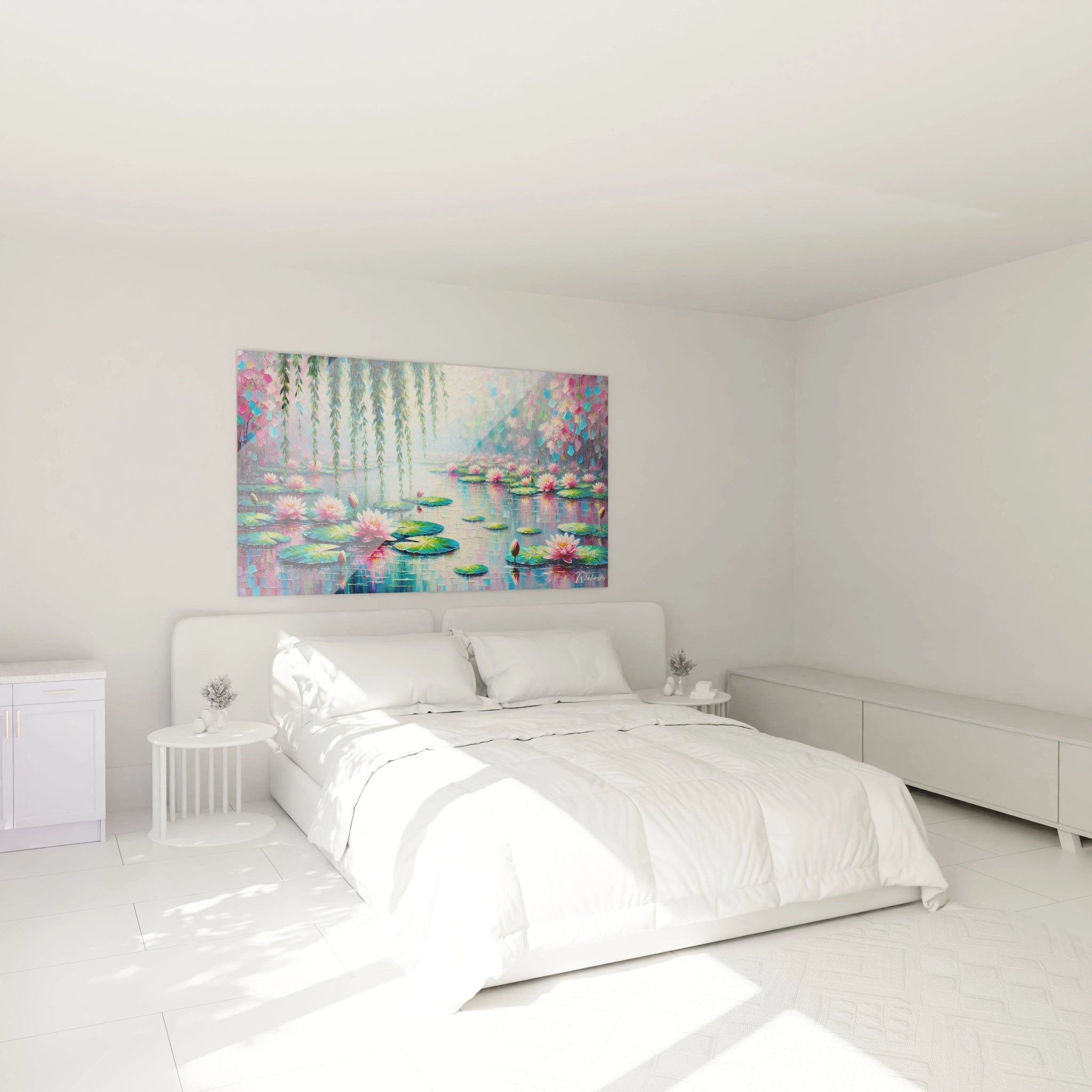
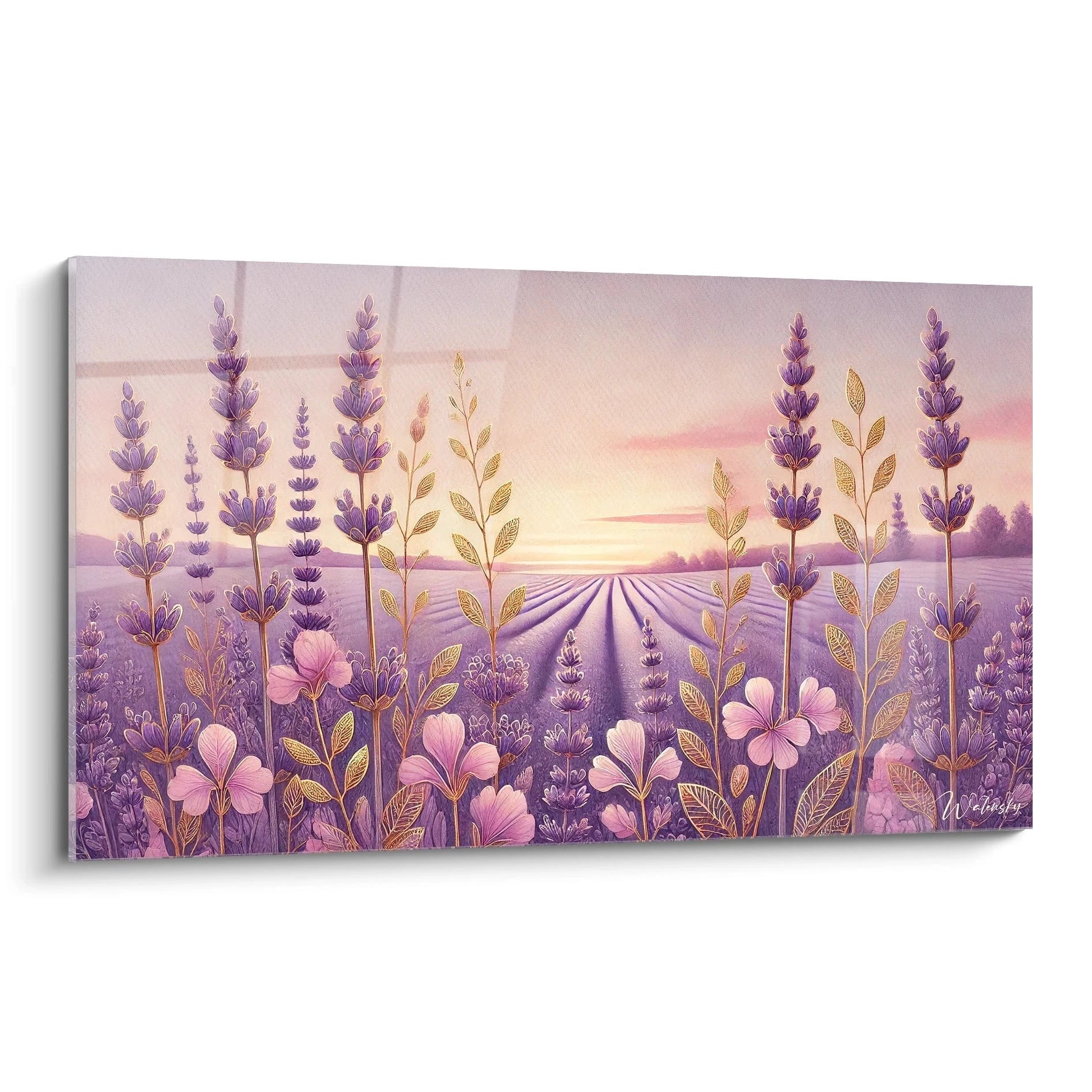
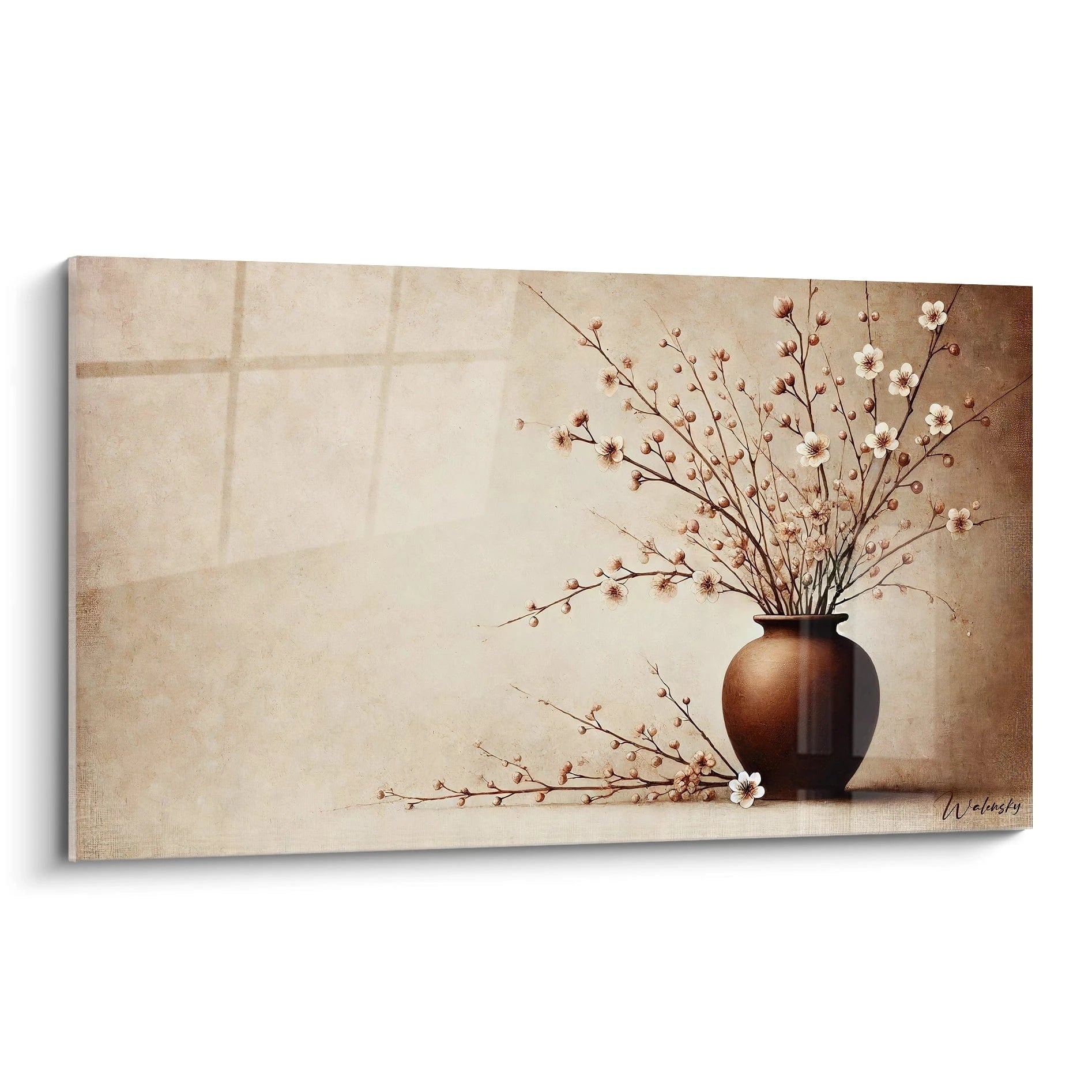
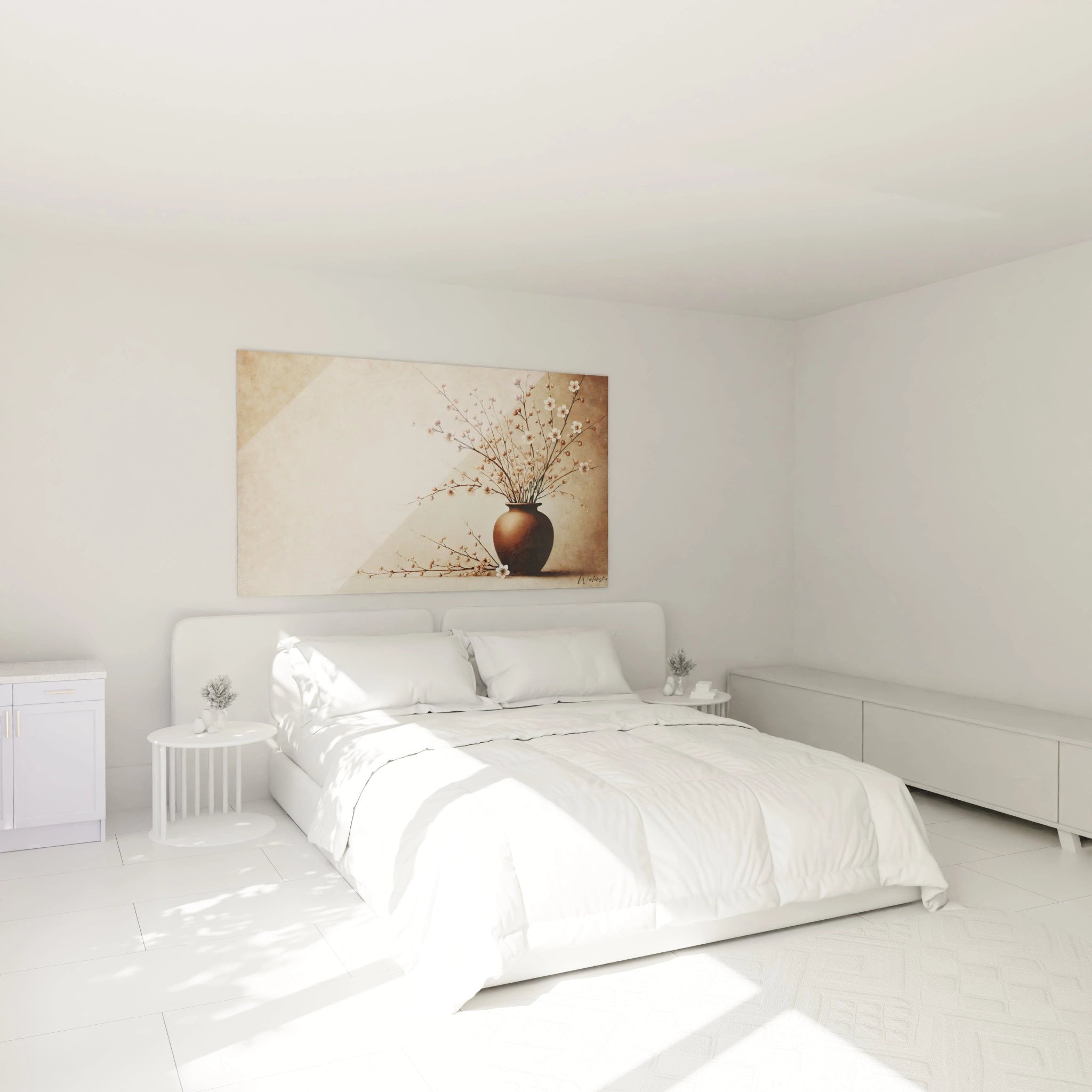
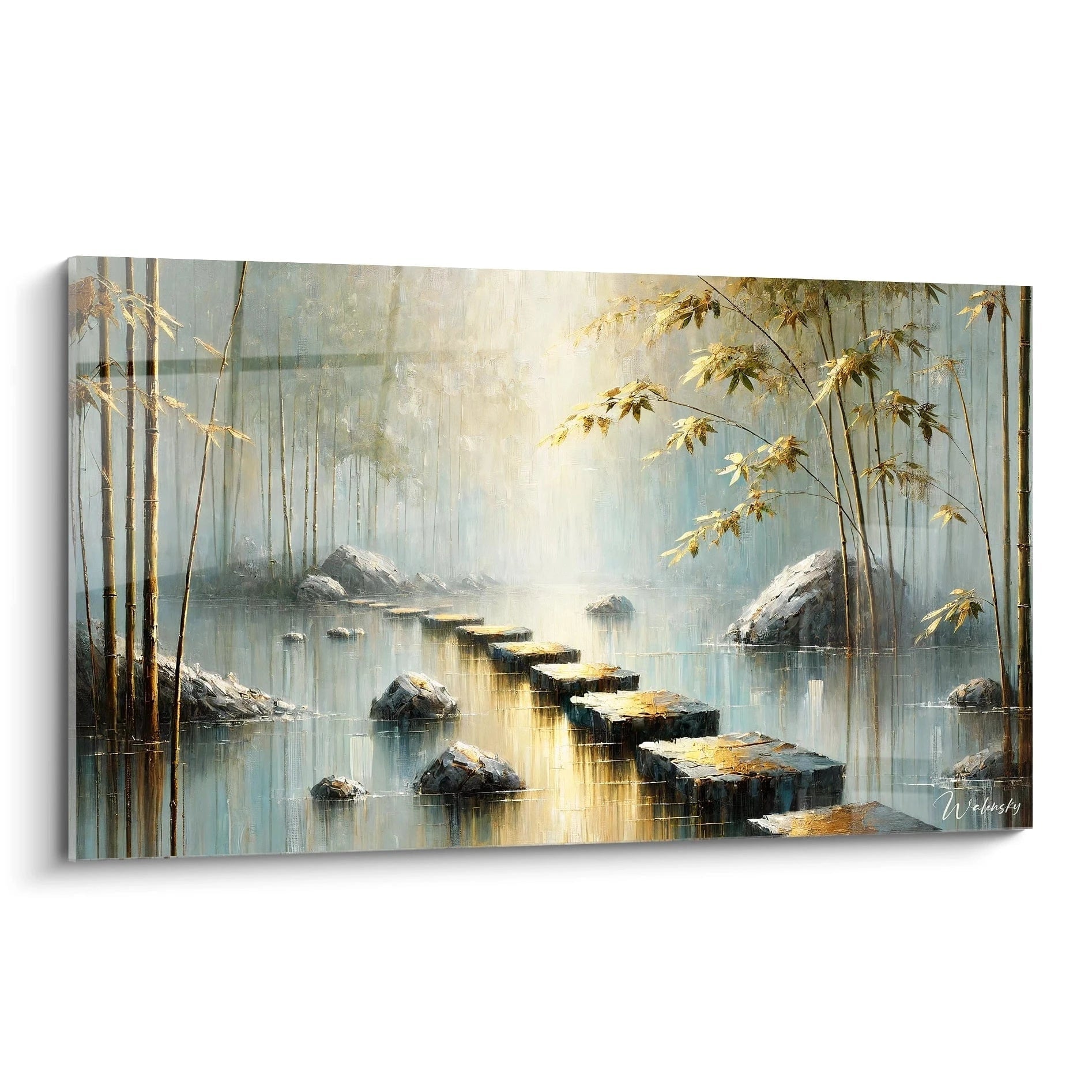
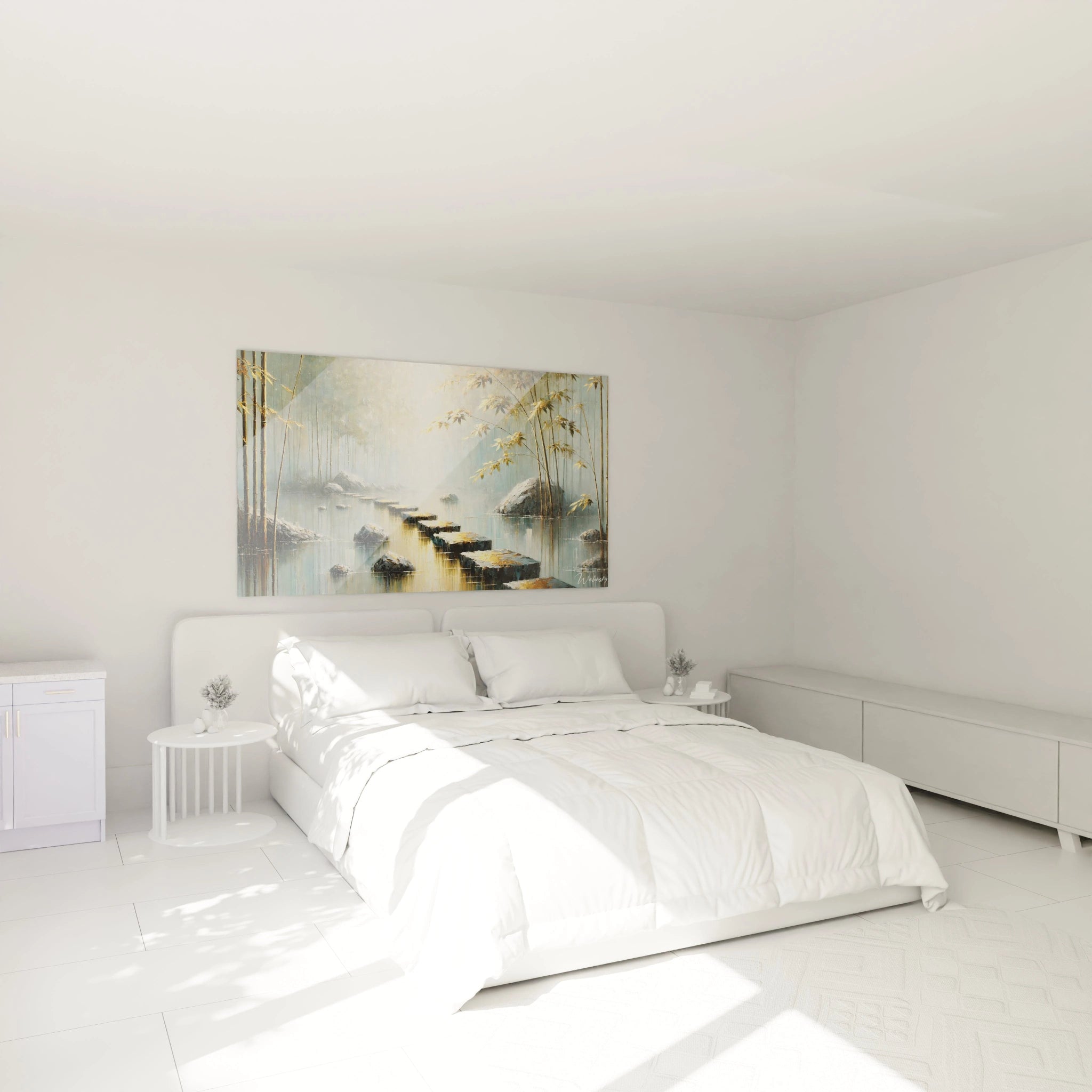
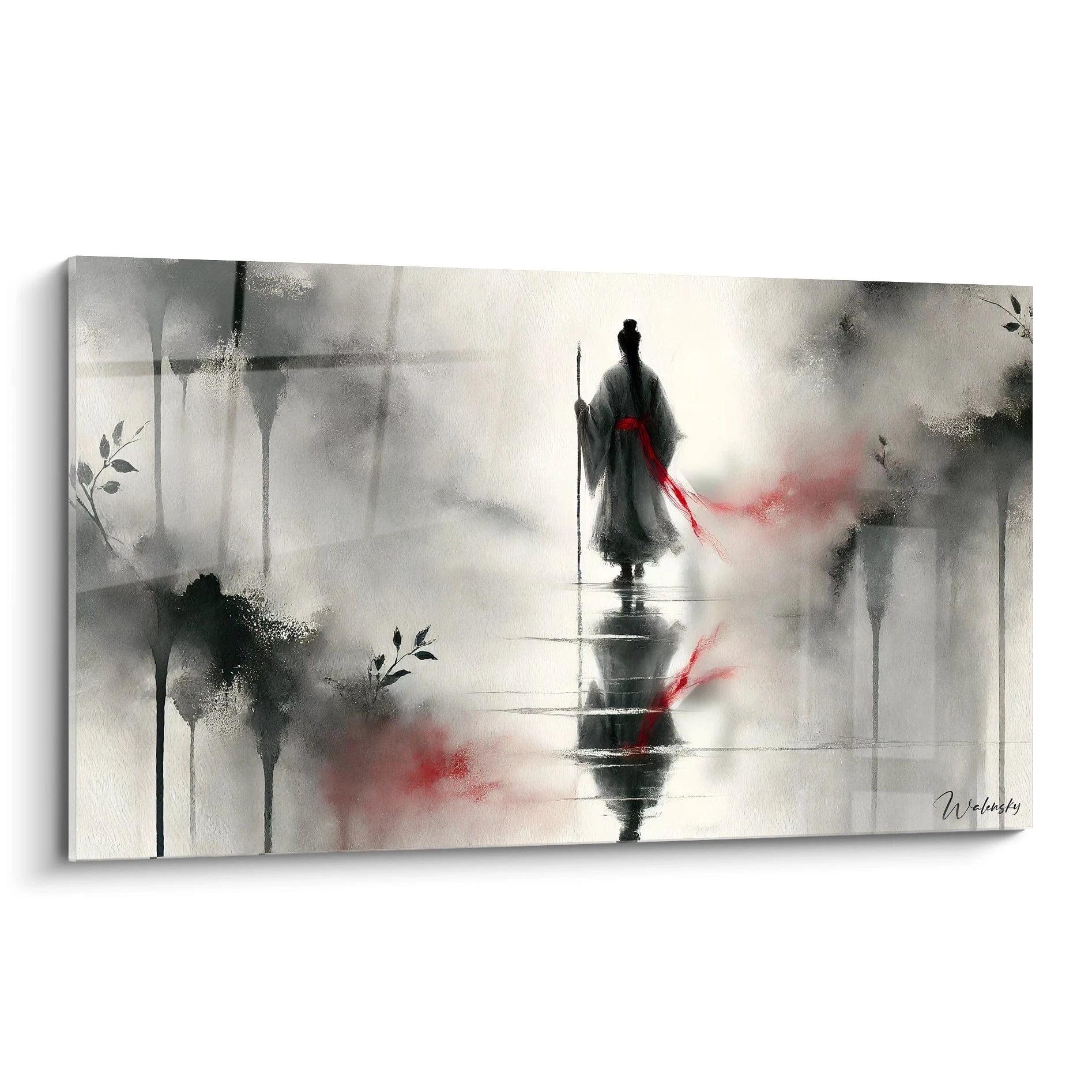
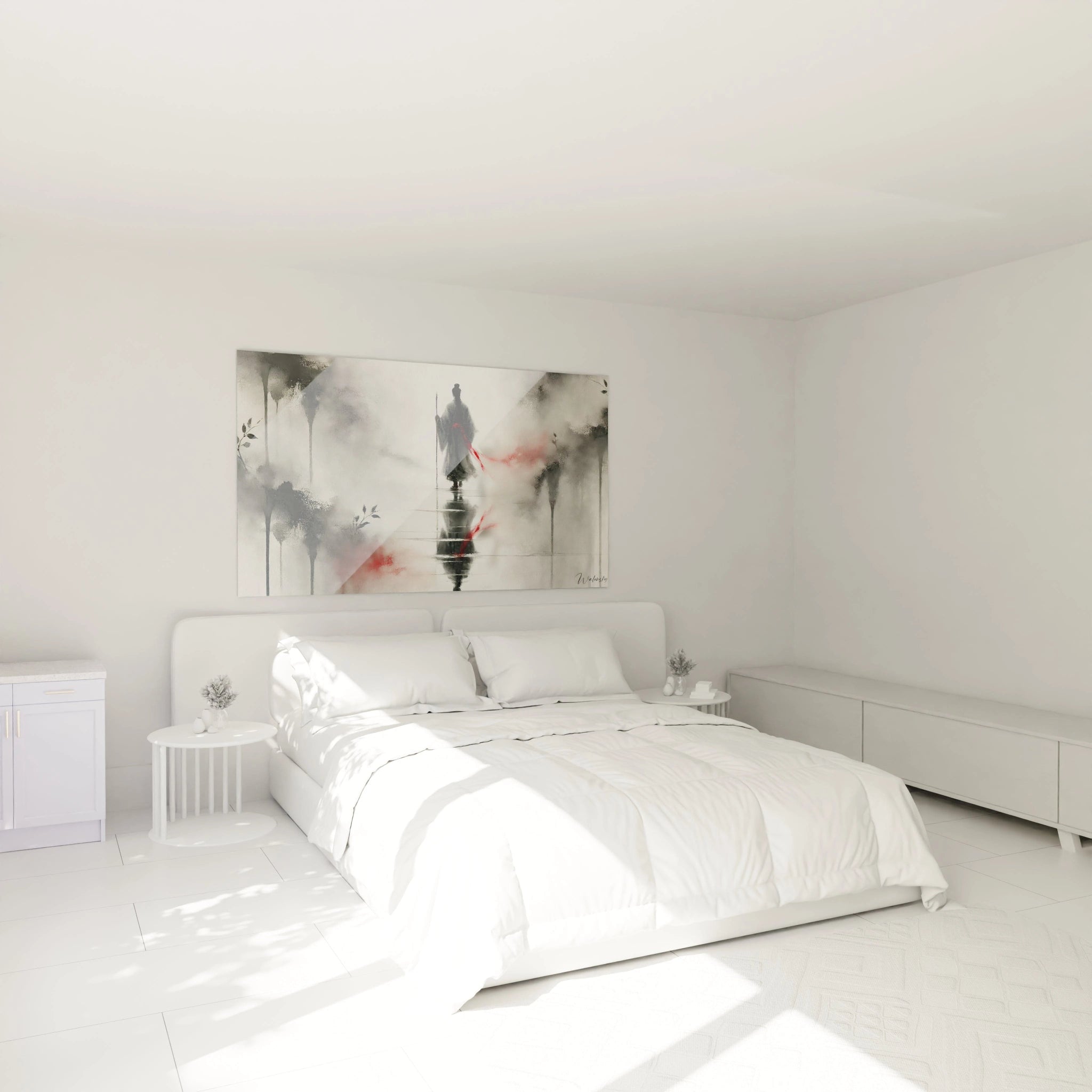
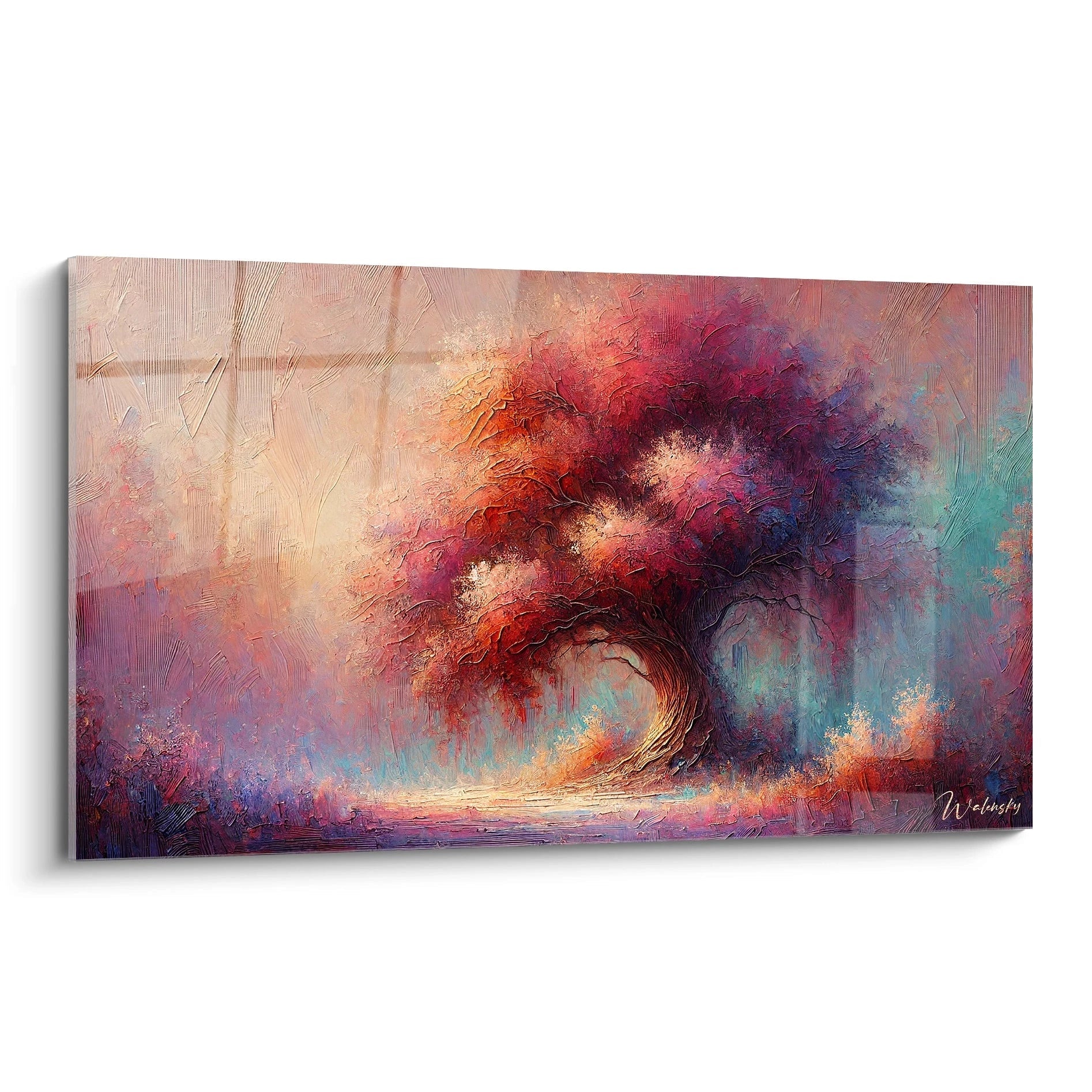
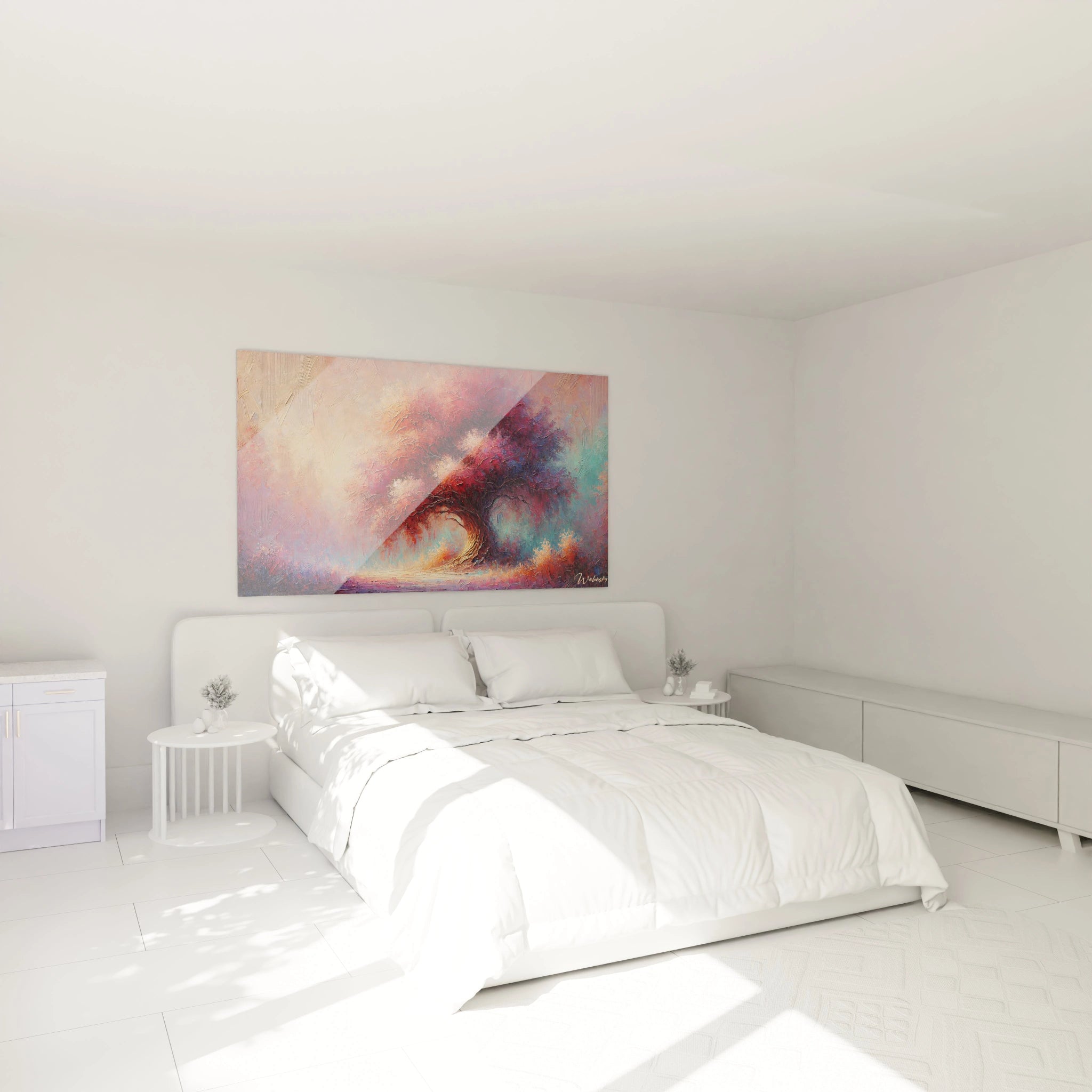
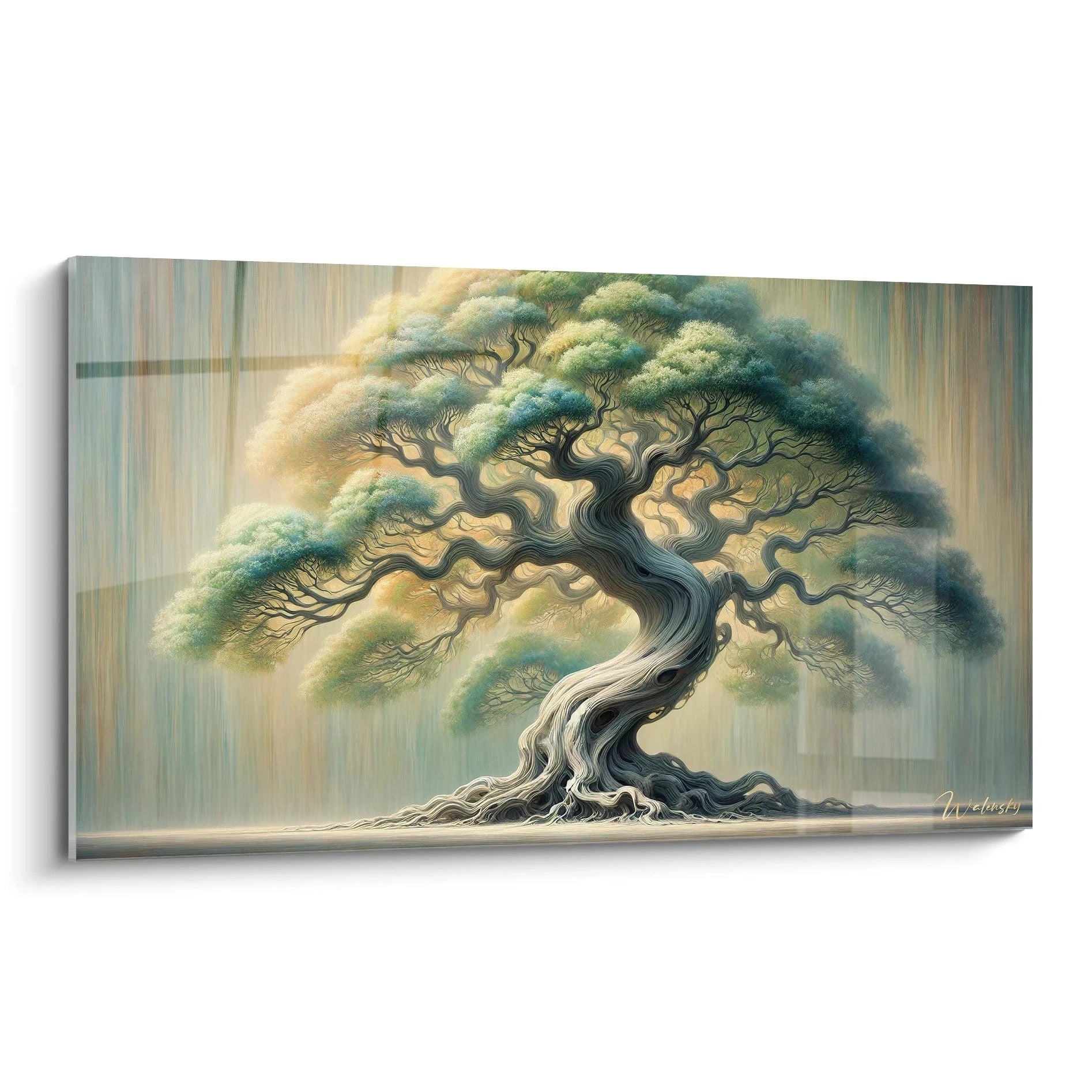
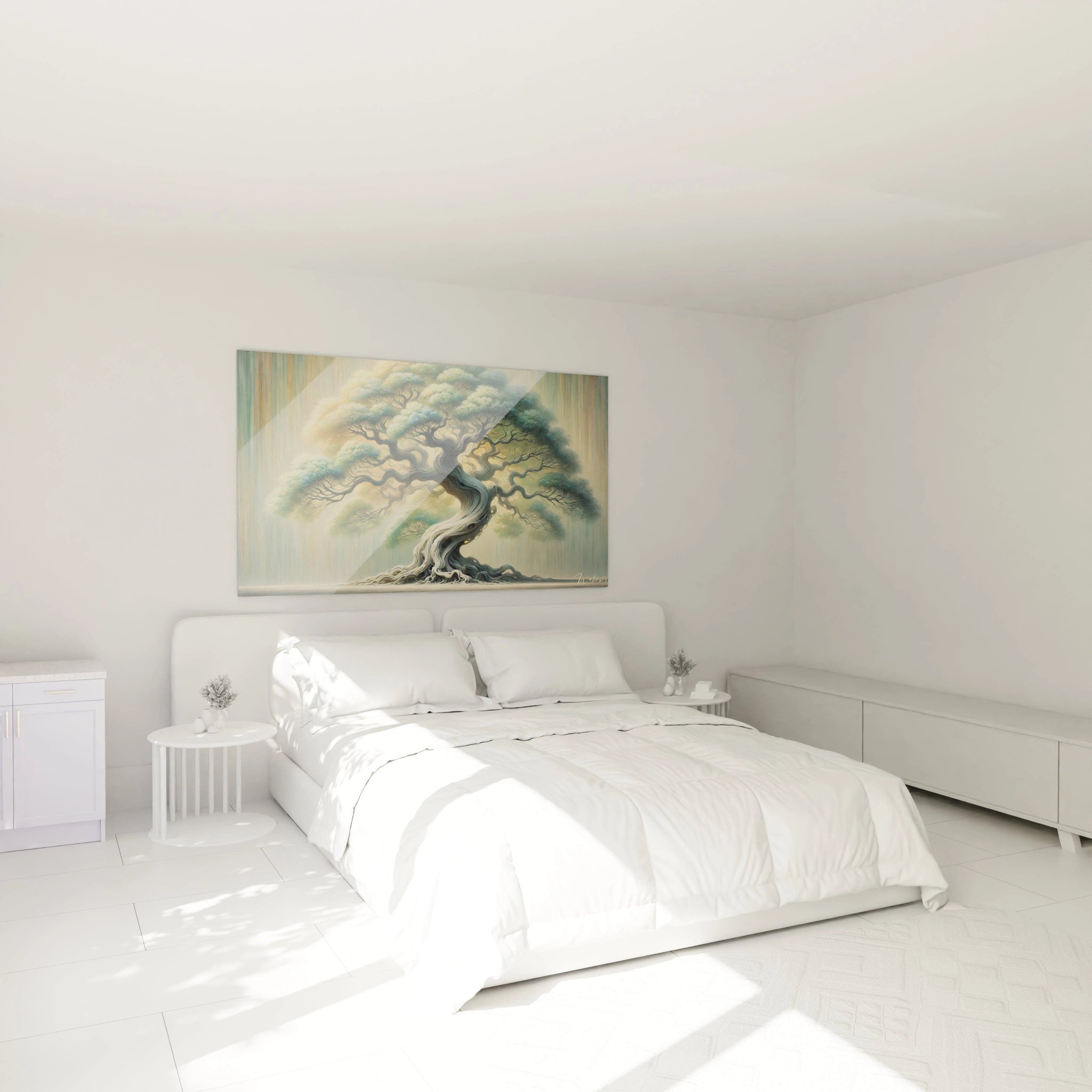
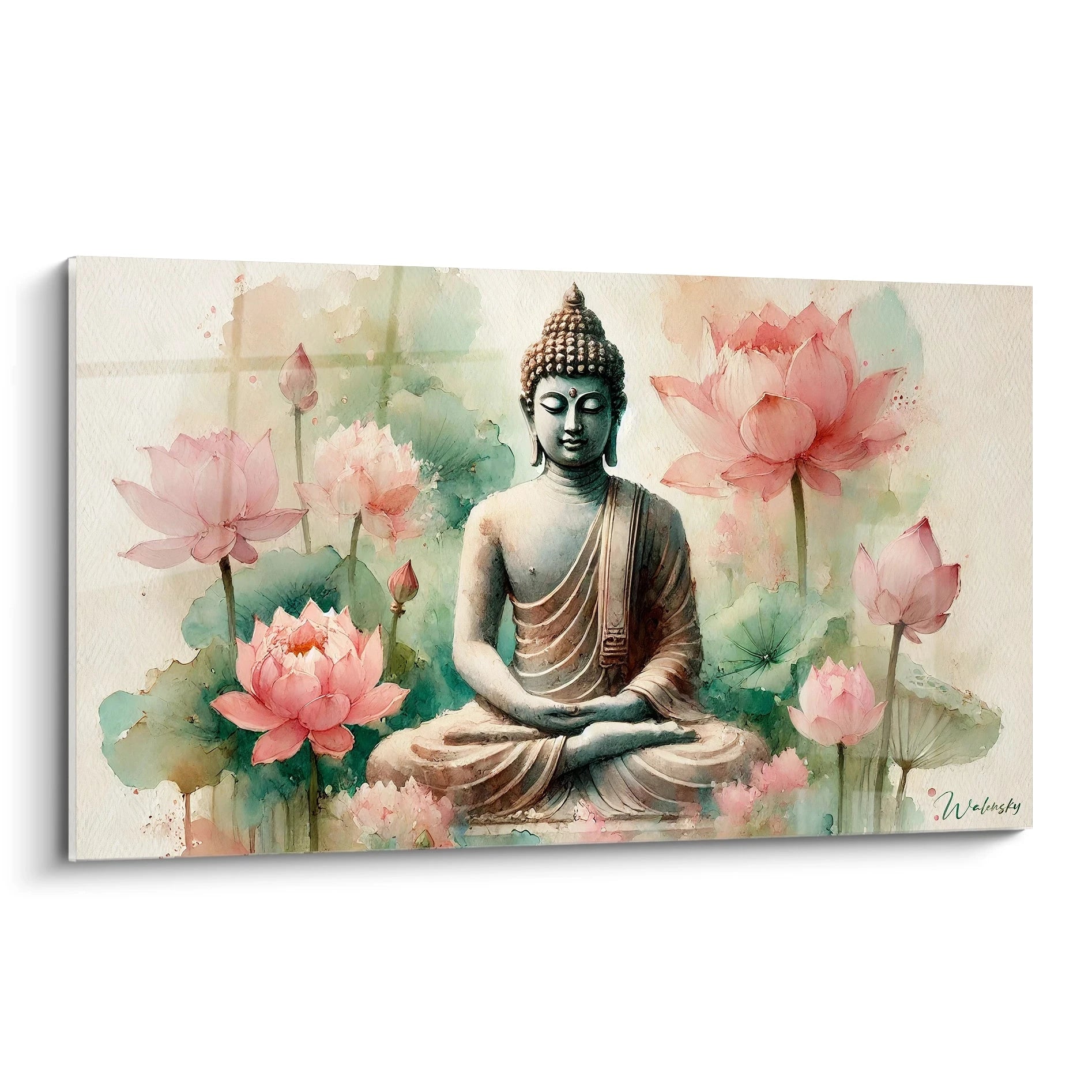
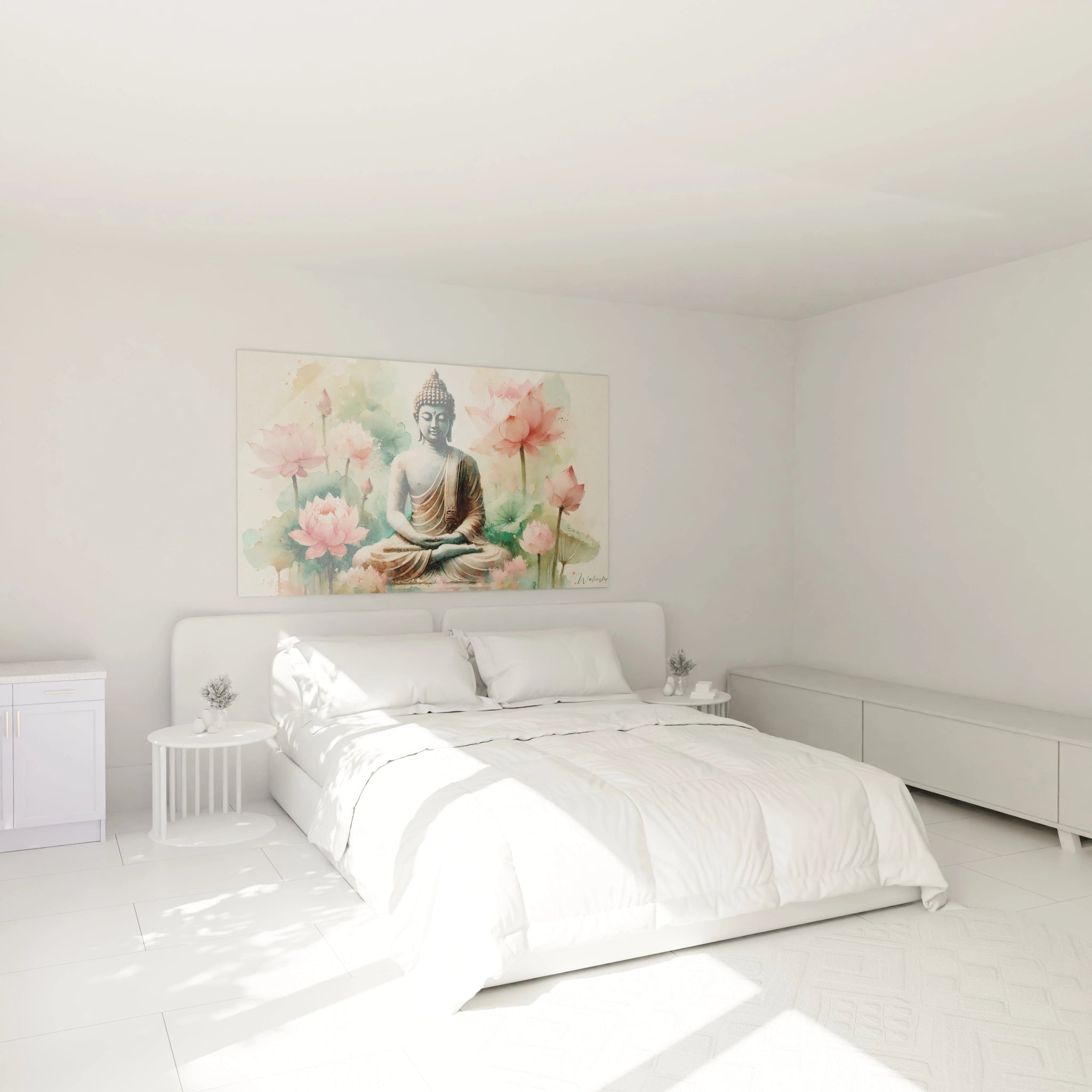
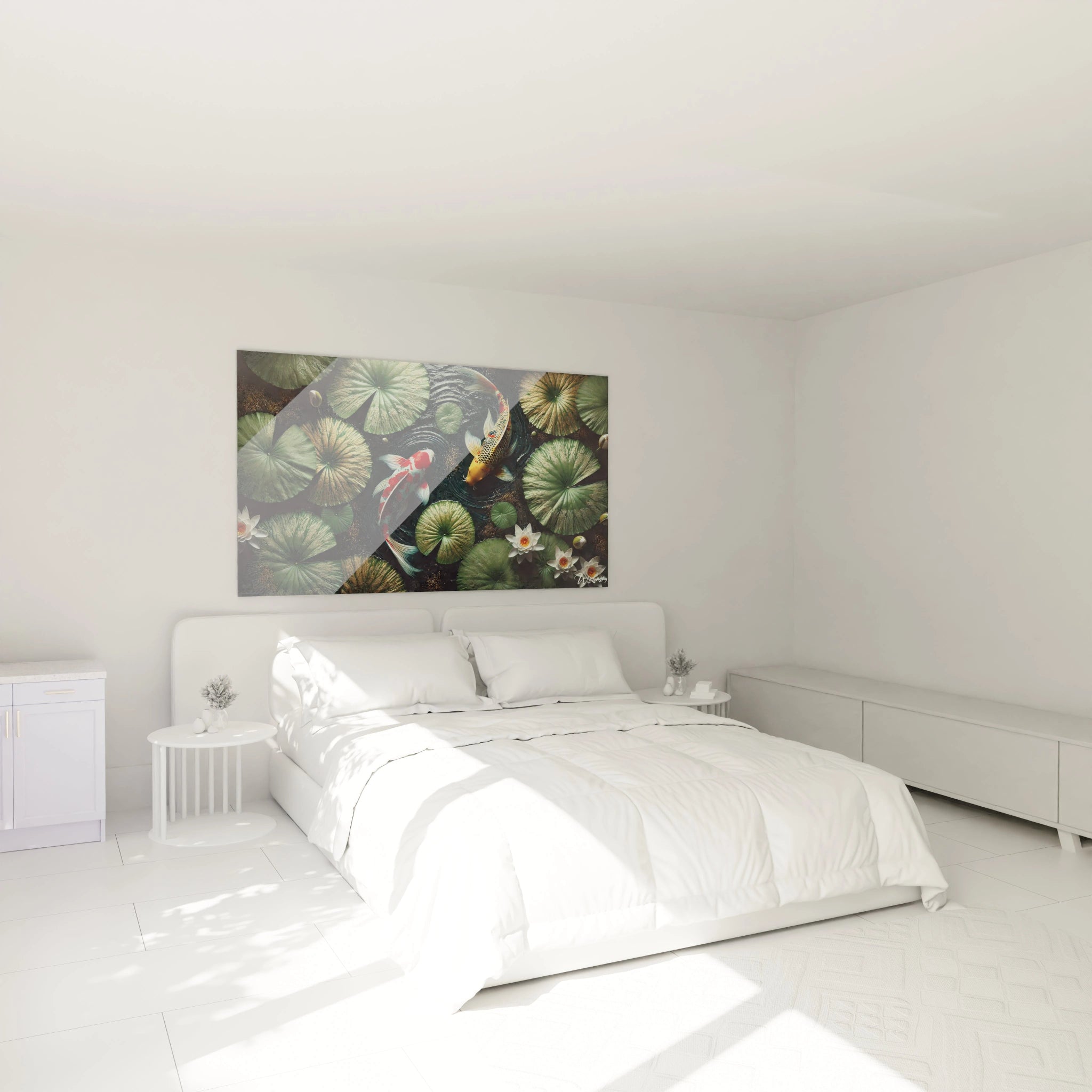
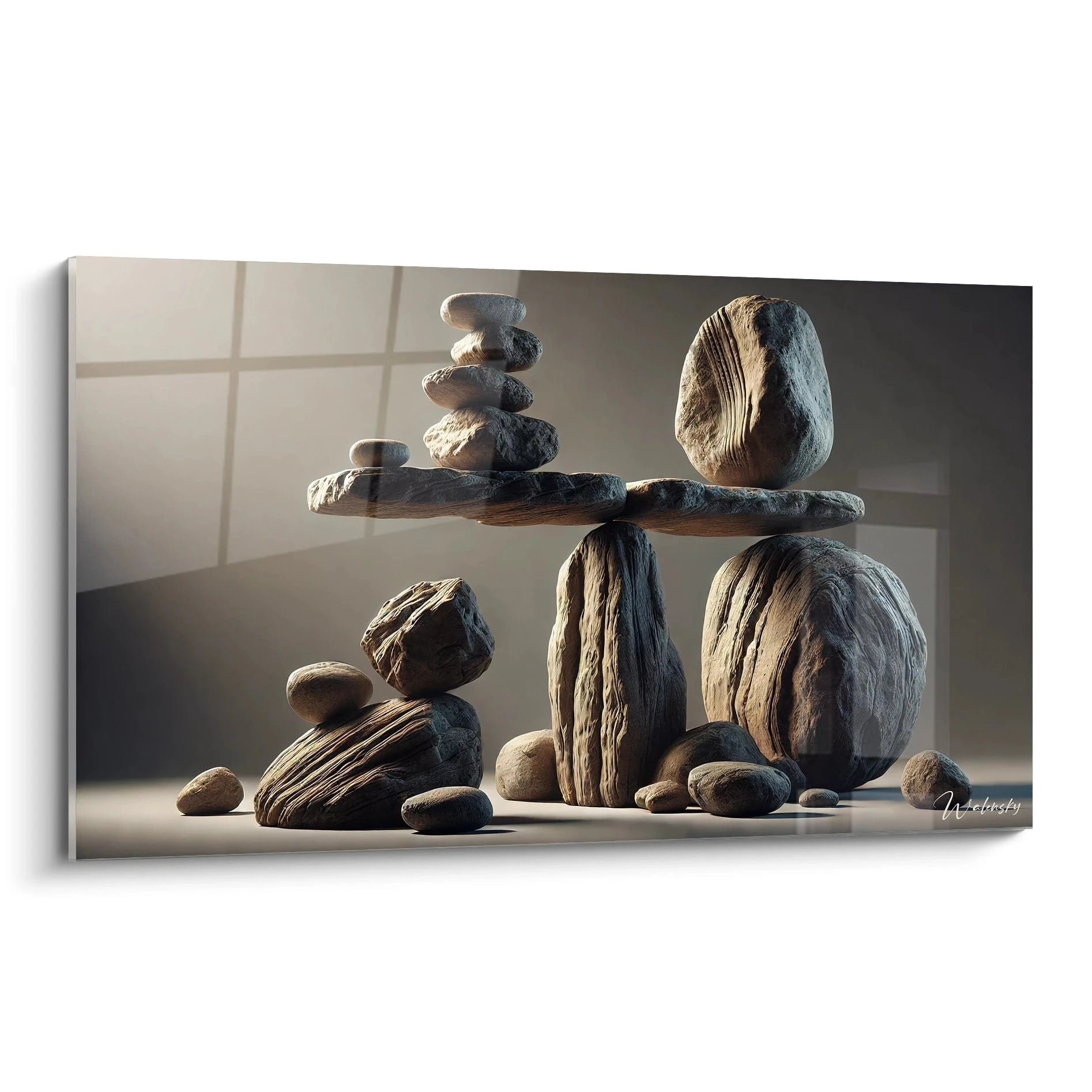
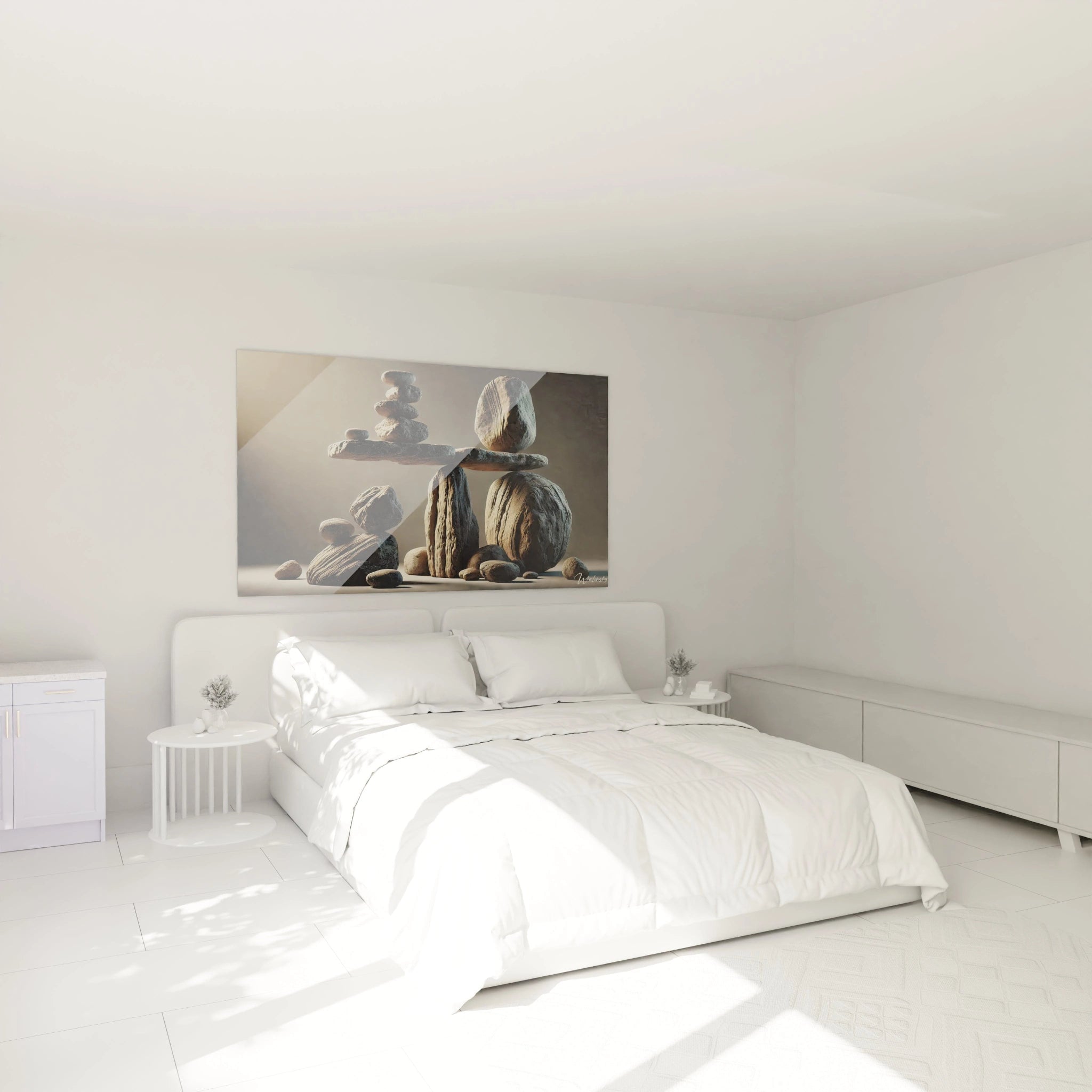
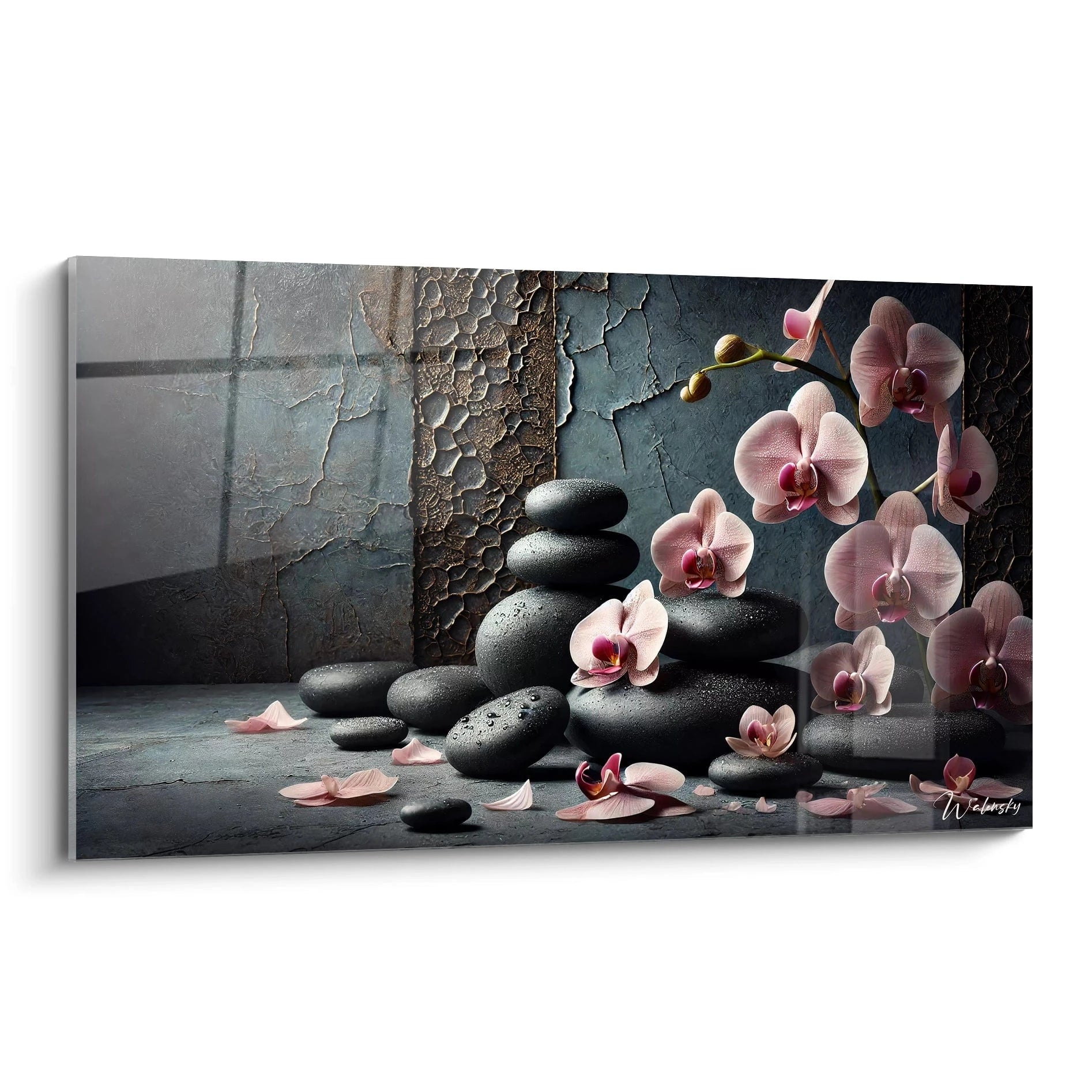
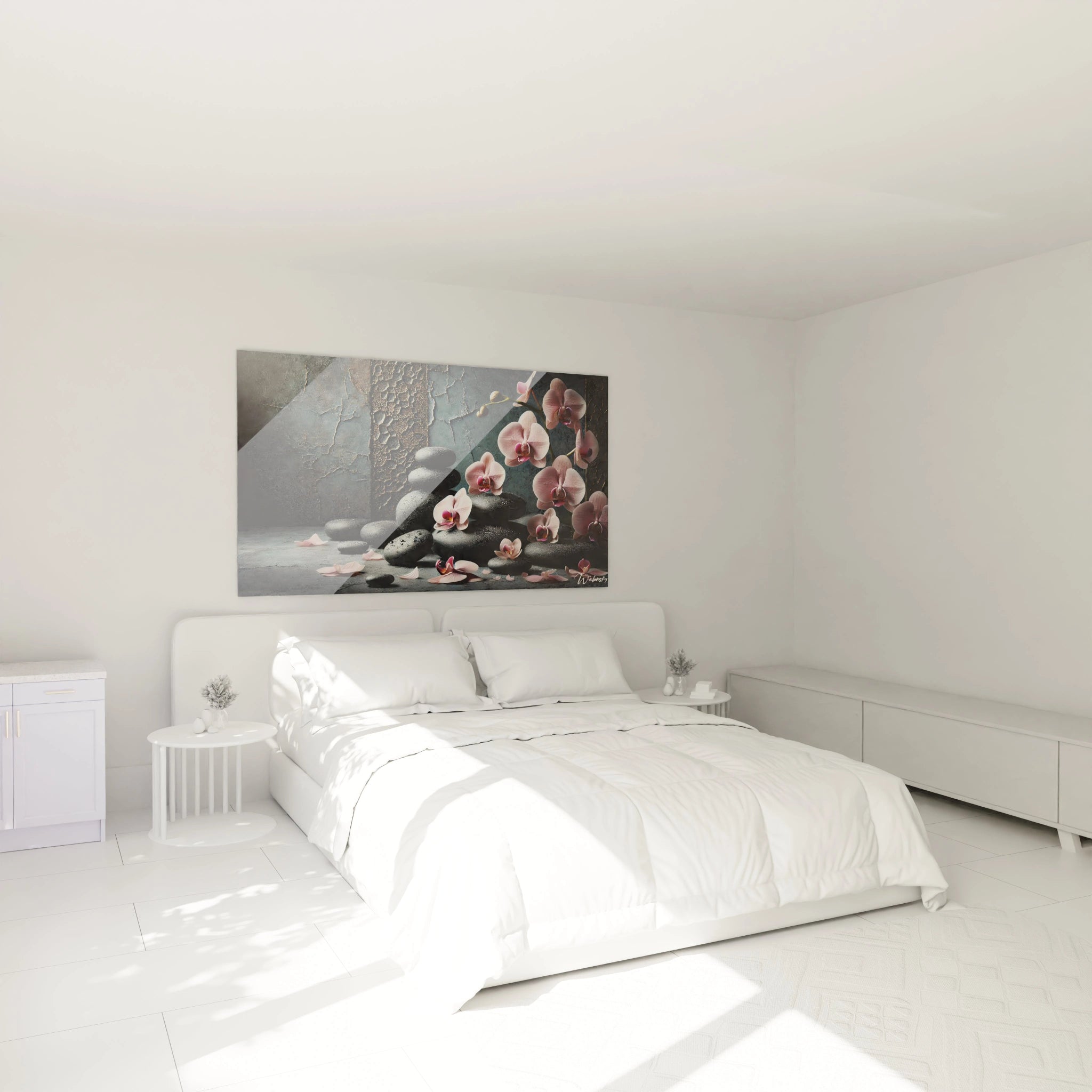
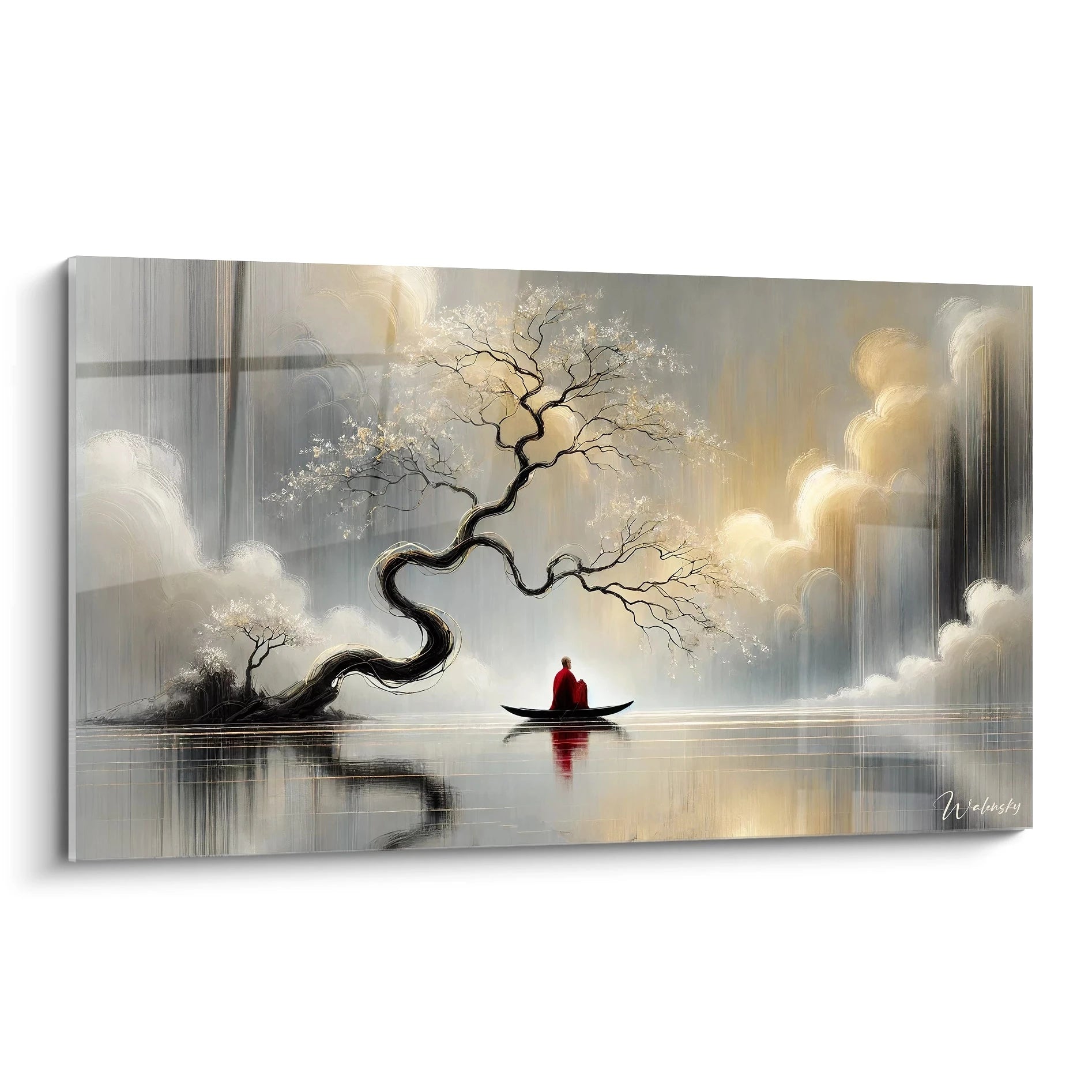
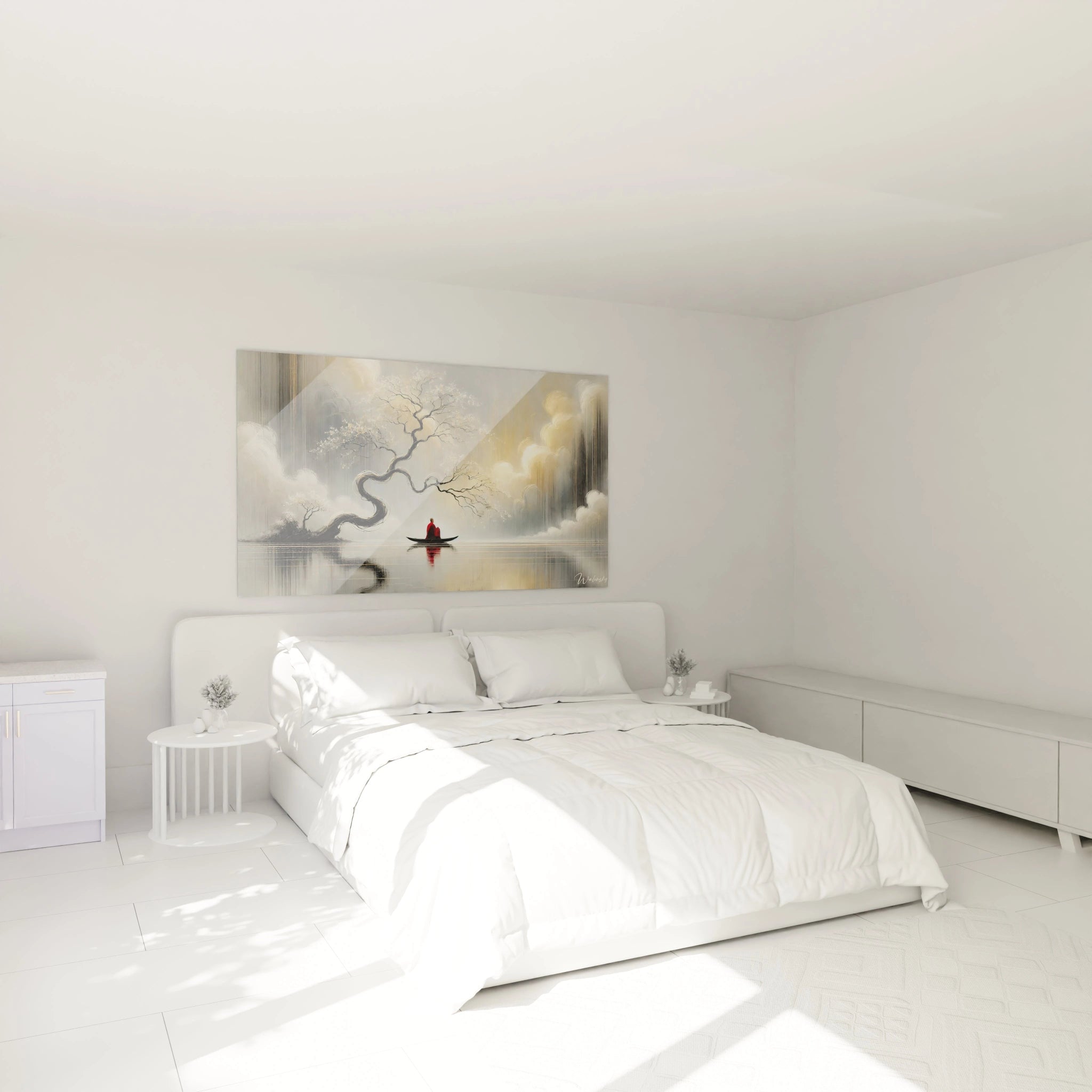
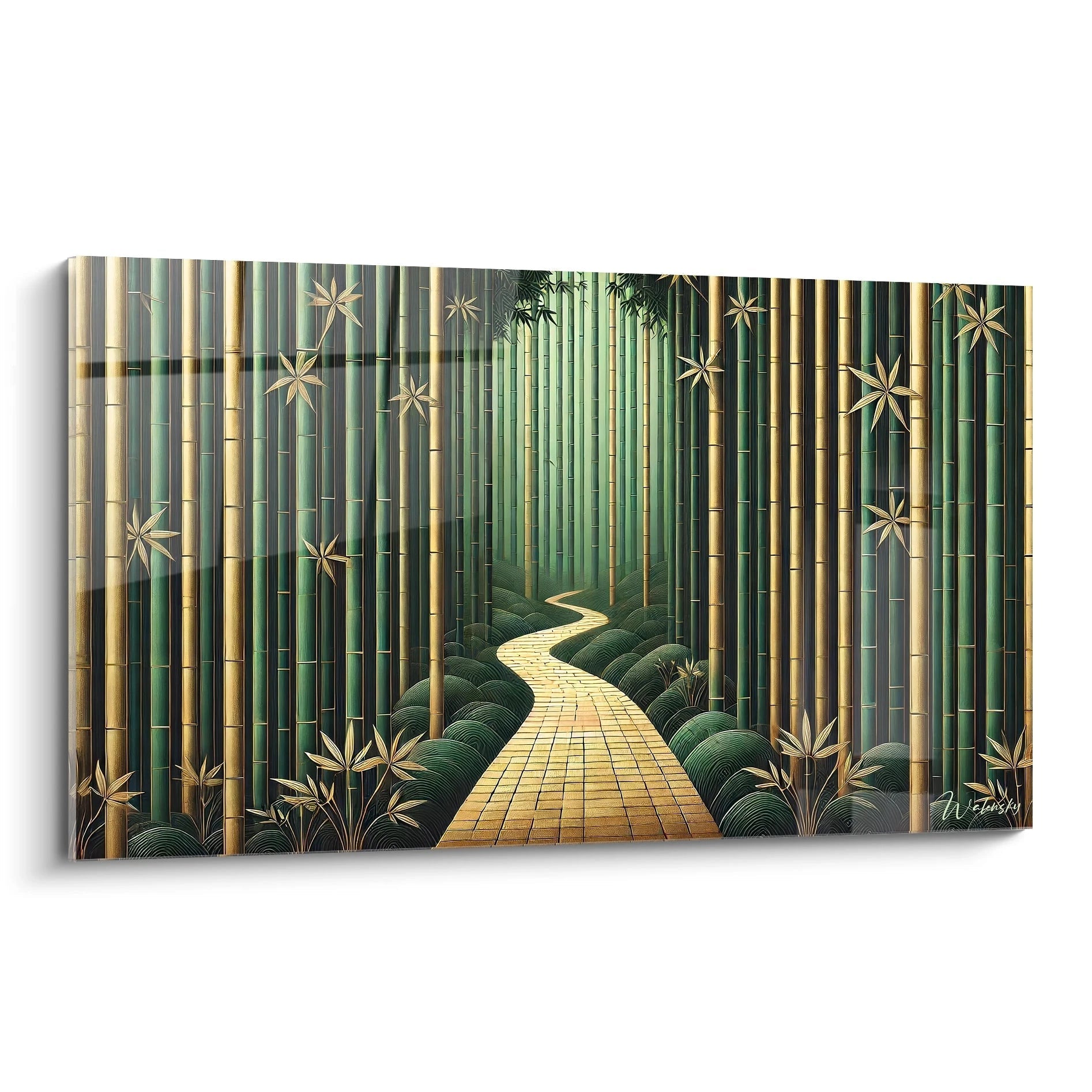
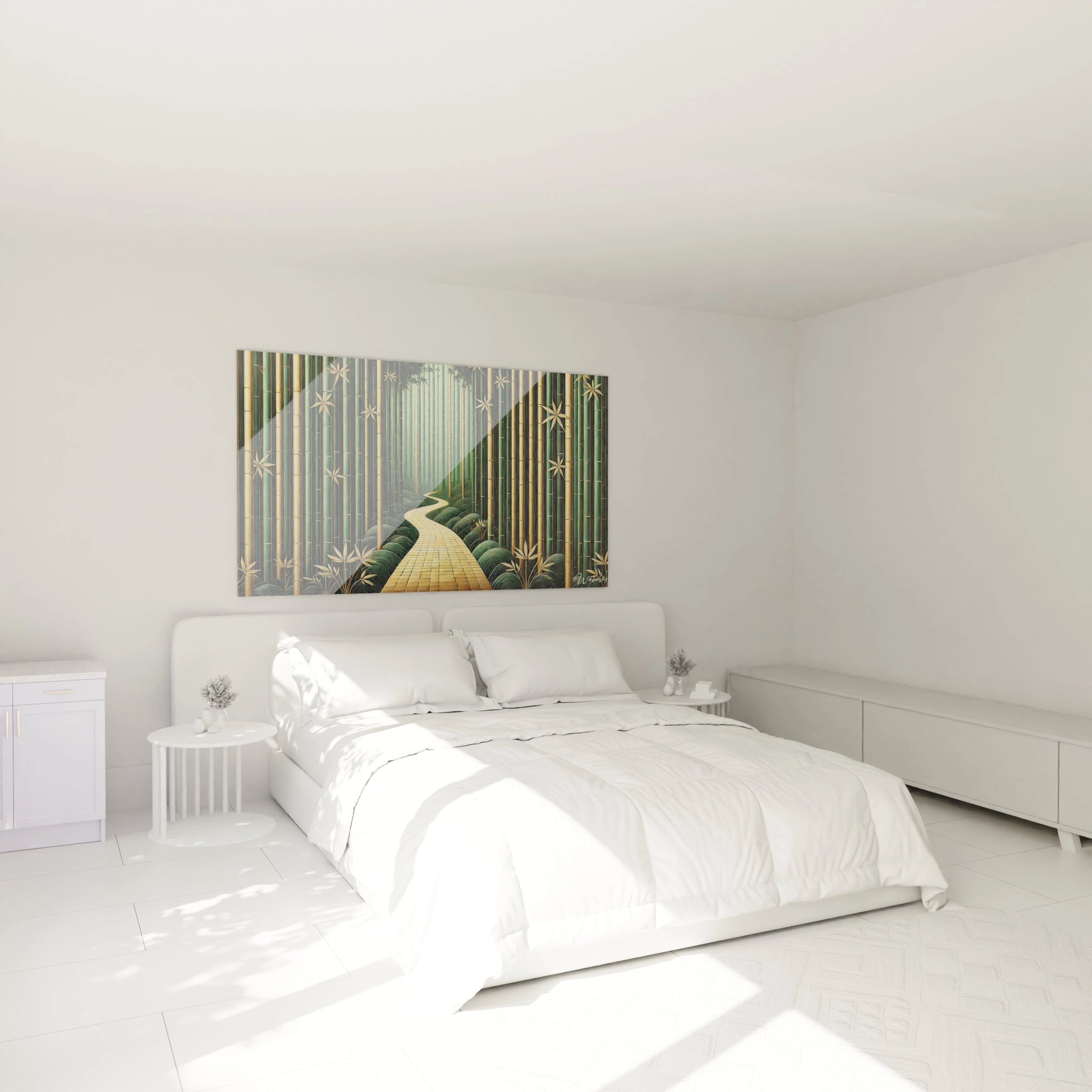
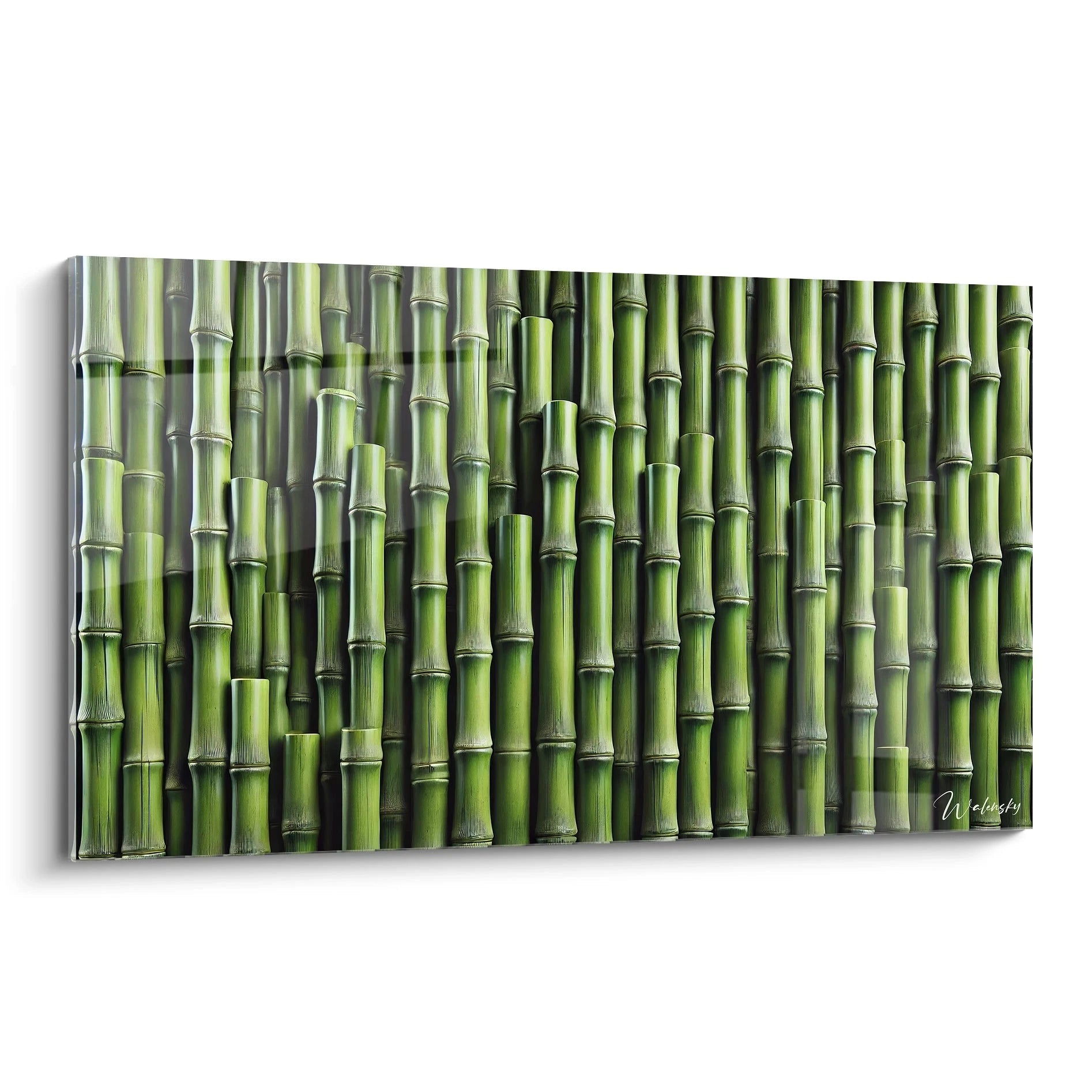
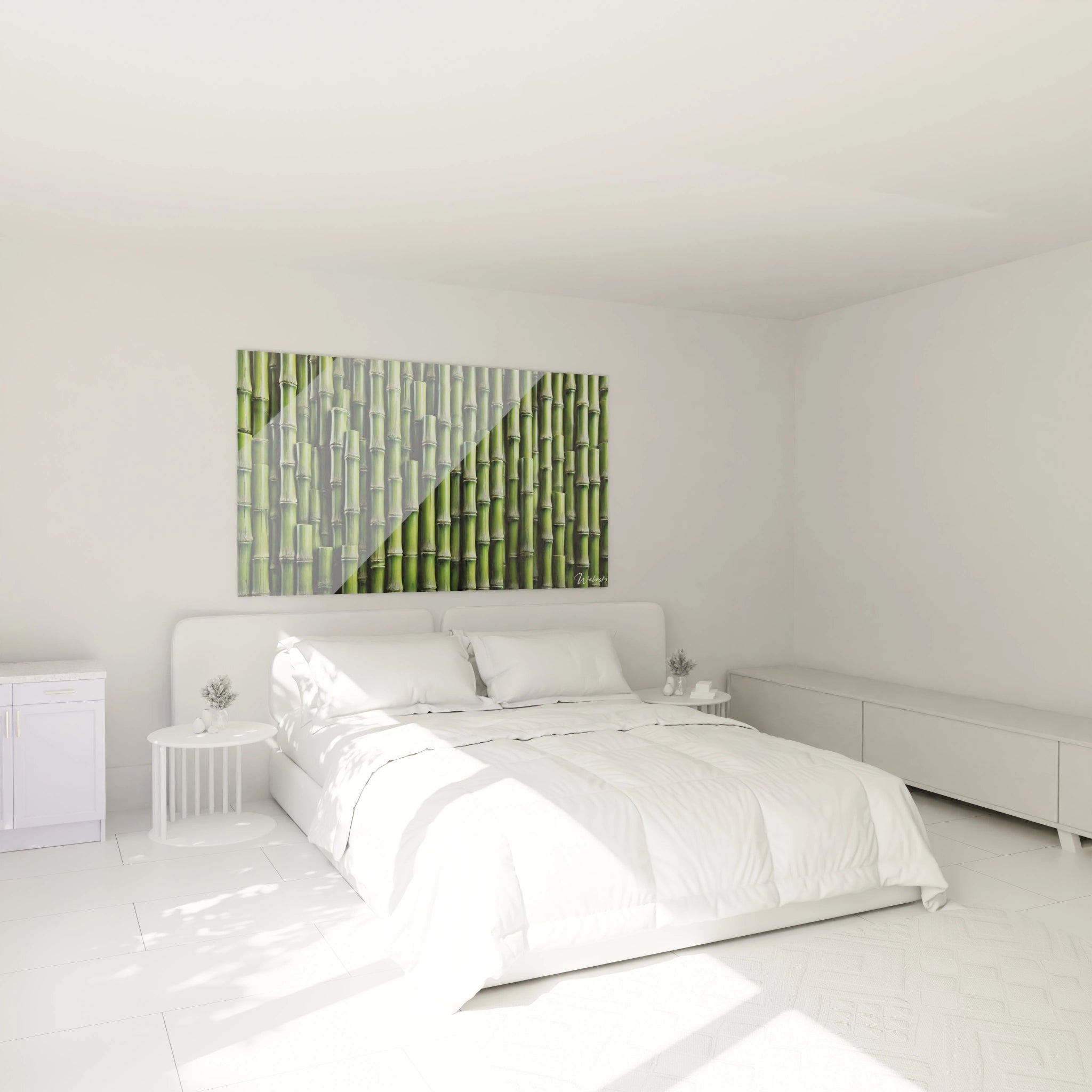
- Presentation Wall Art for medical office
- Soothing medical decorative wall art
- Artwork for medical waiting rooms
- Wall decoration for consultation offices
A wall art for medical office represents far more than a simple decorative element. It is a strategic tool that helps create a calming atmosphere, communicate professional values, and reduce patient anxiety. Unlike artwork designed for residential spaces, these pieces are specifically conceived to meet the unique needs of a medical environment.
Medical wall art distinguishes itself by its ability to transform a potentially stressful clinical space into a welcoming place. These pieces are selected for their soothing properties, their compatibility with sanitary standards, and their thematic relevance in a healthcare context.
In this article, we will explore the multiple facets of wall art for medical offices: their impact on patient well-being, the specific selection criteria for care spaces, and the latest trends in medical wall decoration. Discover how these works contribute to a positive therapeutic experience while reflecting the professional identity of the practitioner.
Psychological impact of decorative wall art in medical offices
How do medical wall artworks reduce anxiety in waiting rooms?
First impressions are particularly important in a
medical office, where patients often arrive with apprehension. Decorative medical wall art plays a crucial role in managing this anxiety. Unlike generalist artwork, these visuals are specifically selected for their soothing properties adapted to the medical context.
Studies in neuropsychology have demonstrated that contemplating artwork with calming patterns can significantly reduce cortisol production, the stress hormone. In a medical office, this reduction in anxiety is not simply a matter of comfort - it directly influences the quality of consultations and can even improve diagnostic accuracy, as stressed patients tend to communicate their symptoms less effectively.
Wall art for medical offices that depict natural scenes are particularly effective. Biophilia, this innate human connection with nature, explains why representations of serene landscapes or natural elements can lower blood pressure and heart rate in anxious patients before their consultation.
Specific therapeutic visual elements for medical spaces
Effective medical wall art shares certain visual characteristics that distinguish it from standard decorative works. Cool colors such as blues and greens often dominate these compositions, as they are scientifically recognized for their calming effects on the parasympathetic nervous system.
Harmonious compositions with fluid lines are favored, avoiding violent contrasts or angular shapes that may unconsciously evoke sensations of aggression or danger. This visual fluidity helps relax the viewer's gaze and, by extension, the patient's mental state.
Wall art subtly incorporating symbolic elements related to healing, such as water evoking purification or trees symbolizing growth and resilience, create a positive visual narrative that resonates particularly well in a healthcare context.
The difference between wall art for medical offices and other healthcare decorations
Unlike medical informational posters, wall art for medical offices does not seek to educate but to engage emotionally. Their primary function is to create positive distraction during moments of waiting or discomfort.
These works also distinguish themselves from technical anatomical illustrations through their emotional accessibility - they must speak to all patients, regardless of age, education level, or health status. This universality is a fundamental characteristic of effective medical wall art.
Unlike generic corporate decorations, wall art for medical spaces must withstand prolonged and repeated examination. Regular patients may spend cumulative hours facing these works over the years, hence the importance of selecting compositions that gradually reveal their richness and maintain their soothing power even after multiple exposures.
Why are neutral artworks preferable in a multidisciplinary medical context?
In medical offices welcoming various specialties or different patient categories, wall art must skillfully navigate between relevance and neutrality. Pieces too specific to a particular medical condition risk alienating certain patients or creating discomfort.
Moderately abstract representations often constitute the ideal choice for these multidisciplinary spaces. Their projective quality allows each patient to find personal meaning without imposing a unique interpretation that might not resonate with everyone.
Geometric wall art with balanced forms evokes order and stability - reassuring values in a medical context where patients seek structure and reliability. This calming geometry deliberately contrasts with the perceived chaos of illness or pain.
The impact of medical wall art on patient experience memory
A fascinating aspect of wall art for medical offices concerns its influence on patients' episodic memory. Research in cognitive psychology shows that our brain more easily encodes memories when associated with distinctive visual stimuli.
A striking artwork in a medical office thus becomes a memory anchor point that improves the overall perception of the medical experience. This positive association can facilitate future visits by reducing apprehension linked to memories of previous medical experiences.
For pediatric offices in particular, wall art can dramatically transform the perception of the medical environment. An engaging visual environment effectively distracts young patients from potentially stressful procedures, creating lasting positive associations with medical care.
Selection criteria for wall art suited to medical environments
What sanitary certifications should you look for in wall art for medical settings?
Selecting wall art for a medical office requires particular attention to sanitary standards, far beyond typical aesthetic considerations. Healthcare environments impose specific constraints concerning the materials used, particularly their resistance to regular disinfection procedures.
Wall art intended for medical spaces should ideally possess antibacterial certification, guaranteeing that they do not constitute reservoirs for pathogens. This characteristic is particularly crucial in waiting rooms with high patient turnover presenting various medical conditions.
Smooth sealed finishes represent another determining criterion, as they prevent dust accumulation and facilitate cleaning. Unlike textured works suited to residential environments, medical wall art prioritizes non-porous surfaces compatible with rigorous hygiene protocols.
Fire-resistant certifications also constitute a primary selection factor, as healthcare facilities are subject to strict regulations concerning flammable materials. Wall art compliant with M1 standards or equivalent not only provides decoration but actively contributes to the overall safety of the medical space.
Integrating wall art into the healthcare professional's visual identity
Judiciously chosen wall art for a medical office transcends its decorative function to become a vector of non-verbal communication about the practitioner's professional identity. Specialists in environmental psychology confirm that patients unconsciously infer personality traits and professional competencies from decorative choices.
For a general practitioner, wall art evoking a holistic health approach - subtly representing mind-body balance - can reinforce their practice philosophy. Conversely, an orthopedic surgeon might prefer works with precise lines evoking technical accuracy, reflecting their specialty.
The dominant colors of selected wall art also participate in this identity communication. Blue tones inspire confidence and technical expertise, while greens evoke growth and healing - associations particularly relevant in a medical context where patient-practitioner trust is fundamental.
The scale of wall art also contributes significantly to the perception of professional space. Large works create an impression of openness and transparency, while multiple medium-sized pieces suggest a methodical and structured approach - qualities highly valued in the therapeutic relationship.
Specific acoustic considerations for wall art in medical environments
An often overlooked but crucial aspect in selecting wall art for medical offices concerns its acoustic properties. Medical environments present particular sound challenges: need for privacy, reduction of anxiety-inducing noise, and creation of an atmosphere conducive to clear communication.
Large-scale wall art, strategically positioned, can function as natural sound absorbers, attenuating sonic reverberation particularly problematic in medical spaces with hard, easily cleaned surfaces. This secondary acoustic function significantly improves the overall comfort of the space.
Some contemporary medical wall artworks deliberately incorporate high-density acoustic materials beneath their visible surface, thus combining decorative function with sound improvement. This characteristic represents considerable advantage for offices located in noisy urban environments or buildings with acoustic problems.
The strategic placement of multiple medium-sized pieces rather than a single large work can create particularly effective "sound traps," fragmenting sound waves and significantly reducing ambient noise levels - a factor directly correlated with stress reduction in waiting patients.
Seasonal adaptability of medical wall art collections
Forward-thinking medical offices adopt a dynamic approach to their wall decoration, integrating seasonal rotation of wall art into their overall patient experience strategy. This practice, inspired by chronobiology principles, recognizes the impact of seasonal variations on patients' psychological states.
During winter months, particularly conducive to seasonal affective disorders, introducing wall art with warm tones and sunny scenes can counterbalance lack of natural light, particularly beneficial for patients suffering from seasonal depression consulting their physician.
Spring season ideally lends itself to wall art evoking renewal and vitality, subtly reinforcing messages of prevention and proactive medicine generally favored during this period of year in medical communications.
This seasonal rotation presents the additional advantage of renewing visual interest for regular patients, avoiding "exposure blindness" that occurs when a visual element becomes too familiar and loses its positive psychological impact.
Ergonomic positioning of wall art in different office zones
The optimal placement of wall art for a medical office varies considerably depending on the specific function of each space, following principles of visual ergonomics adapted to medical context. This science of positioning transcends simple decorative considerations to integrate the specific physiological and psychological needs of patients.
In examination rooms, wall art is ideally placed within the visual field of patients in lying or semi-seated position, offering a calming focal point during potentially uncomfortable procedures. This precise orientation contrasts with traditional eye-level positioning suited to standing residential spaces.
For waiting areas, environmental psychology studies recommend placing wall art in visible but slightly off-center zones, encouraging natural eye movement that activates the parasympathetic nervous system, contributing to measurable stress reduction.
In transition corridors, wall art can be strategically arranged to create a "visual journey" intuitively guiding patients to their destination while diverting their attention from the potentially intimidating institutional aspect of medical spaces.
Current trends and innovations in wall art for medical spaces
Next-generation interactive wall art for medical offices
The evolution of wall art for medical offices is experiencing a revolution with the emergence of interactive works specifically designed for healthcare environments. Unlike conventional wall art, these innovative creations encourage a form of active patient engagement, transforming passive waiting times into potentially therapeutic experiences.
Wall art with variable composition uses magnetic or modular elements allowing medical staff to reconfigure them periodically. This simple modification creates a novelty effect that stimulates cognition and maintains interest for regular patients, particularly beneficial in offices treating chronic conditions requiring frequent visits.
Even more sophisticated, certain medical wall artworks integrate elements reactive to ambient light, gradually revealing different compositions throughout the day. This dynamic characteristic aligns perfectly with chronotherapy principles recognizing the importance of light variations on circadian rhythms and patient mood.
For pediatric offices, wall art incorporating visual search elements adapted to different age groups are particularly appreciated. These works subtly transform the anxiety-inducing waiting time into an educational playful activity, while allowing practitioners to indirectly observe young patients' attentional and visuomotor abilities.
How does medical wall art adapt to new workplace wellness standards?
The function of wall art for medical offices now extends beyond patient well-being to encompass that of healthcare professionals, recognizing the crucial impact of the visual environment on preventing medical burnout. This evolution reflects a more holistic understanding of the healthcare ecosystem.
Wall art positioned in areas exclusively accessible to medical staff - such as rest rooms or administrative workstations - prioritize compositions specifically designed for cognitive recovery. These works typically incorporate elements of "soft fascination" allowing undirected attention that restores mental resources between demanding consultations.
In patient-caregiver shared spaces, new medical wall art adopts subtly health-themed approaches valuing the therapeutic relationship itself, visually emphasizing the physician-patient alliance as central to the healing process. This approach helps humanize the medical experience for both parties.
Forward-thinking offices also integrate wall art whose themes evolve according to seasonal prevention campaigns, thus serving as visual prompts facilitating the introduction of potentially sensitive subjects during consultations - a subtle but effective communicational function.
Innovations in wall art adapted for neurodivergent patients
Growing understanding of the specific needs of neurodivergent patients is revolutionizing the design of wall art for medical offices. These specialized works consider perceptual particularities related to autism, ADHD, dyspraxia, and other atypical neurological conditions.
For offices welcoming sensorially hypersensitive patients, low-stimulation wall art deliberately incorporates predictable patterns and gradual color transitions. This approach avoids sensory overload while maintaining visual interest - a particularly complex balance to achieve but essential in these contexts.
Conversely, for environments treating patients with attention deficit, certain contemporary medical wall artworks integrate elements of "targeted stimulation" - precisely calibrated visual details that capture attention without causing excessive distraction during clinical exchanges.
Particulary innovative, variable-focus wall art allows patients to modulate their visual engagement according to their momentary sensory needs. These works simultaneously offer zones of visual complexity and perceptual rest spaces, enabling sensory self-regulation particularly beneficial in potentially stressful medical contexts.
Medical wall art with measurable therapeutic benefits
The contemporary approach to wall art for medical offices now integrates scientifically validated art-therapy principles, transforming these decorative elements into genuine passive therapeutic tools with clinically measurable benefits.
Wall art incorporating specific fractal patterns - presenting precise mathematical complexity - has demonstrated its ability to induce a mental state similar to light meditation in observers. These works, positioned in pre-consultation waiting zones, psychophysiologically prepare patients for more open communication with the practitioner.
Certain offices specializing in chronic pain management adopt wall art incorporating specific visual illusions that, when observed for a determined duration, activate endogenous pain inhibition mechanisms. This non-pharmacological complementary approach fits perfectly within multidimensional pain management strategies.
Therapeutically-oriented wall art can also present compositions specifically designed to stimulate production of certain beneficial neurotransmitters. For example, works rich in certain precise color spectra promote serotonin production, subtly yet significantly contributing to mood improvement in waiting rooms.
Contextual personalization of wall art according to medical specialties
The selection of wall art for medical offices is experiencing growing sophistication with the emergence of works specifically adapted to different medical branches. This personalization transcends simple subject matter to integrate visual elements scientifically selected according to the specific needs of each patient type.
For cardiology offices, wall art favors regular visual rhythms and balanced compositions that, according to neuroaesthetics studies, unconsciously promote heart rate regulation. This characteristic proves particularly beneficial for anxious patients before cardiac examination.
In spaces dedicated to psychiatry, works are carefully selected for their non-directive projective qualities, offering sufficient ambiguity to allow expression of the patient's internal concerns while avoiding any potentially destabilizing imagery.
For pediatric offices, contemporary medical wall art integrates narrative elements adapted to the cognitive development of different age groups, creating an environment that recognizes and values the specific interpretive capacities of young patients.
FAQ about wall art for medical offices
What size wall art should you choose for a small waiting room?
In a restricted waiting space, favor medium-format wall art (60x90cm) placed at the natural focal point of the room. Avoid oversized formats that could create a cluttered sensation. An effective alternative consists of installing a series of three coordinated artworks of 30x40cm format, creating a visual narrative without overloading the space.
How to effectively maintain wall art for a medical office while respecting sanitary protocols?
Contemporary medical wall art requires maintenance compatible with medical hygiene standards. Favor weekly cleaning with a microfiber cloth slightly dampened with a disinfectant solution suitable for non-porous surfaces. Absolutely avoid concentrated alcohol-based products that could alter pigments. For high-infection-risk zones, consider applying a nano-treated antimicrobial protective film, renewable annually.
Is wall art for medical offices eligible for professional tax deductions?
Wall art acquired specifically for professional medical use is generally deductible as professional equipment, provided it is clearly intended for improving the care environment and not private use. Its value can be depreciated over several years depending on its cost. Consult your accountant to determine the optimal accounting method, particularly for original artworks which may follow a special tax regime.