


Wall Art for Dental Office
Transform your medical space with our exclusive collection of wall art for dental office, specially designed to reduce anxiety and create a welcoming atmosphere. These artistic works add a touch of elegance to your office while pleasantly distracting your patients during waiting time. Every dentist can personalize their space with creations that reflect professionalism and compassion. Visual compositions that help humanize the medical environment, inspiring trust and serenity from the moment patients enter your office.
 Sacred Purity Wall Art - Zen Lotus Flower Edition233,90 €
 Luminous Fragility Wall Art - Zen Candle Edition233,90 €
 Painting Inspired by Claude Monet's Water Lilies No. 2 – Tribute to a Renowned Artist233,90 €
 Painting Inspired by Moonrise Over the Sea by Caspar David Friedrich No.1 – Tribute to Famous Artist233,90 €
 Painting Inspired by Spring by Jean-François Millet No. 2 – Tribute to a Renowned Artist233,90 €
 Arum Painting N°1 - Nature Edition233,90 €
 Arum Painting N°2 - Nature Edition233,90 €
 Mushroom Painting No.1 - Nature 2 Edition233,90 €
 Eucalyptus Wall Art No. 1 - Nature Edition233,90 €
 Ginkgo Leaf Wall Art No.1 - Nature Edition233,90 €
 Ginkgo Leaf Wall Art No. 3 - Nature Edition233,90 €
 Cherry Blossom Wall Art No. 2 - Nature Edition233,90 €
 Wisteria Wall Art No. 1 - Nature Edition233,90 €
 Wisteria Painting No. 2 - Nature Edition233,90 €
 Lily Wall Art N°2 - Nature Edition233,90 €
 Monstera Wall Art N°1 - Nature Edition233,90 €
 Fir Tree Painting No. 1 - Nature Edition233,90 €
 Weeping Willow Painting No. 1 - Nature Edition233,90 €
 Tulip Wall Art N°2 - Nature Edition233,90 €
 Iris Wall Art N°1 - Nature Edition233,90 €
 Iris Wall Art No. 9 - Nature Edition233,90 €
 Iris Painting No.10 - Nature Edition233,90 €
 Narcissus Wall Art No. 4 - Nature Edition233,90 €
 White Rose Painting No.5 - Nature Edition233,90 €
Explore further
In Wall Art for Dental Office
-
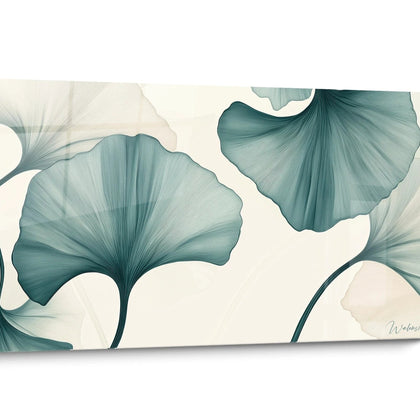 Wall Art for Zen Dental Practice24
artworks
Wall Art for Zen Dental Practice24
artworks
-
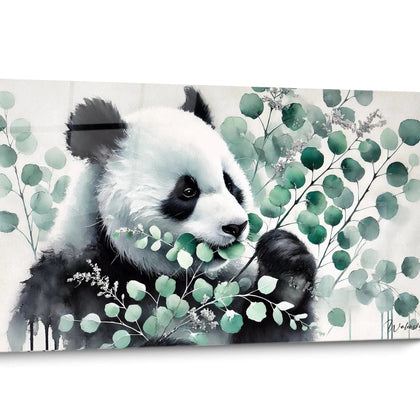 Wall Art for Dental Office Watercolor7
artworks
Wall Art for Dental Office Watercolor7
artworks
-
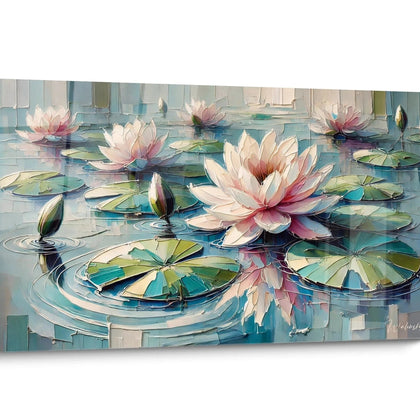 Abstract Wall Art for Dental Office17
artworks
Abstract Wall Art for Dental Office17
artworks
-
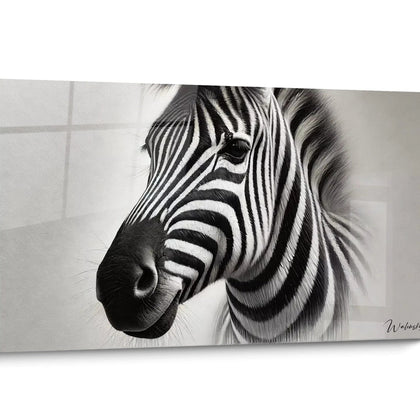 Minimalist Wall Art for Dental Office20
artworks
Minimalist Wall Art for Dental Office20
artworks
-
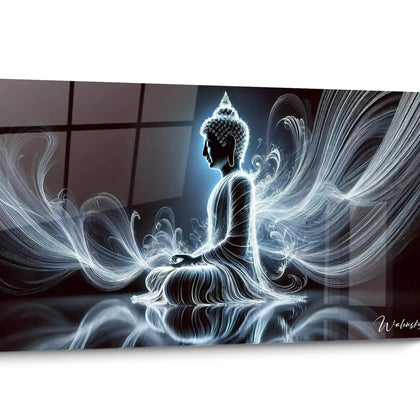 Wall Art for Modern Dental Practice24
artworks
Wall Art for Modern Dental Practice24
artworks
-
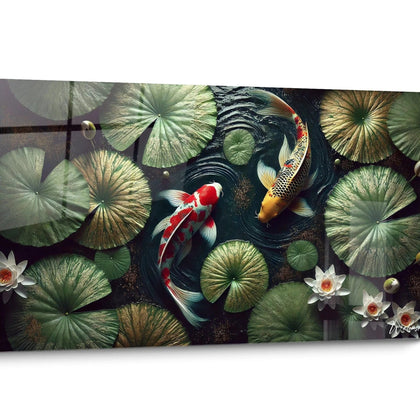 Wall Art for Asian Dental Practice16
artworks
Wall Art for Asian Dental Practice16
artworks
-
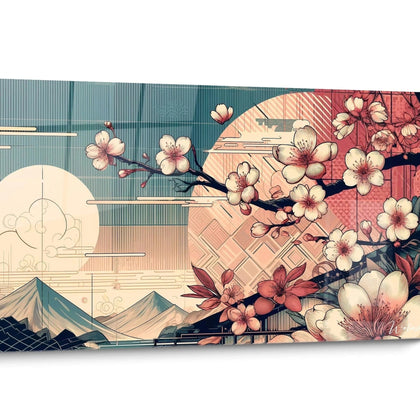 Floral Dental Office Wall Art24
artworks
Floral Dental Office Wall Art24
artworks
-
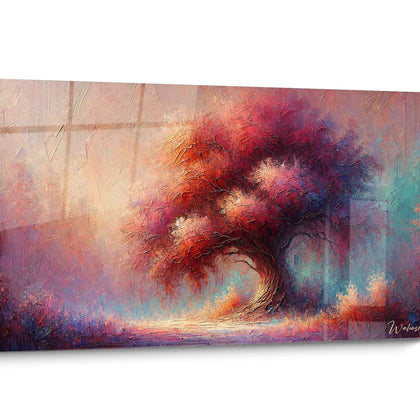 Wall Art for Dental Office Nature24
artworks
Wall Art for Dental Office Nature24
artworks
-
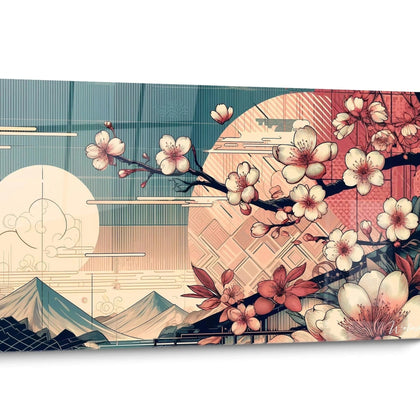 Turquoise Dental Office Wall Art10
artworks
Turquoise Dental Office Wall Art10
artworks
-
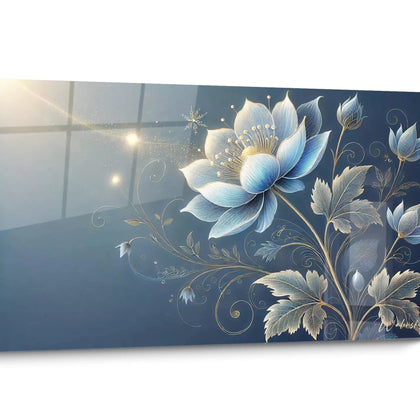 Golden Dental Office Wall Art19
artworks
Golden Dental Office Wall Art19
artworks
In the same family
Also explore the theme Professionnels
-
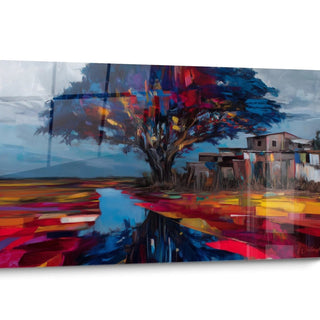 For Real Estate Agencies5435
artworks
For Real Estate Agencies5435
artworks
-
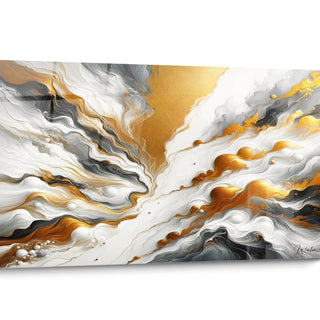 For Luxury Boutiques26
artworks
For Luxury Boutiques26
artworks
-
 For law firms820
artworks
For law firms820
artworks
-
 For Doctor's Office100
artworks
For Doctor's Office100
artworks
-
 For Medical Practices100
artworks
For Medical Practices100
artworks
-
 For Psychologist's Office100
artworks
For Psychologist's Office100
artworks
-
 For Veterinary Clinics64
artworks
For Veterinary Clinics64
artworks
-
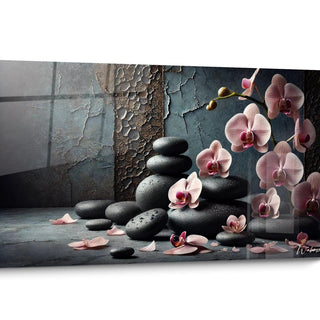 For Wellness Centers101
artworks
For Wellness Centers101
artworks
-
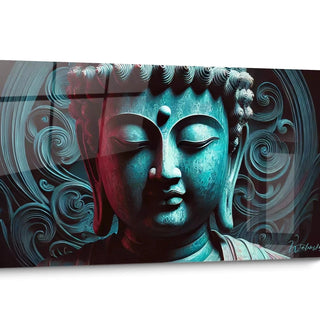 For Clinics100
artworks
For Clinics100
artworks
-
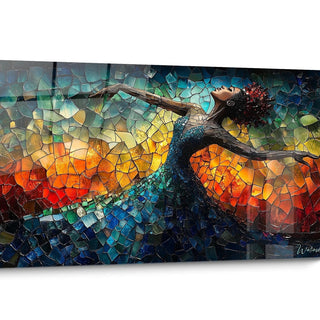 For Luxury Hotels820
artworks
For Luxury Hotels820
artworks
-
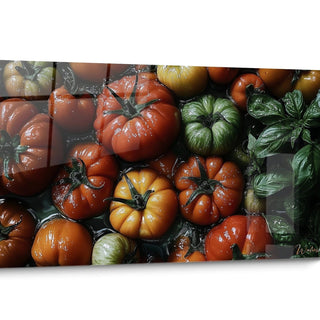 For Steakhouse9
artworks
For Steakhouse9
artworks
-
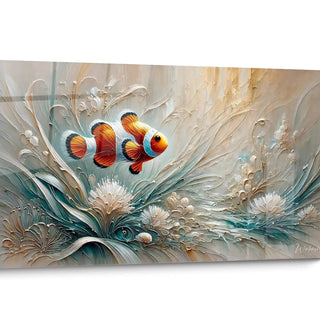 For Fish Restaurant16
artworks
For Fish Restaurant16
artworks
-
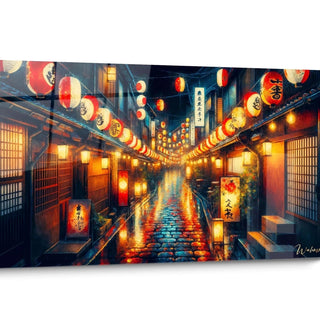 For Sushi Restaurant15
artworks
For Sushi Restaurant15
artworks
All about Wall Art for Dental Office
- Wall Art Presentation for dental office
- Psychological Impact of Wall Art in Dental Offices
- Professional Dental-Themed Wall Art Collections
- Anti-Bacterial Solutions for Dental Office Wall Art
Choosing wall art for a dental office represents far more than simple wall decoration. These specialized artworks are designed to transform the clinical atmosphere into a soothing environment while reinforcing the professional identity of the practitioner.
In a space often associated with stress and anxiety, dental wall art plays a crucial therapeutic role for both patients and healthcare staff. Wall art adapted to dental offices stands out for its ability to combine aesthetics, hygiene, and psychological function.
Whether it's calming artistic creations to reduce dental anxiety, professional educational illustrations, or decorations designed to withstand rigorous disinfection protocols, these specialized artworks meet the unique needs of the dental environment.
Our selection of wall art for dental offices offers solutions tailored to waiting rooms, treatment rooms, and consultation spaces, with formats and themes specifically designed for the dental field.
The Psychological Impact of Wall Art in the Dental Environment
Wall art for a dental office is an essential strategic element in managing patient anxiety. In an environment often associated with fear and stress, adapted wall art can radically transform the patient experience from the moment they enter the facility. A study published in the Journal of Dental Research demonstrates that the presence of calming visual artworks can reduce anxiety levels by up to 43% in patients before a procedure.
How do dental wall artworks specifically reduce anxiety?
The dental environment presents unique challenges in stress management. Wall art selected for these spaces must meet precise criteria:
- Soothing colors dominated by blues and greens, scientifically proven to reduce blood pressure
- Distracting subjects that divert attention from dental instruments
- Strategic positioning in the patient's field of vision during treatment
- Complex visual elements encouraging concentration and mental diversion
Wall art for dental offices frequently incorporates natural scenes such as beaches, forests, or mountains. This approach is based on the "attention restoration theory" which suggests that natural views facilitate cognitive and emotional recovery in stressful situations. A painting depicting a seascape placed on the ceiling above the dental chair creates a soothing focal point during procedures.
Which wall art formats are most effective against dental anxiety?
Dental anxiety manifests differently depending on the office areas. To maximize positive psychological impact, wall art for a dental office must be adapted to its specific location:
In waiting areas, large panoramic formats (120-150 cm) capture attention upon entry and create visual immersion that diverts the mind from concerns about upcoming treatments. These substantial artworks establish the general ambiance and project the professional image of the office.
In treatment rooms, medium formats positioned in the patient's field of vision when reclined (ideally 60x90 cm) provide a visual anchor point during procedures. Installing backlit artworks on the ceiling creates a particularly effective "window to the sky" effect for diverting patient attention during extended procedures.
For consultation spaces, where potentially anxiety-inducing discussions about treatments occur, medium-format wall art (40-60 cm) with inspiring themes promotes a positive and receptive mindset. These artworks help establish trust between the practitioner and patient.
The neuropsychological impact of wall art specific to dental environments
Wall art for a dental office acts as a neurological modulator in a potentially traumatic context. Neuroimaging has demonstrated that viewing pleasant images activates the mesolimbic system and releases dopamine, partially counterbalancing anticipatory anxiety. Measurable benefits include:
- Decrease of 15-20% in heart rate for patients exposed to natural views
- Significant reduction in cortisol production (stress hormone)
- Improved compliance and reduced missed appointments
- Decreased need for local anesthesia in some patients
Immersive wall artworks creating a depth effect are particularly effective for diverting attention from dental procedures. The integration of three-dimensional perspective artworks encourages the brain to explore the scene visually, mobilizing cognitive resources that would otherwise be focused on anxiety. This active distraction strategy is particularly relevant in the dental context where the patient is physically immobilized.
Wall art adapted to the dental office also influences time perception. Patients regularly report the impression of shorter sessions when they can focus on interesting artworks during treatment. This positive time distortion significantly contributes to improved overall experience and patient retention.
Wall artworks incorporating biophilic elements (connection to nature) are particularly recommended for pediatric dental offices. These artworks stimulate curiosity and wonder in young patients, establishing positive associations with the dental environment that last throughout life. The early psychological impact of these visual exposures can influence attitudes toward dental care for years to come.
Professional Dental-Themed Wall Art Collections
Wall art for a dental office with educational and professional purpose represents a strategic investment in showcasing practitioner expertise while informing patients. Unlike generic decorations, these specialized artworks combine pedagogical function and aesthetics in a demanding clinical context. The integration of precise anatomical illustrations or visualizations of modern techniques reinforces professional credibility while facilitating practitioner-patient communication.
Which dental-themed subjects should a modern office prioritize?
The choice of subjects for wall art in a dental office should reflect both the practitioner's expertise and address frequent patient questions. The most relevant themes include:
- Detailed anatomy of adult and pediatric dentition with international coding
- Before/after visualizations of cosmetic procedures such as whitening or veneers
- Microscopic illustrations of optimal versus pathological gum health
- Artistic representations of technological innovations such as 3D scanners or guided implantology
- Illustrated sequences of complex treatment steps (orthodontics, implants, surgery)
Wall artworks presenting the historical evolution of dental techniques also make excellent conversation starters with patients, demonstrating progress achieved and highlighting contemporary less invasive approaches. These artworks create a reassuring context by emphasizing the contrast between old practices and the comfort of modern procedures.
For specialized practices, wall art precisely illustrating their domain of expertise reinforces positioning: three-dimensional representations of implants for implantology, visualizations of orthodontic movements for orthodontics, or detailed illustrations of root canals for endodontics. These artworks immediately signal specialization to new patients.
The technical aspects of educational wall art for dental offices
Wall art for a dental office with educational purpose requires specific technical characteristics to ensure optimal functionality:
Readability at variable distances is essential - captions must be clearly visible both from the dental chair (2-3 meters) and during close examination. This requirement mandates a minimum print resolution of 300 DPI and the use of sans-serif fonts optimized for reading at different distances.
Anatomical accuracy must be impeccable in educational dental wall art. Illustrations must respect international nomenclature and present structures with exact proportions. Simplified yet scientifically rigorous diagrams are preferable to photographs for clearly illustrating concepts without superfluous details.
Strategic color use facilitates understanding: the universal color code (red for pathology, blue for veins, yellow for nerves) enables intuitive interpretation. High contrasts ensure visibility even under the specific lighting of dental treatment rooms, which is often intense and directed.
How to integrate these artworks into the patient journey?
Strategic positioning of educational wall art for a dental office must correspond to its intended use in the patient journey:
In the consultation space, explanatory artworks about treatment plans facilitate patient compliance. Placed at eye level in sitting position (140-150 cm), they serve as visual support during explanations. The optimal format (60x80 cm) allows sufficient detail while remaining manageable for the practitioner to reference during explanations.
In treatment rooms, anatomical wall artworks placed in the patient's lateral field of vision allow the dentist to illustrate points without interrupting treatment. A dedicated lighting system for these artworks ensures visibility even when primary lighting is concentrated on the oral cavity.
In circulation areas, illustrated sequences of complete treatments create a visual narrative that passively educates patients. These "story-telling" artworks psychologically prepare patients for different stages of their treatment journey.
The professional value of wall art for a dental office lies not solely in its decorative aspect but in its capacity to become a daily communication tool. Practitioners report significant improvement in treatment understanding when using high-quality visual supports, translating into higher acceptance rates for proposed treatment plans.
To maximize educational impact, some offices opt for interchangeable artwork systems corresponding to different specialties practiced. This modularity allows adaptation of the visual environment according to the type of consultation scheduled, strengthening the relevance of presented information.
Investment in high-quality professional wall art translates into measurable returns: according to a study by the American Dental Association, offices effectively using pedagogical visual supports report an average 26% increase in acceptance rates for complex and costly treatments such as complete rehabilitations or multiple implants.
Anti-Bacterial Solutions for Dental Office Wall Art
Wall art for a dental office must meet particularly strict hygiene requirements, in accordance with health standards governing dental facilities. Unlike standard wall decorations, these artworks exist in an environment where cross-infection prevention is an absolute priority. Dental aerosols, potentially containing pathogens, can deposit on all vertical surfaces, transforming each decorative element into a potential contamination vector.
Why are standard wall artworks incompatible with the dental environment?
The dental environment presents unique challenges for wall decorations. Wall art for a dental office is regularly exposed to:
- Aerosol projections containing saliva, blood, and various particles generated during treatments
- Daily disinfection protocols using aggressive chemical agents
- Exposure to UV radiation from atmospheric sterilization systems
- Significant humidity variations between different office areas
- Potential splashes of dental products such as resins or etching acids
These hostile conditions quickly compromise the integrity of conventional wall artworks. Porous supports such as canvas become bacterial reservoirs impossible to disinfect effectively. Traditional frames with their crevices and angles accumulate dust and biofilm, constituting high-risk microbiological zones.
Proximity to treatment areas also requires resistance to accidental splashes of chemicals used in dentistry: hydrogen peroxide for whitening, sodium hypochlorite for root canal irrigation, or phosphoric acid for etching. These highly reactive substances rapidly deteriorate standard finishes and can even permanently discolor certain pigments.
What technologies make wall art compatible with dental hygiene standards?
Facing these constraints, modern wall art for a dental office incorporates several specific technical innovations:
Nano-ceramic coating represents the most significant advancement for wall art in dental environments. This technology creates an ultra-smooth surface at the microscopic level, preventing bacterial adhesion and facilitating contaminant elimination during cleaning. The incorporation of silver ions into this ceramic matrix provides active antimicrobial properties, reducing surface bacterial load by over 99.9% in 24 hours, even without intervention.
Prints encapsulated under medical-grade polymer create a hermetic barrier protecting the artwork from environmental contamination. These coatings, initially developed for hospital equipment, resist powerful hospital disinfectants such as quaternary ammonium or glutaraldehyde without yellowing or alteration. The calibrated thickness of these films (250-300 microns) provides optimal protection without compromising visual sharpness.
Hermetic frames in anodized aluminum or composite polymer present several critical advantages: absence of sharp angles where contamination would accumulate, resistance to disinfectant corrosion, and complete cleaning capability without disassembly. These specialized frames often incorporate medical-grade silicone seals preventing any infiltration between frame and artwork.
How to integrate these artworks into office hygiene protocols?
Integration of wall art for a dental office into infection control procedures requires a systematic approach:
Compatibility certification with standard disinfection protocols (EN 14476, EN 13727) guarantees resistance to disinfectants used daily. Wall art specifically designed for the dental environment comes with technical documentation specifying compatible disinfectants and their maximum tolerated concentrations.
Strategic positioning must account for splash-risk zones. In treatment rooms, a minimum distance of 1.5 meters from the chair is recommended for wall art, even with antimicrobial protection. In sterilization areas, only fully hermetic wall art with medical-grade anodized aluminum frames can be safely installed.
Preventive maintenance includes regular inspection of surface and frame integrity. A documentation system similar to that used for medical equipment allows tracking of disinfection history and early identification of any potential degradation of protective properties.
The higher cost of these specialized artworks is justified by their exceptional durability in the aggressive dental environment. While standard wall art requires replacement after 12-18 months of exposure to office conditions, versions with antimicrobial protection maintain visual integrity and hygienic properties for 5-7 years, representing more economical long-term investment.
Wall art for dental offices incorporating these advanced technologies actively contribute to the overall biosecurity of the facility. By reducing surfaces susceptible to harboring microorganisms, they participate in the global effort to prevent cross-infections, a major concern in a post-pandemic context where sanitary safety significantly influences patient choice.
FAQ on wall art for dental offices
What is the average lifespan of wall art for a dental office with antimicrobial protection?
Wall art for a dental office with nano-ceramic coating and antimicrobial protection maintains its protective properties for an average of 5 to 7 years, depending on the frequency of disinfectant exposure and the intensity of dental procedures performed nearby.
Can wall art for dental offices contribute to healthcare staff well-being?
Absolutely. Beyond patients, carefully selected wall art has a positive effect on healthcare staff exposed to it daily. Ergonomic studies demonstrate reduced visual fatigue and occupational stress in environments integrating adapted artistic elements.
How do I choose between educational and calming wall art for my dental office?
The ideal approach is to incorporate both types strategically: educational wall art in consultation spaces where treatment decisions are made, and calming artworks in treatment rooms where anxiety management becomes priority. This complementarity optimizes patient experience throughout the treatment journey.
Further reading


