





Vizsla Hunting Dog Canvas Art
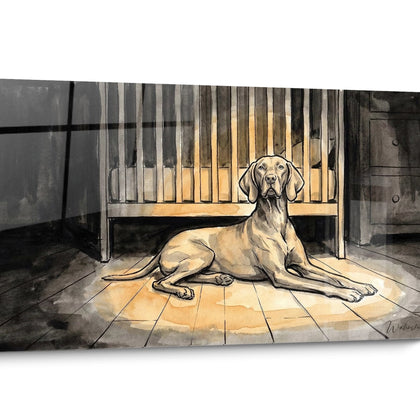
The Painting Vizsla dog Hunt celebrates the nobility of the Hungarian pointing dog in its natural environment. This exclusive collection captures the hunting instinct of the Vizsla and its legendary grace. Each work reveals the power and elegance of this hunting dog Hungarian through striking artistic compositions. Perfect for dog lovers and animal art enthusiasts, this pictorial universe honors the beauty of the Vizsla in action and transforms your interior into a gallery dedicated to hunting and canine passions.
 Hunting Dog in Motion Through Golden Wheat Fields - Wild Run - Vizsla Edition242,90 €
 Hunting Dog in Golden Prairie Wall Art - Wild Instinct - Vizsla Edition228,90 €
 Vizsla and Quail in Flight Canvas - Dynamic Hunting Scene - Vizsla Edition273,90 €
 Red Dog in Point Position - Elegant Portrait - Vizsla Edition228,90 €
 Red Dog in Tall Grass with White Feathers - Autumn Hunting Scene - Vizsla Edition273,90 €
 Hunting Dog Retrieving Pheasant in Wetlands - Hunting Scene - Vizsla Edition273,90 €
Explore further
In Vizsla Hunting Dog Canvas Art


All about Vizsla Hunting Dog Canvas Art
- Presentation Wall Art Vizsla Dog Hunt
- Decor for Hunting Spaces
- Hunting Lodge Atmosphere
- Collection for Enthusiasts
The Vizsla dog hunting wall art depicts one of the most esteemed helpers of the feathered game hunter. This monumental wall representation immortalizes the Hungarian pointing dog in its natural element, capturing the intensity of its gaze, the tension of its stop, and the elegance of its silhouette in the heart of the action. Designed to enhance the interiors of lovers of hunting traditions, this large-scale decor transforms a dining room, office, or living room into a true sanctuary dedicated to the art of hunting with pointing dogs. Every detail evokes the millennial alliance between man and this companion with exceptional abilities for the quest and retrieval of game.
Highlight the World of Pointing Dogs in Your Wall Decor
The Vizsla dog hunting wall art naturally fits into spaces dedicated to hunting traditions. This monumental decor meets the expectations of Vizsla owners, hunters, or collectors of thematic pieces related to bird hunting and shooting. Its imposing format allows you to appreciate every nuance of the characteristic golden coat, as well as the athletic musculature developed by hours spent in fields and coverts.
What Vizsla representation to choose for a hunter's interior?
The most sought-after compositions depict the Hungarian pointing dog in full hunting action, nose to the wind, or frozen in a static stop in front of a covey of partridges. These scenes translate the essence of modern hunting with pointing dogs. A golden Vizsla dog wall art capturing the precise moment when the dog's nose detects the scent of game is a particularly prized choice for connoisseurs. The characteristic posture, tail wagging and foreleg raised, tells a story of centuries of genetic selection oriented towards performance.
Harmonize the decor with existing hunting equipment
In a space designed for hunting enthusiasts, this wall art naturally dialogues with authentic elements: wall cartridge belts, displayed shotguns, working collars hung up, or photographs of the season. The Vizsla depicted becomes the focal point of a coherent visual narrative. The warm tones of its red robe harmonize with the solid oak furniture, patinated leathers, and earthy-colored textiles typical of refined rural interiors.
Highlight the specific working qualities of the Vizsla
The Vizsla is distinguished by its exceptional versatility: pointing dog for birds, retriever of fur and feathers, and an enduring swimmer. A large-scale visual allows you to suggest these multiple facets, especially if the composition integrates contextual elements such as reeds in a marsh, stubble in a plowed field, or undergrowth in a drive. These environmental details transform the simple canine representation into a true hunting scene, evoking the memorable outings experienced by the owners of these exceptional dogs.
Create a Contemporary Hunting Lodge Atmosphere
The Vizsla dog hunting wall art immediately establishes the desired atmosphere in second homes, hunting lodges, or themed rooms. This type of monumental wall decor goes beyond simple ornamentation to become an identity marker of a lifestyle attached to hunting traditions. Generous dimensions allow for visual immersion that transports the observer to the heart of hunting territories, where the Vizsla excels in the methodical search for birds.
How to integrate this visual into a rural-themed living room?
Installing above a stone fireplace or facing a leather sofa ensemble creates a remarkable architectural balance. The Hungarian pointing dog then becomes the symbolic guardian of the home, recalling hunting returns by the fireside. The chromatic nuances of the fawn coat warm under indirect lighting, creating a living presence that evolves throughout the day. This visual dynamic reinforces the authenticity of the entire decorative ensemble.
Thematic associations with other hunting elements
The presence of such a visual is enriched when it dialogues with objects related to hunting practice: antique training whistles, competition medals on a shelf, specialized books on pointing breeds. These additions create a coherent staging that tells the story of a passion passed down from generation to generation. The Vizsla, an emblematic breed of Hungarian nobility, brings an aristocratic dimension to the ensemble, evoking the grand hunts organized in the estates of Central Europe.
Highlighting the historical heritage of the Hungarian bracco
Originally from the Hungarian plains where it accompanied falconers and hunters in ferreting, the Vizsla has a genetic heritage shaped by centuries of rigorous selection. A painting capturing this innate nobility becomes a visual testimony of a preserved lineage. Connoisseurs particularly appreciate representations that emphasize the breed's morphological standards: dry and aristocratic head, silky ears, expressive amber gaze. These details transform the wall decor into a technical as well as aesthetic reference, a support for discussions between enthusiasts during gatherings of hunters.
Create a Thematic Collection Around the Hunting Vizsla
For Vizsla owners or collectors specializing in hunting iconography, the Vizsla hunting dog painting represents a strategic acquisition. This centerpiece visually anchors a collection dedicated to continental pointing dogs, creating a coherent thematic axis around Hungarian hunting traditions. The monumental dimension gives the space a strong identity, recognizable at first glance.
Why choose a representation of a Vizsla at work rather than at rest?
Dynamic scenes capturing the dog in full hunting action resonate more with the experience of master dog handlers. A Vizsla in a firm point, body tense towards the scent of game, perfectly embodies the hundreds of hours of training necessary to achieve this performance. This representation values the sporting and technical aspects of modern hunting, far from simple companionship. It testifies to respect for the working animal, an indispensable partner in sustainable and selective hunting.
Complementarity with other pointing breeds in a thematic gallery
From a perspective of an extended collection, associating the Vizsla with other continental pointers (Weimaraner, Brittany Spaniel, Pointer) creates an educational visual fresco. Each breed brings its own morphological and behavioral characteristics, allowing for enriching visual comparisons. The Vizsla stands out for its unicoloured golden coat, absent in other pointers, creating a natural chromatic contrast in the wall alignment. This museum approach is particularly appealing to professional breeders or breed clubs wishing to decorate their premises.
Specific visual elements sought by buyers
Experienced collectors prefer compositions depicting the Vizsla in its preferred environment: cereal plains, wetlands, light woodlands. These contexts reinforce the authenticity of the scene and allow appreciation of the breed's adaptability to varied terrains. The representation of traditional game (partridge, snipe, pheasant) adds a narrative dimension that enriches the reading of the artwork. These contextual details transform a simple canine portrait into a true document on contemporary hunting practices.
FAQ - Frequently Asked Questions about the Vizsla hunting dog painting
What location is best for a large-scale Vizsla hunting dog painting?
Spaces such as the dining room, office, or main living room offer the necessary visibility for an imposing format. A height allowing the dog's gaze to meet that of the standing observer creates a striking sense of presence, reinforcing the emotional impact of the decor.
Is this type of decor suitable for Vizsla owners who do not hunt?
Absolutely. Even without active hunting practice, owners appreciate these representations that celebrate their companion's natural abilities. The painting becomes a visual tribute to the breed's ancestral qualities, regardless of their actual use, valuing the preserved genetic heritage.
How to combine a Vizsla hunting dog painting with a modern interior?
The contrast between the traditional theme and contemporary architecture creates an interesting visual tension. The minimalism of modern lines highlights the chromatic richness of the golden coat, while the hunting subject brings warmth and narrative to spaces that are sometimes too pure, establishing a bridge between heritage and modernity.
Further reading
Our articles on this topic
- Vizsla painting for a sporty teen's bedroom: capturing energy and movement
- Large Panoramic Vizsla Painting: Which Dimensions to Choose for Your Living Room?
- Gift idea bloodhound painting for a tracking dog enthusiast
- Original gift for Vizsla lovers: personalize a painting based on their story with their dog
- Vizsla painting in Scandinavian style for a bright entrance: the guide
- Vizsla Dog Painting: Composition Rules for a Minimalist Decor
L'art qui suscite l'envie
Maison belge d'art mural grand format
14 jourspour changer d'avis*
Protection Walenskyincluse
Fabriquéen Italie
FormatXXL
Kit de fixationtoujours fourni
* Hors tableaux personnalisés et tailles personnalisées


