


Vintage Ski Wall Art
The Vintage Ski Painting captures the authentic essence of yesteryear's winter sports. This collection celebrates the nostalgic atmosphere of legendary alpine resorts, with compositions reminiscent of retro ski posters from the golden years. Perfect for mountain and history enthusiasts, it evokes snowy slopes, iconic cable cars, and the elegance of vintage winter sports. Transform your interior into a chic alpine retreat where retro charm meets the passion for skiing.
 Vintage Ski Wall Art - Snow Heritage - Ski Edition273,90 €
 Skier in Descent Painting - Blue Powder - Ski Edition228,90 €
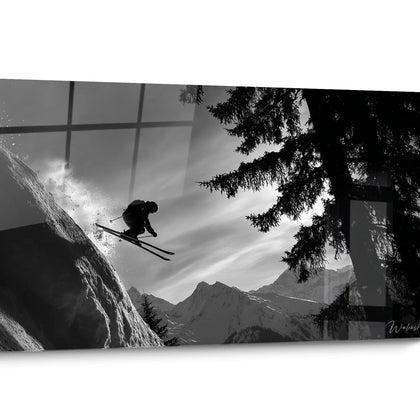
 Skier Painting Mountain - Spectacular Jump - Sports Black and White Edition273,90 €


All about Vintage Ski Wall Art
- Presentation Painting Ski Vintage
- Retro Ambiance & Decoration
- Authenticity of Alpine Resorts
- Ski Culture & Heritage
The painting vintage ski embodies the golden age of winter sports, an era when alpine resorts competed in elegance and graphic creativity to attract skiing enthusiasts. These reproductions of vintage posters capture the advertising aesthetics of the 1950s to 1980s, a prosperous period when hand-drawn illustrations dominated mountain tourism communication. Unlike contemporary compositions such as abstract ski painting, these vintage creations favor nostalgic figuration and the retro graphic codes of yesteryear's promotional campaigns. Each visual evokes the lifts of the time, the colorful skiers' outfits, and that particular atmosphere of winter vacations from long ago.
Retro Aesthetics at the Service of Your Mountain Decor
The painting ski vintage transforms your space into a true sanctuary of alpine culture from yesteryear. These graphic representations are directly inspired by the advertising posters that once adorned railway stations and travel agencies, inviting you to escape to the mountains. Sepia tones, primary color blocks, and the characteristic typography of the 1960s-1970s give an unparalleled visual authenticity.
Why choose a decoration inspired by historic resorts?
Mountain chalets, urban apartments for skiing enthusiasts, and professional spaces related to alpine tourism find in these retro visuals a natural decorative coherence. Vintage imagery evokes the gondola lifts in red cabins, groomed slopes under a generous sun, and the carefree spirit of winter vacations from a bygone era. These large-format compositions immediately capture attention with their saturated color palette and expressive illustrations.
How to integrate the spirit of the golden years of skiing into a contemporary interior?
Combining a vintage ski painting with Scandinavian furniture creates a harmonious contrast between pure modernity and graphic nostalgia. Light woods, natural textiles, and minimalist lighting enhance the visual richness of these reproductions from the past. For commercial spaces dedicated to winter sports - specialty stores, mountain bars, mountain hotels - these visuals reinforce the thematic identity while recalling the glorious history of ski areas.
The impact of old advertising graphic codes
Manual illustration techniques, dynamic framing, and evocative slogans from yesteryear's tourist campaigns constitute a visually immediately recognizable language. These graphic elements - stylized skiers in full descent, simplified mountain panoramas, logos of legendary resorts - generate a particular emotion among multigenerational skiing enthusiasts. The large format dimension of these paintings amplifies their evocative power, transforming an ordinary wall into a temporal window to the glorious era of recreational skiing.
Mythical Resorts Immortalized by Advertising Art
The painting ski vintage celebrates the emblematic alpine destinations that have shaped the history of European winter sports. Courchevel, Megève, Chamonix, Val d'Isère, or Saint-Moritz have generated an extraordinarily rich advertising iconography, documenting the architectural and social evolution of mountain villages transformed into skiing capitals. These reproductions capture the particular atmosphere of each ski area at its peak.
Which alpine resorts have marked the vintage ski imagery?
Promotional posters of the French, Swiss, and Austrian Alps constitute an exceptional graphic heritage. Each resort developed its distinctive visual identity: glamorous illustrations for upscale destinations, family compositions for holiday villages, and sporty visuals for technically renowned areas. This stylistic diversity now allows you to select a wall art piece that precisely corresponds to your personal memories or decorative aspirations.
The evolution of equipment and their graphic representation
Arch-towed ski lifts, early detachable chairlifts, tracked snow groomers, and even rack railways feature in these nostalgic compositions. This documentary dimension adds a historical depth appreciated by collectors and lovers of mountain heritage. Clothing - colorful, form-fitting suits, oversized panoramic sunglasses, and pom-pom hats - also testify to the successive fashions that have crossed the decades of recreational skiing.
How do these visuals reinforce attachment to mountain destinations?
For owners of alpine second homes or regulars at a particular resort, a vintage ski painting representing their favorite vacation spot creates a powerful emotional connection. These reproductions act as memory triggers, reviving the sensations of first descents, hot chocolates on a sunny terrace, and moments shared with family on snowy slopes. The imposing scale of these wall compositions transforms this nostalgic feeling into a permanent decorative presence, celebrating the passion for mountains every day.
Cultural Heritage and Valorization of Alpine Heritage
The vintage ski painting transcends its simple decorative function to become a witness to a pivotal era in the development of mountain tourism. Between the democratization of winter sports and the preservation of a certain alpine lifestyle, these visuals document the sociological transformations that accompanied the rise of mass skiing. They capture this transitional period where elegance still coexisted with the increasing accessibility of ski areas.
Why does old advertising imagery fascinate younger generations so much?
The graphic simplicity, communicative optimism, and perceived authenticity of these retro visuals strongly contrast with contemporary digital saturation. Young skiers discover through these reproductions a romantic dimension of the mountains, less commercial than current marketing campaigns. This generational rediscovery explains the renewed success of vintage aesthetics in the urban interiors of snow sports enthusiasts who did not directly experience this era.
The architecture of chalets and its visual evolution
The architectural representations present in these compositions - traditional wooden and stone chalets, early modernist altitude residences, and characteristic hotel infrastructures - constitute a valuable documentation. For architects, decorators, and enthusiasts of mountain built heritage, these wall art pieces offer stylistic references that can be exploited in contemporary projects respectful of alpine identity. The generous proportions of these visuals allow appreciation of architectural details often neglected in standard formats.
How do these works contribute to the transmission of mountain culture?
In educational spaces related to winter sports - ski schools, alpine museums, training centers - the vintage ski wall art serves a pedagogical function. It materializes the recent history of sports disciplines constantly evolving technically and culturally. Ski clubs, mountain associations, and local authorities use these reproductions to enhance their tourist heritage and strengthen the territorial identity of alpine valleys in the face of global standardization.
Which vintage ski wall art suits lovers of retro-chic decor?
Prioritize reproductions of French resort posters from the 1960s-1970s, a period when manual illustration reached its creative peak. Compositions with vibrant colors and bold framing blend perfectly into vintage or contemporary eclectic interiors.
How does a vintage ski wall art combine with other mountain decorative elements?
These retro visuals naturally dialogue with authentic objects - vintage skis, period equipment, black and white photographs - creating a coherent staging. However, avoid thematic overload by balancing nostalgic references with refined contemporary elements.
Why invest in a large format for this type of visual?
Original advertising posters were designed to be seen from afar in public spaces. Reproducing these compositions in imposing dimensions respects their initial function while maximizing their decorative impact, particularly in the generous volumes of mountain residences or urban lofts.
Further reading
Our articles on this topic
- Vintage Ski Poster: How to Showcase It in Your Interior
- Soft-colored ski painting: a calming mountain touch for a teen's bedroom
- Alsace village painting winter: recreating the Christmas market atmosphere at home
- Retro 1950s ski painting: how to create a successful mountain decor
- Vintage black and white ski painting: the ideal graphic touch for a modern living room
- Which snowboard painting to choose to decorate a mountain chalet
L'art qui suscite l'envie
Maison belge d'art mural grand format
14 jourspour changer d'avis*
Protection Walenskyincluse
Fabriquéen Italie
FormatXXL
Kit de fixationtoujours fourni
* Hors tableaux personnalisés et tailles personnalisées


