


Turkish Van Cat Portrait Wall Art
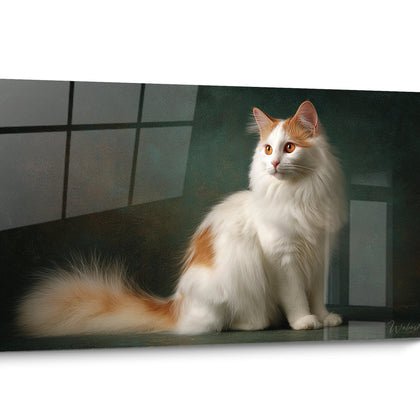
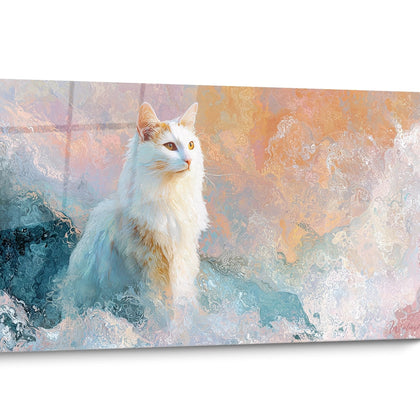
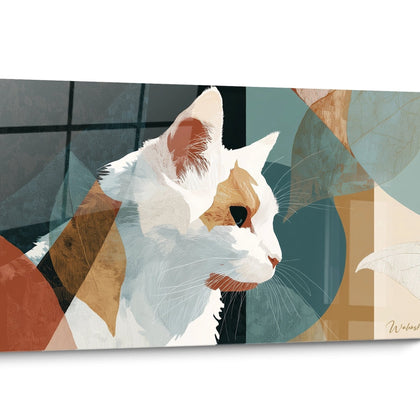
The Painting cat Turkish Van Portrait captures all the nobility of this legendary feline breed. This artistic collection highlights the captivating gaze and natural bearing of the Turkish Van through portraits of Turkish Van cats with carefully crafted compositions. Each creation celebrates the distinctive traits of this elegant feline: its immaculate coat and fascinating expression. Perfect for cat art decoration lovers, this universe transforms your spaces into a gallery dedicated to the majestic beauty of the Turkish Van cat.
 Majestic Turkish Van Cat - Luminous Portrait - Turkish Van Cat Edition273,90 €
 Majestic Turkish Van Cat Painting - Aristocratic Portrait - Turkish Van Cat Edition273,90 €
 Turkish Van Cat Painting Wall Art - Artistic Feline Portrait - Turkish Van Cat Edition273,90 €
 Majestic Turkish Van Cat Painting - Artistic Portrait - Turkish Van Cat Edition273,90 €
 Turkish Van Cat with Golden Eyes Painting - Majestic Portrait - Turkish Van Cat Edition273,90 €
 Turkish Van Cat Painting Elegant - Feline Grace - Turkish Van Cat Edition228,90 €
 Turkish Van Cat Portrait Painting - Amber Gaze - Turkish Van Cat Edition228,90 €
Explore further
In Turkish Van Cat Portrait Wall Art
All about Turkish Van Cat Portrait Wall Art
- Turkish Van Cat Portrait Painting Presentation
- Feline Expression and Captivating Gaze
- Large Format Turkish Breed Enhancement
- Visual Choices for Feline Portraits
The Turkish Van Cat Portrait painting constitutes a visual celebration of one of the most fascinating and underappreciated feline breeds in the animal world. This large-scale decorative artwork captures the distinctive elegance of the Turkish Van, a breed originating from the Lake Van region in eastern Turkey, renowned for its immaculate white coat marked with colorful touches on the head and tail. Wall portraits of this particular breed offer a remarkable visual presence that instantly transforms the ambiance of a living space into a gallery dedicated to ancestral feline beauty.
The Intensity of Gaze and Expressive Power of Turkish Van in Wall Portrait
The Turkish Van Cat Portrait painting distinguishes itself through the exceptional capture of the characteristic gaze of this breed, often marked by a fascinating heterochromia where each eye displays a different color - a glacier blue on one side, a golden amber on the other. This genetic particularity unique to the Turkish Van creates a visual asymmetry that transforms each portrait into a silent conversation with the observer, a magnetic presence impossible to ignore in a contemporary living room or personal library.
How Does the Portrait Capture the Distinctive Morphology of the Turkish Van?
High-quality wall representations accentuate the slightly triangular cranial structure peculiar to this breed, with its prominent cheekbones and moderately long muzzle that confer an almost royal nobility. The large-scale vertical portrait format allows for valorizing this unique facial architecture, unlike horizontal compositions that disperse attention. The medium to large ears, slightly tilted outward, constitute essential breed markers that artists specialized in feline representations take care to slightly exaggerate to reinforce visual identity.
The Semi-Long Coat Texture in Wall Representations
The characteristic coat of the Turkish Van presents a cashmere-like texture without dense undercoat, creating subtle play of light that superior quality portraits reproduce with sophistication. For those seeking other artistic interpretations of this magnificent breed, the Turkish Van Cat Watercolor Painting collection offers renderings where the nuances of cream white and auburn markings of the head are captured with remarkable chromatic fluidity.
Behavioral Expression Translated into Fixed Image
The Turkish Van possesses a playful and vocal temperament that the best feline portraitists manage to suggest even in a static composition. A slight eye squint, a specific ear orientation, or an imperceptibly tilted head posture suffice to communicate this characteristic liveliness. These micro-expressions transform a simple decorative portrait into a psychological window toward the complex personality of this rare breed in Western Europe.
Decorative Impact of Large Dimensions in Breed-Specific Portraits
A generous-sized Turkish Van Cat Portrait painting radically transforms the spatial perception of a room by creating a dominant focal point that organizes the entire visual circulation. Unlike generic feline representations, the portrait of a breed as distinctive as the Turkish Van particularly benefits from monumental dimensions that allow appreciation of every morphological detail - from translucent whiskers to subtle chromatic variations of the nacre-pink muzzle.
Why Favor Portrait Format for This Particular Breed?
Vertical orientation naturally emphasizes the haughty elegance of the Turkish Van, a breed known for its proud posture and aristocratic head carriage. Large-scale wall compositions in portrait format create a sensation of almost living presence, as if the animal were actually observing the room's occupants. This verticality is particularly suited to spaces with high ceilings where horizontal works seem crushed or lost in the surrounding architecture.
The Valorization of Specific Breed Markings
The unique color pattern of the Turkish Van - technically called "van pattern" - is characterized by an immaculate white body with colored marks limited to the head and tail. This asymmetrical distribution of colors creates a naturally balanced composition in portrait, where the auburn or cream touches of the head constitute the main chromatic center of interest. Generous formats allow playing on the dramatic contrast between vast areas of pure white and pigmented concentrations, creating visual dynamism that smaller dimensions cannot reproduce.
Integration into Minimalist Contemporary Interiors
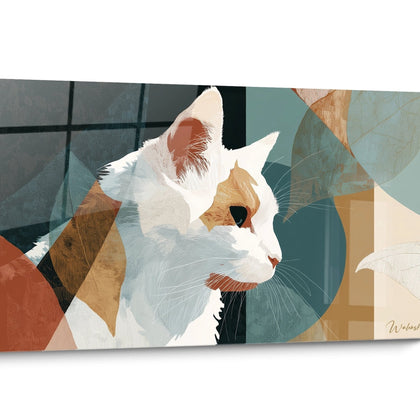
Enthusiasts of Scandinavian or Japanese minimalist aesthetics find in the Turkish Van portrait an artwork that respects their decorative principles - dominance of white, limited but impactful color touches, refined composition. For those preferring more stylized interpretations, the Turkish Van Cat Geometric Painting collection offers versions where angular shapes and color blocks transform the feline physiognomy into sophisticated abstract composition.
Selection and Excellence Criteria for Turkish Van Feline Portraits
Acquiring a Turkish Van Cat Portrait painting requires particular attention to morphological fidelity that distinguishes authentic artistic representations from generic white cat interpretations. Connoisseurs of this rare breed seek artworks where body proportions respect official standards - long muscular body, medium-length legs with tufted paws, bushy tail proportionally long relative to the body.
How to Identify an Authentic Turkish Van Representation?
Authenticity markers include precise reproduction of the "van mask" - these colored marks on the crown of the head that never descend below the eye line - and the presence of the colored tail with darker rings. Museum-quality portraits also capture the developed shoulder musculature, a characteristic of a breed that ranks among the rare domestic felines actually enjoying water and swimming. This unique behavioral particularity can be suggested visually through compositions where the animal appears in dynamic movement rather than static.
Harmonization with Existing Decorative Collections
Feline art collectors often organize their acquisitions by stylistic themes. A photorealistic portrait of the Turkish Van naturally integrates into a wall gallery devoted to rare breeds, while more contemporary interpretations will dialogue with abstract works. For maximum coherence, exploring the entire Turkish Van Cat collection allows discovering various artistic approaches to the same breed, facilitating the creation of a harmonious decorative ensemble that tells a complete visual story.
The Importance of Eye Rendering in Feline Portraits
The odd-eyed Turkish Van's heterochromatic gaze constitutes the most recognizable and valuable element of this breed. Exception-quality portraits accord obsessive attention to reproducing light reflections in the iris, color saturation variations between the center and periphery of the eye, and the slightly oval shape characteristic of the breed. A poorly executed gaze transforms a potentially exceptional portrait into simple generic decoration, which is why informed enthusiasts systematically examine this area before any purchase.
Optimal Display Contexts for Large Dimensions
Monumental feline portrait formats require sufficient viewing distance for optimal appreciation - generally 1.5 to 2 times the diagonal of the artwork. Spaces such as open living rooms, generous entrance halls, or staircases with spacious landings constitute ideal locations. For interiors with pronounced architectural lines, the Turkish Van Cat Modern Painting versions offer compositions where geometric backgrounds and bold color palettes create stimulating visual dialogues with contemporary architecture.
Is a Turkish Van Cat Portrait Painting Suitable for Professional Veterinary Spaces?
Absolutely, veterinary clinics specializing in felines and rare breed breeders frequently use these educational portraits to illustrate breed standards to their clientele, while creating a warm and professional atmosphere that demonstrates their specific expertise.
What Surrounding Color Palette Valorizes a Turkish Van Cat Portrait Painting?
Muted neutral tones - dove gray, linen beige, light taupe - create the perfect setting that allows the auburn or reddish markings of the head to stand out dramatically, while pure white walls risk creating visual fusion with the predominantly white coat of the Turkish Van.
Does the Turkish Van Cat Portrait Painting Represent a Durable Decorative Investment?
As this breed progressively gains international recognition, high-quality artistic representations constitute enduring decorative pieces that do not follow fleeting trends, offering stable aesthetic value appreciated by enthusiasts of rare felines and collectors of specialized animal art.


