


Turkish Angora Cat Portrait Wall Art
The Painting cat Turkish Angora Portrait celebrates the aristocratic elegance of this exceptional feline breed. Our collection captures the intensity of the gaze, the refinement of the features and the natural grace that characterize this Turkish cat Angora in wall art. Each creation reveals the nobility of this feline with ancestral origins, transforming your space into a gallery dedicated to feline beauty. Ideal for cat lovers and collectors of cat portrait animal art.
 White Turkish Angora Cat Painting - Golden Gaze - Turkish Angora Cat Edition273,90 €
 White Turkish Angora Cat Painting - Elegance with Odd Eyes - Turkish Angora Cat Edition273,90 €
 White Turkish Angora Cat Painting - Contemplative Elegance - Turkish Angora Cat Edition273,90 €
 White Turkish Angora Cat Painting - Ethereal Elegance - Turkish Angora Cat Edition273,90 €
 Turkish Angora Cat Painting Majestic - Oriental Grace - Turkish Angora Cat Edition273,90 €
 White Turkish Angora Cat Painting - Feline Elegance - Turkish Angora Cat Edition273,90 €
 Turkish Angora Cat Portrait Painting - Oriental Majesty - Turkish Angora Cat Edition273,90 €
 White Turkish Angora Cat Painting with Blue Eyes - Contemplative Gaze - Turkish Angora Cat Edition273,90 €
 White Cat with Golden Eyes Portrait Painting - Mysterious Gaze - Turkish Angora Cat Edition273,90 €
 Turkish Angora Cat Sitting Painting - Feline Elegance - Turkish Angora Cat Edition228,90 €
 Turkish Angora Cat Artistic Portrait Wall Art - Luminous Elegance - Turkish Angora Cat Edition228,90 €
 Turkish Angora White Cat Wall Art - Amber Gaze - Turkish Angora Cat Edition228,90 €
Explore further
In Turkish Angora Cat Portrait Wall Art
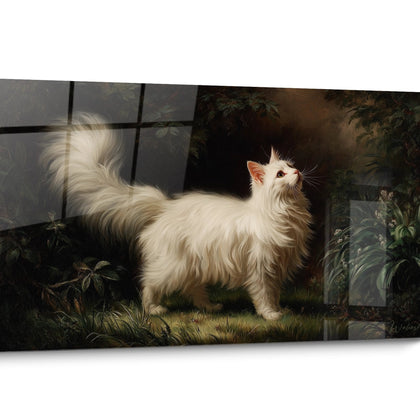
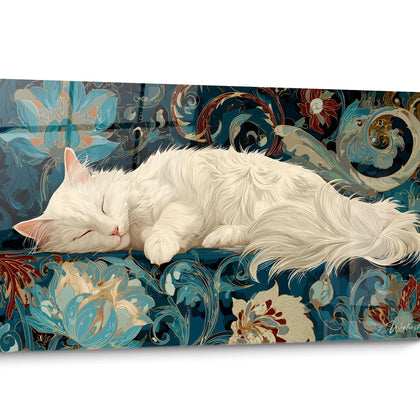
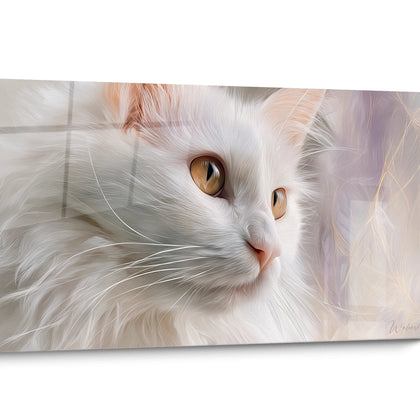
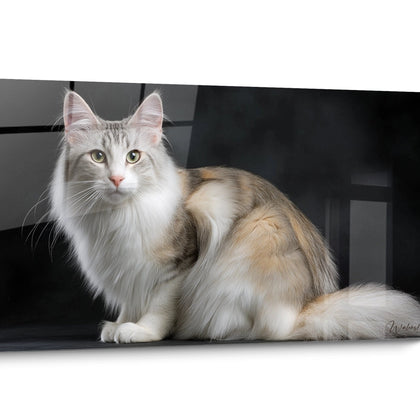
All about Turkish Angora Cat Portrait Wall Art
- Portrait Presentation Turkish Angora
- Capturing the Feline Expression
- Morphology and Aesthetics
- Decorative Enhancement
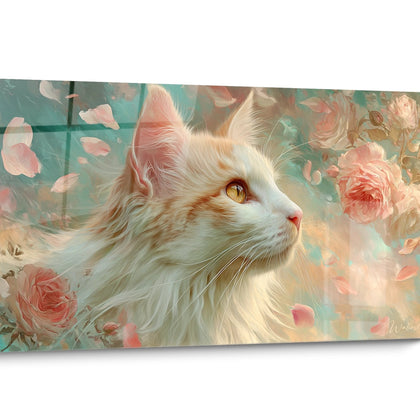
The painting cat Turkish Angora portrait sublimates the nobility and elegance of this exceptional feline breed through an imposing visual representation. This large-scale mural captures the intensity of the gaze, the delicacy of the features, and the characteristic expression of the Turkish Angora in a composition centered on the head and bust. Every morphological detail - from the pointed triangular ears to the delicate bone structure of the muzzle - is highlighted to celebrate the uniqueness of this ancestral breed. The portrait format allows for an immediate emotional connection with the animal, transforming your space into a gallery dedicated to the feline aristocracy of the Orient.
The Magnetic Gaze of the Turkish Angora in Monumental Portrait
The intensity of the gaze constitutes the central element of a successful Turkish Angora cat portrait painting. The almond-shaped eyes of this breed, often heterochromatic or of a deep crystalline blue, create a magnetic presence in large living spaces. Unlike full-body representations, the close-up portrait format accentuates the psychological depth of the animal, establishing a permanent visual dialogue with the occupants of the room.
How does the frontality of the portrait transform the perception of space?
The frontal composition typical of the Turkish Angora cat portrait painting in large format generates a quasi-real presence effect. This frontality creates a direct line of sight that literally traverses the space, particularly effective in narrow corridors, majestic entrances, or facing a sofa. The illusion of depth generated by the play of dilated pupils and the facial symmetry characteristic of the breed transforms a flat wall into a three-dimensional window.
Facial Expression as a Decorative Signature
The micro-expressions captured in a Turkish Angora portrait - slight mustache curl, subtle ear position, almost imperceptible head tilt - give each work a unique personality. These nuances transform wall decor into a true visual companion, evolving according to the natural lighting of the day. For lovers of refined decoration, exploring other compositions such as the cat Turkish Angora floral painting allows you to create aesthetic dialogues between different styles of representation.
Chromatic Variations of White Fur in Close-Up
The immaculate fur of the Turkish Angora reveals subtleties in color in portrait that are invisible in full-body photos. The ivory, pearl, and silver reflections create a sophisticated monochrome palette that integrates into Scandinavian minimalist interiors as well as maximalist atmospheres. The apparent silky texture, accentuated by the close framing, brings a precious visual softness to spaces with rigid architectural lines.
Distinctive Anatomy and Portrait Composition of the Turkish Angora
The specific morphology of the Turkish Angora imposes particular compositional choices for a large-scale Turkish Angora cat portrait painting. The characteristic wedge-shaped head, with perfectly triangular proportions, creates a natural geometry that harmoniously dialogues with contemporary architecture. The disproportionate ears positioned high on the skull form points that direct the gaze upwards, visually expanding spaces with low ceilings.
Why does the fine bone structure influence the decorative impact?
Unlike brachycephalic breeds, the Turkish Angora presents an elongated profile and delicate facial bones that create a linear elegance. In monumental portrait format, this structural refinement contrasts beautifully with exposed concrete walls, brickwork, or textured finishes. The visual lightness of the feline skeleton brings a welcome breath of fresh air to heavy industrial interiors, without ever appearing fragile thanks to the imposing dimensions of the representation.
The characteristic ruff as a compositional element
The Turkish Angora’s natural ruff, particularly abundant at the chest, offers an organic framing element in bust portraits. This natural textile density creates a voluminous base that visually stabilizes the composition, preventing the head from appearing disproportionate despite the tight framing. For more ornamental atmospheres, the painting Turkish Angora oriental cat exploits these volumes in richer color contexts.
The morphological contrast with other feline representations
The athletic and slender proportions of the Turkish Angora in portrait mode radically distinguish it from representations of Persians or British Shorthairs. This morphological differentiation allows targeting specific decorative aesthetics: minimalist zen spaces, personal art galleries, design libraries where the slender silhouette dialogues with the verticals of the shelves. The tapered muzzle and slightly oblique eyes create a subtle asymmetrical dynamism that animates overly static symmetrical compositions.
Decorative Integration Strategies for Monumental Feline Portrait
Installing a Turkish Angora cat portrait in a large format requires specific spatial reflection regarding the work's frontal and engaging nature. Unlike landscapes or abstractions that work in peripheral vision, a feline portrait requires a clear axis of visibility to fully deploy its emotional potential. Preferred locations include walls facing main seating areas, partitions separating open spaces, or architectural niches that create a museum-like effect.
What color environments enhance the immaculate white coat?
Dark wall backgrounds - anthracite gray, deep navy blue, forest green - create a dramatic contrast with the whiteness of the Turkish Angora’s coat, literally making the portrait stand out from its background. Conversely, off-white or cream walls generate a sophisticated tone-on-tone harmony where only the colored eyes and anatomical details emerge, creating a subtle relief effect appreciated in minimalist galleries. For nostalgic atmospheres, the vintage Turkish Angora cat painting offers patinated tones that dialogue differently with colored environments.
Managing gaze lines in spatial design
The direct gaze typical of Turkish Angora portraits creates a strong psychological interaction that must be consciously integrated into the layout. Positioning the painting facing a passageway generates a welcoming presence, while placing it facing the bed or desk establishes a permanent visual companionship. Discerning collectors create dialogues between portraits by arranging several works of different breeds, where the Turkish Angora brings its note of oriental refinement.
Decorative associations and stylistic complements
The Turkish Angora cat painting portrait naturally integrates into wall compositions mixing animal photography and botanical elements. Fine foliage plants - ferns, asparagus, papyrus - create visual echoes with the lightness of the fur, while architectural plants such as monstera or ficus lyrata reinforce the geometric lines of the wedge-shaped head. Lovers of expressive gazes will also appreciate the Turkish Angora cat painting golden eyes to create chromatic variations while maintaining the intensity of the visual contact.
Perceptual evolution according to lighting conditions
A large Turkish Angora cat painting portrait reveals different facets depending on the ambient lighting. The slanting natural light of the morning accentuates the reliefs of the fur and the apparent texture, while the directed artificial lighting highlights the brilliance of the eyes and the facial contrasts. This perceptual variability transforms the work into a living and evolving element, justifying its status as a decorative centerpiece rather than a simple wall filler. For an overview of this exceptional breed, the Turkish Angora cat painting collection offers a complete perspective on the aesthetic possibilities.
Is a Turkish Angora cat painting portrait suitable for professional spaces?
Absolutely, the Turkish Angora portrait brings a touch of feline sophistication particularly suited to veterinary clinics, high-end pet stores, specialized grooming salons or offices of feline behavior consultants. The nobility of the breed and the elegance of the portrait format convey professionalism and expertise.
How does a Turkish Angora cat painting portrait influence the atmosphere of a room?
The intense gaze and frontal presence of the portrait create a visual companionship atmosphere that soothes solitary living spaces while stimulating conversation in social areas. The psychological effect differs fundamentally from landscapes or abstractions: it establishes an emotional presence rather than a simple decoration.
Can a Turkish Angora cat painting portrait be integrated into an eclectic decor?
The timeless character of the Turkish Angora and the chromatic neutrality of its white fur allow for harmonious integration into practically all decorative styles. The portrait acts as an elegant visual anchor around which bohemian, Scandinavian, oriental or contemporary elements can gravitate without creating stylistic dissonance.
Further reading
Our articles on this topic
- Where to hang a Turkish Angora cat painting in a Parisian apartment?
- Gift idea: Turkish Angora cat painting for a memorable birthday
- Custom American Curl Cat Portrait: The Gift That Showcases Its Unique Ears
- Turkish Angora cat watercolor painting: which model to choose based on your room and style
- Angora or Persian cat painting: how to recognize them in a wall artwork
- How to Choose a Turkish Angora Cat Painting for a Cozy Bedroom
L'art qui suscite l'envie
Maison belge d'art mural grand format
14 jourspour changer d'avis*
Protection Walenskyincluse
Fabriquéen Italie
FormatXXL
Kit de fixationtoujours fourni
* Hors tableaux personnalisés et tailles personnalisées


