


Trapeze Circus Artwork
The Painting Cirque Trapèze celebrates the fascinating world of aerial acrobats and the poetry of the big top. This collection captures the essence of l'art acrobatique sous chapiteau with vibrant compositions that immortalize the grace of the artists in full performance. Each creation evokes the magic of live performance and l'élégance des trapézistes, bringing dynamism and refinement to your decoration. Ideal for lovers of circus art, this collection transforms your walls into true artistic scenes.
 Trapeze Artist Voltigeur Painting - Freedom's Momentum - Circus Edition242,90 €
 Flying Trapezist Painting - Spark of Freedom - Circus Edition273,90 €
 Trapeze Aerial Painting - Suspended Dreams - Circus Edition242,90 €
Explore further
In Trapeze Circus Artwork


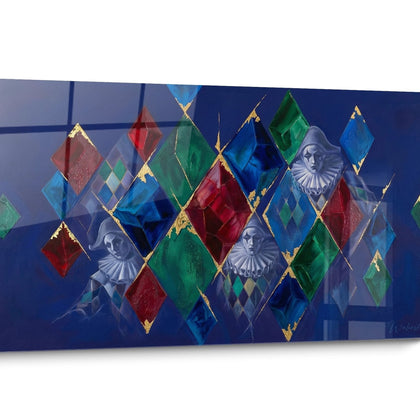
All about Trapeze Circus Artwork
- Presentation Painting Circus Trapezist
- Acrobatic Decoration
- Stage Atmosphere
- Visual Composition
Discover our exclusive collection of circus paintings trapezists that capture the spectacular essence of aerial arts. These large-format creations transform your space by celebrating the suspended grace of acrobats in their most captivating performances. Each wall representation embodies vertiginous elegance and the audacity of aerial numbers, bringing an exceptional theatrical dimension to your interior decoration.
Suspended Elegance at the Heart of Your Decoration
A circus trapezist painting transcends simple artistic representation to become a visual manifesto of the precarious balance between control and release. These works capture the suspended moment when an acrobat defies gravity, offering a dramatic tension that electrifies the atmosphere of your living room or office. The ascending dynamics characteristic of trapezist numbers confer a natural verticality to your layout, guiding the eye upwards and amplifying the perception of available volume.
How to integrate aerial dynamics into a contemporary space?
Installing a trapezist representation in a modern environment requires considering the dominant vertical axis of the composition. The large dimensions of our creations exploit this characteristic by creating an ascending focal point that structures the space around an aerial trajectory. In a loft with high ceilings, this acrobatic representation naturally dialogues with the vertical architecture, while in a standard room, it generates a spectacular illusion of elevation.
The symbolism of suspended movement in residential decoration
Beyond the circus aesthetic, a painting depicting trapezists conveys a life philosophy based on calculated confidence and mastered audacity. For creative professional spaces or entrepreneurs' offices, this aerial iconography becomes a daily reminder of the need to take measured risks. The frozen choreography of bodies in flight inspires mental fluidity and encourages unconventional thinking, particularly relevant in brainstorming or collaboration spaces.
Collectors of abstract circus paintings often appreciate the transition to figurative representations of trapezists, finding in these works a perfect balance between abstraction of movement and immediate recognition of the subject. The acrobatic gesture, even rendered with precision, possesses an inherent abstract quality due to its suspended and transient nature.
The psychological impact of aerial acrobatic representations
Environmental neuroscience demonstrates that images of bodies in levitation activate brain areas linked to the sensation of weightlessness and spatial freedom. A large-format circus trapezist painting in a relaxation area or meditation space amplifies this neurological response, creating a sensation of mental escape particularly beneficial in constrained urban environments. This therapeutic dimension justifies the growing adoption of these representations in high-end wellness spaces.
Capturing the Dramatic Tension of Aerial Arts
What atmosphere do trapezist representations create in an interior?
The installation of a painting circus trapeze immediately establishes a constructive dramatic tension in the environment. Unlike static scenes, the depiction of acrobats in full performance generates a palpable kinetic energy that visually animates the space. This particular dynamic is exceptionally well suited to transitional areas such as slender hallways or stairwells, where the suggested trajectory of the trapeze artist naturally accompanies the movement of the occupants.
In reception areas, these acrobatic compositions function as conversation starters, inviting visitors to share their circus experiences or their reflections on courage and performance. The spectacular nature of the trapeze transforms your wall into a permanent stage, bringing that sought-after theatrical quality to sophisticated interiors without veering into ostentation.
The specific color scheme of the trapeze scenes
Representations of aerial numbers are characterized by a distinctive color palette combining the warm tones of stage spotlights with the dark depths of the big tops. This light duality naturally creates a dramatic contrast that works remarkably well in minimalist interiors requiring a powerful focal point. Subtle metallic reflections evoking the trapeze bars add a sophisticated dimension that resonates with contemporary architectural elements in brushed steel or aluminum.
How do trapeze representations influence spatial perception?
A large-format painting depicting trapeze artists fundamentally alters the perceived geometry of a room. The upward diagonal created by the taut cables and suspended bodies generates a guideline that visually restructures the space along a dynamic oblique axis. This unique geometric property allows for the optical correction of the proportions of a room that is too square by introducing a vector tension that breaks the monotony of right angles.
In spaces with a performative purpose such as home cinemas or private music rooms, the representation of trapeze artists establishes a thematic continuity with the notion of spectacle and virtuoso performance. The technical excellence depicted resonates with the aspiration for acoustic or visual quality in these dedicated environments, creating a subtle but psychologically effective narrative coherence.
Lovers of acrobatic art specifically seek large-format trapeze circus paintings for their ability to visually document a physical feat while maintaining a pure aesthetic dimension. This double reading, documentary and decorative, considerably enriches the daily experience of the artwork, revealing new technical details with each attentive observation.
Visual Architecture of Aerial Performances
The specific visual codes for representing the trapeze
The composition of a trapeze circus painting rests on unique architectural principles dictated by the suspended nature of the discipline. The lines of force created by the cables, the parabolic trajectories of the bodies in motion, and the upper anchor points constitute a specific visual grammar that structures the image according to unconventional axes. This particular aerial geometry creates dynamic negative spaces between the suspended elements, generating a visual breathing space that avoids any feeling of saturation despite the complexity of the action depicted.
Discerning collectors particularly appreciate depictions capturing the precise moment of reception after a release, that instant of communion between two trapezists where trust materializes visually. These compositions embody values of collaboration and synchronization that resonate powerfully in professional spaces valuing teamwork and productive interdependence.
Which environments benefit most from a representation of trapeze?
Spaces characterized by generous ceiling height constitute the ideal setting for a circus trapeze painting, allowing the vertical composition to fully express itself without visual compression. Duplexes, mezzanines, and double-height spaces establish a natural architectural dialogue with the verticality inherent in the trapeze, creating a spatial resonance that amplifies the impact of the artwork. In these configurations, the aerial representation does not merely adorn the wall but seems to physically extend the space upwards.
Dance studios, aerial yoga centers, or spaces dedicated to body disciplines find in these representations a visual inspiration directly connected to their function. The athletic grace captured in the image dialogues with the physical practice of the occupants, creating a consistent motivational environment that transcends simple decoration to become a performance inspiration tool.
The visual narrative of aerial acts
Each trapeze representation tells a micro-story of challenge and resolution, of risk and mastery. This narrative dimension considerably enriches the decorative experience by offering an interpretive depth that evolves with time and the observer's mood. Unlike abstract or static compositions, a trapeze painting inherently contains dramatic tension, a suggested before and after that maintains visual interest over time.
Representations of aerialists in full cascade bring a kinetic energy particularly suited to spaces requiring stimulation and dynamism, such as offices of creative agencies or showrooms requiring an energetic atmosphere. The visual boldness of these compositions symbolically reflects the innovation and calculated risk-taking valued in these demanding professional environments.
Is a circus trapeze painting suitable for bedrooms?
Contrary to popular belief, a trapeze representation with soothing tones can perfectly integrate into a bedroom by evoking lightness and dreamy escape. Compositions that prioritize elegant silhouettes over spectacular action create a contemplative atmosphere conducive to relaxation, transforming acrobatics into suspended ballet.
How to enhance a circus trapeze painting in a classic interior?
Successful integration into a traditional decor relies on the exploitation of controlled contrast. The modernity inherent in the acrobatic subject brings a revitalizing tension against the heritage elements, creating a stimulating temporal dialogue that updates the whole without denying the decorative history of the place. A simple frame allows this harmonious coexistence between thematic boldness and architectural respect.
What viewing distance to prioritize to appreciate a large-format trapeze painting ?
The large dimensions of our trapeze representations ideally require a viewing distance equivalent to 1.5 times the diagonal of the artwork to embrace the composition in its entirety. This distance allows you to simultaneously appreciate the technical details of the acrobatics and the overall dynamics of the scene, optimizing the emotional and aesthetic impact of the suspended representation.
L'art qui suscite l'envie
Maison belge d'art mural grand format
14 jourspour changer d'avis*
Protection Walenskyincluse
Fabriquéen Italie
FormatXXL
Kit de fixationtoujours fourni
* Hors tableaux personnalisés et tailles personnalisées


