



Abstract Circus Wall Art
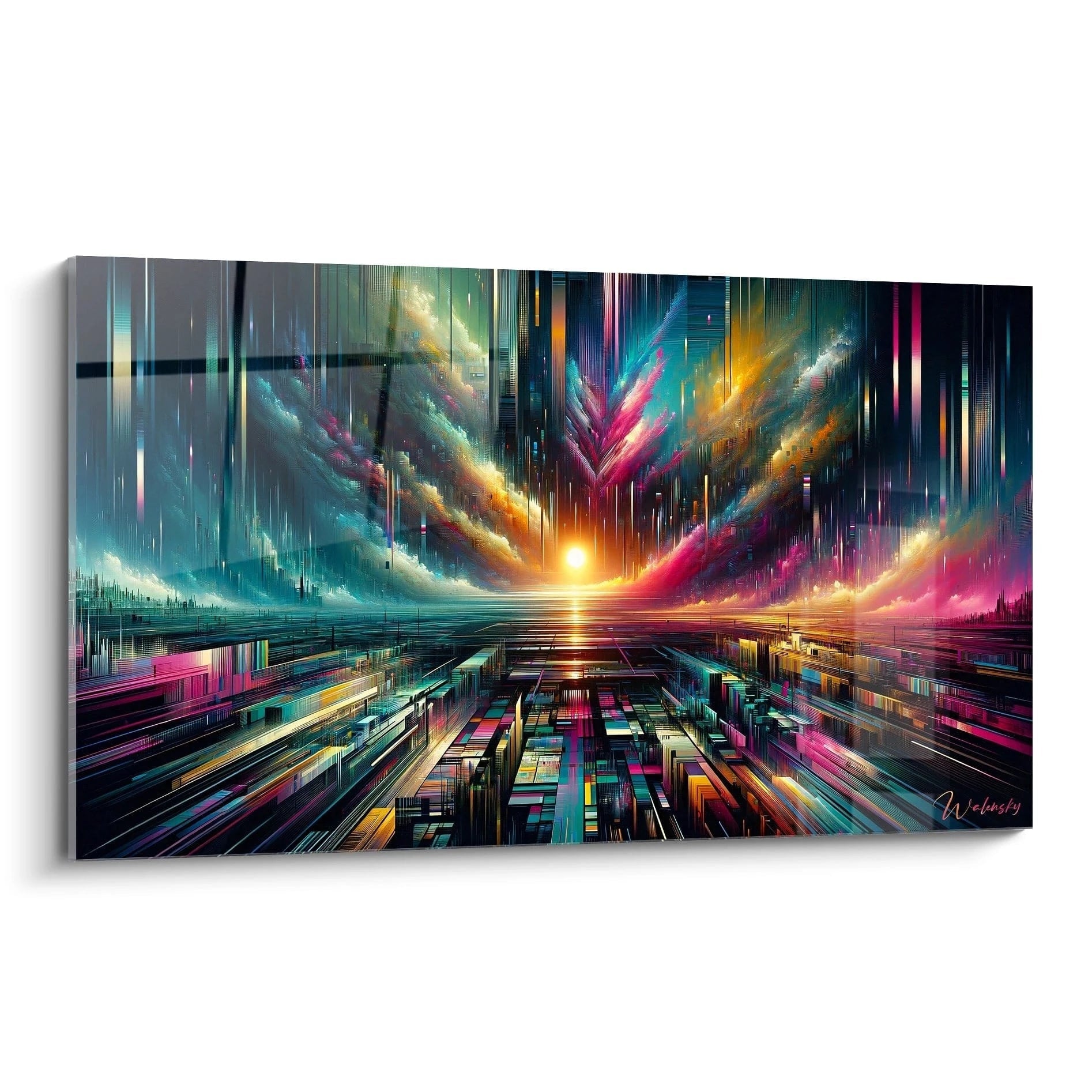
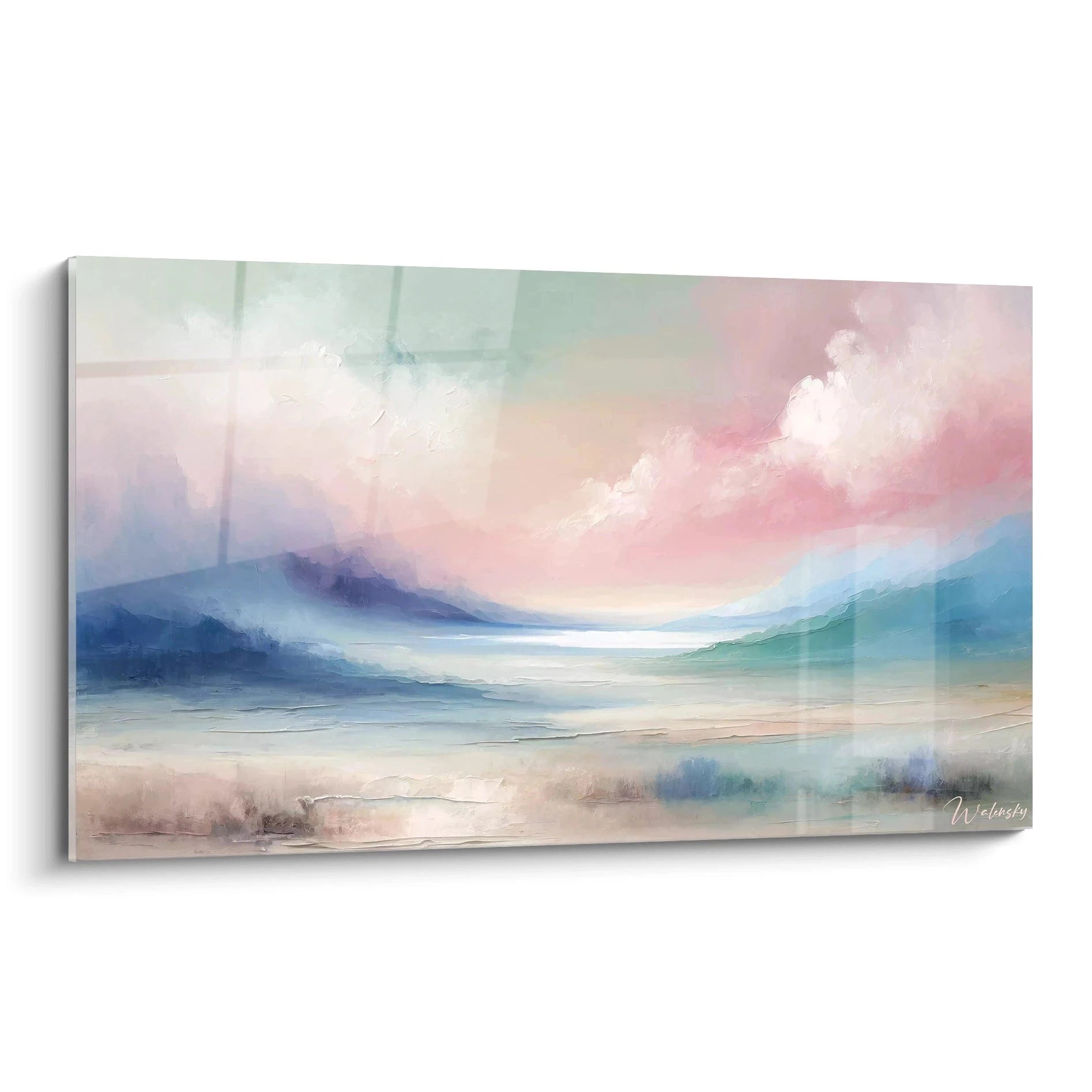
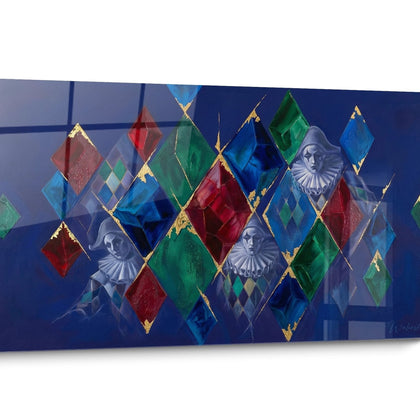
The Abstract Circus painting captures the festive and creative energy of the circus tent through a contemporary artistic prism. Each artwork in this collection transforms the universe of the circus into bold visual compositions, blending dynamic shapes and vibrant palettes. Perfect for lovers of abstract art inspired by the circus, this style brings movement and joy to your interiors. The creations evoke acrobatics, lights and a festive atmosphere in a modern circus wall decor sophisticated.
 Cosmic Spiral Painting - Celestial Whirlwind - Circus Edition273,90 €
 Artistic Flames Painting - Passion Inferno - Circus Edition228,90 €
 Moving Big Top Painting - Canvas Whirlwind - Circus Edition273,90 €
 Multicolor Abstract Painting - Color Symphony - Circus Edition273,90 €
 Abstract Cosmic Painting - Celestial Dance - Circus Edition228,90 €
Explore further
In Abstract Circus Wall Art


All about Abstract Circus Wall Art
- Abstract Circus Wall Art Presentation
- Graphic Universe
- Visual Variations
- Spatial Impact
An abstract circus wall art transcends figurative representation to capture the very essence of the carnival universe through forms, movements, and non-narrative compositions. This artistic approach translates the chaotic energy of big tops, the dynamics of acrobatics, and the surreal atmosphere of performances into deconstructed visual elements that stimulate imagination. These large-scale mural creations radically transform contemporary spaces by inviting the viewer to a personal and emotional interpretation, far from classical codes of circus representation.
Visual Expression of Deconstructed Fairground Universe
The abstract circus wall art is based on graphic deconstruction that translates perpetual movement and the effervescence of carnival arts. Compositions exploit curved lines, ascending spirals, and organic forms evoking the aerial trajectories of trapeze artists without ever directly representing characters. This abstraction allows for sensory interpretation where each observer projects their own vision of the live spectacle.
How do geometric forms convey circus atmosphere?
Contemporary artists use concentric circular structures recalling the central ring, triangles evoking support poles, and undulations suggesting aerial fabrics. This fragmented geometry creates a visual tension characteristic of the precarious balance in acrobatic acts. Overlapping planes generate spatial depth that mimics the vertical architecture of modern big tops.
Movement dynamics captured through abstraction
A large-format abstract circus painting exploits density contrasts to suggest the velocity of rotations and aerial tricks. Dense areas concentrate energy like the apex moments of an act, while refined spaces evoke suspensions between figures. This visual rhythm transforms the wall into a permanent stage where movement remains suggested rather than frozen.
What visual elements evoke the dreamlike circus atmosphere?
Overlapping semi-transparent textures and soft gradients reproduce projector smoke and the saturated atmosphere of night performances. Compositions sometimes integrate repetitive patterns evoking costume sequins or stroboscopic lights, creating a festive ambiance without resorting to literal illustration. To explore more saturated chromatic interpretations, the colorful circus wall art offers a complementary approach focused on pigment vibration.
Key points of abstract visual expression:
- Deconstruction of circus elements into pure geometric forms
- Suggestion of movement through directional lines and curves
- Creation of spatial depth without traditional perspective
- Atmospheric evocation through overlaid textures and transparencies
Stylistic Variations and Contemporary Interpretations
The abstract circus wall art declines according to various artistic schools that reinterpret the carnival universe. The expressionist approach privileges spontaneous gestures and dynamic projections to capture the emotional intensity of performances. Gestural marks and drips evoke the adrenaline of high-risk acts, transforming the composition into a physical trace of circus energy.
Constructivism influence in carnival compositions
Some creations draw inspiration from constructivist principles with rigid angular structures and fragmented planes that deconstruct big top architecture. Intersections of straight lines create structural tension recalling metal frameworks and support cables. This rigorous geometry contrasts with the organic character of live performance, generating unique visual dynamics.
Which color palettes define circus abstraction?
Beyond saturated hues, certain abstract circus paintings adopt monochromatic ranges or black-white contrasts enhanced with metallic touches. These chromatic choices evoke the vintage aesthetic of carnival posters or contemporary new circus aesthetics. Tonal contrasts reinforce form readability at large scale and allow integration into minimalist interiors.
Lyrical abstraction to express the poetry of spectacle
The lyrical approach privileges fluid forms and harmonious compositions that capture the choreographic grace of aerial acts. Sensual curves and soft gradients translate the elegance of suspended movements, creating a contemplative atmosphere. This interpretation transforms the artwork into a visual meditation on the beauty of the acrobatic gesture.
Main stylistic variations:
- Gestural expressionism for raw emotional intensity
- Geometric constructivism for architectural structure
- Lyrical abstraction for the poetry of aerial movement
- Chromatic minimalism for contemporary integration
Monumental Presence and Spatial Transformation
A large-format abstract circus wall art functions as an architectural focal point that visually restructures surrounding space. Its non-figurative composition allows for distance reading that immediately captures attention, while close observation reveals details and textures invisible from afar. This dual interpretation transforms spatial experience by offering different interaction levels according to viewing distance.
How does monumental format amplify abstract impact?
Imposing dimensions allow forms to breathe and compositions to fully deploy their dynamics. Large colored surfaces generate chromatic presence that influences the lighting ambiance of the entire room. Monumentality creates an immersive effect where the observer feels physically enveloped by visual energy, reproducing the sensation of being under a big top.
Integration in creative professional spaces
Communication agencies, design studios, and coworking spaces adopt abstract circus wall art to stimulate creativity and dynamically energize their premises. Abstract composition avoids univocal interpretations while infusing positive energy that fosters innovation. These mural artworks signal an audacious company identity open to contemporary artistic approaches.
What psychological impact does circus abstraction generate?
The combination of visual dynamism and abstraction stimulates imagination without imposing precise narrative, creating mental space conducive to personal projection. This interpretive openness prevents visual fatigue as each observation reveals new possible readings. Unconscious association with the festive circus universe generates positive emotions while maintaining artistic sophistication.
Spatial advantages of monumental formats:
- Visual restructuring of architectural volumes
- Creation of a magnetic focal point attracting the eye
- Dual interpretation according to viewing distance
- Chromatic influence on overall lighting ambiance
Is abstract circus wall art suited to contemporary residential spaces?
Absolutely, these creations integrate perfectly into lofts, open-plan living areas, and spaces with generous ceiling height. Their abstract character allows them to dialogue with contemporary design furniture without creating stylistic dissonance. The circus reference remains sufficiently refined to avoid thematic effect while bringing sophisticated playful dimension.
How to clean and preserve large-format abstract circus artwork?
Regular dusting with a dry microfiber cloth is generally sufficient. For compositions with textured reliefs, avoid damp products that could alter material effects. Position the artwork away from direct heat sources and intense sunlight to preserve chromatic saturation over time.
What hanging height should be prioritized for monumental abstract circus wall art?
For vertical formats exceeding 150 cm, align the upper third of the composition at eye level (approximately 160 cm from the floor) to allow comfortable global comprehension. In spaces with double height, higher installation emphasizes monumentality while preserving readability of major compositional elements from the lower level.


