

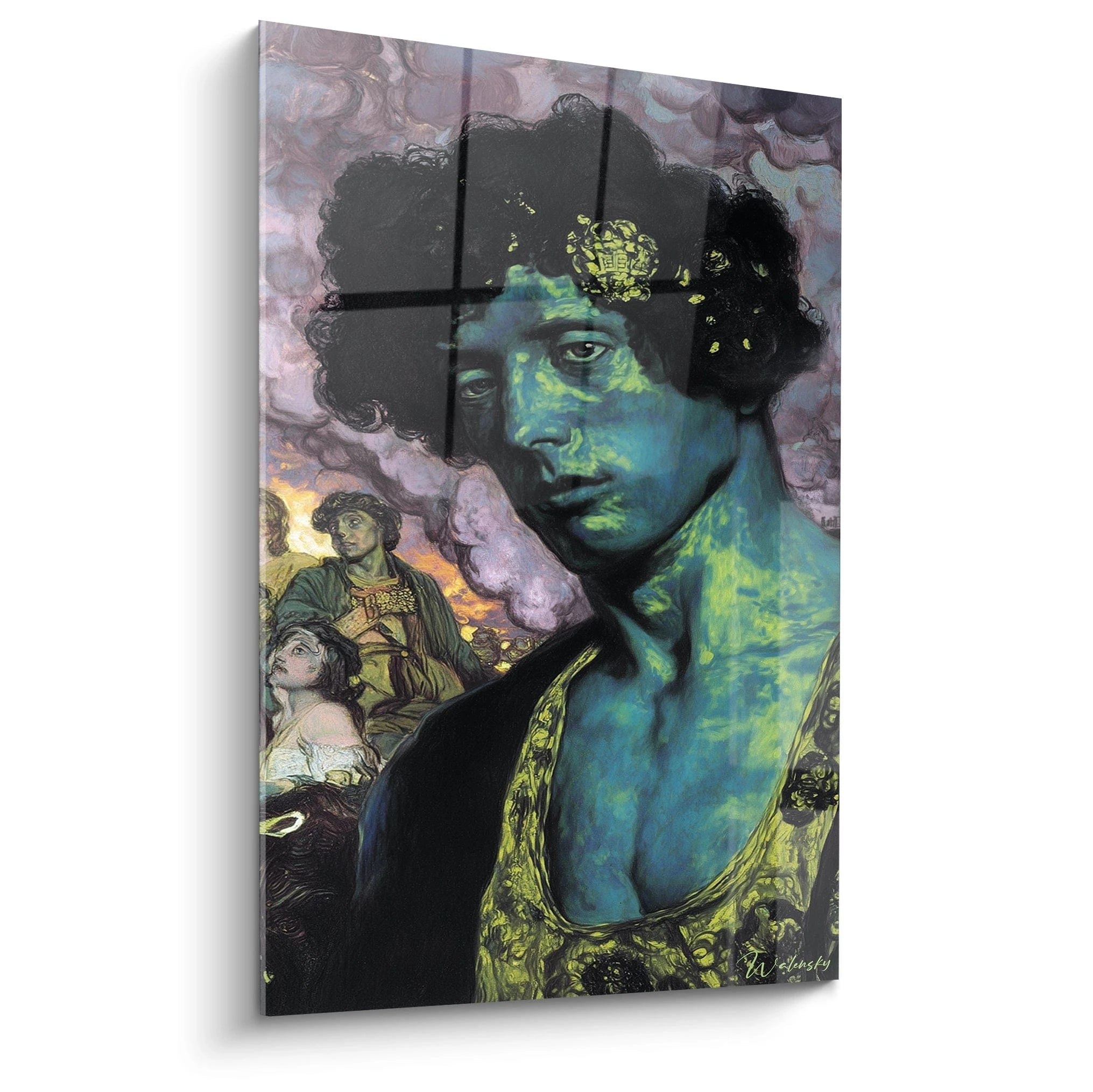







World War I Vintage Wall Art
Discover our World War I painting Vintage collection that celebrates military history through powerful and moving artistic works. Each creation evokes heroism and collective memory with carefully selected period visuals. Our selection of historical art of the First World War World War transforms your walls into true commemorative galleries. Perfect for history enthusiasts and collectors, this range of vintage military wall decoration brings character and authenticity.
 Soldier Lost Gaze Painting - World War I Edition273,90 €
 Soldiers Brothers in Trenches Wall Art - World War I Edition273,90 €
 Soldier Frozen Soul Artwork - World War I Edition273,90 €
 Soldiers Hardened Souls Wall Art - World War One Edition273,90 €
 Gas Mask Ghost Breathing Wall Art - World War I Edition273,90 €
 Soldier Helmet Witness Canvas - World War I Edition273,90 €
Explore further
In World War I Vintage Wall Art


All about World War I Vintage Wall Art
- Vintage Paintings Presentation
- Historical Décor
- Retro Authenticity
- Heritage Value
The Historical Atmosphere of Vintage Military Reproductions
Why choose an aged finish for your war décor?
A World War I vintage painting is distinguished by its specific graphic treatment reproducing the natural alterations of time on historical documents. Sepia tones, softened contrasts, and grainy textures evoke century-old photographic archives preserved in military museums. This artificial patina creates a deeper emotional connection than a simple contemporary reproduction, transforming your wall into a true memorial gallery. Military history enthusiasts specifically seek this effect of temporality that lends authenticity and gravity to representations of trenches, the Battle of Verdun, or Poilu portraits.
The aesthetic codes of the 1914-1918 retro imagery
The vintage imagery of the First World War exploits recognizable visual characteristics: brownish hues reminiscent of silver photographic processes, irregular edges simulating worn paper, traces of oxidation reproducing the natural aging of documents. These graphic elements are not mere decorative effects but faithfully recreate the appearance of the original supports. A large mural format displaying these vintage attributes generates a monumental presence in an office, library, or reception area, immediately evoking the exhibition halls of heritage institutions. For a complementary approach that favors graphic contrast, discover our black and white World War I painting which accentuates the dramatic dimension through chromatic reduction.
The psychological impact of aged tones in interior design
The characteristic faded nuances of the vintage style create an introspective atmosphere particularly suited to spaces requiring concentration and reflection. Unlike saturated colors, faded tones visually soothe while maintaining a strong narrative presence. This duality allows for the integration of a historically charged subject without creating excessive visual tension. Large vintage formats work remarkably well in masculine interiors, historical curiosity cabinets, or professional spaces valuing heritage and collective memory.
How do retro finishes reinforce historical credibility?
The vintage treatments applied to military reproductions are not mere aesthetic artifice but constitute a visual conservation methodology. By reproducing the marks of time, these memorial wall decorations respect the historical integrity of the events represented. Collectors of commemorative objects prefer these patinated versions because they avoid the pitfall of war glorification while preserving the essential documentary dimension for the transmission of memory.
Authenticity and Materiality of Patinated Historical Reproductions
Recreating the photographic supports of the time
Vintage World War I paintings meticulously reproduce the characteristics of the photographic supports used between 1914 and 1918. Silver print technologies, glass plates, and albumin prints generated specific renderings that contemporary vintage versions recreate: pronounced photographic grain, typical overexposure areas, limited depth of field. These technical particularities are not defects but authenticity signatures sought by enthusiasts of historical photography. A large vintage mural presenting these attributes becomes a temporal window to the era of the conflict, offering a radically different visual experience from standard digital reproductions.
What visual details betray the historical origin of an image?
The trained eye immediately identifies the markers of the era in vintage representations: uniforms specific to French and German regiments, characteristic equipment such as 1916 gas masks, iconic military vehicles such as Renault FT tanks. Beyond the subject itself, the vintage visual treatment accentuates these elements with selective contrasts that guide the gaze towards historically significant details. This compositional strategy transforms each visualization into an exercise in historical reading, particularly valued in educational or commemorative contexts.
Why do aged finishes seduce military history enthusiasts?
Collectors of militaria and history enthusiasts seek in vintage reproductions an alternative to original artifacts that are inaccessible or extremely expensive. A large-size painting with retro treatment offers a comparable visual presence to archive documents without the conservation constraints of the originals. This accessibility democratizes the possession of authentic historical imagery while allowing display formats impossible with fragile documents preserved under glass in museums.
The cultural references conveyed by the retro warrior aesthetic
Vintage imagery from the First World War evokes an extended cultural repertoire: testimonial literature such as "All Quiet on the Western Front", historical cinema, national commemorations. These aged reproductions act as memory triggers activating historical knowledge and reflections on past sacrifices. In a domestic or professional context, they signal an intellectual positioning valuing memory, historical culture, and respect for collective heritage. Public spaces such as law firms, notarial offices, or meeting rooms particularly benefit from this symbolic dimension.
Heritage Enhancement and Decorative Integration of Historical Visuals
The contemporary appropriation of the 1914-1918 visual heritage
Vintage World War I paintings allow for a personal appropriation of the collective iconographic heritage. Unlike standard museum reproductions, these decorative large formats allow for precise thematic selection: fighter aviation with aces like Guynemer, emblematic battles of the Somme, fraternization scenes, national loan posters. This personalization transforms the decorative exercise into a curatorial approach where each buyer composes their own memorial exhibition. The available monumental formats far exceed the dimensions of the original documents, creating architectural focal points impossible to obtain with traditional frames.
How to integrate historical visuals into a contemporary layout?
The vintage aesthetic paradoxically facilitates integration into modern interiors thanks to its neutral color palette and earthy tones. A minimalist white wall remarkably welcomes a large-format sepia depicting soldiers in the trenches, creating a striking temporal contrast without stylistic discord. Industrial spaces with exposed brick or metal beams find in these aged reproductions a natural complement that reinforces their raw character. Vintage collectors particularly appreciate this versatility, which allows for the combination of historical imagery and contemporary furniture without creating an aesthetic rupture.
Which spaces benefit most from vintage military representations?
Private offices and masculine workspaces are privileged locations for these historical wall decorations. Personal libraries, smoking rooms, billiard rooms, or themed home cinemas naturally welcome this memorial iconography. Educational or cultural institutions such as history classrooms, media libraries, or documentation centers also value these large-format visual aids. Themed restaurants and retro bars exploit the evocative atmosphere of these reproductions to create immersive environments transporting customers to the era of the conflict.
The emotional dimension of commemorative reproductions
Beyond their decorative function, vintage World War I paintings serve as memorial supports for families who lost ancestors during the conflict. These large formats honor collective memory while keeping intergenerational transmission alive. Anniversary dates such as November 11th confer a renewed symbolic charge annually to these decorative elements. This commemorative dimension radically differentiates these historical reproductions from simple decorative objects, conferring a patrimonial legitimacy that justifies their acquisition by a public attached to the values of memory and respect for sacrifice.
FAQ
Why choose a vintage World War I painting rather than a modern reproduction?
Vintage finishes bring a visual authenticity and emotional depth that contemporary reproductions cannot match. The aged treatment respects the historical integrity of the original documents while creating an immediate temporal connection with the era of the conflict, transforming your space into a true memorial gallery.
How to choose the right visual for a large-size vintage World War I painting?
Prioritize strong photographic compositions with clearly identifiable focal points: portraits of soldiers, iconic trench scenes, characteristic military equipment. Documentary images surpass artistic reconstructions for historically credible rendering. Verify that the vintage treatment preserves the readability of details despite the applied patina.
In what types of interiors do vintage 1914-1918 reproductions work best?
These historical wall decorations ideally integrate into spaces valuing culture and heritage: libraries, professional offices, cabinets of curiosities, classic masculine interiors. Industrial atmospheres, lofts with raw materials and retro decorations naturally welcome these commemorative pieces without creating a stylistic rupture thanks to their neutral color palette.
L'art qui suscite l'envie
Maison belge d'art mural grand format
14 jourspour changer d'avis*
Protection Walenskyincluse
Fabriquéen Italie
FormatXXL
Kit de fixationtoujours fourni
* Hors tableaux personnalisés et tailles personnalisées


