


Wall Art for Medical Office Flower
Our Artwork for Medical Office Flower collection transforms care spaces into havens of serenity. These delicate floral works bring softness and comfort to patients, creating a soothing atmosphere conducive to relaxation. Perfect for Medical Office Wall Decor, these paintings combine natural beauty and professional elegance. Each floral composition has been designed for Healthcare Space Artwork, offering a harmonious visual presence that accompanies the well-being of visitors.
 Luminous Fragility Wall Art - Zen Candle Edition273,90 €
 Flower of Light Canvas - Zen Edition273,90 €
 Moon Flower Painting - Zen Edition273,90 €
 White Rose Painting No.5 - Nature Edition273,90 €
 Sacred Purity Wall Art - Zen Lotus Flower Edition273,90 €
 Blue Poetry Wall Art - Zen Edition273,90 €
 Petals Poetry Wall Art - Asia Edition273,90 €
 Stones and Petals Wall Art - Feng Shui Zen Edition273,90 €
 Petals on Water Canvas - Abstract Flower Edition273,90 €
 Narcissus Wall Art No. 4 - Nature Edition273,90 €
 Flower Garden Wall Art - Asia Edition273,90 €
 Lily Wall Art N°2 - Nature Edition273,90 €
 Sacred Lotus Wall Art - Zen Edition273,90 €
 Porcelain Garden Wall Art - Abstract Flower Edition273,90 €
 Iris Wall Art No. 9 - Nature Edition273,90 €
 Iris Painting No.10 - Nature Edition273,90 €
 Iris Wall Art N°1 - Nature Edition273,90 €
 Wisteria Wall Art No. 1 - Nature Edition273,90 €
 Wisteria Painting No. 2 - Nature Edition273,90 €
 Cherry Blossom Wall Art No. 2 - Nature Edition273,90 €
 Brilliance of Purity Wall Art - Abstract Flower Edition273,90 €
 Midnight Blue Painting - Abstract Flower Edition273,90 €
 Arum Painting N°2 - Nature Edition273,90 €
 Arum Painting N°1 - Nature Edition273,90 €
Explore further
In Wall Art for Medical Office Flower
-
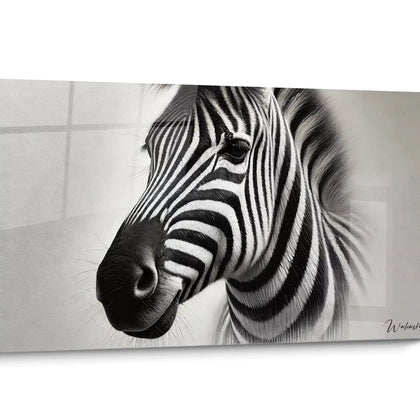 Wall Art for Medical Office100
artworks
Wall Art for Medical Office100
artworks
-
 Wall Art for Zen Medical Office24
artworks
Wall Art for Zen Medical Office24
artworks
-
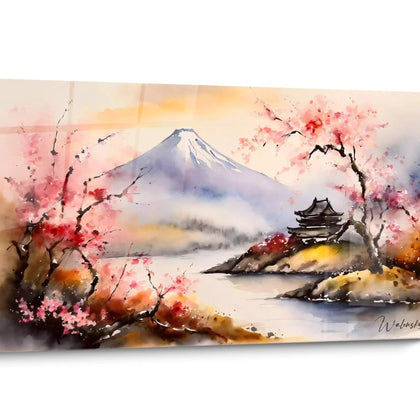 Watercolor Medical Office Wall Art7
artworks
Watercolor Medical Office Wall Art7
artworks
-
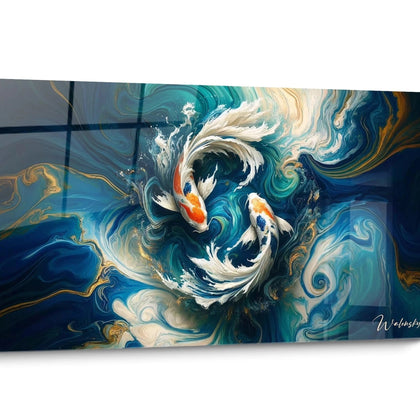 Asian Medical Office Wall Art13
artworks
Asian Medical Office Wall Art13
artworks
-
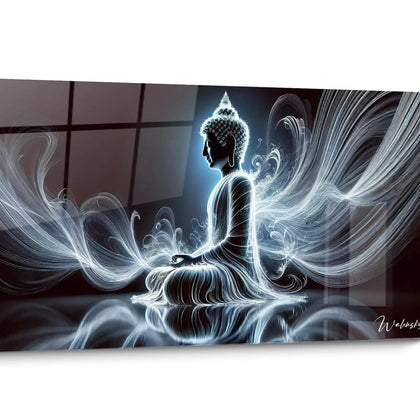 Buddha Wall Art for Medical Office9
artworks
Buddha Wall Art for Medical Office9
artworks
-
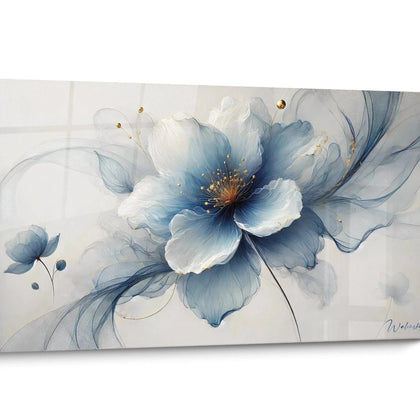 Abstract Medical Office Wall Art17
artworks
Abstract Medical Office Wall Art17
artworks
-
 Minimalist Medical Office Wall Art20
artworks
Minimalist Medical Office Wall Art20
artworks
-
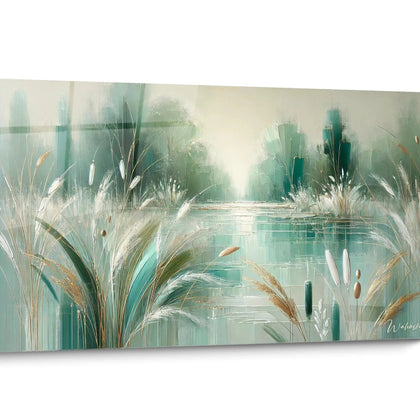 Wall Art for Medical Office Nature24
artworks
Wall Art for Medical Office Nature24
artworks
-
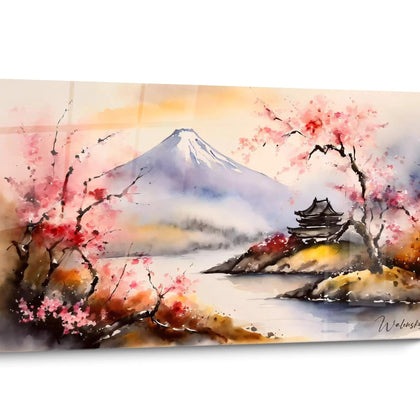 Landscape Wall Art for Medical Office18
artworks
Landscape Wall Art for Medical Office18
artworks
-
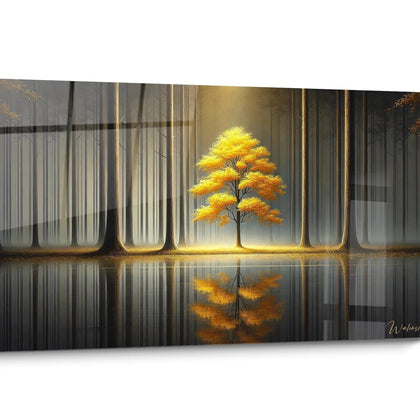 Golden Medical Office Wall Art17
artworks
Golden Medical Office Wall Art17
artworks
All about Wall Art for Medical Office Flower
- Flower Painting Presentation Medical Office
- Soothing Decoration Healthcare Space
- Therapeutic Impact Floral Visuals
- Aesthetic Choices Medical Environment
A flower painting for medical office constitutes a strategic decorative element in the planning of contemporary healthcare spaces. These monumental botanical compositions transform clinical environments often perceived as cold into welcoming places where patient anxiety naturally diminishes. Large-format dimensions allow visual occupation of waiting and consultation areas, creating focal points that divert attention from medical concerns. Enlarged floral representation offers an immersive presence that promotes psychological relaxation before examinations or treatments. Unlike generic abstract scenes, available in our abstract medical office painting collection, floral visuals activate universally positive mental associations linked to nature, renewal and vitality. These large-format botanical representations integrate particularly well in general medicine offices, dermatology centers, gynecology spaces or aesthetic medicine clinics where the atmosphere aims to be reassuring and optimistic.
Botanical Atmosphere in Care Spaces
The integration of a flower painting for medical office responds to a growing requirement in modern healthcare infrastructure planning: creating a biophilic ambiance that reconnects patients with reassuring natural elements. Environmental psychology research demonstrates that visual exposure to botanical representations significantly reduces blood pressure and cortisol levels in individuals awaiting medical care.
Reduction of preoperative anxiety through floral imagery
In preparation rooms before intervention or consultation areas announcing diagnoses, large-scale floral compositions act as positive cognitive distractors. Patients focus their attention on botanical details - enlarged petals, corollas, pistils - rather than their apprehensions. A monumental peony visual or giant magnolia occupies mental and visual space, creating a contemplative pause before the medical procedure.
What types of flowers suit medical environments?
The floral representations favored in medical offices promote species with soothing connotations: orchids evoking delicacy, peonies symbolizing healing, cherry blossoms recalling vital renewal, or lotus associated with serenity. Pastel hues (powder pink, lavender, cream white) or soft greens create a non-aggressive color palette suited to physically or emotionally fragile individuals. Panoramic formats allow installing these botanical visuals on main walls of waiting areas, facing seats, maximizing visual exposure.
Sectoral differentiation through floral choices
A pediatric office will opt for colorful and dynamic floral representations (sunflowers, giant daisies) stimulating children's imagination, while a geriatric center will favor classic compositions (heirloom roses, hydrangeas) evoking positive nostalgia. Fertility clinics frequently use cherry blossom or magnolia imagery, universal symbols of fertility and new beginnings. This sectoral personalization transforms the flower painting for medical office into a non-verbal communication tool aligned with medical specialty.
Psychological Benefits of Botanical Visuals in Clinical Settings
The installation of a flower painting for medical office is part of a therapeutic design approach where the physical environment becomes an ally in the healing process. Affective neuroscience confirms that exposure to floral representations activates brain areas associated with well-being, positive memory and reduced pain perception.
Stimulation of parasympathetic system through floral contemplation
The contemplation of enlarged botanical details - petal veins, organic color gradients, complex plant structures - engages the parasympathetic nervous system responsible for physiological relaxation. In medical waiting areas, where exposure time can reach 20 to 45 minutes, these monumental floral visuals offer passive visual meditation that slows heart rate and decreases muscle tension, ideally preparing the patient for consultation.
How do flowers influence the perception of waiting time?
Healthcare management studies reveal that visually enriched environments reduce the subjective perception of waiting time by 15 to 30%. A large-format flower painting for medical office creates a captivating focal point that structures the waiting experience. Patients interviewed after consultation in spaces decorated with botanical representations report perceived waiting times shorter than actual duration, and evaluate more positively the overall experience of their medical visit.
Mental association flower-health in collective unconscious
The floral compositions convey universal symbolism of vitality, growth and regeneration particularly relevant in medical context. A representation of blooming lotus evokes positive transformation, a rare orchid suggests attentive and personalized care, while a giant lavender field communicates soothing and purification. These unconscious semantic associations reinforce patient confidence in care quality and position the practitioner as attentive to overall well-being.
Optimization of private consultation spaces
Beyond collective waiting areas, installing a floral visual in the consultation office itself modifies the practitioner-patient relational dynamic. Positioned in the patient's field of vision during examination, it offers an alternative fixation point during uncomfortable moments (auscultations, injections), reducing procedural anxiety. In psychotherapy or psychosomatic medicine offices, these botanical representations facilitate emotional opening and create an atmosphere conducive to confidence.
Strategic Selection for Demanding Healthcare Environments
Choosing a flower painting for medical office requires thoughtful consideration integrating specific constraints of healthcare environments: hygiene standards, material durability against intensive cleaning protocols, cultural neutrality of representations, and coherence with office visual identity.
Resistance to frequent disinfection protocols
Decorative surfaces in medical settings undergo daily cleaning with potentially aggressive disinfectant products. The large-format floral visuals for medical offices must present surfaces treated to resist hydroalcoholic solutions, diluted chlorine disinfectants and bio-cleaning protocols. Protective finishes ensure color permanence despite repeated exposure to cleaning agents, preserving the aesthetic investment over several years of intensive use.
What format to prioritize based on spatial configuration?
Rectangular waiting areas benefit from horizontal panoramic formats (150x100 cm or larger) installed on main walls, creating a visual window toward an imaginary garden. Narrow circulation corridors accommodate vertical compositions (100x150 cm) that accentuate ceiling height and smooth spatial perception. Compact consultation offices favor square formats (100x100 cm) concentrating attention without visually overloading restricted therapeutic space.
Cultural neutrality and universality of botanical representations
In medical centers welcoming multicultural patient populations, the flower painting for medical office offers the advantage of near-universal symbolism, transcending language and cultural barriers. Unlike human representations or potentially divisive religious symbols, floral compositions communicate values of care, natural beauty and renewal intuitively understood by all origins. This inclusive neutrality fosters a sense of welcome for all patients, reinforcing the equitable dimension of healthcare access.
Chromatic coordination with medical signage
Harmonious integration of a floral visual in a medical office requires attention to institutional color codes. Facilities using a graphic charter dominated by medical blues benefit from floral representations with complementary tones (lavenders, wisterias, irises) creating visual continuity. Offices with warm wooden ambiances coordinate with florals in autumn hues (orange dahlias, copper chrysanthemums). This chromatic consistency professionalizes the environment while preserving the desired soothing effect.
Is a flower painting for medical office suitable for surgical specialties?
Ambulatory surgery services and surgeons' offices frequently install floral visuals in immediate pre and post-operative areas. These botanical representations counterbalance the technical and anxiety-inducing aspects of the surgical environment, humanizing patient experience. Contemporary-styled floral compositions with clean lines harmonize particularly well with the minimalist and aseptic aesthetics of modern operating theaters.
Are photographic or stylized floral representations preferable?
Ultra-realistic photographic approaches create maximum immersion, mentally transporting patients to a natural environment. Stylized or watercolor interpretations offer artistic softness that further softens the clinical atmosphere. The choice depends on office positioning: conventional medicines often favor reassuring realism, while integrative approaches or gentle medicines opt for more interpretive representations evoking the holistic dimension of care.
What renewal frequency to maintain visual impact?
Unlike domestic spaces where visual fatigue sets in after daily exposure, medical environments host a constant rotation of occasional visitors discovering the visual for the first time. A flower painting for medical office maintains its therapeutic efficacy for 3 to 5 years before a refresh becomes necessary for medical personnel exposed daily. This longevity makes it a durable investment in improving patient experience and healthcare workers' conditions.
Further reading
Our articles on this topic
- How to Identify Easy-to-Maintain Wall Art for a Sanitary Environment?
- Are Botanical Prints Recommended in an Allergology Clinic?
- What sizes of artworks are suitable for treatment rooms?
- Art therapy and decoration: wall art in educational and medical settings
- Why are blue and green tones recommended for wall art in medical settings?


