


Realistic Pet Animals Wall Art
Our Realistic Domestic Animals Painting collection celebrates the beauty and personality of your favorite companions. Discover realistic pet portraits depicting dogs, cats, rabbits, and birds with remarkable artistic precision. Each faithful and detailed animal artwork captures the unique expression and emotion of these endearing beings. Perfect for animal lovers, this collection brings warmth and authenticity to your interior decoration while honoring the precious bond with our faithful companions.
 Blue British Shorthair Cat Print - Golden Eyes - Intense Gaze - British Shorthair Cat Edition273,90 €
 British Shorthair Cat at the Window - Silent Contemplation - British Shorthair Cat Edition273,90 €
 Norwegian Forest Cat Painting - Majestic Portrait with Green Eyes - Norwegian Forest Cat Edition273,90 €
 Maine Coon Sitting Painting - Golden Gaze - Maine Coon Cat Edition273,90 €
 Singapura Cat Portrait Artwork - Emerald Gaze - Singapura Cat Edition273,90 €
 Gray Scottish Fold Cat Painting Amber Eyes - Contemplative Gaze - Scottish Fold Cat Edition273,90 €
 Yorkshire Dog No. 2 - Animals Edition273,90 €
 Yorkshire Painting No. 1 - Animals Edition273,90 €
 Puppy Painting No. 1 - Animals Edition273,90 €
 Boxer N°1 - Animals Collection273,90 €
 Australian Shepherd Wall Art No. 1 - Animals Edition273,90 €
 Beagle Canvas No.1 - Animals Edition273,90 €
 Little Shadow Painting - Cat Animals Edition273,90 €
 Silent Loyalty Canvas - Dog Edition - Animals273,90 €
Explore further
In Realistic Pet Animals Wall Art
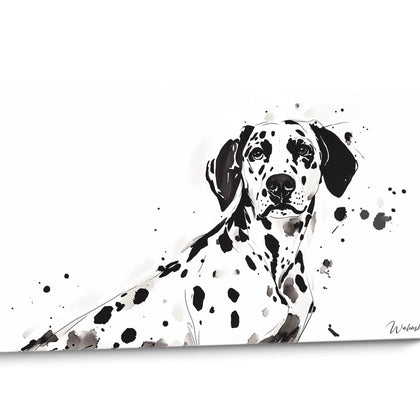


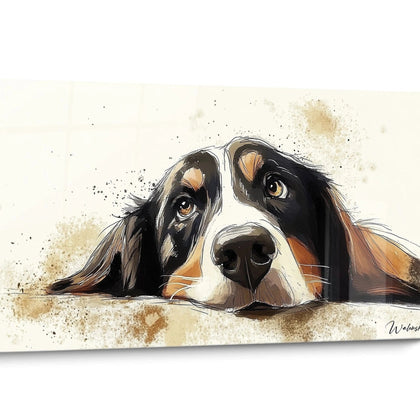
All about Realistic Pet Animals Wall Art
- Presentation of Realistic Domestic Animal Paintings
- Photorealistic Rendering and Details
- Emotional Impact
- Choice and Placement
Discover our exclusive collection of paintings of domestic animals realistically rendered, designed to capture the very essence of our four-legged companions. Each large-format reproduction highlights the unique personality of dogs, cats, and other pets with exceptional photographic fidelity. These artistic creations transform your interior by celebrating the deep bond that unites us with our faithful companions, offering more than just wall decor but a true daily visual tribute.
The Art of Realistic Animal Rendering in Large Format
A realistic painting of domestic animals is distinguished by its ability to reproduce every nuance of fur texture, every reflection in the animal's gaze, and every anatomical detail with surgical precision. This hyperrealistic approach captures the facial micro-expressions that reveal the unique personality of each breed, from the characteristic wrinkle of a bulldog's muzzle to the intense and penetrating gaze of a Siberian husky.
How to recognize a museum-quality photographic rendering?
The excellence of a realistic painting of domestic animals is measured by several specific technical criteria. The reproduced depth of field should create a natural visual hierarchy, highlighting the main subject while subtly suggesting the environment. Subtle chromatic variations in the fur – these dozens of tones between pure white and cream in a golden retriever's fur – are the signature of genuinely realistic work.
The play of light on reflective surfaces such as wet noses or bright eyes requires exceptional technical mastery. A large-scale realistic animal painting allows you to appreciate these minute details that bring the composition to life, transforming a simple representation into an almost tangible presence in your living space.
Capturing Complex Organic Textures
Imposing formats reveal the full complexity of natural textures that reduced versions cannot restore. Each strand of hair follows a precise direction, creating those characteristic swirling patterns observable on breeds with dense fur such as German Shepherds or Maine Coons. Transition zones between different fur densities – such as the passage from the short fur of the muzzle to the long hair of the ears – require careful observation of animal morphology.
For those who appreciate other stylistic approaches, our collection of minimalist paintings of domestic animals offers a complementary, refined vision. Large-size realistic paintings of domestic animals also allow you to distinguish individual peculiarities: discreet scars, unique pigmentation patterns, natural asymmetries that confer authenticity and character to each representation.
The Importance of the Natural Color Palette
Faithful reproduction of organic colors is a major challenge in realistic animal art. The flesh tones of the paw pads, the subtle variations of pink in the translucent ears of a white cat, or the complex gradations of brown to black in expressive eyes require a thorough understanding of natural colorimetry. A high-quality realistic dog or cat painting avoids artificial saturations to favor chromatic harmonies observed in nature.
The Emotional Power of Realistic Representations
A realistic painting of domestic animals establishes an immediate emotional connection that abstract or stylized styles cannot match. This visual fidelity resonates deeply with our attachment to animal companions, evoking specific memories and triggering authentic affective responses. Pet owners instantly recognize familiar facial expressions – that characteristic head tilt expressing curiosity or that gentle gaze seeking approval.
Why does realism intensify our emotional response?
Neuroscience reveals that our brain processes hyperrealistic images of animals with the same neurological circuits activated by the presence of the real physical animal. This cognitive stimulation explains why a realistic painting of a domestic animal creates an almost palpable presence in your interior. The captured micro-expressions – a slightly raised eyebrow, ears attentively oriented – trigger our natural empathy for the creatures with whom we share our lives.
Monumental formats amplify this immersive effect, allowing a scale close to reality that reinforces the illusion of presence. Unlike graphic approaches such as a pop art painting of domestic animals, photographic realism maintains this direct and unmediated emotional connection with the animal subject.
The visual celebration of the human-animal bond
Installing a realistic animal painting in your living room or bedroom transforms that space into a sanctuary dedicated to the privileged relationship we maintain with our companions. These faithful representations honor the natural nobility of domestic animals, capturing that innate dignity observable in a resting sphinx cat or the sincere loyalty readable in the gaze of a labrador.
Collectors of realistic animal paintings often seek compositions that capture authentic moments of intimacy: a dog in full contemplation, a cat in a confident resting posture, or those fleeting moments of alerted intensity. These scenes resonate with our own daily experiences, creating a visual bridge between art and our personal experience with our animals.
Authenticity as a vector of inner well-being
The presence of realistic images of domestic animals in our daily environment generates documented psychological benefits. These faithful representations trigger the release of oxytocin – the hormone of social bonding – in a similar way to real interactions with our companions. A realistic cat painting or hyperrealistic dog painting thus offers constant visual comfort, particularly appreciated by those who spend long hours at home.
Precise anatomical details – the perceptible softness of the fur, the warmth suggested by the animal's body – stimulate our sensory memory, evoking the tactile sensations associated with petting. This implicit multisensory dimension fundamentally distinguishes realistic animal art from more conceptual approaches available in our range of paintings of domestic animals.
Selection and Strategic Integration of a Realistic Painting
Choosing a realistic painting of domestic animals requires careful consideration of several complementary dimensions. The breed represented should resonate with your personal history or aesthetic affinities – a Australian Shepherd owner will naturally be drawn to compositions capturing the lively intelligence characteristic of this breed, while a feline enthusiast will prefer representations revealing the innate feline grace.
What realistic composition corresponds to your living space?
Horizontal panoramic formats are perfectly suited for the expansive walls of contemporary living rooms, allowing you to capture complete scenes showing the animal in its natural posture of rest or observation. Vertical compositions focus attention on the frontal or three-quarter portrait, ideal for hallways, entrances, or limited wall spaces requiring maximum visual impact despite a reduced width.
The direction of the animal's gaze in the composition subtly influences the spatial dynamics. A subject looking into the room creates a warm inclusion, while a gaze directed laterally suggests contemplation and mystery. These compositional subtleties determine the overall atmosphere that the painting will bring to your daily environment.
Chromatic balance with your existing decor
A realistic pet painting should harmoniously dialogue with your decorative palette without disappearing. Coat colors in warm tones – russet, golden, tawny – bring brightness and warmth to interiors dominated by cool or neutral tones. Conversely, representations of breeds with dark or contrasting coats, such as border collies or tuxedo cats, create powerful visual anchors in bright spaces.
For those who appreciate a less colorful approach, our selection of black and white animal paintings offers timeless elegance. Realistic color paintings, however, allow you to fully exploit the natural chromatic richness of coats – these subtle variations of brown, these auburn reflections in black fur in the light, these infinite nuances of gray in silver breeds.
Optimal positioning to maximize visual impact
The placement of a realistic animal painting in large format determines its successful integration into your daily life. Frequently traveled areas – main hallways, stairwells – particularly benefit from these visual presences that punctuate daily movement with moments of emotional connection. Relaxation areas such as living rooms or bedrooms allow for in-depth contemplation of the meticulous details that characterize the realistic work.
Avoid positioning in direct sunlight, which gradually alters the pigments, even the most stable. Prefer walls perpendicular to the main windows, where indirect natural light subtly reveals textures and reliefs without creating annoying reflections. A discreet accent lighting positioned above the painting enhances depth and modeling in the evening.
FAQ - Frequently asked questions about realistic pet paintings
Why choose a realistic animal painting rather than a framed photograph?
The realistic artistic rendering transcends simple photographic capture by selecting and amplifying the most expressive characteristics of the animal. This artistic interpretation eliminates visual distractions while focusing emotion, creating a timeless presence that raw photography cannot equal. The available monumental formats also exceed the technical limits of standard photographic printing.
How does a realistic animal painting integrate into a modern minimalist interior?
Animal realism precisely brings the organic and emotional element that humanizes the pure contemporary spaces. This touch of natural life contrasts harmoniously with the geometric lines and smooth surfaces of modern design, creating the essential balance between architectural sophistication and emotional warmth. The animal subject becomes the living focal point around which the space is visually organized.
Can multiple realistic pet paintings be combined in the same room?
The successful accumulation of realistic animal paintings requires rigorous stylistic consistency – even lighting, harmonious color palette, compatible scales. Favor compositions depicting different species or breeds in complementary rather than repetitive attitudes. A coordinated triptych or a themed gallery wall of dogs and cats creates a dramatic impact while celebrating the diversity of the domestic animal world.


