


Minimalist Domestic Animals Wall Art
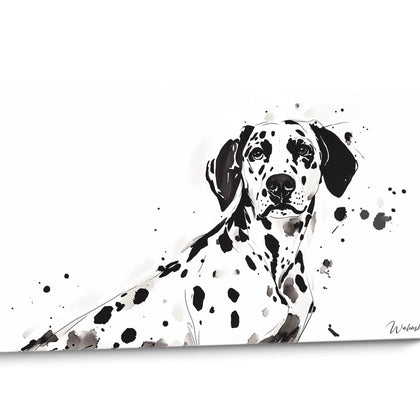
The Painting Domestic Animals Minimalist celebrates your favorite companions with refined elegance. This artistic collection transforms cats, dogs, and pets into contemporary works with pure lines and simplified compositions. Perfect for animal lovers who appreciate modern design, each creation brings softness and sophistication to your interior decoration. The minimalist approach enhances the natural beauty of our domestic companions in wall art with subtlety. Ideal for living room, bedroom or living space, this refined animal wall decor integrates harmoniously into all contemporary settings.
 Eternal Loyalty White Canvas - Black and White Animals Edition233,90 €
 French Bulldog Canvas N°1 - Animals Edition233,90 €
 Basset Hound Canvas No.2 - Animals Edition233,90 €
 Basset Hound Artwork No.1 - Animals Edition233,90 €
 Silence in Black and White Wall Art - Cat Animals Edition233,90 €
Explore further
In Minimalist Domestic Animals Wall Art


All about Minimalist Domestic Animals Wall Art
- Minimalist Pet Wall Art Presentation
- Clean and Minimalist Design
- Selection and Composition
- Decorative Integration
Minimalist pet wall art represents the perfect alliance between a love of four-legged companions and refined contemporary aesthetics. This wall decoration category prioritizes graphic simplicity, essential lines, and compositions reduced to their purest expression to celebrate dogs, cats, and other beloved animals. Unlike detailed realistic representations or colorful interpretations, the minimalist approach emphasizes chromatic restraint and geometric form to create immediate visual impact while preserving a calming atmosphere.
Minimalist Aesthetics in Service of Pet Portraiture
A minimalist pet wall art piece distinguishes itself through its ability to capture an animal's essence with remarkable economy of means. This artistic approach rests on formal reduction: simplified geometric silhouettes, refined contours, asymmetrical compositions that exploit negative space as a constitutive element. The minimalist artist eliminates all superfluous details to retain only the essential morphological characteristics allowing immediate species identification.
What are the graphic characteristics of animal minimalism?
The visual language of minimalism applied to domestic companions emphasizes simplified organic forms, often reduced to harmonious curves and pure lines. A cat's silhouette becomes a fluid succession of arcs, while a dog's form is summarized through directional strokes evoking the characteristic posture of the breed. This geometric stylization creates instant legibility while conferring a timeless dimension to the work, far removed from ephemeral trends.
The importance of empty space in minimalist composition
In a large-format minimalist pet wall art, negative space plays as fundamental a role as the subject itself. This visual breathing room around the animal figure paradoxically amplifies its presence through surrounding restraint. Empty zones create contemplative dynamics, naturally direct the gaze toward the central figurative element, and actively participate in compositional balance. This strategic use of emptiness radically differentiates this approach from pop art interpretations saturated with visual stimuli.
Restricted color palette and decorative impact
Color restriction constitutes a fundamental principle of animal minimalism. Monochrome compositions dominate widely: gray variations, natural beiges, deep black on pristine backgrounds. This chromatic restraint fits perfectly within contemporary Scandinavian, Japanese, or industrial interiors that value decorative restraint. Certain variations introduce a single accent tone—earthy ochre, petrol blue, sage green—creating a chromatic focal point without disrupting overall minimalist harmony.
Selecting the Minimalist Wall Art Suited to Your Space
How to choose between solid silhouette and linear contour?
The minimalist pet wall art comes in two primary graphic families. Solid silhouettes present the animal in monochrome flat form, creating an affirmed volumetric presence despite formal simplification. This approach particularly suits vast light walls where visual mass creates powerful decorative anchoring. Conversely, linear contour representations use line alone to define form, generating graphic lightness that harmoniously integrates into already-furnished spaces without visual overload.
Monumental scale and minimalism: a productive paradox
Generous formats considerably amplify the impact of minimalist compositions. A stylized dog of 120 cm imposes a sculptural presence while maintaining the characteristic sobriety of the style. This monumental scale transforms the simplified silhouette into an architectural element that structures space rather than simply decorating it. For lofts, open-concept spaces, and contemporary living areas, these dimensions create a dominant focal point without resorting to visual complexity, unlike traditional multi-element compositions.
Multiple combinations and minimalist series
Serial approach constitutes a particularly effective decorative strategy with minimalist animal wall art. The juxtaposition of several refined animal silhouettes—cat, dog, rabbit—creates visual narrative through formal repetition and variation. This polyptych composition maintains minimalist philosophy while generating rhythmic dynamics along the wall. Regular spacing between elements respects the visual breathing principle essential to successful minimalism.
Where to effectively place minimalist animal wall art?
Transition spaces particularly benefit from minimalist compositions: refined hallways, functional entryways, clearings where graphic simplicity avoids perceptual saturation. In living spaces, positioning above furniture with pure lines reinforces global stylistic coherence. Contemporary professional environments—coworking spaces, professional offices, showrooms—also adopt these representations that project sophistication and modernity without visual aggression.
Creating Decorative Harmony with Animal Minimalism
Complementary material and textural associations
A minimalist pet wall art naturally dialogues with contemporary raw materials. Polished concrete, Scandinavian light wood, brushed steel, and natural textiles like linen or hemp create material coherence that values graphic restraint. This texture/purity alliance generates subtle sensory richness: the formal simplicity of minimalist black and white animal art pleasantly contrasts with the tactility of surrounding surfaces without creating visual conflict.
What decorative elements to pair with animal minimalism?
The fundamental rule consists of preserving the visual breathing characteristic of the style. Architectural plants—sansevieria, monstera, ficus lyrata—bring complementary organic presence without decorative overload. Furniture with refined lines, sculptural lighting with simple geometry, and rarefied functional accessories maintain overall aesthetic coherence. Each added element must justify its presence through function or contribution to ensemble compositional balance.
Seasonal evolution and minimalist permanence
Unlike transitional thematic decorations, minimalist pet wall art offers aesthetic permanence that transcends seasons without obsolescence. This timelessness represents a durable decorative investment, particularly suited to large wall surfaces whose frequent renewal proves impractical. Chromatic neutrality naturally adapts to seasonal atmosphere modifications: cozy autumn textiles, summer freshness, without requiring artwork rotation.
Minimalism as an expression of contemporary refinement
Beyond aesthetics, choosing a minimalist representation of your pet translates contemporary cultural sensibility. This approach reflects a philosophy of "less but better" that values essentials, rejects decorative accumulation, and privileges perceptual quality over visual information quantity. In urban interiors where space constitutes a precious resource, this visual economy mentally liberates the environment while affectionately celebrating animals sharing our daily lives.
What's the difference between minimalist and refined wall art?
The term minimalist specifically designates a codified artistic approach privileging geometric forms, asymmetrical compositions, and drastic chromatic reduction. Refined wall art might simply present few elements without rigorously respecting minimalist formal principles. Animal minimalism methodically applies these strict compositional rules to pet representations, creating a distinct decorative sub-genre.
Is minimalist pet wall art suitable for children?
Absolutely. The immediate legibility of simplified forms facilitates animal identification by young children. The absence of complex details creates a soothing rather than stimulating image, fostering environments conducive to rest. Generous formats transform these representations into reassuring visual companions whose gentle presence accompanies development within a contemporary aesthetic framework.
How to maintain large-format minimalist wall art?
Compositional simplicity paradoxically facilitates maintenance: uniform surfaces dust easily with a dry microfiber cloth. The absence of complex reliefs or multiple textures avoids particle accumulation in recesses. Quarterly cleaning generally suffices to maintain the graphic sharpness essential to minimalist visual impact, durably preserving the quality of your decorative investment.
Further reading
Our articles on this topic
- Modern Minimalist Wall Art: The Perfect Touch for a Clean Interior
- Get Inspired by Minimalist Design for Perfect Wall Decor
- How to Incorporate Animal Decor into Your Interior
- Minimalist Decor: Subtle Wall Art That Makes All the Difference
- Minimalist Wall Art: The Secret Weapon for a Luxurious and Discreet Decor


