


Sakuki Geometric Dog Wall Art
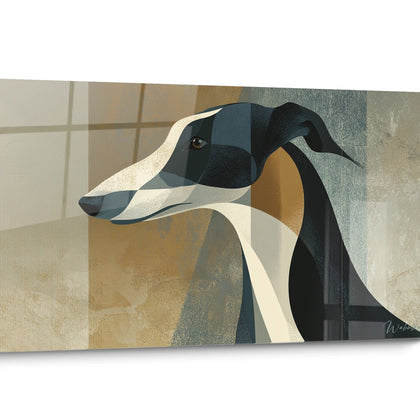
The Painting dog Sakuki Geometric elevates your decor with a modern and structured interpretation of the iconic animal. This artistic creation combines geometric dog design and contemporary dog wall art to offer a fascinating work. Angular shapes and clean lines create a sophisticated aesthetic, perfect for modern interiors. Ideal for the living room, office or bedroom, this painting brings character and elegance to your space while celebrating canine loyalty.
 Geometric Greyhound Canvas with Blue-Gray and Ochre Tones - Contemporary Portrait - Saluki Edition273,90 €
 Stylized Greyhound Canvas in Beige and Black Tones - Geometric Portrait - Saluki Edition273,90 €
 Greyhound Painting with Vibrant Colors and Hexagonal Patterns - Contemporary Artistic Portrait - Saluki Edition273,90 €
Explore further
In Sakuki Geometric Dog Wall Art


All about Sakuki Geometric Dog Wall Art
- Sakuki Geometric Dog Wall Art Presentation
- Geometric Canine Aesthetics
- Architectural Modernity
- Visual Impact and Character
The Sakuki Geometric Dog Wall Art reinvents animal representation through an innovative visual approach that fuses the canine universe with contemporary design codes. This large-scale artistic creation transforms the dog's image into a structured composition where angular forms and sharp lines create a resolutely modern aesthetic. Designed for demanding urban living spaces, this oversized wall art brings sculptural dimension to your walls by celebrating the canine silhouette through a unique architectural lens. The alliance between Sakuki breed symbolism and an audacious graphic interpretation generates a striking focal point that dialogues with minimalist interiors, industrial lofts, and premium design atmospheres. Each visual element participates in a visual narrative where geometry becomes expressive language, transforming the animal into a sophisticated decorative icon.
Geometric art applied to Sakuki canine representation
The Sakuki Geometric Dog Wall Art transcends simple animal illustration by proposing a visual deconstruction that fragments the silhouette into structured polygons and angular facets. This contemporary artistic approach draws inspiration from cubist movements and low-poly trends to create three-dimensional representation on a flat surface. Broken lines and superimposed planes generate optical depth that metamorphoses the dog's gaze into a magnetic convergence point.
What is the specificity of geometric composition for the Sakuki?
The Sakuki breed, with its distinctive morphology and proud bearing, lends itself remarkably well to geometric interpretation. Artists exploit the natural proportions of the skull, the curve of the ears, and the elegance of the muzzle to create a mosaic of forms that respects anatomy while stylizing it. This calculated fragmentation transforms each coat area into a distinct colored surface, creating a play of shadows and light that animates the composition. The polygonal approach captures the essence of Sakuki character – noble, alert, intelligent – through audacious formal choices.
Chromatic contrasts in geometric interpretation
The palette adopted for the Sakuki Geometric Dog Wall Art often privileges bold tonal oppositions that reinforce angular structure. Metallic nuances coexist with saturated tones to create visual dynamism that captures immediate attention in spacious environments. This chromatic strategy notably distinguishes itself from collections like the Golden Sakuki Dog Wall Art, by favoring tone multiplicity rather than precious uniformity. Abrupt transitions between colored zones accentuate the prismatic effect and impart vibratory energy to the whole.
Integration into contemporary design spaces
This imposing format naturally finds its place in environments with refined architecture where generous volumes are valued. Lofts with high ceilings, modern executive offices, and minimalist living rooms constitute ideal settings to deploy the full visual power of this work. The geometrization of the canine subject dialogues harmoniously with straight-lined furniture, exposed metal structures, and raw materials like polished concrete or brushed steel, creating remarkable stylistic coherence.
Visual architecture and formal construction of geometric wall art
The Sakuki Geometric Dog Wall Art resembles a two-dimensional architectural construction where each segment participates in the overall composition balance. This structural approach transforms the work into a genuine wall installation that modifies spatial perception of the room. Directional lines create visual axes that guide the gaze along a predetermined path, orchestrating contemplative experience with architectural precision.
How does geometric modularity influence spatial perception?
The generous dimensions of this wall art enable advanced fragmentation that progressively reveals subtleties according to viewing distance. From afar, the work presents an immediately identifiable canine silhouette; upon closer approach, the complexity of the polygonal tessellation unfolds, inviting detailed reading of chromatic transitions and tonal nuances. This perceptual duality enriches the decorative experience and maintains visual interest over time. The large format amplifies this effect by multiplying visual anchor points across the entire wall surface.
Controlled symmetry within geometric asymmetry
Unlike classical symmetrical representations, the Sakuki Geometric Dog Wall Art plays with calculated imbalances that impart dynamism and movement to the composition. Irregular facets create visual tension that evokes the living and unpredictable character of the dog, while maintaining overall coherence through the repetition of certain angular forms. This tension between order and disorder reflects the duality between geometric discipline and animal energy, generating a work that breathes and vibrates.
The impact of acute angles on visual dynamics
The sharp points and keen edges that characterize the geometric style bring unparalleled graphic vitality. These cutting elements contrast with the natural softness of canine fur, creating aesthetic tension that captures the eye and maintains attention. In premium professional spaces or design residences, this tempered formal aggressiveness communicates determination, innovation, and modernity – values aligned with demanding contemporary visual identities.
Collectors seeking large-format wall pieces to visually anchor an open space particularly appreciate this capacity to architecturally structure a volume through graphic presence alone. The wall art becomes an architectural element in its own right, redefining the perceived proportions of the room.
Monumental presence and decorative affirmation of geometric Sakuki
Acquiring a Sakuki Geometric Dog Wall Art responds to an affirmed decorative approach where wall art becomes a declaration of visual identity. This imposing format does not merely occupy a wall: it transforms it into an aesthetic manifesto that instantly communicates the values and sensibility of the space's owner. The geometricized representation of the Sakuki dog simultaneously conveys attachment to canine culture and adherence to avant-garde artistic currents.
Why choose geometric representation over realism?
Geometric stylization transcends the anecdotal to achieve the universal. While photography or realistic painting anchors the subject in a specific temporality and context, the polygonal approach extracts the very essence of the Sakuki to propose a timeless and conceptual version. This controlled abstraction enables freer emotional projection by the viewer, who recognizes canine codes while superimposing their own interpretations. For premium commercial spaces or innovative corporate halls, this symbolic dimension reinforces brand messaging.
The balance between sophistication and visual accessibility
Despite its formal complexity, the Sakuki Geometric Dog Wall Art maintains immediate readability that makes it universally appreciable. The canine subject remains identifiable even through the geometric filter, guaranteeing emotional connection with a broad audience. This rare combination between artistic sophistication and thematic accessibility explains its success in varied environments – from urban penthouses to design automotive showrooms, through contemporary architecture offices.
Heritage valorization and decorative investment
Large-format works with geometric character inscribe themselves in a sustainable contemporary interior design trend, ensuring aesthetic longevity for the investment. Unlike ephemeral patterns subject to fashion fluctuations, the alliance between geometry and animal representation relies on solid artistic fundamentals. The wall art thus becomes a heritage element that structures the visual identity of a place long-term, potentially increasing the perceived value of the space it inhabits.
Premium real estate professionals recognize the decisive impact of such a piece during viewings, transforming a bare wall into a memorable point that positively differentiates the property. The sculptural effect produced by large dimensions compensates for the absence of three-dimensional objects while avoiding spatial clutter.
Is the Sakuki Geometric Dog Wall Art suitable for monochrome interiors?
Absolutely. The geometric structure provides the visual complexity necessary to animate a monochrome environment without introducing chromatic disorder. Internal tonal variations within the work suffice to create visual relief while respecting the sobriety of the surrounding palette.
What minimum distance for fully appreciating a large-format Sakuki Geometric Dog Wall Art?
For monumental formats, plan a viewing distance equivalent to 1.5 times the artwork's diagonal to embrace the overall composition. This spatial amplitude allows geometric facets to optically merge into a coherent image while preserving perception of details.
How to maintain the chromatic vibrancy of Sakuki Geometric Dog Wall Art?
Avoid direct exposure to intense solar radiation that could progressively alter certain tones. Regular gentle dusting with a dry microfiber cloth suffices to preserve surface brilliance, while strategic positioning opposite indirect light sources enhances geometric contrasts without degradation risk.


