


Realistic Lioness Canvas
Our Lioness painting Realistic collection captures the majesty and power of the queen of the savanna with remarkable artistic precision. Each work reveals the intensity of the feline gaze, the nobility of her proud bearing, and the wild beauty of this iconic animal. These realistic animal art creations transform your space into a gallery dedicated to African wildlife. Perfect for lovers of feline wall decoration, these pieces bring character and elegance to your interior while celebrating nature in all its splendor.
 Lioness Painting No. 2 - Animals Edition273,90 €
 Lioness Artwork Eternal Bond - lion edition273,90 €
 Lioness Painting No.5 - Animals Edition273,90 €
 Lion Wall Art No.4 - Animals Collection273,90 €
 Lioness Artwork No. 1 - Animals Edition273,90 €
Explore further
In Realistic Lioness Canvas
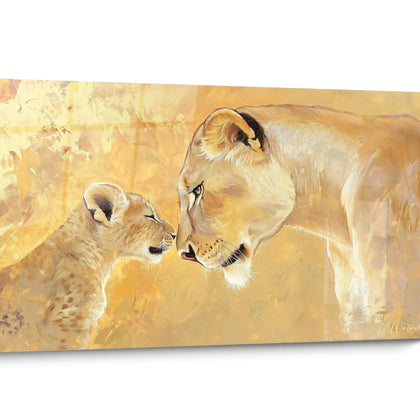

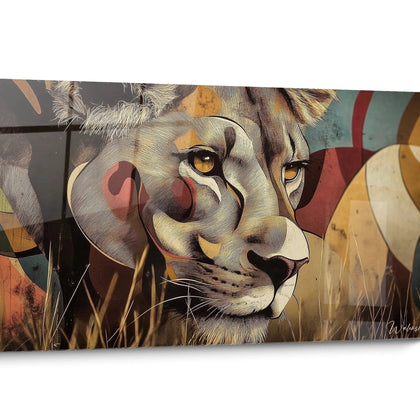
All about Realistic Lioness Canvas
- Presentation Lioness Painting Realistic
- Majestic Feline Decor
- Wild Visual Impact
- Powerful Predatory Atmosphere
A realistic lioness painting captures the raw essence of the queen of the savanna in all her natural splendor. This hyperrealistic artistic representation immortalizes every anatomical detail of the majestic feline, from the subtle nuances of her tawny coat to the captivating reflections in her piercing gaze. Unlike stylized or abstract representations, this photographic approach favors naturalist fidelity to create an immediate emotional connection with the wild animal. The large dimensions of these wall creations allow you to appreciate every texture, every muscle fiber, and every facial expression with a striking precision that transforms your space into a true animal sanctuary.
The Photographic Authenticity of the Lioness in Wall Decor
The realistic lioness painting is distinguished by its ability to reproduce feline anatomy with a scientific accuracy rarely matched in contemporary wall art. Every morphological detail counts: the bone structure of the skull, the particular arrangement of the sensory vibrissae, the specific pigmentation of the muzzle to the cushions. This anatomical precision creates an animal presence so tangible that it seems to watch over your living space with vigilance.
What characteristics make a lioness painting truly realistic?
Animal hyperrealism requires a mastery of the exact proportions of the leonine face, including the precise spacing of the eyes, the characteristic shape of the rounded ears, and the granular texture of the rhinarium. Specialized artists study living specimens for months to capture the micro facial expressions that differentiate a resting lioness from a focused huntress. Chromatic variations of the coat, ranging from golden beige to darker areas behind the ears, constitute a major technical challenge.
The depth of the tawny gaze in your interior space
The central element of a realistic lioness painting undeniably lies in the intensity of the amber gaze. The characteristic vertical pupils of felines, the luminous reflections on the golden iris, and the semi-transparent nictitating membrane create a disturbing visual connection. This predatory gaze creates a magnetic focal point in any room, invariably attracting the attention of visitors. For collectors seeking other luxurious interpretations, a golden lioness painting offers a more stylized alternative with metallic finishes.
The textures of wild fur reproduced in large format
The faithful reproduction of the leonine fur is the pinnacle of technical realism in animal art. Each individual hair follows a specific direction according to the body areas: shorter and denser on the skull, slightly wavy on the cheeks, forming that discreet female mane at the neck. Artists employ chromatic layering techniques to simulate the three-dimensional depth of the fur, creating natural shadow play between the different layers of hair. This meticulous attention transforms a simple image into a tactile visual experience.
Emotional Power of Naturalistic Feline Representation
A realistic lioness painting of large dimensions generates considerable emotional presence in the modern habitat. Unlike abstract works that remain interpretive, the photorealistic representation of a lioness instantly activates our archaic memory of predators. This primitive reaction creates a fascinating decorative tension: aesthetic admiration is mixed with instinctive respect for the wild animal.
How does the realistic lioness transform the atmosphere of a room?
The installation of a hyperrealistic lioness representation radically alters the energetic dynamics of a space. Visitors frequently report a feeling of benevolent surveillance, as if the animal were mounting a silent guard. This protective presence is particularly suitable for professional spaces requiring an assertion of authority tempered by natural elegance. Executive offices, law firms, and reception areas benefit from this powerful symbolism without excessive aggression.
Captured moments: meditative rest versus active vigilance
The choice of facial expression dramatically influences the atmosphere created. A lioness at rest, eyelids half-closed in African daytime torpor, establishes a contemplative serenity conducive to relaxation areas. Conversely, a realistic lioness in a state of alert, ears pricked and fixed gaze, generates a stimulating dynamic tension for creative workspaces. Wildlife photographers capture these distinct emotional states during photographic safaris lasting several seasons.
Monumental scale for total immersion
Panoramic formats exceeding two meters in width create a virtual window onto the African savanna. This monumental scale allows for the integration of not only the close-up portrait but also contextual elements: the golden grass of the plain, the atmospheric blur of the burning horizon, sometimes even other members of the pride in the background. Immersion becomes total when the dimensions of the painting occupy a significant proportion of the wall, transforming interior architecture into a portal to the wild ecosystem.
Why choose realism over artistic interpretation?
Photographic realism eliminates the interpretive barrier between the observer and the animal. Unlike impressionistic or geometric styles that filter reality through a personal artistic vision, the realistic approach aims for absolute transparency. This documentary approach particularly appeals to nature enthusiasts, safari aficionados, and animal conservation advocates who wish to celebrate the lioness as she truly exists in her natural habitat, without artificial embellishment or aesthetic distortion.
Decorative Integration of Hyperrealistic Lion Majesty
The placement of a realistic lioness painting requires strategic reflection on the relationship between the animal image and the architectural environment. The wild nature of the subject enters into dialogue with contemporary furniture, creating visual contrasts that define the spatial identity. Raw materials such as leather, untreated solid wood, and natural fibers amplify the authenticity of the feline representation.
Which spaces best enhance a large-format realistic lioness?
Spacious volumes with generous ceiling height constitute the ideal setting for these majestic representations. Industrial lofts, with their exposed metal structures and raw brick walls, create a fascinating contrast between contemporary urbanity and preserved wilderness. Private libraries also benefit from this leonine symbolism, the lioness embodying patient wisdom and methodical observation. Meditation spaces and yoga rooms find in the lioness's calm gaze a visual anchor that favors inner concentration.
Color associations with the natural tawny coat
The color palette of a realistic lion painting revolves around earthy tones: ochres, sands, golden beiges, and chocolate browns. These shades naturally harmonize with organic materials such as unbleached linen, sea grass, rattan, and light wood grains. The deep black accents of the whiskers and eye contour allow for the introduction of dark decorative elements without breaking the visual coherence. Touches of sage green or khaki subtly recall the sparse vegetation of the savannah.
Natural light as a revealer of realistic details
The amount of light exposure radically influences the perception of the microstructures of the fur and subtle chromatic nuances. A soft zenithal light, similar to that of the African morning sun, reveals the tonal variations of the fur with optimal fidelity. Areas near windows capture this particular quality of light. However, avoid prolonged direct exposure to UV rays, which could gradually alter the saturation of the pigments, particularly on prints made with photosensitive inks.
Is a realistic lion painting suitable for children's bedrooms?
The presence of a realistic predator in a child's bedroom elicits mixed opinions. For children fascinated by African wildlife and animal conservation, a resting lioness can embody maternal protection and quiet strength. Favor representations showing the lioness in a relaxed posture rather than in active hunting, to avoid an atmosphere that is too intense before sleep.
What is the difference between a photographic print and a hyperrealistic painting for a realistic lion painting?
A high-definition photographic print faithfully reproduces a safari snapshot with absolute documentary precision, instantly capturing an authentic moment. Hyperrealistic painting, although visually similar, is the result of a manual artistic process of several weeks where the creator meticulously reconstructs each detail. This latter approach generates unique works with subtle chromatic variations impossible to duplicate, justifying a higher price positioning for demanding collectors.
How to maintain a realistic large-format lion painting?
Minimal maintenance preserves the visual quality for decades. Monthly dusting with a dry antistatic microfiber cloth is generally sufficient. For glazed surfaces protecting the print, cleaning every six months with a specific ammonia-free glass cleaner maintains crystalline transparency. Absolutely avoid abrasive or solvent products that would irreversibly attack the superficial pigment layers, definitively compromising the sharpness of the realistic details that constitute the primary value of these authentic animal representations.
L'art qui suscite l'envie
Maison belge d'art mural grand format
14 jourspour changer d'avis*
Protection Walenskyincluse
Fabriquéen Italie
FormatXXL
Kit de fixationtoujours fourni
* Hors tableaux personnalisés et tailles personnalisées


