


Lioness Portrait Wall Art
Our Lioness Painting Portrait collection celebrates the majesty of the wild feline through striking artistic works. Each creation captures the intensity of the gaze, the nobility and the strength of the queen of the savanna. Perfect for lovers of lioness animal art, these paintings bring character and prestige to your decoration. The feline elegance in portrait transforms your spaces into true art galleries. Explore our artistic universe dedicated to this icon of power and natural beauty.
 Lioness Painting No. 2 - Animals Edition273,90 €
 Lioness Painting No. 3 - Animals Edition273,90 €
 Lioness Artwork No. 1 - Animals Edition273,90 €
Explore further
In Lioness Portrait Wall Art
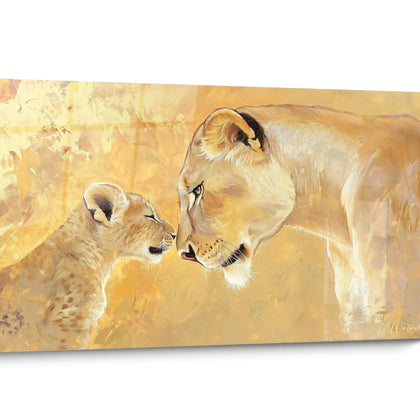
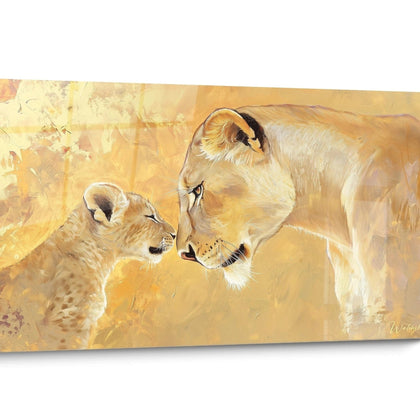

All about Lioness Portrait Wall Art
- Presentation Lioness painting Portrait
- Power of the Portrait
- Elegant Vertical Format
- Contemporary Feline Majesty
The lioness portrait painting embodies the quintessence of feline power captured in a vertical format that magnifies the intensity of the gaze. This artistic representation prioritizes the majestic facial expression of the savanna queen, creating an immediate emotional connection with the viewer. Unlike horizontal or group compositions, the portrait focuses all attention on the animal's magnetic presence, revealing every detail of its noble physiognomy.
The Visual Impact of a Large-Format Lioness Portrait
The lioness painting portrait radically transforms the atmosphere of a professional or residential space thanks to its vertical orientation, which naturally draws the eye upwards. This composition promotes a perception of grandeur and elevation, particularly suitable for executive offices where the lioness's natural authority symbolically reinforces leadership. The details of the tawny fur, whiskers, and nascent mane create a captivating visual texture that enriches contemporary minimalist spaces.
Why choose a vertical lioness portrait for your interior?
The portrait orientation accentuates the royal dignity of the lioness by creating an upward dynamic that sublimates her proud posture. This natural verticality harmonizes perfectly with modern architectures with high ceilings, narrow walls between windows, or circulation spaces such as hallways where a horizontal format would be disproportionate. The lioness's penetrating gaze, captured frontally, establishes a direct visual dialogue with the viewer, creating an almost living presence in the room.
The feminine symbolism of power in animal portraiture
Unlike the male lion, often depicted, the lioness embodies a protective maternal force and a strategic intelligence that particularly resonates with a female entrepreneurial clientele. This representation values qualities of discreet leadership, efficiency, and resilience. In coaching spaces, consulting rooms, or showrooms dedicated to a high-end clientele, the lioness portrait communicates a combative elegance that inspires confidence without aggression. To complement this refined atmosphere, certain choices such as a golden lioness painting add an extra touch of luxury.
The aesthetic characteristics of the animal portrait format
The close framing on the head and shoulders allows for exceptional definition of the facial features: amber eyes with golden reflections, a velvety truffle, delicate-haired mobile ears. This photographic proximity creates a rare intimacy with the animal subject, transforming the painting into a contemplative window rather than a simple wall decoration. The chromatic variations of the fur, from beige sand to caramel nuances, offer a warm palette that naturally enriches interiors with neutral tones without creating a visual break.
Optimizing the Strategic Placement of Your Lioness Portrait
The vertical format of the lioness painting portrait responds to specific spatial constraints that horizontal compositions cannot satisfy. Contemporary architectural spaces often present narrow wall areas between bay windows, doors, or structural elements where only a vertical work finds its proper proportion. This configuration allows for the exploitation of areas that are usually neglected, transforming every square centimeter into a decorative focal point.
How to enhance neglected vertical spaces?
Residential entries, transitional zones between rooms, or lateral wall panels in open-plan kitchens are ideal locations for a large-scale lioness portrait. The verticality of the artwork accompanies the natural movement of the eye during movement, creating a dynamic visual experience. In stairwells, the portrait installed along the ascent amplifies the impression of rising while establishing a visual rhythm that guides circulation.
What viewing distance should be prioritized for an animal portrait?
Unlike panoramic scenes that require distance, the lioness portrait reveals all its emotional power at a medium distance, between 2 and 4 meters. This relative proximity allows you to appreciate the expressive details of the gaze and the subtleties of the fur texture, creating an almost tactile connection with the artwork. For large formats exceeding 120 centimeters in height, this distance transforms the painting into an imposing presence that visually dominates the space without overwhelming it.
The association with other vertical decorative elements
The lioness portrait painting harmoniously integrates into vertical wall compositions including narrow shelves, hanging plants, or wire fixtures. This vertical stratification creates a consistent decorative dynamic that draws the eye upwards, ideal for compensating for rooms with low volumes. Professional spaces such as beauty salons, fashion boutiques, or art galleries exploit this verticality to visually structure customer journeys while asserting a strong aesthetic identity.
Areas of high traffic and memorial impact
In commercial spaces with high traffic, the lioness portrait positioned facing the flow of circulation instantly captures attention thanks to the intensity of the animal's gaze. This direct visual encounter creates a powerful memorial anchor for visitors, reinforcing the memorability of the brand or place. Boutique hotel lobbies, high-end spa receptions, or lounge areas exploit the ability of animal portraits to mark people's minds while conveying values of natural refinement.
The Psychology of Colors and Expressions in the Lioness Portrait
The lioness portrait drawing its communicative strength from the animal's facial expression, a true non-verbal language that conveys complex emotions. The choice of a calm and confident gaze rather than an aggressive or playful one determines the psychological atmosphere of the space. Representations that prioritize majestic serenity are suitable for meditative environments, therapeutic offices, or master bedrooms, while more alert expressions energize creative offices or co-working spaces.
What lioness expression corresponds to your space?
The analysis of facial expression becomes a determining purchasing criterion: a slightly averted lateral gaze suggests contemplation and introspection, ideal for libraries or reading areas. A direct frontal gaze establishes a visual confrontation that affirms presence and is suitable for reception or negotiation areas. Micro-expressions such as the opening of the eyelids, the position of the ears, or the facial muscle tension communicate emotional nuances that the unconscious immediately perceives.
Chromatic variations according to the ambient light
The color palette of the lioness's fur evolves with the natural lighting: warm golden hues intensify under the east-facing morning light, creating a luminous aura around the portrait. North-facing spaces benefit from cooler tones that soften contrasts and create a soothing atmosphere. For interiors with adjustable artificial lighting, portraits with varied shades from beige to copper red offer decorative flexibility that adapts to different lighting moods throughout the day.
The perceptual evolution of the animal portrait over time
Unlike geometric or abstract patterns that visually exhaust, the animal portrait retains its contemplative interest thanks to the richness of natural details. The organic textures of the fur, the changing reflections in the iris, the subtle nuances of the shaded areas continually reveal new details depending on the angle of observation and lighting conditions. This perceptual depth transforms the artwork into a daily visual companion rather than a static decorative element, justifying the investment in a large format that multiplies these opportunities for discovery.
Is a lioness portrait painting suitable for demanding professional spaces?
Absolutely, the lioness portrait conveys values of excellence, strategy, and natural leadership particularly relevant in high-end corporate environments, law firms, communication agencies, or headquarters where brand image prioritizes elegant strength over commercial aggressiveness.
Can several lioness portrait paintings of different sizes be combined?
The vertical diptych or triptych composition of portraits at different scales creates a sophisticated visual narrative, particularly effective in large spaces or along stairwells. This multiplication amplifies the feline presence while rhythmically structuring the architectural space.
How does the lioness portrait painting influence the ambiance of a living room?
The portrait introduces a contemplative dimension and a symbolic connection to the wild nature that counterbalances the technological saturation of modern interiors. Its presence provides a stable visual anchor that reduces visual stress related to environments overloaded with information and screens.
L'art qui suscite l'envie
Maison belge d'art mural grand format
14 jourspour changer d'avis*
Protection Walenskyincluse
Fabriquéen Italie
FormatXXL
Kit de fixationtoujours fourni
* Hors tableaux personnalisés et tailles personnalisées


