


Multicolor Op Art Wall Art
The Op Art Multicolor Painting celebrates kinetic art through captivating visual compositions. This collection embodies the essence of optical movement with its colorful geometric illusions and hypnotic patterns. Each creation plays on visual perception by combining abstract shapes and vibrant palettes. Perfect for transforming your interior, this selection of contemporary multicolor op art brings dynamism and modernity. Explore these fascinating works that challenge the eye and create a unique atmosphere.
 Abstract Undulating Perspective Wall Art - Op Art Edition273,90 €
 Flowers Perception Blurred Painting - Op Art Edition273,90 €
 Hypnotic Galloping Horses Wall Art - Op Art Edition273,90 €
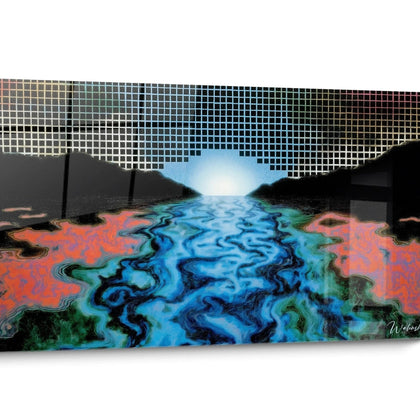
 Fragmented Spectrum Landscape Painting - Op Art Edition273,90 €
 Grid Perspective Kaleidoscope Wall Art - Op Art Edition273,90 €
 Concentric Circles Magnetic Spiral Wall Art - Op Art Edition273,90 €
 Moiré Horizons Landscape Wall Art - Op Art Edition273,90 €
 Abstract Landscape Painting Hypnotic Waves - Op Art Edition228,90 €
Explore further
In Multicolor Op Art Wall Art
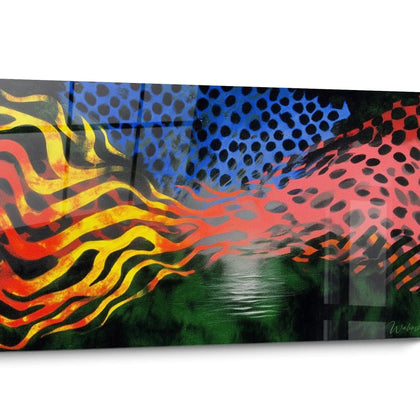
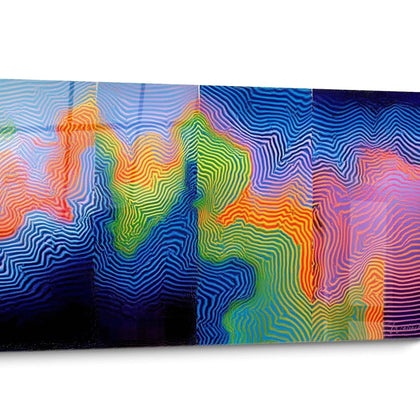
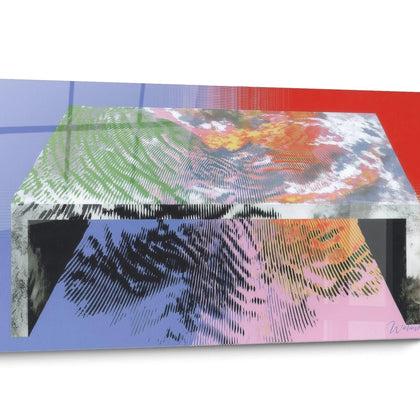
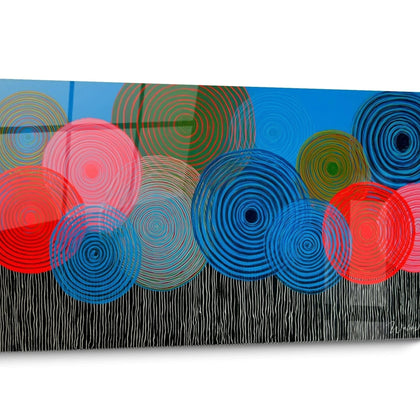
All about Multicolor Op Art Wall Art
- Multicolor Op Art Painting Presentation
- Kinetic Visual Impact
- Perceptual Color Psychology
- Optical Architecture of Spaces
A multicolor Op Art painting radically transforms the spatial perception of your interior by creating dynamic optical illusions that defy visual logic. These large-format geometric compositions exploit saturated chromatic contrasts to generate sensations of perpetual movement, instantly captivating the eye and stimulating neuronal activity. The combination of multiple vibrant hues amplifies the kinetic effect characteristic of optical art, where each color interacts with its neighbor to produce hypnotic visual vibrations. These monumental creations embody the legacy of optical art movement pioneers while adapting to contemporary aesthetic demands of prestigious residential and professional spaces.
The Kinetic Effect of Polychrome Geometric Patterns
A large-dimension multicolor Op Art painting generates an immersive sensory experience through rhythmic alternation of saturated geometric forms. Concentric undulations, hypnotic spirals, and warped checkerboards create perceptual instability that forces the eye to constantly recalibrate focus. This permanent visual solicitation generates lasting fascination, transforming a static wall into a surface animated by palpable energy.
Chromatic Strategies to Amplify Optical Vibrations
Polychrome compositions maximize simultaneous contrasts by strategically positioning complementary colors: turquoise against vermillion orange, electric fuchsia facing acid lime green. These juxtapositions provoke retinal persistence phenomena where colors appear to overflow their geometric boundaries. The use of fluorescent hues in certain zones intensifies this chromatic pulsation effect, particularly perceptible in environments with variable lighting.
How Do Monumental Formats Multiply Perceptual Impact?
The imposing dimensions of a multicolor Op Art painting encompass peripheral visual field, creating a nearly architectural immersive experience. A 150x100 cm or larger format allows repetitive patterns to develop their full hypnotic power, the brain instinctively seeking anchor points in this kaleidoscopic geometric ocean. This monumentality transforms passive consultation into active exploration, requiring observers to physically move to grasp all chromatic interactions.
Visual Dynamics in Circulation Spaces
Positioning these kinetic works in hallways or staircases exploits the spectator's natural movement to accentuate apparent motion effects. The changing viewing angle successively reveals different layers of illusory depth, parallel lines seemingly converging then diverging according to position. This optical choreography transforms passage zones into memorable perceptual experiences, rivaling contemporary art museum installations. Integrating an Op Art abstract painting alongside polychrome versions creates sophisticated visual dialogues between graphic monochromy and chromatic explosions.
Perceptual Psychology of Multicolor Palettes
The neurological impact of a multicolor Op Art painting far exceeds simple aesthetic appreciation to engage profound cognitive mechanisms. Visual neuroscience research demonstrates that these polychrome compositions simultaneously activate multiple brain areas responsible for processing colors, shapes, and movement. This multidimensional cortical stimulation generates amplified sensory alertness, ideal for energizing creative professional spaces or high-sociability living zones.
Emotional Orchestration Through Chromatic Harmonies
Each multicolor palette conveys a distinct emotional signature: warm-cool combinations (red-blue-yellow) infuse contrasted energy conducive to stimulating environments, while spectral progressions (organized rainbow) evoke rational systematization appealing to analytical minds. Discordant assemblies of saturated hues without gradual transition create deliberate visual tension, generating an audacious avant-garde atmosphere perfect for industrial lofts or private galleries.
What Effects Do Abrupt Chromatic Transitions Produce?
Sharp boundaries between colored zones intensify chromatic contrast phenomena through simultaneous induction: each color influences perception of its immediate neighbor, the brain overcompensating differences. A magenta square adjacent to cyan appears more red than when isolated, creating perceptual vibration at the interface. These constant micro-adjustments pleasantly exhaust the visual system, capturing attention nearly addictively.
Circadian Adaptation and Lighting Variations
A multicolor Op Art painting reveals radically different chromatic personalities according to hour and light source. Morning natural light, rich in ultraviolets, exalts blues and violets, while warm evening temperatures amplify reds and oranges. This daily metamorphosis transforms the work into a visual chameleon, offering perpetual renewal without physical rotation. Discerning collectors position these monumental pieces facing east-facing windows to maximize this natural lighting choreography, creating an evolving spectacle from sunrise to sunset.
Optical Architecture and Spatial Redefinition
Integrating a monumental format multicolor Op Art painting constitutes an architectural intervention in its own right, capable of visually restructuring room proportions. Converging lines, spiral vortexes, and warped grids project virtual geometries that transcend the wall plane to colonize surrounding space. This illusory expansion psychologically pushes physical boundaries, transforming a modest-sized living room into perceptually enlarged volume.
Placement Strategies for Constrained Volumes
In low-ceiling spaces, a multicolor Op Art painting with vertical emphasis creates ascending visual aspiration through upward converging lines. Conversely, horizontal panoramic compositions perceptually widen narrow rooms by guiding gaze laterally. Centralized radial patterns establish magnetic focal point reorganizing the visual hierarchy of entire decoration, peripheral elements naturally becoming subordinate to this chromatic explosion.
How to Balance Visual Intensity in Open Spaces?
Large open volumes benefit from the structuring effect of a monumental multicolor Op Art painting that visually segments space without physical partitioning. Strategically positioned, it creates perceptual demarcation between reception zone and work area, its chromatic intensity signaling functional change. This optical delimitation preserves architectural fluidity while establishing distinct psychological territories, elegant solution to contemporary open-plan challenges.
Dialogues with Minimalist Architecture
Maximum contrast between exuberant multicolor Op Art painting and refined architectural surfaces generates sophisticated aesthetic tension prized by avant-garde designers. Against raw concrete walls or industrial metal cladding, the geometric chromatic explosion acquires three-dimensional sculptural presence. This juxtaposition demonstrates mastery of formal oppositions: organized chaos against minimalist order, chromatic saturation facing material neutrality, creating dynamic balance between architectural restraint and artistic exuberance characterizing most accomplished contemporary interiors.
Is a Multicolor Op Art Painting Suitable for Professional Spaces?
Absolutely, these stimulating works energize creative meeting rooms, agency welcome halls, and coworking spaces by visually signaling an audacious and avant-garde corporate culture.
What Observation Distance Optimizes Multicolor Kinetic Effect?
Ideal distance equals 1.5 to 2 times the diagonal of the painting: close enough to perceive chromatic vibrations, far enough to embrace global composition and its overall movement effects.
Do Multicolor Op Art Paintings Work in Eclectic Decors?
Their structured geometric nature paradoxically allows them to coexist with varied styles, acting as modern visual anchor point unifying heteroclite decorative elements through strong formal presence.
Further reading
Our articles on this topic
- Spectator Interactive Art, Wall Art That Evolves With the Audience
- Why Colorful Graffiti Murals Captivate Collectors?
- Interactive Visual Artworks, Pieces That Evolve With Your Perspective
- Multicolor Street Art Painting: An Energy Booster for Your Decor
- Optical Effect Paintings: Play with Perception and Attention


