








Modern Shih Tzu Dog Wall Art
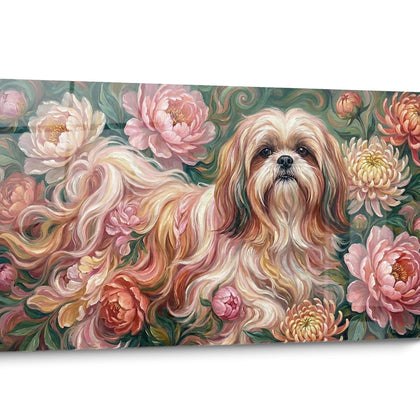
Our Shih Tzu Dog Painting Modern collection celebrates the natural elegance of this beloved breed through a contemporary artistic lens. Each artwork captures the grace and charm of the Shih Tzu with bold and colorful compositions. Perfect for lovers of decorative paintings Shih Tzu dog , this collection brings a sophisticated touch to your interior. The creations combine expressive portraits and clean designs to create a unique contemporary Shih Tzu wall decoration .
 Dog Canvas in Golden and Green Tones - Expressive Portrait - Shih Tzu Edition273,90 €
 Shih Tzu in Motion Painting with Turquoise and Coral Colors - Canine Energy - Shih Tzu Edition273,90 €
 Graphic Dog Painting with Vibrant Colors - Artistic Explosion - Shih Tzu Edition273,90 €
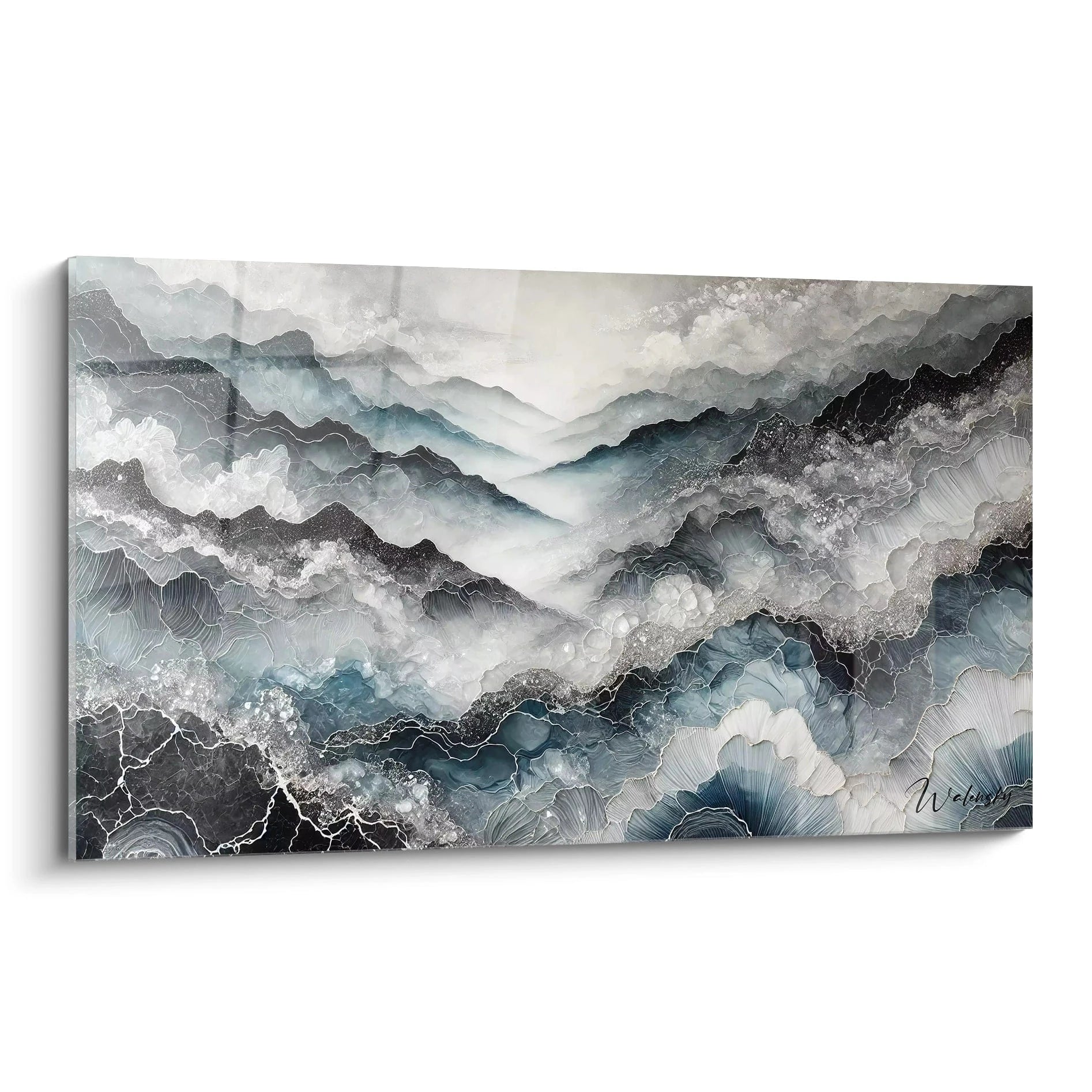
 Blue Tones Shih Tzu Dog Painting - Artistic Portrait - Icy Edition273,90 €
 Shih Tzu Painting with Silvery Tones in White Splashes - Pure Emotion - Shih Tzu Edition242,90 €
 Golden-Toned Shih Tzu in an Autumn Whirlwind Painting - Golden Storm - Shih Tzu Edition273,90 €
 Golden Dog Canvas with Expressive Brushstrokes - Golden Explosion - Shih Tzu Edition228,90 €
Explore further
In Modern Shih Tzu Dog Wall Art


All about Modern Shih Tzu Dog Wall Art
- Modern Shih Tzu Wall Art Presentation
- Contemporary Design Aesthetics
- Minimalist Architecture Integration
- Large Format Visual Impact
The modern Shih Tzu dog wall art transforms the traditional representation of this imperial companion into a resolutely contemporary artwork. This refined visual approach celebrates the emblematic characteristics of the breed while adopting the aesthetic codes of current design. Clean lines, sophisticated color blocks and geometric compositions elevate the recognizable silhouette of the Shih Tzu, creating a dialogue between Asian tradition and Western modernity. These wall creations captivate through their ability to condense the essence of this ancient breed into innovative graphic language, perfectly suited to refined urban interiors and pared-down living spaces that seek a touch of animal elegance without compromise on stylistic coherence.
The Graphic Elegance of the Shih Tzu in the Contemporary Design Universe
The modern Shih Tzu dog wall art reinvents the representation of this aristocratic breed through a minimalist visual approach that prioritizes graphic impact over descriptive detail. The simplification of forms highlights the distinctive silhouette of the Shih Tzu: its proud head carriage, its balanced profile, its compact and dignified posture. Contemporary creations exploit reduced color palettes, often limited to two or three dominant hues, creating striking contrasts that immediately capture attention in open spaces.
How do the visual codes of modernism enhance the characteristics of the Shih Tzu?
Contemporary artists apply the principles of flat design and geometrization to translate the singular anatomy of the Shih Tzu. The luxuriant coat becomes a succession of simplified volumes, the expressive eyes transform into contrasted round shapes, while the black nose becomes a graphic focal point. This stylization enables immediate breed recognition while maintaining aesthetic coherence with the pared-down architectural environments of lofts, design studios and upscale urban apartments.
The decorative power of asymmetrical compositions
Unlike centered classical representations, modern Shih Tzu wall art frequently exploits off-center compositions and bold framing. The subject may occupy only one-third of the surface, generously allowing negative space to breathe and amplify visual impact in large rooms. These compositional choices create particularly effective dynamics in open-plan living areas, reception spaces or contemporary offices where the artwork dialogues with the surrounding architecture rather than simply adorning it.
Monochrome or two-tone color variations transform the Shih Tzu into a timeless graphic icon. Black and white variations exalt the natural contrasts of the breed, while versions using industrial hues like concrete gray, midnight blue or contemporary terracotta anchor the work in current upscale residential design trends.
Integration in technological and professional environments
The pared-down character of the modern Shih Tzu wall art makes it particularly suited to contemporary workspaces, innovative startups and technology showrooms. Its ability to humanize minimalist environments without compromising their visual sophistication makes it a strategic choice for interior architects seeking refined animal presence in demanding professional contexts.
Harmonization with Minimalist Interior Architecture Principles
Integrating a modern Shih Tzu dog wall art into a pared-down architectural environment responds to precise aesthetic considerations that go far beyond simple decoration. This artwork functions as an emotional anchor point in deliberately stripped spaces, introducing an organic and warm dimension without breaking overall visual coherence. Scandinavian, contemporary Japanese or Bauhaus-style interiors find in this graphic Shih Tzu representation an ideal complement that maintains balance between minimalist coolness and living presence.
What interactions do these artworks create with contemporary materials?
The dialogue between modern Shih Tzu wall art and the raw materials characteristic of contemporary architecture generates remarkable visual synergies. Placed against a polished concrete wall, the artwork brings organic softness that subtly contrasts with mineral texture. Against light wood panels or lacquered surfaces, the graphic representation of the Shih Tzu creates visual breathing room that intelligently breaks monotony without creating dissonance. This adaptability makes the artwork a strategic element in spatial planning of upscale residences.
The sculptural dimension in open spaces
The generous formats available for these modern Shih Tzu representations give them an almost sculptural presence in large volumes. In a cathedral-height living room or reception space with double-height ceilings, large-scale artwork functions as an architectural element in its own right, structurally organizing the space while maintaining graphic lightness. This controlled monumentality effectively fills large wall surfaces without weighing down the overall atmosphere.
Owners of urban penthouses, architect-designed villas or renovated industrial lofts particularly appreciate how the modern Shih Tzu wall art humanizes their spaces without compromising their radical aesthetic approach. For those seeking more experimental alternatives, the abstract Shih Tzu dog wall art offers bold visual deconstructions that dialogue even more freely with contemporary architecture.
How do these artworks modulate spatial perception?
The simplified graphic compositions of the Shih Tzu generate subtle optical effects that influence volume perception. The vertical lines of a standing representation visually elongate ceiling heights, while horizontal framings broaden perspectives in hallways or narrow spaces. This functional dimension of the artwork transcends its purely decorative value to become a genuine spatial optimization tool in contemporary interior design.
The Decorative Power of Monumental Formats in Contemporary Spaces
The visual impact of a large-format modern Shih Tzu dog wall art radically transforms the dynamics of a contemporary interior. These imposing works create magnetic focal points that structure the entire living space, naturally guiding the gaze and organizing visual flow in open-plan rooms. The monumentality of a Shih Tzu representation in XXL format amplifies its expressive characteristics: the bright eyes seem to follow movements, the silky coat gains tactile presence, the distinguished personality of the breed expresses itself with tenfold intensity.
Why are large formats particularly suited to modern style?
The minimalist aesthetics of modern wall art directly benefit from dimensional amplification. Color blocks gain depth, pared-down contours acquire sculptural presence, negative spaces become compositional elements in their own right. In a 40+ m² living room, a work spanning several square meters avoids the scattered effect of multiple small decorations and creates a unified aesthetic statement that affirms the personality of the space without visual overload.
The balance between animal presence and urban sophistication
Urban collectors seek in these monumental Shih Tzu representations an ideal compromise: the emotional connection with the animal world without the practical constraints of a real companion in sometimes tight apartments. The generous format symbolically compensates for physical absence while maintaining the order and cleanliness characteristic of design interiors. This psychological dimension explains the growing success of these artworks in premium residences where intense urban living limits adoption possibilities.
High-end reception spaces, spacious entrance halls and circulation zones in architect-designed residences particularly benefit from installing a large-format modern Shih Tzu wall art. The artwork functions as an immediate aesthetic manifesto, instantly communicating to visitors the level of refinement and attention to detail throughout the entire property.
How to maximize decorative impact in complex spatial configurations?
Contemporary interior architectures multiply levels, mezzanines and offset volumes that create specific decorative challenges. A panoramic-format modern Shih Tzu wall art can visually unify these fragmented spaces by creating visual continuity perceptible from different angles and heights. This unifying function justifies the investment in generous dimensions that serve the overall harmony of the home.
Is a modern Shih Tzu dog wall art suitable for industrial interiors?
Absolutely. The contrast between the inherent softness of the Shih Tzu and the rawness of industrial materials (metal, exposed brick, visible piping) creates a particularly sought-after aesthetic tension in converted lofts. Modern stylization avoids excessive sentimentality that would clash in these raw environments.
What viewing distance should be planned for a large-format modern Shih Tzu dog wall art?
Monumental formats generally require a viewing distance equivalent to 1.5 to 2 times the diagonal of the artwork for optimal appreciation of proportions and overall composition. In spaces exceeding 35 m², this constraint is naturally satisfied, enabling complete and immersive visual experience.
Do modern Shih Tzu dog wall artworks integrate into a contemporary art collection?
These works fit perfectly into collections focused on contemporary portraiture, reinterpreted animal art or graphic explorations of living forms. Their refined visual language dialogues harmoniously with other forms of contemporary expression, creating enriching thematic and formal correspondences in sophisticated private collections.


