


Black and White Shih Tzu Dog Wall Art
The Black and White Shih Tzu Dog Wall Art showcases the natural elegance of this beloved breed through a refined and sophisticated aesthetic. Our collection highlights the unique charm of the Shih Tzu in sophisticated monochrome compositions, perfect for adding a touch of elegance to your interior. Each monochrome Shih Tzu wall art captures the endearing expression and silky coat characteristic of this faithful companion. Ideal for dog lovers and enthusiasts of black and white canine décor.
 Beige and White Shih Tzu Painting on Textured Canvas - Canine Tenderness - Shih Tzu Edition233,90 €
 Beige and White Shih Tzu Painting in Sepia Tones - Oriental Portrait - Shih Tzu Edition233,90 €
 Shih Tzu Painting with Silvery Tones in White Splashes - Pure Emotion - Shih Tzu Edition232,90 €
 Black and White Canine Portrait Painting with Golden Eyes - Intense Gaze - Shih Tzu Edition233,90 €
Explore further
In Black and White Shih Tzu Dog Wall Art
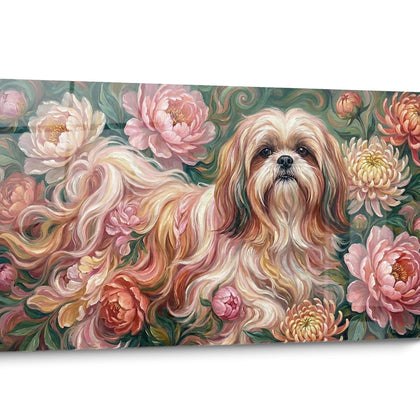


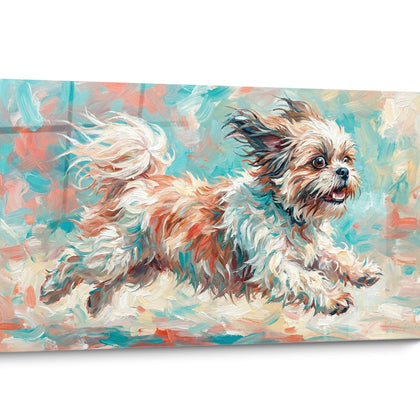

All about Black and White Shih Tzu Dog Wall Art
- Black and White Shih Tzu Wall Art Presentation
- Aesthetic Characteristics
- Decorative Impact
- Acquisition Guide
The black and white Shih Tzu dog canvas represents a minimalist artistic approach that celebrates the natural elegance of this royal breed. This refined chromatic range captures the sophisticated essence of the imperial Shih Tzu while adapting perfectly to contemporary interiors seeking timeless sophistication. The duality of contrasts transforms each portrait into a sculptural artwork that dialogues with modern architecture and refined atmospheres. These large-format creations magnify the ancestral nobility of the breed while meeting current decorative standards that privilege chromatic balance and visual purity.
The Excellence of Monochrome for the Imperial Breed
Why does black and white contrast so beautifully enhance the Shih Tzu's features?
The monochrome representation of the black and white Shih Tzu reveals a sculptural dimension often masked by traditional color palettes. The gradated nuances of the long, silky coat gain exceptional depth when translated into gray variations, creating shadow play that accentuates the compact facial structure characteristic of this brachycephalic breed. The round, expressive eyes become magnetic focal points in this refined composition.
The monochromatic rendering particularly emphasizes the perfect symmetry sought in breeding standards, transforming each portrait into an artistic anatomical study. The fluid locks that frame the Shih Tzu's face generate rich visual textures in black and white, each tonal variation suggesting movement and softness. This aesthetic approach works perfectly in spaces where excessive color might create visual overload.
Rendering techniques for bicolor coat details
Large-format canvases allow meticulous exploration of the Shih Tzu's natural bicolor coat patterns. Artists employ progressive contrast techniques to reproduce the transition between the dark zones of the muzzle and the lighter areas of the forehead, creating a captivating visual dynamic. Monumental formats reveal subtleties imperceptible at smaller dimensions: each undulation, each lock separation becomes a compositional element in itself.
The black and white representation eliminates chromatic distraction to focus on the structural essence of the subject. Light reflections in the dark coat are translated through touches of pure white that create an illusion of natural shine, while deep shadow zones provide the density necessary for overall balance. This technical approach actually aligns with certain compositions found in our abstract Shih Tzu dog canvas collection, where formal simplification meets graphic expressivity.
The artistic heritage of monochromatic animal portraiture
The tradition of black and white animal portraiture draws its roots from the history of photography and lithography, techniques that were long the only ones capable of faithfully capturing the complex anatomy of dense-coated breeds. The Shih Tzu, with its distinctive morphology and remarkably communicative facial expression, becomes a preferred subject for this timeless aesthetic. Contemporary compositions draw inspiration from master portraitists while integrating modern graphic codes.
Current creations play with chiaroscuro codes to create dramatic atmospheres that transform the canine portrait into monumental wall art. The absence of color permits universal readability that transcends ephemeral decorative trends, ensuring lasting aesthetic relevance in evolving interiors.
Decorative Integration of the Monochrome Shih Tzu Canvas
How does black and white transform a space's atmosphere?
A large-format black and white Shih Tzu dog canvas functions as an architectural element that structurally organizes the surrounding space. In minimalist Scandinavian interiors, it brings warmth without disrupting chromatic coherence, while in industrial atmospheres, it introduces organic softness that contrasts with metallic rigidity. The monochromatic range facilitates integration into visually saturated environments, offering a sophisticated visual resting point.
High-end professional spaces frequently adopt this aesthetic to project an image of controlled refinement. Luxury veterinary clinics, exclusive grooming salons, or premium kennel reception areas find in these monochromatic representations a perfect balance between professionalism and animal empathy. The large format imposes an immediate presence that instantly communicates values of excellence and attention to detail.
Optimal material and textural associations
The decorative effectiveness of a black and white Shih Tzu canvas largely depends on its dialogue with surrounding materials. Reflective surfaces like veined marble or brushed metal create reflection interplay that amplifies the work's sophistication, while absorbent textures like natural linen or deep velvet generate enriching tactile contrast. Light woods with pronounced grain establish an organic connection that enhances the subject's natural aspect.
In composite wall configurations, the monochromatic canvas works ideally as a central piece surrounded by simple graphic elements: refined geometric shapes, architectural typography, or documentary photography. This compositional approach avoids chromatic competition while creating coherent visual narrative. The monumental dimensions also enable solitary installation across an entire wall section, transforming the space into a dedicated gallery.
Which environments particularly value this aesthetic?
Urban lofts with generous volumes and white walls provide the perfect setting for these large-format canvases. Abundant natural lighting reveals all tonal subtleties of the composition, creating varying appearances throughout the day. Double-height spaces particularly benefit from vertical formats that accompany architectural elevation while maintaining human scale through subject familiarity.
Contemporary master bedrooms adopt this decoration to establish a soothing atmosphere promoting relaxation. The presence of a Shih Tzu, a breed historically associated with serenity and comforting companionship, psychologically reinforces the space's rest function. Black and white avoids excessive chromatic stimulation that could disturb sleep preparation, while maintaining sufficient visual interest to prevent decorative blandness.
Selection and Acquisition of a Monochromatic Shih Tzu Portrait
The distinguishing criteria of exceptional quality
Evaluating a black and white Shih Tzu dog canvas requires particular attention to the morphological fidelity of the representation. Facial proportions must respect breed standards: rounded skull, marked stop, square and short muzzle, correct ocular distance. Specialized artists master these anatomical subtleties that differentiate a generic portrait from authentic representation. The precision of coat details also constitutes a reliable quality indicator: each zone presents a specific texture that superficial creations omit.
Tonal depth fundamentally distinguishes premium works from standardized productions. A true quality monochromatic canvas uses at minimum fifteen to twenty distinct gray shades, creating gradated transitions that confer volume and realism to the composition. Pure white and absolute black zones should be employed with strategic parsimony to maximize dramatic impact. This tonal richness ensures the work maintains visual interest even after prolonged observation.
How to identify the format suited to your space?
For main living areas, monumental dimensions between 100 and 150 cm transform the canvas into a dominant architectural element that redefines spatial perception. This scale particularly suits unobstructed walls benefiting from minimum three-meter visual distance, allowing overall composition appreciation while authorizing approach for detail examination. Standard ceiling heights (2.40-2.70m) comfortably accommodate vertical formats that create spatial elevation illusion.
Transition spaces like wide hallways or stairwell landings value elongated formats that accompany directional movement. The reassuring presence of the Shih Tzu, excellence breed par excellence, humanizes these often-neglected functional zones decoratively. Portrait versus landscape orientation largely depends on architectural configuration: narrow walls benefit from vertical formats while extended surfaces effectively absorb panoramic compositions.
Investment and long-term decorative value
Acquiring a monochromatic canvas represents a particularly permanent decorative investment thanks to its immunity from chromatic trend fluctuations. Unlike color compositions that can quickly appear dated following color palette evolutions, black and white maintains constant aesthetic relevance. This timelessness guarantees the work accompanies successive decorative evolutions without requiring replacement.
Discerning collectors prioritize artists offering limited editions or unique creations, elements that preserve acquisition distinctiveness value. Authenticity documentation, including certificate and signature, constitutes a decisive factor for demanding buyers. Monumental formats naturally justify premium pricing reflecting production technical complexity and visual impact proportional to dimensions.
Where to place a black and white Shih Tzu canvas to maximize its visual effect?
The optimal placement sits on the main wall facing the room's entrance, creating immediate impact for visitors. Ideally positioned at eye level (artwork center between 145-165 cm from floor), the canvas establishes direct dialogue with observers. Lateral light sources reveal tonal subtleties without creating disturbing reflections.
Does a monochromatic Shih Tzu canvas suit colorful interiors?
Absolutely, black and white functions as a chromatic neutralizer in saturated environments. It brings visual structure and sophistication while allowing surrounding colored elements to express their vitality. This combination creates balanced decorative hierarchy particularly effective in eclectic or maximalist interiors.
What's the difference between photographic portrait and black and white artistic interpretation?
The photographic approach prioritizes documentary fidelity and authentic moment capture, while artistic interpretation allows creative liberties accentuating certain expressive traits. Pictorial renderings generally offer greater emotional depth through technique and texture variations, creating more intense affective connection with the viewer.


