


Minimalist Jump Rope Wall Art
The Rope Skipping Minimalist Artwork celebrates the essence of movement and simplicity. This collection combines clean lines and sporty energy to create a minimalist fitness wall decoration . Perfect for energizing your interior, it captures the grace of the athletic gesture in a refined contemporary style. Each creation reveals the beauty of minimalist sporty design, ideal for modern spaces, gyms or creative offices seeking an inspiring and energizing touch.
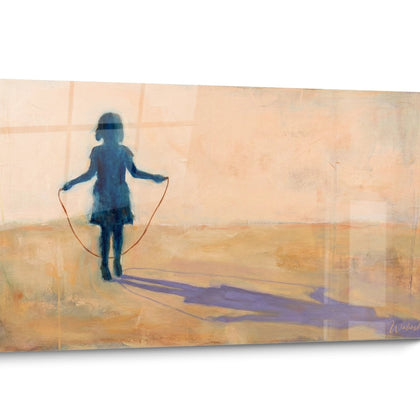
 Woman Jumping Rope Painting - Graceful Movement - Jump Rope Edition228,90 €
 Female Silhouette Painting - Morning Light - Jump Rope Edition228,90 €
 Silhouette Rope Skipping Painting - Freedom in the Clouds - Jump Rope Edition273,90 €
 Female Figure Painting - Ethereal Grace - Jump Rope Edition228,90 €
 Children's Jumping Rope Painting - Winter Innocence - Jumping Rope Edition273,90 €
Explore further
In Minimalist Jump Rope Wall Art




All about Minimalist Jump Rope Wall Art
- Minimalist Jump Rope Wall Art Presentation
- Visual Purity and Athletic Performance
- Functional Space Integration
- Symbolism and Motivational Impact
A minimalist jump rope wall art transforms a simple training accessory into a refined decorative element for fitness and wellness spaces. This visual representation prioritizes the essential: pure lines, graphic contrast, and balanced composition that capture the essence of movement without clutter. Designed for residential gyms, personal coaching studios, and physical conditioning spaces, this large-format wall decoration celebrates athletic discipline through stripped-down aesthetics. The minimalist approach eliminates all visual distraction to focus attention on athletic gestures and training dynamics. This wall decoration appeals to athletes, boxers, crossfitters, and fitness enthusiasts seeking subtle visual motivation that reinforces their determination without overwhelming their visual field during intensive sessions.
Minimalist aesthetics serving athletic concentration
The minimalist jump rope wall art responds to the specific needs of training environments where every visual element influences mental performance. This graphic representation emphasizes spatial negative space, creating visual rest areas that promote focus before physical exertion. Large-format wall designs amplify motivational impact while preserving the visual economy characteristic of minimalism.
How does minimalism strengthen the identity of a training space?
Reduction to essential elements creates a professional visual signature in home gyms and private studios. This approach eliminates superfluous details that can fragment attention during warm-ups or between rounds. The refined lines of a rope in motion, captured in their most expressive trajectory, generate restrained dynamism that resonates with athletic discipline. The absence of complex textures or elaborate color palettes allows harmonious integration into multifunctional spaces.
The symbolism of movement in its purest form
A large-size minimalist jump rope painting captures the kinetic essence of cardiovascular exercise through simplified curves and graphic shapes. This stylization transforms a repetitive gesture into geometric composition that evokes perseverance and regularity. Boxing enthusiasts and functional fitness practitioners immediately recognize this universal gesture that transcends sports boundaries. The imposing wall presence of an XXL format reinforces the aspirational dimension without falling into literal illustration.
What visual codes distinguish this refined approach?
Minimalism applied to sports themes privileges sharp contrasts, silhouettes, and asymmetric compositions that create movement through visual tension. The strategic use of empty space accentuates the presence of the depicted object, transforming a simple rope into a powerful graphic symbol. This economy of means avoids the visual saturation problematic in confined training spaces. For those seeking an alternative with greater compositional complexity, exploring an abstract jump rope wall art offers less literal interpretations of athletic movement.
Functional optimization of residential training space
Integrating a minimalist jump rope wall art into a residential fitness environment requires understanding the spatial constraints specific to physical activity zones. Large formats install ideally on clear walls facing the main exercise area, creating a focal point that structures the space visually without interfering with circulation.
Why prioritize large formats in home gyms?
Imposing dimensions compensate for the typical viewing distance of training spaces. Unlike static contemplation zones, an athlete observes their environment from various positions: standing, moving, during recovery phases. A substantial wall format remains legible and inspiring even from opposite corners of the room. This constant visual presence maintains psychological anchoring during the session, particularly during fatigue moments when motivation wavers.
Coordination with existing sports equipment
Minimalist aesthetics facilitate coexistence with functional equipment: weight racks, mats, exercise benches. Restricted color palettes (black, white, gray, single color accents) naturally harmonize with industrial materials of modern sports equipment. This visual coherence professionalizes the domestic space, bringing it closer to high-end studio ambiance. Graphic sobriety also prevents visual competition with performance tracking screens or wall mirrors essential for postural correction.
What resistance to intensive use conditions?
Training environments generate particular conditions: humidity variations from perspiration, occasional splashes, frequent equipment manipulation. A large-format minimalist painting must present a surface resistant to splashing and easy to clean. Matte finishes prevent distracting reflections under direct lighting necessary for technical exercises. Secure mounting becomes priority with imposing formats, particularly in spaces subject to vibrations from jumps and dynamic movements.
Motivational psychology and visual anchoring of discipline
The minimalist jump rope wall art functions as a psychological trigger in pre-training mental preparation. This constant visual presence creates an environmental association between physical space and athletic performance mindset, accelerating the psychological transition from daily routine to athlete mode. Competitive-level athletes and regular practitioners recognize the importance of these visual rituals in building consistency.
How does a decorative element influence training regularity?
The large-format wall presence of a sports symbol transforms an ordinary room into a performance-dedicated territory. This psychological boundary reinforces commitment by creating an immersive environment that constantly reminds you of set goals. Minimalism amplifies this effect by eliminating competing visual distractions that dilute intention. The refined curves of a rope in motion become a silent yet powerful reminder of the daily discipline necessary for progression.
Universal symbolism of the jump rope in combat sports
For boxers, kickboxers, and martial arts practitioners, the jump rope transcends a simple cardio tool to become an emblem of fundamental preparation. A minimalist painting capturing this symbol resonates with the heritage of legendary champions who built their endurance on this ancestral exercise. This cultural reference inspires difficult morning sessions, reminding that excellence is built on fundamentals repeated with rigor. The imposing wall format elevates this humble object to motivational icon status.
What subliminal messages does this refined aesthetic convey?
Minimalism communicates values aligned with sports philosophy: discipline, focus, elimination of the superfluous, efficiency. This alignment between form and content reinforces the space's identity as a personal development sanctuary. Pure lines and balanced composition project an image of mastery and control that subtly influences mindset during training. Limited colors prevent visual overstimulation detrimental to concentration, creating a cocoon conducive to body-mind connection during demanding sessions.
Does a minimalist jump rope wall art suit small training spaces?
Contrary to common belief, large minimalist formats work remarkably in compact spaces thanks to their refined composition that creates an illusion of depth rather than clutter. The absence of overloaded details avoids a claustrophobic effect while maximizing the visual motivational impact essential in restricted home gyms where every element counts.
How to maintain a minimalist jump rope wall art in a sports environment?
Monthly cleaning with a slightly damp microfiber cloth is sufficient to remove dust particles and maintain the clarity of graphic contrasts. Finishes adapted to sports environments naturally resist ambient humidity generated by intensive sessions, requiring only adequate space ventilation after exercise to prevent prolonged condensation.
Can multiple minimalist paintings be combined in the same training space?
Installing multiple minimalist representations of different sports accessories creates a coherent thematic gallery if each element respects the same visual economy and restricted color palette. This curatorial approach transforms the space into an immersive environment without clutter, provided you maintain visual breathing space between each artwork to preserve minimalism's concentration benefits.
Further reading


