









Manx Cat Watercolor Wall Art
Our Watercolor Cat Manx Painting celebrates the unique grace of this tailless feline breed through the delicate art of watercolor. Each piece captures the round silhouette and endearing character of the Cat Manx with soft nuances and watercolor feline touches full of poetry. These creations bring a soothing and refined atmosphere to your decor. Perfect for cat lovers and watercolor artistic illustrations, these paintings transform your walls into true contemporary art galleries.
 Manx Cat in Blooming Garden Painting - Spring Stroll - Manx Cat Edition273,90 €
 Sleeping Manx Cat Painting - Feline Sweetness - Manx Cat Edition273,90 €
 Leaping Manx Cat Painting - Wild Momentum - Manx Cat Edition273,90 €
 Manx Cat Watercolor Painting - Feline Gentleness - Manx Cat Edition228,90 €
 Manx Cat in Enchanted Garden Painting - Floral Reverie - Manx Cat Edition228,90 €
Explore further
In Manx Cat Watercolor Wall Art
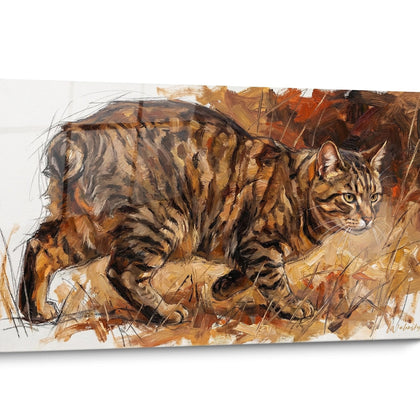
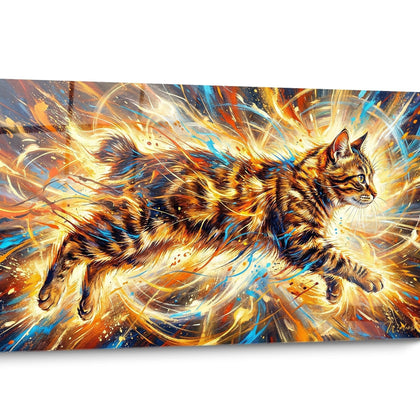
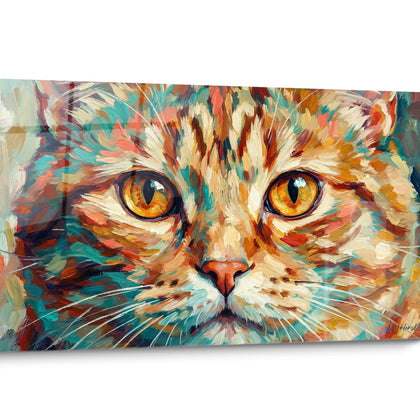
All about Manx Cat Watercolor Wall Art
- Presentation Cat Manx Painting Watercolor
- The watercolor aesthetic of the Manx
- Large format decorative integration
- Artistic authenticity watercolor
The cat Manx watercolor painting captures the distinctive silhouette of this tailless breed in a fluid and poetic artistic expression. This large format representation enhances the unique characteristics of the Manx - its rounded rear, compact musculature, and penetrating gaze - through diluted color nuances that evoke the spontaneity of traditional watercolor. Unlike photographic or hyperrealistic approaches, this interpretation favors subtle gradations, chromatic transparencies, and the vaporous outlines characteristic of the watercolor technique, creating a contemplative atmosphere particularly sought after in refined residential spaces.
The expressiveness of watercolor applied to the Manx
The cat Manx painting exploits the unique visual properties of this pictorial technique to magnify the singular anatomy of this island breed. Successive washes create chromatic depths that emphasize the characteristic roundness of the Manx's posterior, while controlled splashes suggest the texture of its double-layered fur. This artistic approach transforms the absence of a tail - a distinctive feature of the breed - into a central aesthetic element, balanced by compositions where negative spaces play as important a role as pigmented areas.
Why is watercolor particularly suitable for the Manx?
The fluidity inherent in watercolor visually translates the natural grace of the Manx despite its stocky morphology. The smooth transitions between shades reproduce the optical effect of its fur changing tone according to the lighting, particularly visible in tabby and tortoiseshell varieties. Collectors of colorful cat Manx painting appreciate how this technique allows exploring bold color palettes - cerulean blues, warm ochres, emerald greens - while maintaining naturalist consistency thanks to the characteristic transparency of the watercolor medium.
The effects of transparency and their decorative impact
A large format cat Manx watercolor painting displayed in a living room or library generates a visual presence that is both assertive and airy. Translucent superimpositions create a sense of atmospheric depth that captures natural light differently depending on the time of day. This subtle variation brings a dynamic dimension absent from opaque reproductions, transforming the feline representation into a true chromatic interface between the architectural space and its occupants. Lovers of cat Manx portrait painting particularly seek this contemplative quality.
Asymmetrical compositions highlighting unique anatomy
Watercolor artists exploit the natural asymmetry of the Manx to create visually intriguing off-center compositions. The absence of a tail allows for original framing where the feline's body occupies space in an unusual way, breaking the conventions of traditional animal portraiture. The pigmented splashes around the edges suggest the movement and contained energy of this athletic breed, while the preserved white areas evoke the luminosity of the fur in bicolored and calico varieties particularly represented among Manx.
Spatial valuation of large-scale watercolors
Integrating a large-scale Manx cat watercolor responds to specific decorative imperatives related to the visual properties of the watercolor rendering. Unlike saturated prints, the diluted tones characteristic of this technique require sufficient visual proximity to reveal the richness of the superimposed nuances. An imposing format - 120 cm or more - allows for full appreciation of the subtle variations in pigmentation that distinguish a true watercolor rendering from a simple graphic reproduction.
How to position a monumental watercolor?
Large watercolor formats work optimally as focal points in spaces with clear visual circulation. A Manx cat watercolor displayed facing the main entrance of a living room creates a refined first impression, while positioning above a console or low buffet generates a vertical dialogue between the furniture and the artwork. Collectors browsing the selection of Manx cat watercolor often prefer these strategic locations where the eye can embrace the entire composition without obstruction.
Color palette associations with contemporary interiors
Watercolor palettes offer exceptional decorative flexibility thanks to their intrinsic luminosity. A Manx cat watercolor with blue and gray hues naturally harmonizes with Scandinavian or minimalist interiors, while versions with sepia and burnt sienna accents enrich bohemian or eclectic atmospheres. The watercolor technique automatically creates color transitions that soften potentially dissonant contrasts, facilitating integration even in environments with already established palettes.
Managing ambient light to preserve nuances
Watercolor renderings, especially on museum-quality supports, subtly react to variations in ambient lighting. A Manx cat watercolor placed perpendicularly to a natural light source gradually reveals its superimposed layers throughout the day, creating an evolving chromatic spectacle. This sensitivity to light requires avoiding prolonged exposure to direct sunlight, preferring locations with constant diffused light that enhances transparency without altering the pigments.
Technical authenticity and artistic value of feline watercolor
The Manx cat watercolor distinguishes itself from standardized reproductions by its ability to visually preserve the technical markers specific to traditional watercolor. Pigment accumulations at the intersections of washes, characteristic halos created by differential drying, and variations in intensity resulting from uneven absorption by the support are all signatures authenticating a true artistic approach rather than a simple digital transfer.
Recognizing watercolor techniques in the feline rendering
Connoisseurs identify a true Manx cat watercolor by the traces of preserved spontaneity: controlled streaks suggesting whiskers, white reserves delineating the areas of light on the muzzle, wet-on-wet gradients creating the soft transitions between muscle masses. These controlled accidents specific to watercolor bring a vitality impossible to reproduce by mechanical processes, giving each copy a unique visual identity even when it is limited edition prints from watercolor originals.
Can you distinguish an original watercolor from a quality print?
Premium watercolor prints of original artworks offer specific advantages for collectors seeking monumental formats. High-resolution digitization captures tonal micro-variations and the characteristic pigment granulation, while giclée printing processes on textured supports faithfully reproduce the luminosity of preserved whites and the depth of superimpositions. A large-format Manx cat watercolor painting from this technology offers the dimensional accessibility and durability necessary for residential spaces, while maintaining the aesthetic integrity of the original creation.
Watercolor as an emotional feline language
Beyond technical prowess, the Manx cat watercolor painting conveys a specific emotional charge linked to the apparent fragility of the medium. This visual vulnerability - delicate transparencies, subtle chromatic balances - creates a particular resonance with the personality of the Manx, a breed renowned for its sensitivity and intense family attachment. Watercolor compositions favor a contemplative rather than assertive reading, inviting the viewer to an introspective connection with the feline image rather than a superficial decorative appreciation.
What color palette to choose for a Manx cat watercolor painting?
Monochromatic palettes in shades of gray and sepia emphasize the distinctive shape of the Manx and blend into minimalist interiors, while polychromatic compositions with accents of turquoise, lavender or terracotta bring an expressive dimension ideal for energizing neutral spaces. Collectors often prefer analogous harmonies that create a soothing visual coherence, particularly suitable for bedrooms or relaxation areas.
How to maintain a large-format Manx cat watercolor painting?
Quality watercolor prints require delicate dusting with a dry microfiber cloth, avoiding any chemical product likely to alter the pigment inks. Maintaining stable humidity (40-60%) preserves the adhesion of the support, while positioning away from direct heat sources (radiators, fireplaces) prevents dimensional deformation of the printing substrate.
Is a Manx cat watercolor painting suitable for modern interiors?
The chromatic softness and compositional fluidity of watercolor harmonize perfectly with contemporary aesthetic codes favoring purified atmospheres and soothing palettes. Large watercolor formats bring a touch of artistic humanity that tempers the potential coldness of industrial materials (concrete, metal, glass), creating a sought-after visual balance in renovated lofts and urban apartments.


