


Manx Cat Portrait Wall Art
Discover our Painting cat Manx Portrait, an artistic tribute to this tailless cat breed with an irresistible charm. Each portrait of chat Manx captures the natural elegance and piercing gaze of this unique feline native to the Isle of Man. Our works celebrate the distinctive traits of the Manx with remarkable artistic depth. Perfect for cat lovers and collectors of Paintings feline decorative, this collection brings a refined touch to your interior decoration.
 Black Manx Cat with Golden Eyes Painting - Golden Mystery - Manx Cat Edition273,90 €
 Tabby Cat Portrait Painting - Golden Gaze - Manx Cat Edition273,90 €
 Colorful Cat with Golden Eyes Painting - Intense Gaze - Manx Cat Edition273,90 €
 Black Cat with Golden Eyes Painting - Feline Mystery - Manx Cat Edition228,90 €
Explore further
In Manx Cat Portrait Wall Art
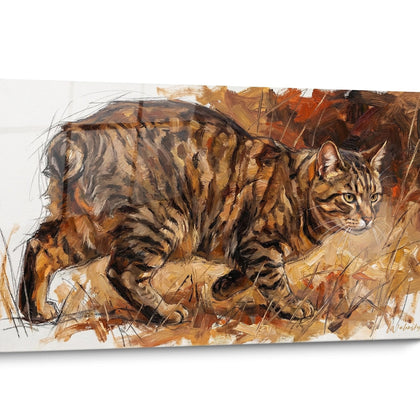
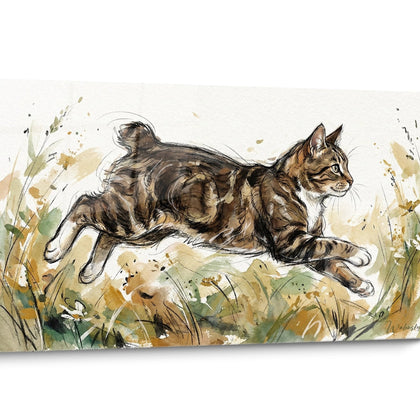
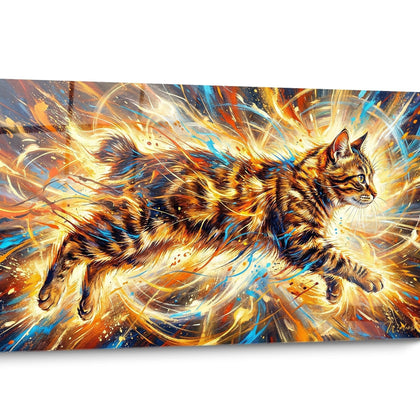
All about Manx Cat Portrait Wall Art
- Painting Presentation Manx Cat Portrait
- Realistic portrait of a Manx cat
- Feline facial expressions
- Portrait decorative art
The Manx cat portrait painting captures the distinctive essence of this tailless feline breed through a composition focused on facial features and the unique expression of the gaze. This artistic representation highlights the particular morphology of the Manx, notably its expressive round eyes, full cheeks, and short muzzle, which give this breed a unique charm sought after by collectors of contemporary animal art.
The art of feline portraiture centered on the Manx
The Manx cat portrait painting is distinguished by its exclusive focus on the head and facial expression, unlike full-body representations. This portrait approach reveals the morphological particularities of the breed: globular eyes slightly oblique, ears spaced wide apart at the base, and this meditative expression characteristic of the Manx. Collectors seek these monumental works for their ability to convey the contemplative personality of this breed originating from the Isle of Man.
Why does the portrait format enhance the Manx breed?
The vertical composition amplifies the depth of the gaze and the emotional intensity of the subject. Specialized artists exploit the large-scale portrait format to detail the texture of the fur around the face, the chromatic variations in the iris, and these micro-expressions that characterize the Manx's observant temperament. This orientation is perfectly suited to narrow wall spaces such as exhibition corridors or private galleries dedicated to felines.
Capturing the contemplative expression of the Manx
Successful portrait representations capture this characteristic half-closed gaze, this meditative posture that Manx owners instantly recognize. The artist works the shadows under the prominent cheekbones, the sheen of the leather nose, and this slight natural facial asymmetry characteristic of the breed. For lovers of high-end feline art, these precise anatomical details justify the investment in a decorative piece that transcends simple illustration.
Differentiation from portraits of other feline breeds
Unlike portraits of Persians with flattened faces or Siamese with angular features, the Manx presents a balanced facial roundness. Watercolor-style artworks exploit this morphological softness to create smooth transitions between light and shadow areas. The portrait format allows to eliminate any distraction related to the absence of tail, concentrating attention on the facial expressiveness that truly defines this island breed.
Decoding facial expressions in the Manx portrait
A museum-quality Manx cat portrait painting captures the subtle emotional nuances specific to this breed. Specialized creators study the position of the whiskers, the variable pupil dilation, and this particular tilt of the ears that signals curiosity or contentment. These elements transform a simple representation into a psychological document translating the calm but vigilant temperament of the adult Manx.
How to identify an emotionally authentic portrait?
Authenticity is measured by the consistency between the squint of the eyes, the orientation of the whiskers, and the visible muscle tension around the mouth. Portraits commissioned by professional Manx breeders prioritize these micro-anatomical details absent from generic representations. A monumental format reveals the expressive wrinkles around the eyes, testifying to the age and experience of the subject represented, creating an emotional connection with the viewer.
The symbolism of direct gaze in feline portrait art
Frontal eye contact, rare in spontaneous feline photography, gives the wall art a commanding presence in the domestic space. Contemporary animal art collectors specifically seek this direct confrontation that transforms the wall into a psychological window. For the Manx, a breed known for its attachment to humans, this sustained gaze reflects the special relationship between this island lineage and its historical keepers.
The evolution of expressive rendering techniques
Modern creations integrate accentuated contrasts to dramatize the brilliance of the gaze, a technique borrowed from Renaissance human portraiture. Some artists exploit saturated color palettes to intensify the emotion conveyed, while others prefer neutral tones that highlight the fur textures. This stylistic diversity responds to the varied expectations of buyers in the process of decorating sophisticated interiors.
Decorative integration of the monumental Manx portrait
Positioning a large-scale Manx portrait requires specific spatial consideration for vertically centered compositions. Interior architects recommend these formats for narrow walls flanking fireplaces, spaces between closely spaced windows, or stairwells where vertical orientation naturally accompanies the upward movement of the gaze. Monumentality amplifies the emotional impact of eye contact with the feline subject.
What spaces enhance a large-format feline portrait?
Private libraries and reading rooms particularly benefit from the calming presence of a contemplative Manx portrait. Verticality dialogues with bookshelves, creating a visual coherence between written culture and animal art. Professional veterinary offices specializing in feline breeds or breeders use these works as identity markers affirming their specific expertise in rare feline breeds.
Association with other thematic decorative elements
Experienced collectors create gallery walls combining multiple representations of Manx from different angles. A monumental facial portrait becomes the centerpiece, complemented by lateral compositions showing the full silhouette. This museum-like strategy transforms a domestic space into a coherent exhibition celebrating the morphological particularities of this historical island breed.
The psychological impact of oversized feline gaze
A portrait of imposing dimensions alters the spatial perception of the room, creating an almost living presence. Environmental psychologists note that animal representations at an enlarged scale generate amplified emotional reactions, particularly with familiar domestic species. For Manx owners, this monumentality honors the privileged status of their companion by elevating them to the rank of a transmissible heritage artwork.
Is a painting portrait of a Manx suitable for small spaces?
Contrary to popular belief, a large-scale vertical portrait visually expands a narrow space by directing the gaze upwards. Urban studios and compact apartments benefit from this illusion of increased ceiling height, provided a minimum viewing distance of two meters is maintained to appreciate all the expressive details.
How to choose between a realistic portrait and a stylized interpretation of the Manx?
Photographic realism appeals to breeders and purists seeking maximum anatomical fidelity, while contemporary artistic interpretations attract collectors who prioritize decorative originality. The intention of purchase determines the choice: documentation of the breed versus a unique decorative piece integrating modern aesthetic codes.
What durability to expect from a large-format Manx portrait painting?
Professional creations using stable pigments and rigid supports retain their chromatic intensity for decades in protected indoor environments. Areas with direct sunlight require UV protective varnishes to preserve the subtle nuances of the fur and the depth of the gaze, crucial elements in a portrait composition focused exclusively on facial expression.
Further reading
Our articles on this topic
- Give a Birman cat painting: the original gift that will delight any cat lover
- Manx cat watercolor painting in art print: the buying guide
- Manx cat painting without a tail: choosing the right silhouette for a modern living room
- Gifting a Manx cat painting for a housewarming: the present with personality
- Why Choose a Manx Cat Painting for a Child's Bedroom
- Manx Cat Pop Art Painting in Bold Colors: The Decor Touch That Energizes Your Office
L'art qui suscite l'envie
Maison belge d'art mural grand format
14 jourspour changer d'avis*
Protection Walenskyincluse
Fabriquéen Italie
FormatXXL
Kit de fixationtoujours fourni
* Hors tableaux personnalisés et tailles personnalisées


