




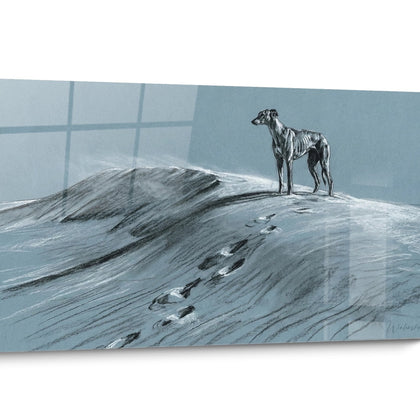
Greyhound Dog Sepia Wall Art
The Painting Greyhound Sépia celebrates the timeless grace of this iconic dog. This collection of canine art in sepia tones captures the natural elegance and aerodynamic silhouette of the greyhound with a refined vintage aesthetic. Each work highlights the nobility of this mythical breed through artistic portraits of greyhounds that will enhance your interior decoration. Ideal for greyhound racing enthusiasts and lovers of sophisticated animal art.
 Greyhound in Retro Interior with Sepia Tones - Vintage Nostalgia - Greyhound Edition273,90 €
 Woman and Greyhound Sepia Artwork - Tender Complicity - Greyhound Edition273,90 €
 Elderly Man with Greyhound in Sepia - Timeless Complicity - Greyhound Lévrier Edition228,90 €
 Sleeping Greyhound on Sepia-Toned Bed Painting - Contemplative Rest - Greyhound Edition228,90 €
Explore further
In Greyhound Dog Sepia Wall Art


All about Greyhound Dog Sepia Wall Art
- Presentation Painting Greyhound Sepia
- Monochrome Sepia Aesthetic
- Elegance of the Greyhound in Sepia
- Vintage Animal Decoration
The painting greyhound sepia embodies a timeless vision where canine nobility meets the nostalgic photographic aesthetic. This wall representation combines the anatomical elegance of the greyhound with the nostalgic depth of sepia tones, creating a sophisticated decorative work that radically transforms demanding residential and professional spaces. This monochrome chromatic approach values pure lines and the aerodynamic silhouette of the greyhound, offering a refined alternative to conventional color representations while fitting into a visual tradition evoking the early 19th-century animal photography.
The Sepia Chromatic Universe at the Service of the Greyhound Breed
The greyhound sepia painting masterfully exploits the brown-ochre monochrome palette to sublimate the unique morphological characteristics of this greyhound breed. Sepia nuances naturally amplify muscle contrasts, highlighting the athletic definition of the deep thorax and slender limbs typical of racing greyhounds. This restricted color range instinctively directs the gaze towards the exceptional body architecture, eliminating any superfluous color distraction.
Why does the sepia tone intensify the canine expression?
Sepia gradations generate a particular emotional depth in animal portraits, especially to capture the intensity of the greyhound's penetrating gaze. Warm brown-orange tones soften the features while preserving expressiveness, creating an immediate visual connection with the viewer. This approach recalls historical animal daguerreotypes where cynophiles documented their hunting and racing champions.
The nostalgic dimension in contemporary interiors
Integrating a greyhound sepia painting into a modern decoration creates a fascinating temporal contrast. This vintage aesthetic brings a historical dimension to minimalist spaces, transforming a simple decorative element into a conversation piece evoking European cynological heritage. Private libraries, law offices, and traditional British lounges particularly welcome this representation with patrimonial accents.
Compatibility with authentic natural materials
Sepia tones harmonize with aged leather, patinated woodwork, and oxidized metals. A large-scale greyhound sepia painting integrates perfectly above a cognac Chesterfield sofa or in a vestibule adorned with oak paneling, creating an organic chromatic coherence. For a more eclectic style, discover also the greyhound watercolor painting which offers a complementary color approach. This restricted palette facilitates association with raw linen textiles and antique bronze accessories.
The psychological impact of warm monochromes
Unlike cold black and white, sepia generates a calming and contemplative atmosphere. In spaces dedicated to reading, reflection, or professional meetings, this color range promotes concentration without excessive stimulation. Monumental formats of the greyhound sepia painting create a reassuring presence, transforming imposing volumes into elegant refuges where temporality seems suspended.
Iconic Morphology of the Greyhound in Sepia Treatment
The sepia rendering specifically magnifies the distinctive anatomical attributes of the greyhound, a breed recognized as the archetype of canine velocity. The chromatic restriction allows for absolute focus on the lean musculature, the pronounced lumbar curve, and the characteristic cervical elongation. This representation recalls old veterinary anatomical studies, conferring scientific legitimacy to the decorative artwork.
How does sepia enhance the aerodynamic silhouette?
Progressive gradations of sepia sculpt the volumes visually, creating an impressive three-dimensionality without resorting to saturated colors. On a large-format sepia greyhound painting, each brown nuance defines the muscle planes with near-photographic precision. The absence of bright hues eliminates uniform planes, replaced by subtle modulations that perfectly follow the complex body geometry of the greyhound.
Aristocratic elegance captured in monochrome
Historically associated with European nobility, the greyhound finds in sepia treatment a visual translation of its privileged status. This aesthetic evokes hunting portraits commissioned by the British aristocracy, where greyhounds accompanied their owners in formal compositions. A monumental sepia greyhound painting perpetuates this tradition, transforming a residential space into a private gallery worthy of Scottish manor houses.
Capturing suspended movement
Sepia excels in representing contained dynamism, the precise moment when the alert greyhound concentrates its energy before an explosion of speed. Ochre and sienna hues suggest the preparatory muscular tension, visible in the perfect alignment of the forelimbs and the erect position of the ears. This kinetic anticipation generates a dramatic intensity particularly effective in hallways, entrances, and circulation spaces where the physical movement of the occupants echoes the frozen dynamic potential.
Racial details amplified by chromatic sobriety
The narrow dolichocephalic head, the lightly marked stop, and the almond-shaped eyes of the greyhound emerge with exceptional clarity in sepia. This purified palette transforms each morphological characteristic into a distinct graphic element, creating immediate readability even at considerable distances. Large formats allow appreciation of the fineness of the tapered muzzle and the texture of the short coat, details often lost in overloaded multicolored compositions.
Decorative Integration of the Sepia Greyhound Painting
The successful integration of a sepia greyhound painting requires an understanding of the spatial dynamics specific to large-scale monochrome animal representations. Unlike abstract works, these canine portraits create an almost living presence that radically transforms the volumetric perception of rooms. Generous dimensions amplify this effect of coexistence, establishing a constant visual dialogue between the artwork and the occupants.
What environments optimally enhance this retro aesthetic?
Spaces with industrial, colonial, or mid-century inspirations ideally welcome a sepia greyhound painting. Exposed brick walls, polished concrete floors, and metal structures powerfully contrast with the organic warmth of the sepia, creating a balanced visual tension. Renovated lofts, former factories converted, and artists' studios particularly benefit from this juxtaposition between architectural harshness and animal refinement.
Thematic associations with the canine universe
For greyhound and hunting memorabilia enthusiasts, the greyhound sepia painting naturally integrates into a themed setting. When paired with canine sporting trophies, vintage leather collars, or antique books on hunting breeds, it becomes the focal point of a true domestic canine gallery. This museum-like approach transforms a hallway or entryway into a narrative space celebrating the history of racing greyhounds.
Balance with natural light sources
The sepia tones subtly react to diurnal light variations, intensifying under the golden morning light and gaining increased depth in the late afternoon. Positioning a greyhound sepia painting perpendicularly to windows avoids direct reflections while capturing the solar modulations that progressively animate the brown nuances. This dynamic interaction constantly renews the visual experience, transforming the static artwork into an evolving composition.
Complementarity with textiles and wall coverings
Textured dove-grey wallpapers, deep emerald velvet draperies, or ecru linen wall coverings form ideal backgrounds to maximize the visual impact of the painting. The chromatic neutrality of sepia remarkably adapts to bold, colorful atmospheres, serving as a soothing visual anchor in otherwise saturated decors. Imposing formats create essential visual breaths in dense decorative compositions.
How does the greyhound sepia painting influence spatial perception?
The slender verticality of the standing greyhound in an aristocratic pose generates an impression of increased ceiling height, particularly effective in spaces with constrained volumes. Conversely, a representation in horizontal movement dynamizes the longitudinal walls, guiding the gaze along architectural perspectives. This perceptual manipulation allows for the visual optimization of spatial proportions without structural modifications.
Where to place a greyhound sepia painting to maximize its decorative impact?
Preferred locations include the main walls of spacious living rooms facing the entrance, spaces above ornamental fireplaces, or stairwells where the vertical dimension finds a natural architectural echo. Private offices and professional cabinets gain prestige with this canine presence evoking loyalty and excellence.
Is the greyhound sepia painting suitable for modern, minimalist interiors?
Absolutely, the chromatic simplicity of sepia harmonizes perfectly with contemporary minimalist codes. The vintage aspect introduces a welcome historical complexity into otherwise aseptic spaces, creating narrative depth without compromising visual clarity. Large formats assert a decisive presence that compensates for the surrounding purification.
How to maintain the chromatic intensity of a greyhound sepia painting?
Preserve the brown tones by avoiding prolonged exposure to ultraviolet rays, which can gradually alter the pigments. Strategic placement away from south-facing windows or the use of UV films on window panes durably protects the chromatic integrity, guaranteeing the permanence of this distinctive nostalgic aesthetic.
Further reading
Our articles on this topic
- Which size of greyhound painting to choose for a hallway
- Gift idea bloodhound painting for a tracking dog enthusiast
- Why the Afghan Hound Captivates Artists and Interior Designers
- Afghan Hound: Character and Symbolism, the Ideal Subject for a Painting
- Siberian Husky painting with blue eyes: the ideal focal point for a modern living room
- Whippet painting in neutral beige and taupe tones for a cozy bedroom
L'art qui suscite l'envie
Maison belge d'art mural grand format
14 jourspour changer d'avis*
Protection Walenskyincluse
Fabriquéen Italie
FormatXXL
Kit de fixationtoujours fourni
* Hors tableaux personnalisés et tailles personnalisées


